Snake Massage: An Exotic Experience in Relaxation
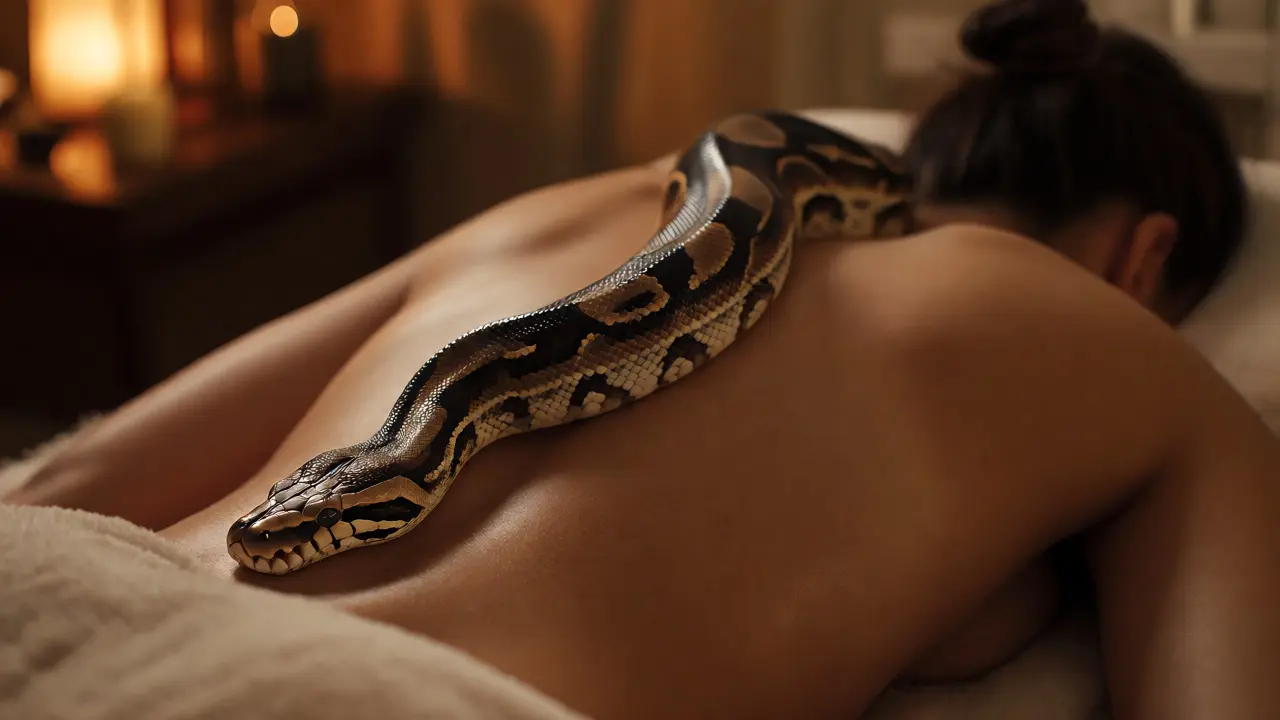
You’re lying face down on a warm table. The room smells of eucalyptus and faintly of earth. A therapist places a cool, smooth weight along your spine. It’s not a hot stone. It’s not a heated towel. It’s a living, breathing Burmese python, slowly slithering over your back muscles. For many, this sounds like a nightmare scenario straight out of a horror movie. But for the growing community of snake massage enthusiasts, it is the ultimate form of deep tissue release and sensory awakening.
The concept isn't new, but its popularity has surged in recent years as people seek alternatives to traditional Swedish or deep tissue massages. Why trade human hands for cold-blooded predators? The answer lies in the unique combination of thermal regulation, pressure distribution, and psychological engagement that only a live reptile can provide. If you’ve ever wondered whether letting a three-meter-long serpent crawl over your neck is worth the hype, we’ve broken down exactly what happens during a session, who should try it, and how to find a reputable provider.
What Exactly Is Snake Massage?
Snake massage is an alternative bodywork technique where trained snakes are used to apply pressure and heat to the client's body. Unlike static tools like foam rollers or vibrating plates, snakes provide dynamic, shifting pressure. They move independently, guided by the therapist but reacting to the warmth and contours of the human body.
The most common species used are non-venomous constrictors, primarily Burmese pythons and large ball pythons. These animals are chosen for their size, docile temperament, and ability to maintain consistent muscle tone. The snake doesn’t just lie there; it actively moves. As it crawls across your shoulders or calves, it applies varying degrees of pressure. This mimics the rolling motion of a massage roller but with the added benefit of organic movement patterns that no machine can perfectly replicate.
Proponents claim this method targets trigger points more effectively because the snake’s body conforms to the specific shape of your musculature. Critics argue it’s mostly a novelty act. The truth likely sits somewhere in the middle. It’s certainly relaxing for those who enjoy the sensation, but calling it a medical cure-all might be stretching the facts.
The Science Behind the Sensation
Why does this feel good? Or at least, why do people pay premium prices for it? There are three main physiological factors at play here: thermoregulation, proprioceptive input, and stress response modulation.
First, consider the temperature. Snakes are ectothermic, meaning they rely on external sources to regulate their body heat. When placed on a warm human body, they naturally seek out the hottest spots-usually areas with high blood flow or tension. This creates a localized warming effect similar to a hot pack. However, unlike a static heating pad, the snake moves away if the area becomes too hot, preventing burns while maintaining contact with cooler, tense muscles.
Second, the movement provides unique proprioceptive feedback. Proprioception is your body’s ability to sense its position in space. The slow, deliberate crawling of a heavy snake stimulates nerve endings differently than rapid hand movements. It encourages the nervous system to shift from sympathetic (fight or flight) to parasympathetic (rest and digest) dominance. Many clients report a meditative state induced by watching the animal’s rhythmic motion, which helps lower cortisol levels.
| Feature | Traditional Swedish Massage | Hot Stone Massage | Snake Massage |
|---|---|---|---|
| Pressure Source | Human Hands | Heated Basalt Stones | Live Reptile Body Weight |
| Movement Type | Manual Gliding/Kneading | Static Placement/Gliding | Autonomous Crawling |
| Heat Transfer | Friction-based | Conductive (High) | Adaptive (Variable) |
| Sensory Engagement | Tactile | Tactile/Thermal | Tactile/Visual/Psychological |
| Avg. Session Cost (USD) | $80 - $150 | $90 - $160 | $120 - $250 |
Preparing for Your First Session
If you’re thinking about booking a slot, don’t just walk in blind. Preparation makes the difference between a terrifying ordeal and a memorable experience. Start by assessing your comfort level with animals. If you have ophidiophobia (fear of snakes), this probably isn’t the right entry point into alternative therapy. You need to be able to relax enough to let another creature control part of your physical space.
- Hygiene matters: Most reputable spas require clients to shower before the session. Since the snake will be in direct contact with your skin, cleanliness is paramount for both you and the animal.
- Wear appropriate clothing: You’ll typically wear minimal clothing, often just underwear or shorts. Some facilities offer disposable gowns, but direct skin contact is usually preferred for better heat transfer and grip.
- Communicate boundaries: Tell the therapist if you’re sensitive around your neck or lower back. While the snake chooses its path, the therapist can guide it using gentle touches or food cues.
- Check the facility’s credentials: Ask about the snake’s origin. Are they captive-bred? How often are they handled? Ethical treatment ensures the animal is healthy and calm, which directly impacts your experience.
It’s also wise to avoid heavy meals right before the appointment. Lying face down with a twenty-pound weight on your back after a large lunch can feel restrictive and uncomfortable. Stick to light snacks and hydration beforehand.
The Experience: What Happens During the Session
A typical session lasts between 45 and 60 minutes. Here’s how it generally unfolds:
- Consultation: The therapist reviews your health history. Certain conditions, like severe arthritis or open wounds, may disqualify you.
- Preparation: You lie down on the table. The therapist brings in the snake, usually in a secure carrier. They allow the snake to acclimate to the room temperature.
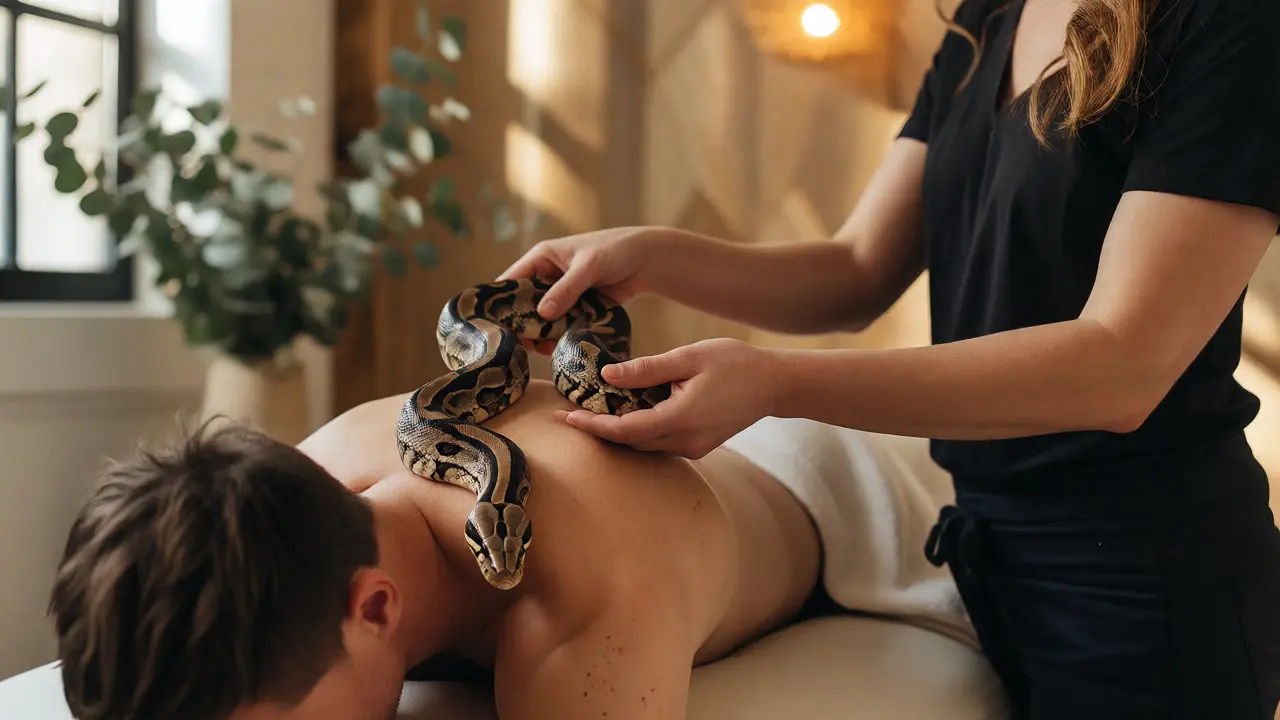
- Introduction: The snake is placed gently on your back, starting near the hips or shoulders. This allows you to get used to the weight and texture without immediate surprise.
- The Massage: The therapist guides the snake’s movement. They might use a laser pointer or a treat to encourage the snake to traverse specific muscle groups. You’ll feel the scales gliding over your skin-a sensation often described as dry, smooth, and slightly rough.
- Cool Down: The snake is removed, and the therapist performs a brief manual rub-down to settle any remaining tension.
During the process, you might feel moments of intense pressure as the snake contracts its muscles. This is natural. Constrictors have powerful core strength. Don’t panic if it feels tight; it’s rarely painful unless you have an underlying injury. Focus on your breathing. In through the nose, out through the mouth. Let the rhythm of the snake’s movement sync with your breath.
Who Should Avoid Snake Massage?
While relaxing for many, this therapy isn’t for everyone. If you have certain medical or psychological conditions, the risks outweigh the benefits.
Pregnant women should generally avoid this treatment. The unpredictable movement and weight on the abdomen or lower back could cause discomfort or strain. Similarly, individuals with osteoporosis or fragile bone density should steer clear, as the concentrated weight of a large python could pose a risk to skeletal integrity.
People with severe allergies to dander or specific proteins found in reptile saliva or skin shedding should consult an allergist first. Although rare, allergic reactions can occur. Finally, if you suffer from anxiety disorders triggered by loss of control, the inability to see the snake moving behind you might induce panic rather than relaxation.

Finding a Reputable Provider
Not all "exotic" spas are created equal. Because this niche is still emerging, regulations vary widely by location. Look for facilities that prioritize animal welfare. A happy snake is a safe snake. Aggressive or stressed snakes may strike or coil tightly in ways that hurt.
Ask these questions before booking:
- How long has the staff been working with these specific animals?
- Are the snakes fed and housed according to veterinary standards?
- Is there insurance coverage for potential bites or scratches?
- Can I observe a session before committing to my own?
Reading online reviews is helpful, but look for detailed accounts rather than star ratings alone. Mention of clean facilities, knowledgeable staff, and well-cared-for animals are good signs. If the photos show cramped enclosures or dull-eyed snakes, take your business elsewhere.
Final Thoughts on the Trend
Snake massage represents the broader trend toward experiential wellness. People are bored with standard massages. They want stories to tell, sensations to describe, and connections to nature-even if that connection involves being crushed gently by a prehistoric-looking predator. Whether it delivers genuine therapeutic value beyond placebo and novelty is up for debate, but the subjective experience is undeniably potent.
If you’re curious, start small. Try a shorter session with a smaller species, like a ball python, before graduating to a massive Burmese. Keep an open mind, respect the animal, and listen to your body. You might just find that the quiet glide of scales over skin is the most relaxing thing you’ve done all year.
Does snake massage hurt?
Generally, no. Most people describe the sensation as firm pressure similar to a deep tissue massage. However, if the snake tenses up or coils tightly, it can feel intense. Communicating with the therapist immediately helps adjust the pressure if it becomes uncomfortable.
Are the snakes venomous?
No. Reputable spas exclusively use non-venomous constrictor species such as Burmese pythons, Reticulated pythons, or Ball pythons. These animals kill by constriction, not venom injection, making them safer for close human contact.
How much does a snake massage cost?
Prices vary significantly by location and the size of the snake used. In major US cities, expect to pay between $120 and $250 for a one-hour session. This is typically higher than standard massages due to the specialized care required for the animals.
Can snakes transmit diseases to humans?
There is a low risk of Salmonella transmission, which is common in reptiles. Reputable spas enforce strict hygiene protocols, including washing hands and sanitizing tables between clients. Clients are also advised to shower before the session to minimize bacterial exchange.
What should I wear during a snake massage?
Most facilities require you to wear minimal clothing, such as underwear or athletic shorts, to allow the snake direct contact with your skin. This maximizes heat transfer and allows the snake to grip properly. Disposable paper sheets are usually provided for hygiene.