Ayurvedic Massage: Benefits, Techniques, and What to Expect
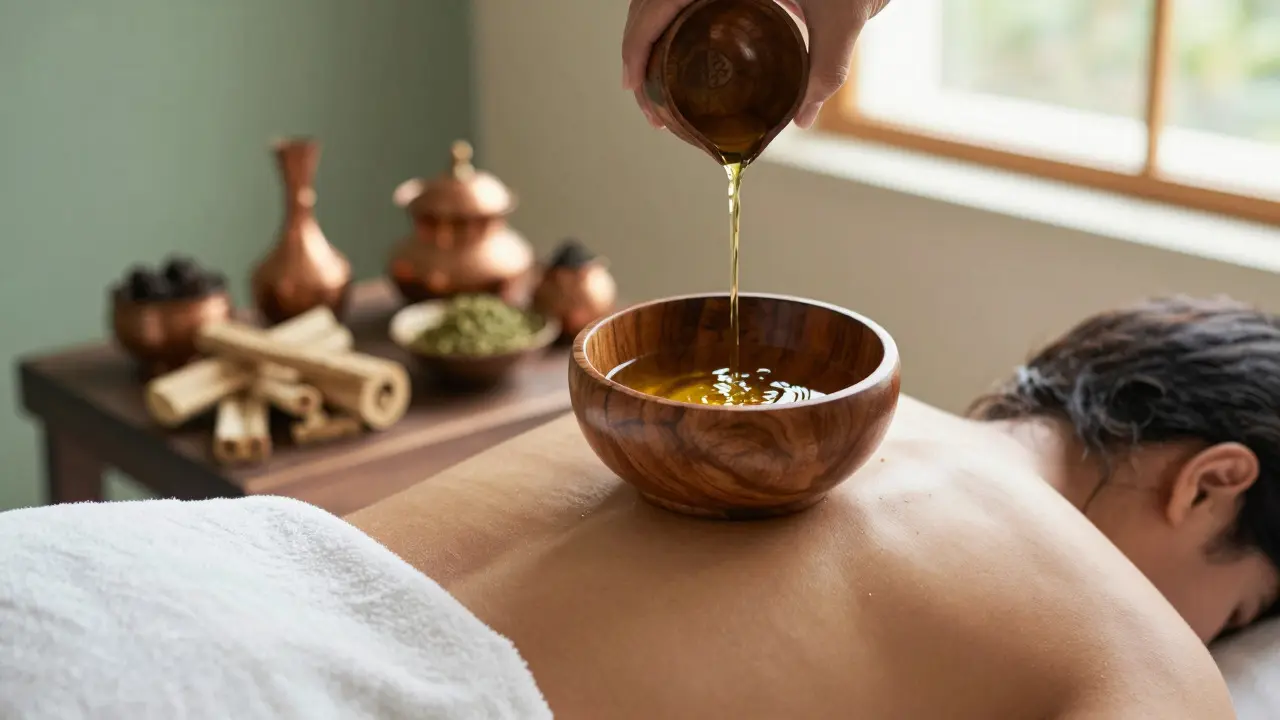
Picture this: warm oil, poured slowly over your shoulders. The room smells like sandalwood and fresh herbs. A therapist’s hands move with a rhythm that feels less like a routine and more like a conversation with your body. This isn’t just relaxation; it is Ayurvedic massage, an ancient healing practice rooted in the principles of Indian medicine. Unlike standard Swedish massages that focus primarily on muscle tension, this approach targets your unique constitution, known as your dosh. It aims to balance your internal energy, improve circulation, and detoxify the body from the inside out.
Understanding the Core Principles of Ayurveda
To get the most out of an ayurvedic session, you first need to understand what drives it. Ayurveda, which translates to "the science of life," dates back over 3,000 years. It operates on the belief that health is a delicate balance between three biological energies or doshas: Vata, Pitta, and Kapha.
- Vata: Associated with air and space. People with a Vata imbalance often feel anxious, dry, or cold. They benefit from grounding, warming techniques.
- Pitta: Linked to fire and water. High Pitta individuals may experience inflammation, irritability, or overheating. They need cooling, soothing treatments.
- Kapha: Connected to earth and water. Kapha types might struggle with lethargy, weight gain, or congestion. They require stimulating, energizing therapies.
Your therapist doesn't just guess your type. They assess your pulse, tongue, eyes, and lifestyle to determine your dominant dosha. This assessment dictates everything from the temperature of the oil to the pressure used during the massage. If you are a high-Vata person, getting a heavy, slow massage might feel comforting. But if you are high-Kapha, that same slow pace could make you feel sluggish. This personalization is what sets ayurvedic massage apart from generic spa treatments.
The Role of Herbal Oils in Abhyanga
The star of the show is the oil. In ayurvedic tradition, the specific massage technique is called Abhyanga, which means self-massage with warm herbal oils. These aren't just carrier oils like coconut or almond. They are infused with specific herbs chosen to counteract your doshic imbalances.
| Oil Type | Best For Dosha | Key Herbs & Benefits |
|---|---|---|
| Sesame Oil | Vata | Grounding, warming, improves joint mobility |
| Coconut Oil | Pitta | Cooling, calming, reduces skin inflammation |
| Mustard or Sunflower Oil | Kapha | Stimulating, light, clears congestion |
| Bala Ashwagandha Oil | All Types (General) | Nervous system support, strength, relaxation |
The oil is heated to a specific temperature-usually around body heat or slightly warmer. When applied, it penetrates deep into the tissues, carrying the medicinal properties of the herbs directly into your cells. This process, known as Snehana, helps lubricate joints, soften tissues, and prepare the body for deeper detoxification methods like Shirodhara, where warm oil is poured continuously over the forehead.
What Happens During an Ayurvedic Session?
If you have never experienced this type of therapy, the structure might surprise you. It is slower and more methodical than a typical deep tissue massage. Here is what you can expect step-by-step:
- Consultation: Before you even lie down, the practitioner will ask questions about your sleep, digestion, stress levels, and menstrual cycle (if applicable). This helps refine the treatment plan.
- Preparation: You will change into comfortable clothing or be draped securely. The therapist heats the oil and tests the temperature on their own wrist to ensure it is safe.
- Application: The oil is applied generously. Long, rhythmic strokes follow the direction of blood flow toward the heart. Special attention is paid to the feet, head, and abdomen.
- Technique Variation: Depending on your dosha, the therapist might use circular motions (for Vata), gentle feather-light touches (for Pitta), or vigorous kneading (for Kapha).
- Rest Period: After the massage, you are usually asked to lie still for 10-15 minutes. This allows the oil to absorb fully rather than just sitting on the surface.
- Cleansing: You will shower with warm water and a mild soap to remove excess oil. Some clinics provide a private steam room to open pores further.
The entire session typically lasts between 60 to 90 minutes. It is not uncommon to feel deeply relaxed, almost hypnotized, by the end. Many clients report falling asleep during the rest period.

Health Benefits Beyond Relaxation
While feeling calm is a great side effect, ayurvedic massage offers tangible physiological benefits. Research suggests that regular abhyanga can significantly reduce cortisol levels, the primary stress hormone. Lower cortisol leads to better sleep quality and reduced anxiety.
From a circulatory standpoint, the rhythmic stroking acts as a pump, helping venous blood return to the heart. This reduces swelling in the legs and feet, making it an excellent therapy for people who stand all day or suffer from mild edema. The warmth of the oil also dilates blood vessels, improving oxygen delivery to tissues.
For those dealing with chronic pain, particularly arthritis, the combination of warm sesame oil and gentle manipulation can increase joint flexibility and reduce stiffness. The herbs in the oil, such as turmeric or ginger, have anti-inflammatory properties that work topically to soothe irritated nerves and muscles.
Who Should Avoid Ayurvedic Massage?
Like any therapeutic intervention, it is not for everyone. There are specific contraindications where this treatment could do more harm than good.
- Acute Fever or Infection: Heat can exacerbate feverish conditions. Wait until you are fully recovered.
- Open Wounds or Skin Conditions: Active eczema, psoriasis flare-ups, or recent surgeries should heal before introducing hot oils.
- Pregnancy: While some forms are safe, many therapists avoid abdominal massage and certain acupressure points during pregnancy. Always consult your doctor first.
- High Blood Pressure: Intense heating and vigorous massage can spike blood pressure temporarily. Inform your therapist so they can adjust the intensity.
If you have a history of blood clots or thrombosis, deep tissue manipulation should be approached with extreme caution under medical supervision.
How to Choose the Right Practitioner
Not every spa offering "ayurvedic" services is authentic. To ensure you receive genuine therapy, look for these credentials:
- Certification: Look for certifications from recognized institutions like the National Ayurvedic Medical Association (NAMA) or equivalent bodies in your region.
- Experience: Ask how long they have been practicing and if they specialize in doshic assessments.
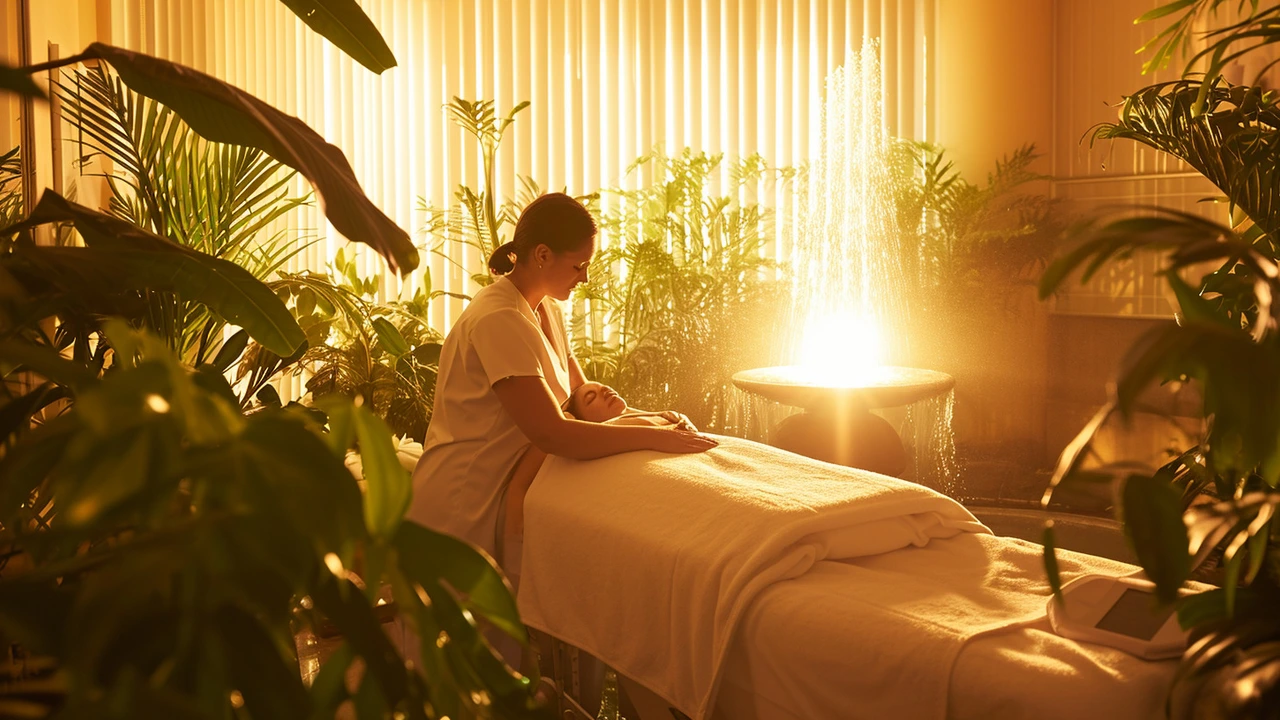
- Environment: Authentic centers often incorporate elements of nature, use natural lighting, and maintain a quiet, serene atmosphere.
- Oil Quality: They should be transparent about the ingredients in their oils. Cheap mineral-based oils defeat the purpose of herbal infusion.
Don't be afraid to ask questions. A good practitioner will welcome your curiosity and explain why they chose a specific oil or technique for you.
Incorporating Ayurveda Into Your Daily Routine
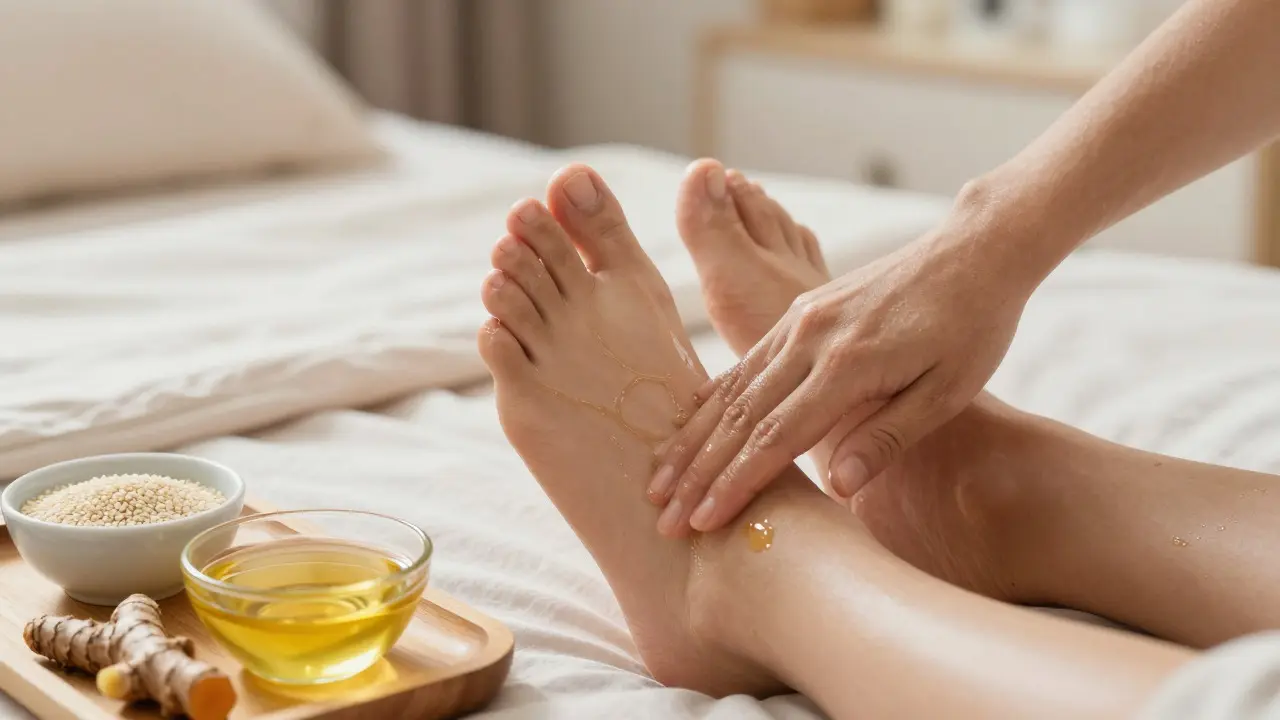
You don't need to visit a clinic every week to reap the benefits. You can bring the principles of abhyanga into your home. Start by buying high-quality organic sesame or coconut oil based on your dosha. Warm a small amount in a bowl of hot water until it is comfortably warm.
Apply it to your feet before bed. The soles of the feet contain numerous nerve endings connected to the brain, making this a powerful way to ground yourself after a stressful day. Use circular motions on the arches and long strokes up the calves. Leave the oil on overnight, then wash it off in the morning. You will likely notice softer skin and improved sleep patterns within a few days.
Another simple practice is massaging your scalp with warm oil once a week. This stimulates hair follicles, reduces dandruff, and calms the mind. Use your fingertips to apply gentle pressure in small circles. Let it sit for at least 30 minutes before washing it out with a mild shampoo.
Frequently Asked Questions
How often should I get an ayurvedic massage?
For general maintenance, once a month is sufficient. However, if you are dealing with chronic stress, insomnia, or joint pain, weekly sessions for a month can help reset your system. Listen to your body; if you feel drained, space them out. If you feel revitalized, consistency is key.
Is ayurvedic massage painful?
Generally, no. It is designed to be soothing. However, if you have tight knots or chronic tension, there might be moments of discomfort as the therapist works through blocked areas. Communicate with your therapist immediately if the pressure becomes too intense. The goal is therapeutic release, not pain.
Can I do ayurvedic massage at home?
Yes, self-abhyanga is a core part of the tradition. You can buy pre-infused oils online or make your own by simmering herbs in a base oil. Start with simple foot or scalp massages. For full-body self-massage, use a mirror to reach your back and take your time. It takes about 15-20 minutes.
What is the difference between ayurvedic and Swedish massage?
Swedish massage focuses on relaxing muscles and improving circulation using lotion or cream, which absorbs quickly. Ayurvedic massage uses warm, medicated oils that penetrate deeper. It is personalized based on your dosha (body constitution) and aims to balance internal energies, not just relieve physical tension.
Are there any side effects?
Some people experience temporary fatigue, headaches, or emotional release after their first session. This is often a sign that toxins are being mobilized. Drink plenty of water and rest. If symptoms persist beyond 24 hours, consult your healthcare provider.