Amma Massage: The Ultimate Wellness Therapy
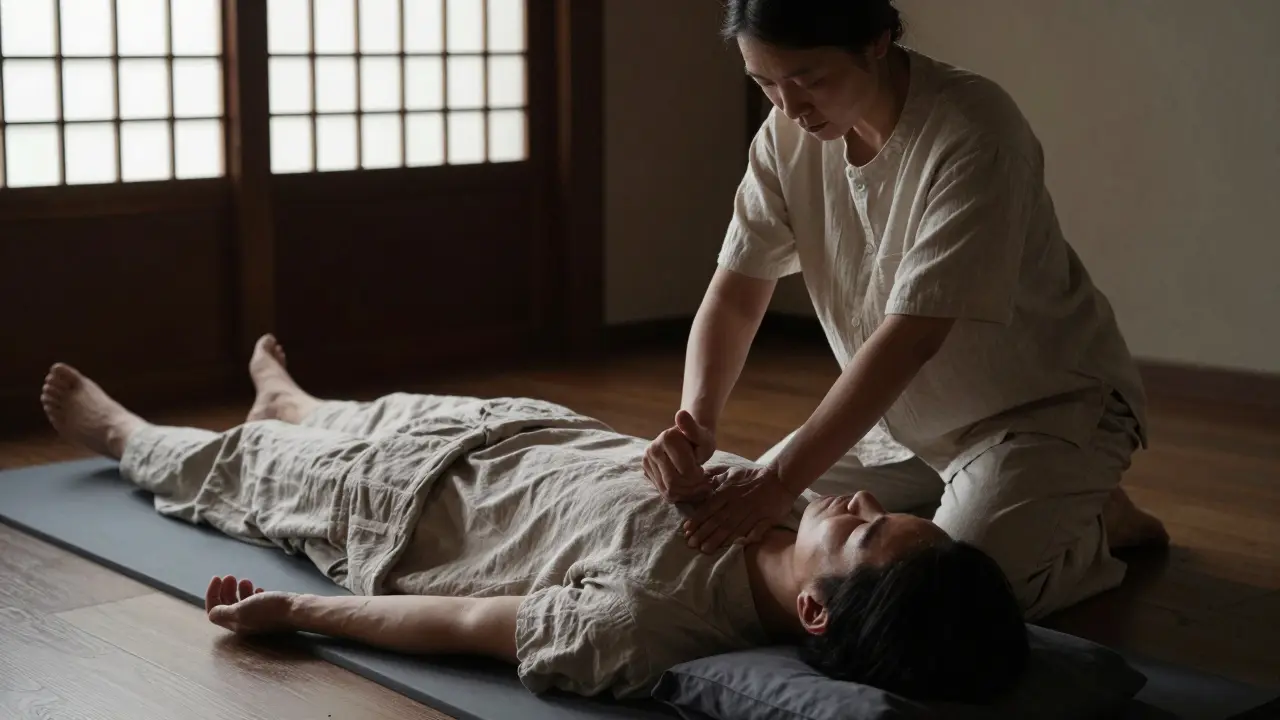
Amma massage isn’t just another type of bodywork-it’s one of the oldest recorded healing practices in human history. Originating in China over 2,000 years ago, it was developed by Buddhist monks who combined acupressure, stretching, and energy work to restore balance in the body. Unlike Swedish or deep tissue massage, Amma doesn’t rely on oils or long strokes. Instead, it uses fingers, thumbs, palms, and elbows to press along specific energy pathways called meridians. The goal? To unblock stagnant energy, calm the nervous system, and trigger the body’s own healing response.
How Amma Massage Works: More Than Just Pressure
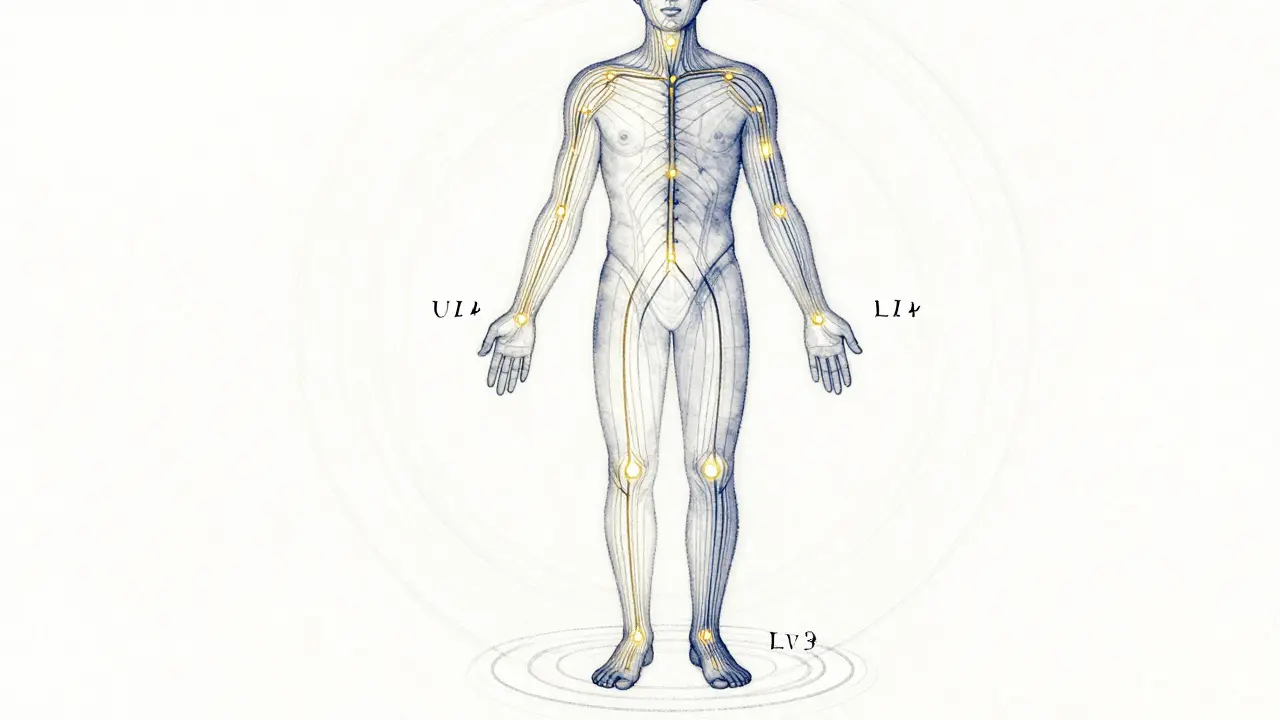
Amma massage is built on the same principles as traditional Chinese medicine. Your body has 12 main meridians, each linked to an organ system. When stress, injury, or poor sleep blocks these channels, you feel it-not just as tight muscles, but as fatigue, headaches, or even digestive issues. Amma therapists don’t just target sore spots. They follow the flow of energy from your feet to your head, pressing along these invisible lines to release tension at its root.
For example, pressing the point between your thumb and index finger (LI4) can relieve migraines. Applying pressure along the inner leg (Liver 3) helps with menstrual cramps and emotional stress. These aren’t random spots-they’re mapped, tested, and used for centuries. A trained Amma therapist will assess your posture, breathing, and even your pulse before starting. They’re not guessing. They’re reading your body’s signals.
Most sessions last 60 to 90 minutes. You stay fully clothed, usually in loose cotton pants and a t-shirt. No oils, no music, no candles. Just quiet, focused touch. It’s not relaxing in the spa-sense. It’s deep, sometimes intense, and often leaves you feeling strangely light afterward.
What Makes Amma Different From Other Massages
Let’s compare it to what most people know. Swedish massage uses long gliding strokes to relax muscles. Deep tissue targets knots with firm pressure. Thai massage includes stretches and yoga-like movements. Amma? It’s all about energy flow. You won’t feel your muscles being kneaded-you’ll feel your energy shift.
Here’s how they stack up:
| Feature | Amma Massage | Swedish Massage | Deep Tissue | Thai Massage |
|---|---|---|---|---|
| Focus | Energy meridians, organ systems | Relaxation, surface muscles | Chronic muscle tension | Flexibility, joint mobility |
| Clothing | Fully clothed | Nude (draped) | Nude (draped) | Fully clothed |
| Oils or lotions | None | Yes | Yes | No |
| Pressure | Firm, targeted, rhythmic | Light to medium | Very firm | Medium to firm, with stretches |
| Duration | 60-90 minutes | 60 minutes | 60-90 minutes | 60-120 minutes |
| After effects | Clear-headed, calm, sometimes tired | Relaxed, sleepy | Sore, then relieved | Stretchy, energized |
Amma doesn’t aim to make you feel good in the moment. It aims to make you feel balanced over time. That’s why people who suffer from chronic stress, insomnia, or anxiety often return weekly-not because it feels amazing, but because they notice real changes: fewer headaches, better digestion, deeper sleep.
Who Benefits Most From Amma Massage
If you’re someone who’s tried everything-chiropractors, physiotherapy, yoga, meditation-and still feel off, Amma might be the missing piece. It’s especially effective for:
- People with chronic stress or burnout
- Those with unexplained fatigue or low energy
- Women dealing with PMS or hormonal imbalances
- People with tension headaches or jaw clenching
- Anyone recovering from illness or surgery
- Individuals who feel emotionally stuck or numb
One client in Brisbane, a school teacher in her late 40s, came to me after five years of insomnia and constant neck pain. She’d had three cortisone shots, two rounds of physio, and tried acupuncture. Nothing stuck. After six weekly Amma sessions, her sleep improved. Her neck pain dropped by 80%. She didn’t even realize how much tension she was holding until it was gone.
Amma doesn’t promise miracles. But it does give your body the space and signal it needs to heal itself.
What to Expect in Your First Session
Your first Amma session starts with a short conversation-not a full medical history, but enough to understand your main concerns. Are you tired all the time? Do you wake up with tight shoulders? Do you feel anxious even when nothing’s happening?
Then you lie down on a padded mat on the floor, fully clothed. The therapist will begin at your feet, working slowly up your legs, then your back, arms, and head. They’ll use their thumbs to press firmly on specific points. You might feel a sharp sensation, but it shouldn’t hurt. If it does, speak up. Good Amma therapists adjust pressure in real time.
Some people cry during their first session. Not because it’s painful, but because the emotional blockages start to release. Others fall asleep. Both are normal. There’s no right way to react.
Afterward, drink water. Don’t jump into a meeting or a workout. Give yourself an hour to settle. Many people report feeling spacey or quiet for the rest of the day. That’s your nervous system recalibrating.
How Often Should You Get Amma Massage?
There’s no one-size-fits-all answer. But here’s what works for most people:
- For acute stress or pain: Once a week for 4-6 weeks, then taper off.
- For maintenance: Once a month keeps energy flowing and prevents buildup.
- For chronic conditions: Biweekly for 3 months, then monthly. Many with long-term anxiety or digestive issues see steady improvement over time.
It’s not like a gym membership where you need to go every day. Amma works cumulatively. Each session builds on the last. Skipping weeks isn’t a problem-but consistency matters more than intensity.
Where to Find a Qualified Amma Therapist
Not every massage therapist knows Amma. In Australia, it’s still a niche practice. Look for practitioners who:
- Have training in Traditional Chinese Medicine (TCM)
- Are certified by a recognized body like the Australian Traditional Medicine Society (ATMS)
- Use terms like "meridian therapy" or "acupressure" in their descriptions
- Don’t mix Amma with aromatherapy or hot stones-it dilutes the practice
Avoid places that call it "Chinese relaxation massage" without mentioning energy work. That’s usually just Swedish with a few pressure points added. Real Amma is precise, structured, and rooted in ancient theory.
Myths About Amma Massage
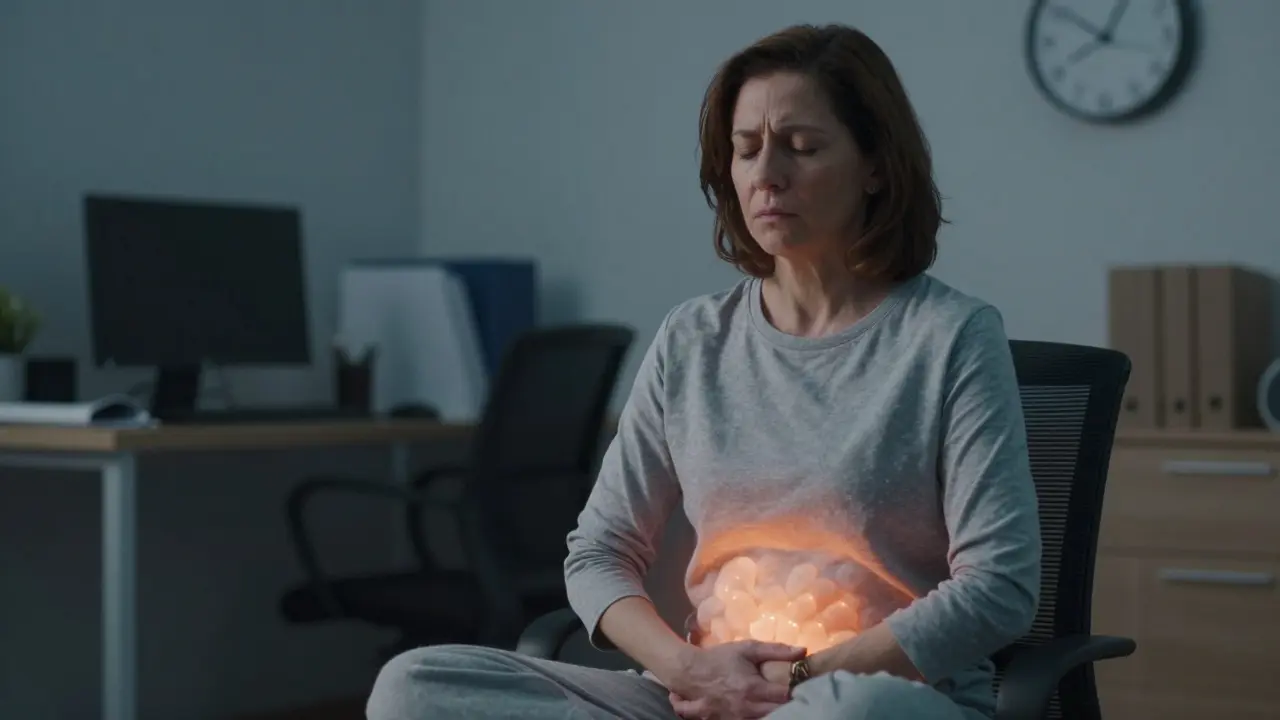
There’s a lot of confusion around this therapy. Let’s clear up the biggest myths:
- Myth: Amma is just acupressure. Truth: Acupressure is one tool. Amma includes stretching, joint mobilization, and energy scanning.
- Myth: It’s painful and not worth it. Truth: It can be intense, but it’s never meant to cause pain. The sensation is more like deep release.
- Myth: You need to believe in energy to feel results. Truth: You don’t need to believe in meridians. You just need to feel the difference in your body.
- Myth: It’s only for women. Truth: Men benefit just as much-especially those with high-stress jobs or chronic tension.
Can You Do Amma Massage at Home?
You can learn the basics. There are simple points you can press daily:
- LI4 (Hegu): Between thumb and index finger. Press for 30 seconds on each hand to relieve headaches.
- LV3 (Taichong): On top of the foot, between big toe and second toe. Helps with stress and anger.
- PC6 (Neiguan): Three fingers above your wrist crease, between the tendons. Reduces nausea and anxiety.
But home techniques are just that-basic. Real Amma requires training to read the body’s energy flow. You can’t replicate a skilled therapist’s intuition with a YouTube video.
Think of it like yoga. You can stretch at home, but a good teacher transforms your practice.
Is Amma massage safe during pregnancy?
Yes, but only with a therapist trained in prenatal Amma. Certain points, like LI4 and SP6, are avoided during pregnancy because they can stimulate contractions. A qualified practitioner will know which areas to skip and how to adapt pressure. Many pregnant women find Amma helps with nausea, back pain, and anxiety without medication.
Does Amma massage hurt?
It can feel intense, but it shouldn’t hurt. The sensation is often described as "good pain"-like a deep stretch that releases something stuck. If you feel sharp, burning, or radiating pain, tell your therapist immediately. Amma works through pressure, not force.
How long do the effects last?
After one session, you might feel calm for a day or two. With regular sessions, the effects build. Many clients report lasting changes after 4-6 weeks: better sleep, less anxiety, fewer headaches. The body remembers the balance.
Can Amma help with depression?
Amma isn’t a replacement for therapy or medication, but it can be a powerful support. By calming the nervous system and releasing stored tension, it helps the body return to a state of equilibrium. Many people with mild to moderate depression notice improved mood and energy after consistent sessions. It’s not a cure-but it creates space for healing.
What should I wear to an Amma session?
Loose, comfortable clothing made of natural fibers like cotton. Avoid tight jeans, belts, or synthetic fabrics. You’ll stay fully clothed, so wear something you can move in easily. Most therapists provide a simple tunic if you don’t have suitable clothes.
Next Steps: Try It
If you’ve been feeling off-tired, tense, emotionally drained-Amma massage might be the quiet reset you’ve been missing. It’s not flashy. It doesn’t promise instant results. But for those who stick with it, the changes are real: deeper sleep, calmer thoughts, less pain. You don’t need to understand energy meridians to feel the difference. You just need to show up.
Book your first session. Give it six weeks. Then ask yourself: do I feel more like myself than I did a month ago? If the answer is yes, you’ve found something that lasts.