Why Head and Scalp Massage is a Game-Changer for Your Health
Quick Takeaways
- Reduces cortisol levels and lowers systemic stress.
- Increases blood flow to hair follicles, potentially aiding thickness.
- Relieves chronic tension headaches and migraines.
- Improves sleep quality by triggering the parasympathetic nervous system.
The Science of the Scalp
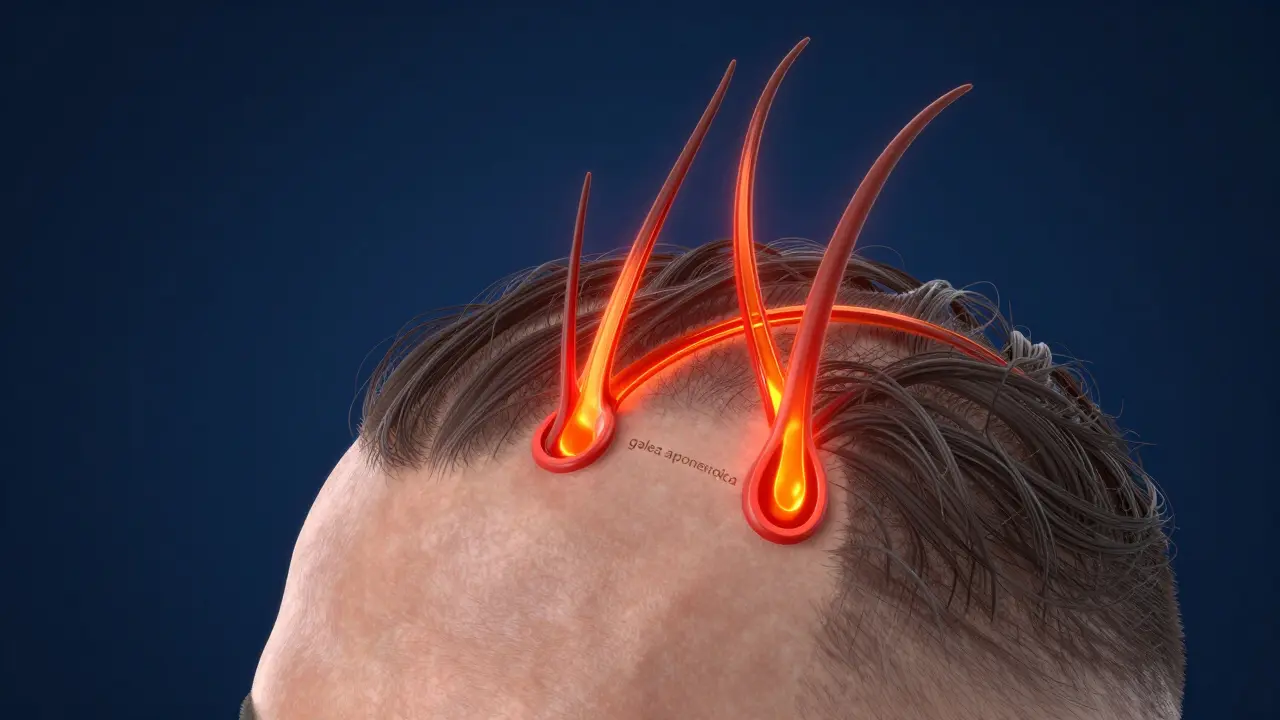
Your scalp isn't just skin and hair; it's a complex network of muscles, blood vessels, and nerves. When we talk about head and scalp massage is the manual manipulation of the soft tissues of the scalp and cranial area to improve circulation and reduce muscle tension, we are actually targeting the galea aponeurotica. This is a tough layer of dense fibrous tissue that covers the upper part of the cranium. When this area tightens, it can pull on the muscles of your face and neck, leading to that 'tight' feeling in your forehead.
By applying rhythmic pressure, you're essentially breaking up these adhesions. This process stimulates the Vagus Nerve, which is the main component of the parasympathetic nervous system. When this nerve is activated, your body switches from 'fight or flight' mode to 'rest and digest.' This is why you often feel a wave of heaviness and relaxation hitting you the moment someone starts massaging your temples.
Fighting the Modern Headache
If you deal with Tension Headaches, you know that dull, aching sensation that feels like a tight band around your head. This usually happens because the muscles in your neck and scalp are overworked. A targeted scalp massage works by releasing the trigger points in the suboccipital muscles-the tiny muscles at the base of your skull.
Think about how you sit when you're focused on a phone. Your chin pokes forward, and the muscles at the back of your head shorten. This restricts blood flow and irritates nerves. Massaging this area doesn't just mask the pain; it physically relaxes the muscle fibers and flushes out metabolic waste like lactic acid. Regular sessions can actually reduce your reliance on over-the-counter painkillers because you're addressing the physical root of the pressure rather than just the symptom.
Boosting Hair Health from the Root
Many people use scalp massage as a beauty hack for hair growth, and there's actually some solid logic behind it. For hair to grow, the follicles need a steady supply of oxygen and nutrients, which are delivered via the blood. Vasodilation is the process where blood vessels widen, increasing the volume of blood flow to a specific area. Massage triggers this response.
When you massage your scalp, you're encouraging blood to move into the dermal papilla, the base of the hair follicle. This isn't just about 'rubbing' the skin; it's about moving the scalp *over* the skull. If you just rub the surface, you're just scratching. If you move the skin itself, you're stretching the follicles. This mechanical stress can actually signal the cells to produce more proteins associated with hair thickness. While it won't cure genetic baldness, it can certainly make the hair you have look fuller and healthier by ensuring the follicles are well-fed.
Scalp Care Comparison
| Method | Primary Goal | Mechanism | Effort Level |
|---|---|---|---|
| Surface Rubbing | Cleaning/Exfoliating | Friction on epidermis | Low |
| Deep Tissue Massage | Muscle Release | Mechanical manipulation of fascia | Medium |
| Percussion (Tapping) | Wakefulness/Alertness | Rapid nerve stimulation | Low |
| Acupressure | Energy Flow/Pain Relief | Targeted pressure on specific points | Medium |
The Mental Reset: Beyond Physicality
We often overlook the psychological impact of touch. In a world of digital interactions, physical touch is becoming rare. A scalp massage provides a concentrated sensory experience that forces you to be present. This is essentially a form of Mindfulness, even if you aren't meditating. When your focus shifts to the sensation of pressure on your head, the 'noise' in your mind starts to quiet down.
There's also a hormonal shift. Research on tactile stimulation shows that a good massage can lower Cortisol, the primary stress hormone, while boosting serotonin and dopamine. This chemical cocktail helps regulate your mood and can either wake you up (if the massage is brisk) or prep you for deep sleep (if the massage is slow and rhythmic). If you've ever struggled with insomnia, trying a 10-minute scalp massage before bed can be more effective than another hour of tossing and turning.
How to Do it Right (At Home)
You don't need a professional to get these benefits. The key is technique. Most people make the mistake of sliding their fingers across the skin. Instead, you want to grip the scalp.
- The Claw: Place your fingertips firmly on your scalp. Instead of rubbing, move the skin in small circular motions. You should feel the skin moving independently of the bone.
- The Temple Press: Use your middle and index fingers to apply steady pressure to the temples. Hold for five seconds, release, and breathe deeply.
- The Base Release: Reach behind your head to where the skull meets the neck. Use your thumbs to gently squeeze the muscles on either side of the spine.
- The Crown Sweep: Start from the forehead and use firm, slow pressure to push the scalp back toward the crown of your head.
Pro tip: If you're using an oil, like peppermint or rosemary, you get a double benefit. The oil helps the fingers glide, but the aromatic compounds also stimulate the olfactory system, adding another layer of relaxation.
Common Pitfalls to Avoid
While a scalp massage is generally safe, there are a few things that can actually do more harm than good. First, avoid applying excessive pressure if you have a history of migraines that cause extreme sensitivity (allodynia); in those cases, a light touch is better. Second, don't overdo it. Massaging for an hour straight can actually irritate the skin or cause a tension headache from the repetitive movement. 10 to 15 minutes is the sweet spot.
Also, be careful with your nails. You want to use the pads of your fingers, not your nails. Scratching the scalp can create micro-tears in the skin, which can lead to inflammation or infection, especially if you're using heavy oils that might clog the pores if not washed out properly.
Frequently Asked Questions
Can a scalp massage actually grow hair?
It doesn't create new follicles, but it can improve the health of existing ones. By increasing blood flow and oxygen delivery to the root, it helps the hair grow at its maximum potential and may increase the diameter of the hair shaft, making it look thicker.
How often should I massage my head?
For stress relief and headache prevention, 3 to 5 times a week for about 10 minutes is ideal. If you're doing it for hair growth, consistency is key-daily short sessions are usually more effective than one long session once a month.
Is it safe to do a scalp massage during a migraine?
It depends on the person. For some, light pressure on the temples can ease the pain. However, during a full-blown migraine, some people experience hypersensitivity where even a light touch feels painful. If it hurts, stop immediately.
Do I need to use oil for it to work?
No, oil isn't necessary for the physiological benefits of muscle release and blood flow. However, oil reduces friction and prevents you from pulling on the hair, which makes the experience more comfortable.
Can this help with anxiety?
Yes. By stimulating the Vagus nerve and reducing cortisol, scalp massage helps shift the body from a state of high alert to a state of relaxation, which can significantly lower acute feelings of anxiety.
Next Steps for Your Routine
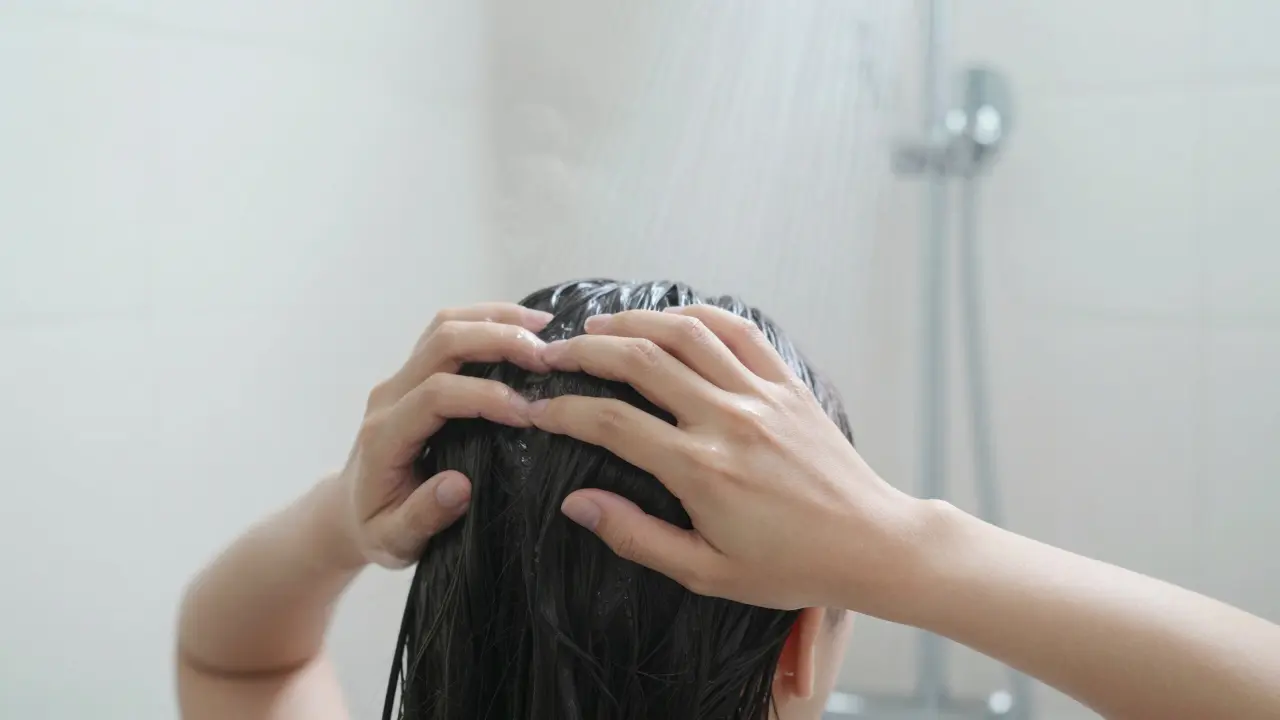
If you're new to this, start small. Try adding a five-minute scalp massage to your shower routine-since your hair is already wet and the steam has opened your pores, it's the perfect time. If you have a partner, trade off for ten minutes each; the social connection adds an extra layer of oxytocin, which enhances the stress-relief effect. If you're still feeling knots that won't budge, consider seeing a licensed massage therapist who can perform a professional cranial-sacral release to get deeper into those stubborn tensions.