The Therapeutic Benefits of Prostate Massage: A Practical Guide
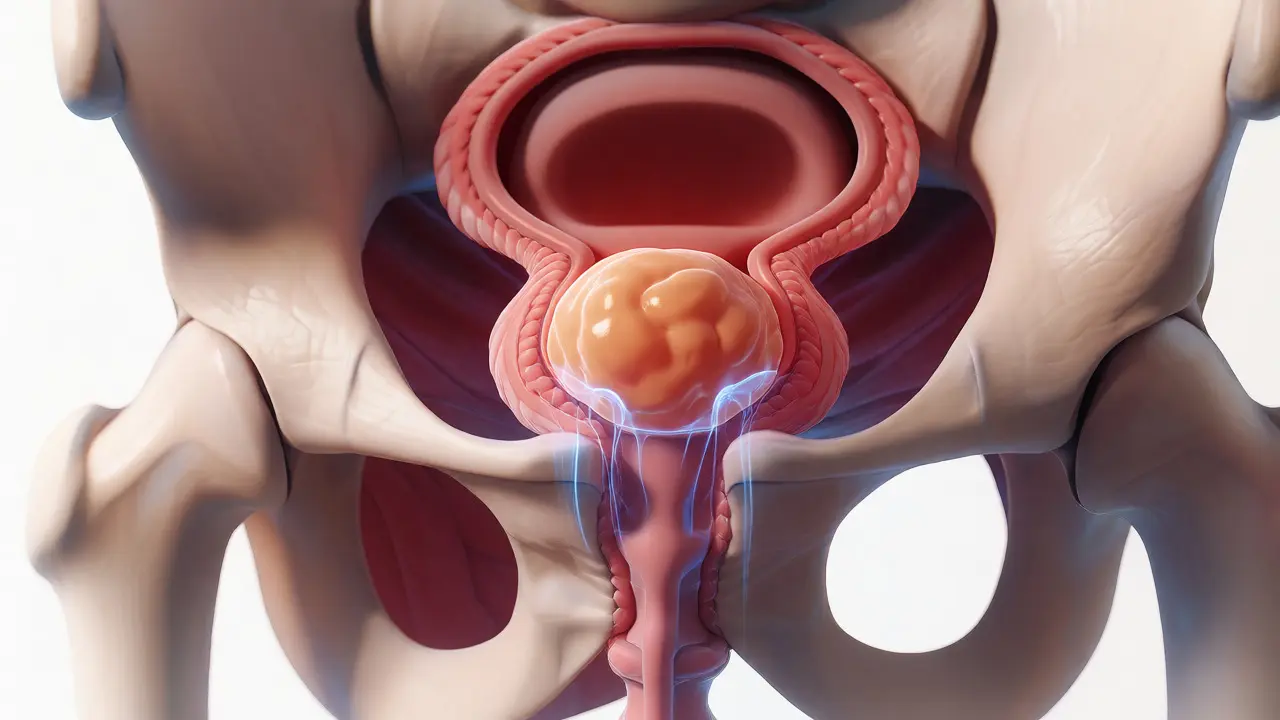
You might have heard the term prostate massage thrown around in locker rooms or whispered about in adult wellness contexts. But here is a fact that often gets lost in the shuffle: for many men, this isn't just about pleasure. It’s a legitimate therapeutic intervention with roots going back decades in urology and holistic care. If you’re dealing with chronic pelvic pain, stubborn urinary issues, or just want to optimize your long-term prostate health, understanding what actually happens during this procedure can change how you view your own body.
Let’s cut through the awkwardness. The prostate is a walnut-sized gland located just below the bladder and surrounding the urethra. It plays a critical role in reproductive health by producing fluid that nourishes and transports sperm. When this gland becomes congested, inflamed, or simply under-stimulated, it can cause a cascade of uncomfortable symptoms. This is where therapeutic massage comes in. Unlike erotic contexts, the goal here is drainage, circulation, and relief. Think of it less as a sexual act and more like physiotherapy for an internal organ.
What Actually Happens During a Therapeutic Session?
A therapeutic prostate massage involves gentle, rhythmic pressure applied to the prostate gland via the rectum. The practitioner (or the individual themselves, if self-massaging) uses a lubricated finger or a specialized tool to stimulate the gland. The primary mechanism is mechanical. By applying pressure, you encourage the release of prostatic fluid that may be stagnant within the ducts. This process helps clear out blockages, reduce inflammation, and improve blood flow to the area.
It’s not magic, but it is physiological. When the prostate is massaged, the smooth muscle tissue relaxes. This relaxation can alleviate tension in the surrounding pelvic floor muscles, which are often tight in men suffering from chronic prostatitis or pelvic pain syndrome. The immediate sensation is often described as a deep, internal pressure that releases into warmth. For those with congestion, this can provide significant symptomatic relief almost instantly.
Key Health Benefits You Should Know About
Why would anyone subject themselves to this? Because the potential benefits address some of the most common and frustrating issues men face as they age. Let’s look at the specific conditions where this therapy shines.
- Chronic Prostatitis/CPPS: Chronic Pelvic Pain Syndrome is notoriously difficult to treat with medication alone. Studies suggest that regular massage can help break up calcifications and drain infected or inflammatory fluids, offering relief where antibiotics fail.
- Better Urinary Flow: An enlarged or congested prostate presses against the urethra, making urination slow or weak. Massage reduces swelling and clears debris, potentially improving stream strength and reducing nighttime bathroom trips.
- Erectile Function Support: While not a cure for ED, improved blood flow to the pelvic region can enhance erectile quality. The prostate shares nerve pathways with the structures responsible for erections; relaxing these nerves can indirectly boost performance.
- Prostate Cancer Screening Aid: Historically, doctors used massage to obtain fluid samples for analysis before modern imaging took over. While less common now, stimulating the gland can sometimes reveal hidden infections or abnormalities in PSA levels.
Who Is This Therapy For? And Who Should Skip It?
This isn’t a one-size-fits-all solution. It works best for men experiencing specific symptoms related to congestion or mild inflammation. If you feel a heavy sensation in the perineum (the area between the scrotum and anus), have difficulty starting urination, or experience post-ejaculatory pain, you are likely a good candidate.
| Candidate Type | Primary Symptoms | Recommended Approach |
|---|---|---|
| Chronic Congestion | Heaviness, dull ache, frequent urge to urinate | Weekly self-massage or therapist-led sessions |
| CPPS Patients | Pain after ejaculation, pelvic tension | Combined with physical therapy and stress management |
| Preventative Care | No active symptoms, desire for optimization | Monthly maintenance, focus on hygiene and technique |
| Acute Infection | Fever, severe pain, chills | Avoid massage; seek immediate medical attention |
Conversely, if you have acute bacterial prostatitis-characterized by fever, chills, and severe pain-do not massage the prostate. Manipulating an acutely infected gland can push bacteria into the bloodstream, leading to sepsis. Always consult a urologist before starting any new regimen, especially if you have a history of hemorrhoids, anal fissures, or recent rectal surgery.
Self-Massage vs. Professional Therapy: Making the Choice
Can you do this yourself? Absolutely. Many men find self-massage convenient and empowering. However, there is a learning curve. You need to locate the prostate correctly-it’s usually found about two inches inside the rectum, toward the front wall (toward the belly button). It feels like a small, firm bump, similar to the tip of your nose.
Professional therapy offers precision. A trained therapist knows exactly how much pressure to apply and can identify areas of tenderness that indicate blockage. They also ensure proper hygiene and use specialized tools designed for ergonomics. If you’re anxious about touching yourself internally or lack flexibility, hiring a professional removes the guesswork and the awkwardness.
Here is a quick comparison to help you decide:
- Cost: Self-massage costs nothing after buying gloves and lube. Sessions range from $100 to $250 depending on location.
- Convenience: Self-care is available anytime. Appointments require scheduling.
- Effectiveness: Professionals often achieve deeper drainage due to expertise. Self-massage requires consistent practice to master the angle and pressure.
- Privacy: Some men prefer the intimacy of self-care; others feel safer with a neutral third party handling the sensitive area.
Step-by-Step Guide for Safe Self-Care
If you choose to try this at home, safety and hygiene are non-negotiable. Follow these steps to minimize discomfort and maximize benefit.
- Prepare Your Body: Empty your bladder and bowels. A warm bath beforehand helps relax the pelvic floor muscles, making insertion easier.
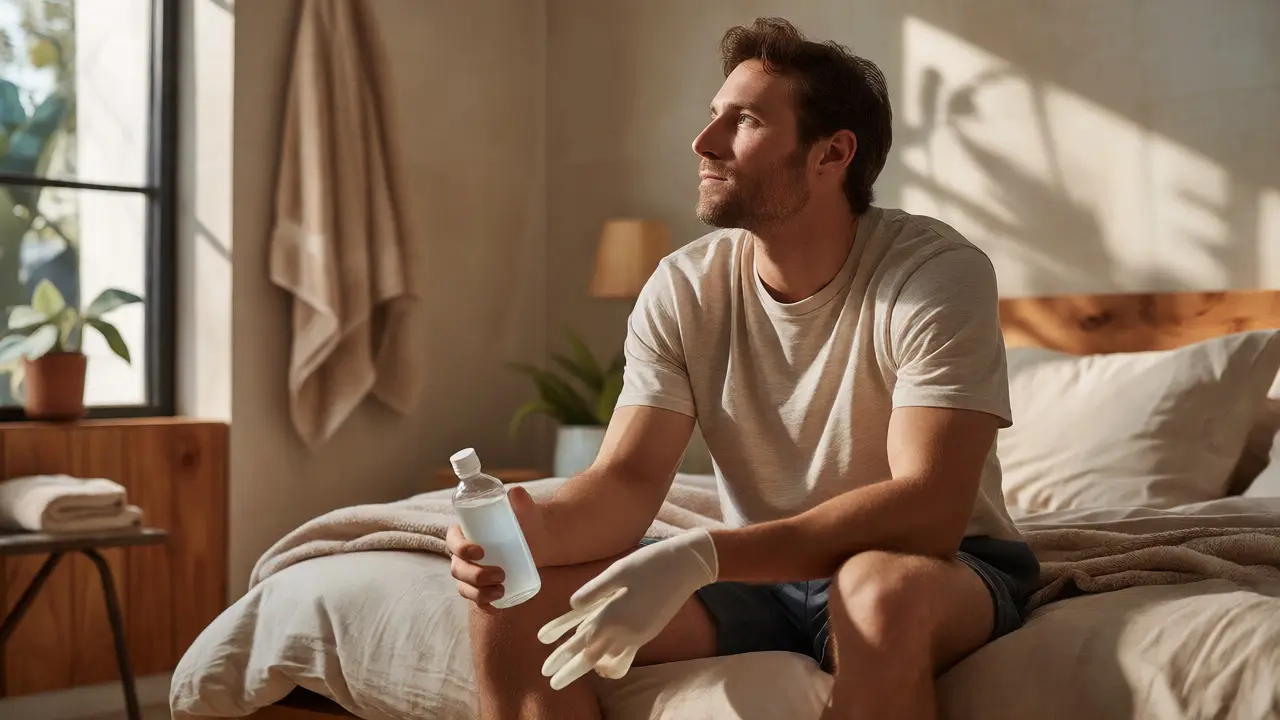
- Hygiene First: Trim your fingernails short and file them smooth. Wash your hands thoroughly. Consider wearing a nitrile glove for better hygiene and easier cleanup.
- Lubricate Generously: Use a water-based or silicone-based lubricant. Do not skip this step. Dry friction causes micro-tears in the delicate rectal lining.
- Find the Position: Lie on your side with knees pulled toward your chest, or squat deeply. These positions open up the rectal canal.
- Insert Slowly: Gently insert one finger, pad facing forward (toward the abdomen). Breathe deeply. If you feel resistance, stop and wait for the muscle to relax.
- Locate the Prostate: Move your finger until you feel the rounded gland. It should be distinct from the softer surrounding tissue.
- Apply Gentle Pressure: Use a "come hither" motion or gentle circular strokes. Aim for a comfortable pressure-never sharp pain. Duration: 5-10 minutes.
- Release and Rest: Withdraw slowly. You may notice a slight discharge of prostatic fluid. This is normal. Clean up and hydrate.
Common Pitfalls and How to Avoid Them
Most negative experiences stem from rushing. The rectum is not a passive tube; it reacts to fear and tension. If you clench your sphincter, you’ll hurt yourself. Another mistake is using too much force. The prostate is sensitive. Aggressive poking doesn’t drain the gland faster; it just causes bruising.
Also, ignore the myth that you must ejaculate immediately after. While some men do, it’s not required for therapeutic benefit. The goal is fluid movement, not necessarily expulsion. If you feel dizzy or nauseous, stop. Vagal nerve stimulation can cause a drop in blood pressure, so sit down if you feel lightheaded.
Long-Term Maintenance and Lifestyle Synergy
Prostate massage isn’t a cure-all if your lifestyle undermines it. Sitting for eight hours a day compresses the pelvic region, restricting blood flow regardless of how often you massage. Pair your routine with movement. Take breaks to stand and stretch. Hydration matters, too. Drinking enough water keeps the prostatic fluid thin and easier to drain.
Diet plays a role. Zinc-rich foods like pumpkin seeds support prostate health. Reducing alcohol and caffeine can lower irritation in the urinary tract. Think of massage as part of a broader toolkit. Combine it with pelvic floor exercises (Kegels and reverse Kegels) to maintain muscle tone. This holistic approach yields better results than relying on massage alone.
Is prostate massage painful?
No, it shouldn't be painful if done correctly. You may feel an intense urge to urinate or a deep pressure sensation, which is normal. Sharp pain indicates incorrect technique, insufficient lubrication, or an underlying condition like acute infection. Stop immediately if you feel sharp pain.
How often should I perform prostate massage?
For therapeutic purposes, once or twice a week is typically sufficient for managing congestion or CPPS. For general preventative care, once a month may be enough. Overdoing it can irritate the gland, so listen to your body and adjust frequency based on comfort and symptom relief.
Can prostate massage help with fertility?
Indirectly, yes. By clearing blocked ducts and improving fluid composition, it may enhance sperm transport and viability. Some studies suggest it can help men with low sperm count due to obstruction, but it is not a standalone treatment for infertility. Consult a specialist for personalized advice.
Do I need special tools?
A gloved finger works perfectly fine for beginners. However, dedicated prostate massagers offer ergonomic designs that allow for deeper reach and varied pressure points without straining your hand. Look for body-safe materials like silicone and ensure the toy has a flared base for safety.
Will it affect my PSA test results?
Yes, physical manipulation of the prostate can temporarily elevate PSA levels. If you are scheduled for a PSA blood test, avoid prostate massage for at least 48 to 72 hours prior to ensure accurate readings. Inform your doctor about recent massage activities.