Unveiling the Secrets of the Hammam: A Complete Guide to Turkish Bath Rituals
Imagine stepping out of the sweltering heat of a city street into a space where time seems to slow down. The air is thick with warmth, smelling faintly of rosewater and eucalyptus. You are not in a sauna, nor are you in a steam room. You have entered a Hammam, a traditional Turkish bathhouse that serves as a center for cleansing, socializing, and relaxation. For centuries, this institution has been the heartbeat of community life in the Middle East, North Africa, and parts of Europe. Today, it is experiencing a global renaissance, moving from ancient stone walls to modern wellness centers worldwide.
But what exactly happens inside these tiled rooms? Why do people travel thousands of miles to experience a scrub they could get at home? The answer lies in the unique combination of hydrotherapy, manual exfoliation, and cultural ritual that defines the hammam experience. It is not just about getting clean; it is about resetting your body and mind through a process that dates back over two thousand years.
The Ancient Roots of the Hammam
To understand the hammam, you have to look back further than the Ottoman Empire. The roots trace all the way to the Roman baths and the Greek thermae. When the Ottomans conquered Constantinople in 1453, they adopted and refined these bathing practices, creating a distinct culture centered around water and heat. Unlike the private bathrooms we have today, the hammam was a public utility. It was where neighbors met, deals were struck, and families gathered.
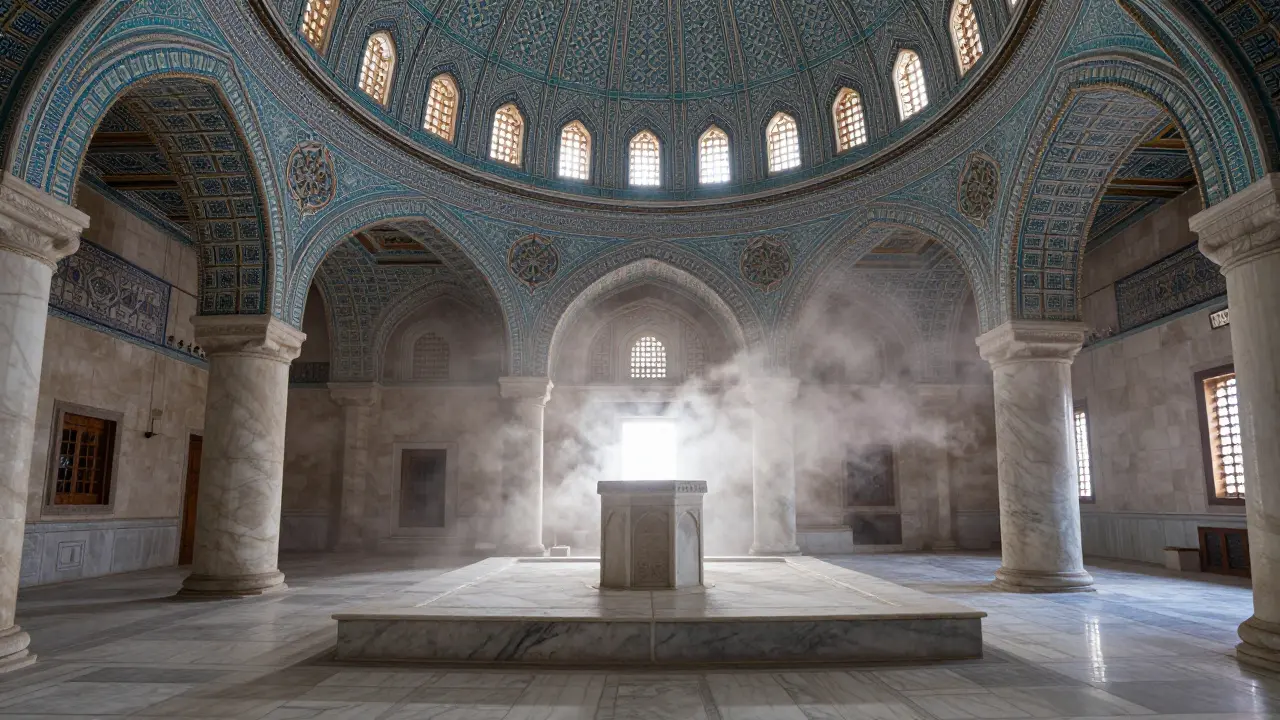
The architecture itself tells a story. Traditional hammams feature a central dome, often made of copper or lead, which collects condensation and drips warm water onto the marble tables below. This design creates a consistent, humid environment that opens pores without the dry, choking heat of a Finnish sauna. The layout typically includes three rooms: a warm room (sıcaklık), a hot room (çamaşırhane), and a cool room (soğukluk). This progression allows the body to acclimate gradually, preventing shock and maximizing the therapeutic effects of the temperature changes.
Decoding the Ritual: What Actually Happens?
If you walk into a hammam for the first time, the sequence of events can feel mysterious. Here is the standard flow of a traditional session, stripped of the fluff:
- Acclimatization: You start in the warm room. Lie on the heated marble slab (göbektaşı) for 10-15 minutes. Let the humidity soften your skin. Drink plenty of water. Dehydration is the enemy here.
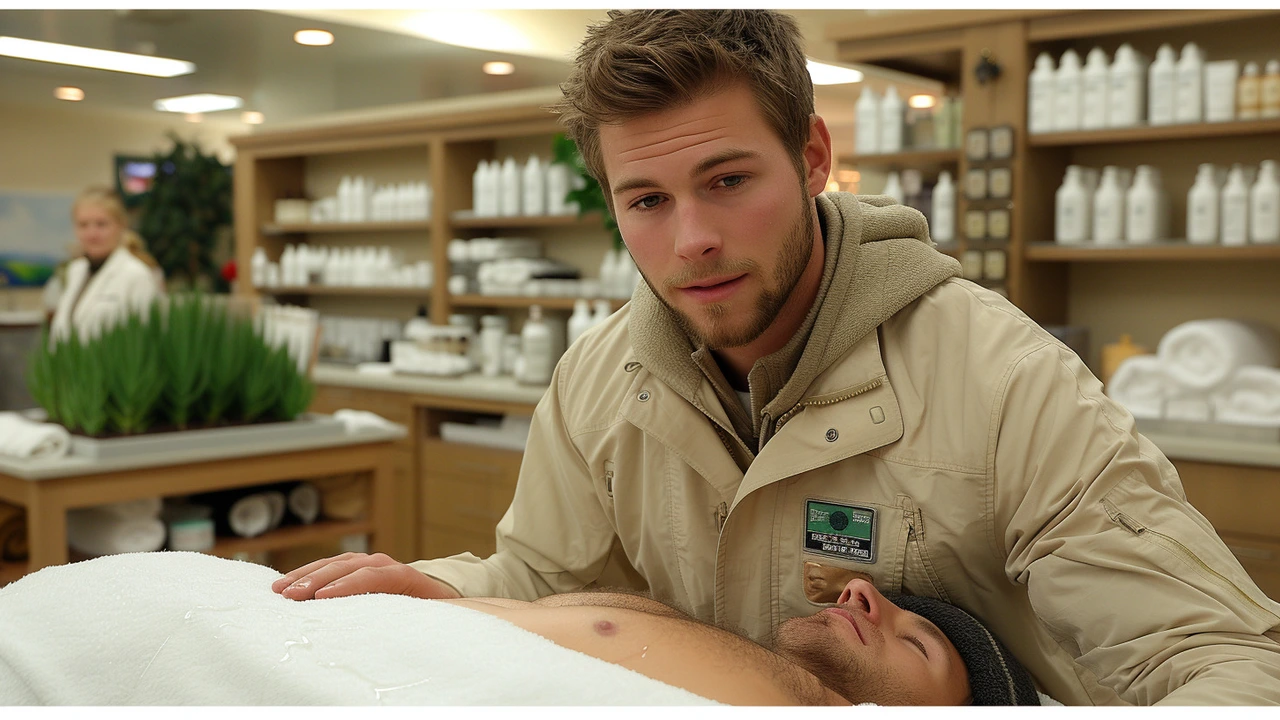
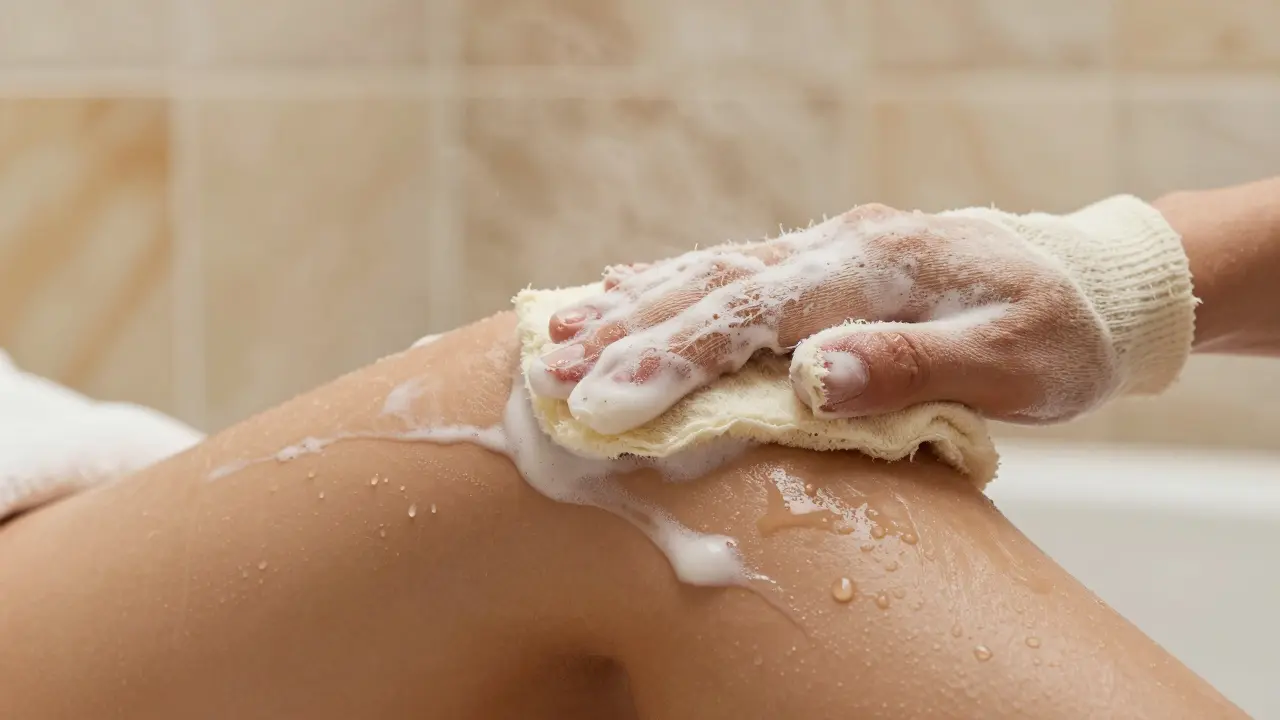
- The Scrub (Kese): This is the core of the experience. An attendant will lather you with soap and then use a coarse cotton glove called a kese to vigorously rub your skin. This removes dead skin cells, dirt, and oils that showers miss. It feels intense-almost like sandpaper-but it leaves your skin incredibly smooth.
- The Foam Massage (Köpük): After the scrub, you are rinsed off. Then comes the fun part. The attendant whips up a mountain of soapy foam using a special brush. They massage this foam over your entire body. It’s gentle, playful, and deeply relaxing. The foam acts as a barrier, keeping your skin moist while the massage stimulates circulation.
- Rinsing and Cooling: Finally, you rinse off in the cool room. Some traditions end with a cold shower or even a dip in a cold pool. This closes the pores and invigorates the blood flow.
The key difference between a hammam and a regular spa day is the intensity of the exfoliation. In a typical Western spa, you might get a gentle buff. In a hammam, the goal is total renewal. Your skin will literally peel away layers of dead tissue, revealing fresh, glowing skin underneath.
Why Your Body Craves the Heat
It’s not just tradition; there is solid science behind why the hammam feels so good. The combination of heat, humidity, and physical manipulation triggers several physiological responses.
| Benefit Category | Mechanism | Outcome |
|---|---|---|
| Skin Health | Deep exfoliation via kese glove | Removal of dead cells, improved texture, reduced acne risk |
| Circulation | Vasodilation from heat + massage pressure | Better blood flow, reduced muscle stiffness, faster recovery |
| Detoxification | Profuse sweating in high humidity | Elimination of toxins through sweat glands (minor but present) |
| Mental Relaxation | Warmth reduces cortisol levels | Lower stress, improved sleep quality, mood elevation |
| Joint Pain Relief | Heat penetrates deep tissues | Reduced arthritis pain, increased flexibility |
For athletes, the hammam is a secret weapon. The heat helps muscles relax after intense training, while the scrub removes salt buildup from sweat. For those with chronic conditions like psoriasis or eczema, the regular removal of dead skin can significantly reduce itching and scaling. However, always consult a doctor if you have severe skin conditions before trying vigorous exfoliation.
Hammam vs. Sauna: Know the Difference
People often confuse hammams with saunas, but they are fundamentally different experiences. If you enjoy dry, roasting heat, you want a sauna. If you prefer moist, enveloping warmth, you want a hammam.
- Humidity: Saunas operate at 10-20% humidity. Hammams operate at near 100% humidity. This means you sweat profusely in a hammam, whereas in a sauna, you might barely break a sweat until you pour water on the rocks.
- Temperature: Saunas are hotter (70-100°C / 158-212°F). Hammams are milder (40-50°C / 104-122°F). You can stay in a hammam much longer without feeling dizzy or overheated.
- Cleansing Focus: Saunas are primarily for relaxation and cardiovascular exercise. Hammams are primarily for hygiene and skin care. The scrub is non-negotiable in a hammam; it’s optional in a sauna.
Think of it this way: A sauna is like a brisk hike-it gets your heart pumping and clears your head. A hammam is like a long, luxurious bath-it cleanses your body and soothes your soul.
Etiquette and Preparation: How Not to Stand Out
Walking into a hammam unprepared can be embarrassing. Here is how to navigate the etiquette like a local:
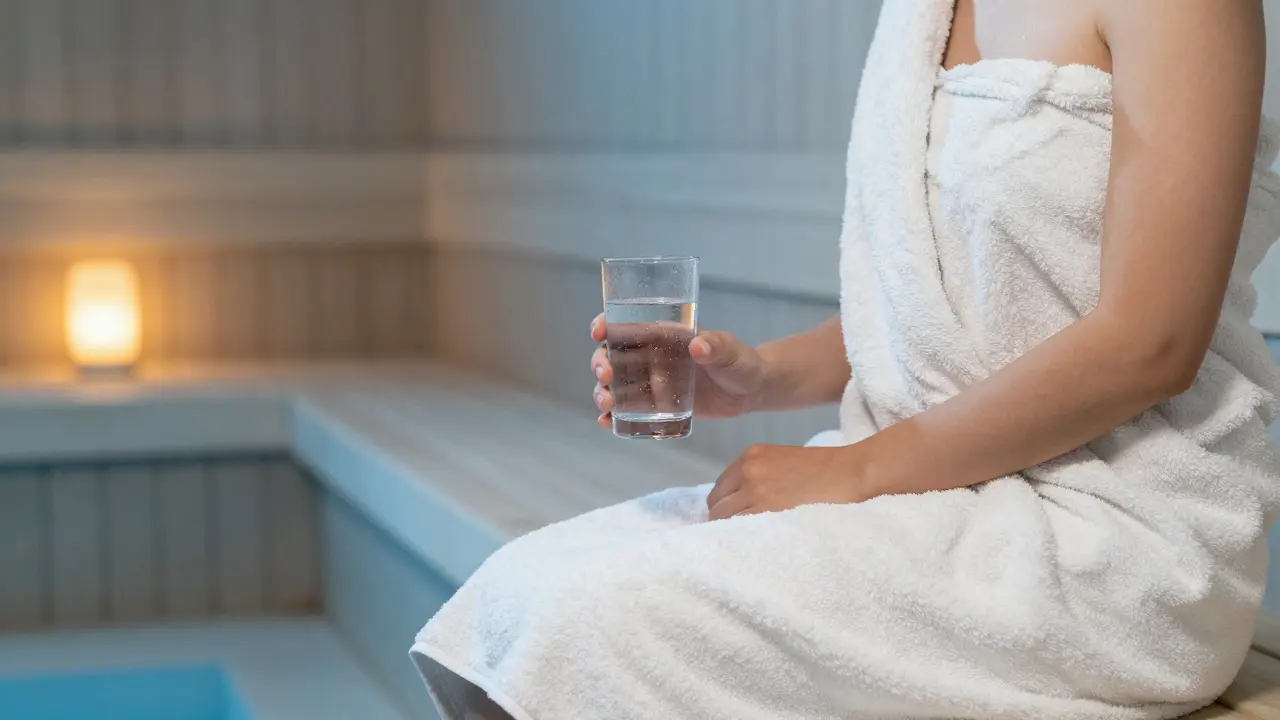
Hydrate Before You Go: You will lose a lot of fluid through sweat. Drink at least 500ml of water an hour before your session. Bring a bottle with you.
What to Wear: Most traditional hammams require nudity under a towel. Modern, tourist-friendly spas may allow swimsuits or provide disposable underwear. Check the policy beforehand. Always bring a large towel for wrapping yourself and a smaller one for drying off. Plastic slippers are essential-marble floors are slippery when wet.
Tipping: In Turkey and many Middle Eastern countries, tipping the attendant (temizci) is expected. A standard tip is 10-20% of the service cost, or a fixed amount depending on the establishment's luxury level. Cash is king here.
Timing Matters: Avoid going right after a heavy meal. Your body needs energy to digest food, and the heat can cause nausea. Wait at least two hours after eating. Also, don’t go if you are drunk or ill. The heat exacerbates dehydration and puts strain on your heart.
Finding the Right Hammam Near You
You don’t need to fly to Istanbul to experience a real hammam. Many cities now have authentic Turkish bathhouses. Look for places that emphasize the kese scrub and have separate men’s and women’s sections if that matters to you. Read reviews specifically mentioning the "scrub" quality. A bad scrub is too gentle; a good scrub leaves you feeling like a newborn baby.
When booking, ask about the duration. A proper hammam session takes at least 60-90 minutes. Anything shorter is likely a rushed, superficial treatment. Premium experiences may include additional treatments like hair washing, facial masks, or aromatherapy oils.
Common Mistakes to Avoid
Newcomers often make a few critical errors that ruin the experience:
- Staying Too Long in the Hot Room: Ten to fifteen minutes is enough. Pushing beyond that can lead to dizziness or fainting. Listen to your body.
- Skipping the Cool Down: Never rush out into the cold air immediately. Spend time in the cool room to let your heart rate normalize.
- Using Harsh Soaps Afterwards: After a deep scrub, your skin is sensitive. Use mild, moisturizing products for the next 24 hours. Avoid retinoids or strong acids.
- Ignoring Hygiene: While hammams are clean, shared surfaces can harbor bacteria. Wipe down the marble table with the provided disinfectant spray before lying down. It’s a small step that shows respect for the space and others.
The hammam is more than a bath; it is a reset button for your well-being. In a world that moves fast, taking an hour to sit in silence, let the heat work its magic, and emerge with renewed skin is a radical act of self-care. Whether you are seeking relief from joint pain, clearer skin, or just a moment of peace, the secrets of the hammam are waiting for you to discover them.
Is a hammam safe for pregnant women?
Generally, no. The high heat and humidity can raise your core body temperature, which poses risks during pregnancy, especially in the first trimester. Additionally, the slippery floors increase the risk of falls. Always consult your obstetrician before attempting any heat therapy during pregnancy.
How often should I visit a hammam?
For most people, once a week or every two weeks is ideal. Daily visits can strip your skin of natural oils, leading to irritation. If you have sensitive skin, limit vigorous scrubs to once a month and focus on the relaxation aspects more frequently.
Can I go to a hammam if I have open wounds?
No. Open cuts, scrapes, or recent tattoos should be fully healed before entering a hammam. The combination of hot water, soap, and friction from the kese glove can cause significant pain and increase the risk of infection.
What is the best time of day to visit?
Late afternoon or early evening is usually best. This allows you to relax after work and prepare for a good night's sleep. Avoid visiting immediately after a heavy lunch or dinner, as digestion competes with the body's response to heat.
Do I need to bring my own toiletries?
Most reputable hammams provide everything you need, including soap, shampoo, conditioner, and towels. However, bringing your own plastic slippers is highly recommended for hygiene reasons. Some luxury spas may offer premium organic product lines for an extra fee.
Is the hammam experience gender-segregated?
In traditional settings in Turkey and the Middle East, yes. Men and women usually have separate days or separate wings. In Western countries, many modern hammams are mixed-gender but provide private changing areas and robes/towels for modesty. Always check the specific venue's policy.