Thai Massage: The Ancient Art of Healing - Techniques, Benefits, and What to Expect
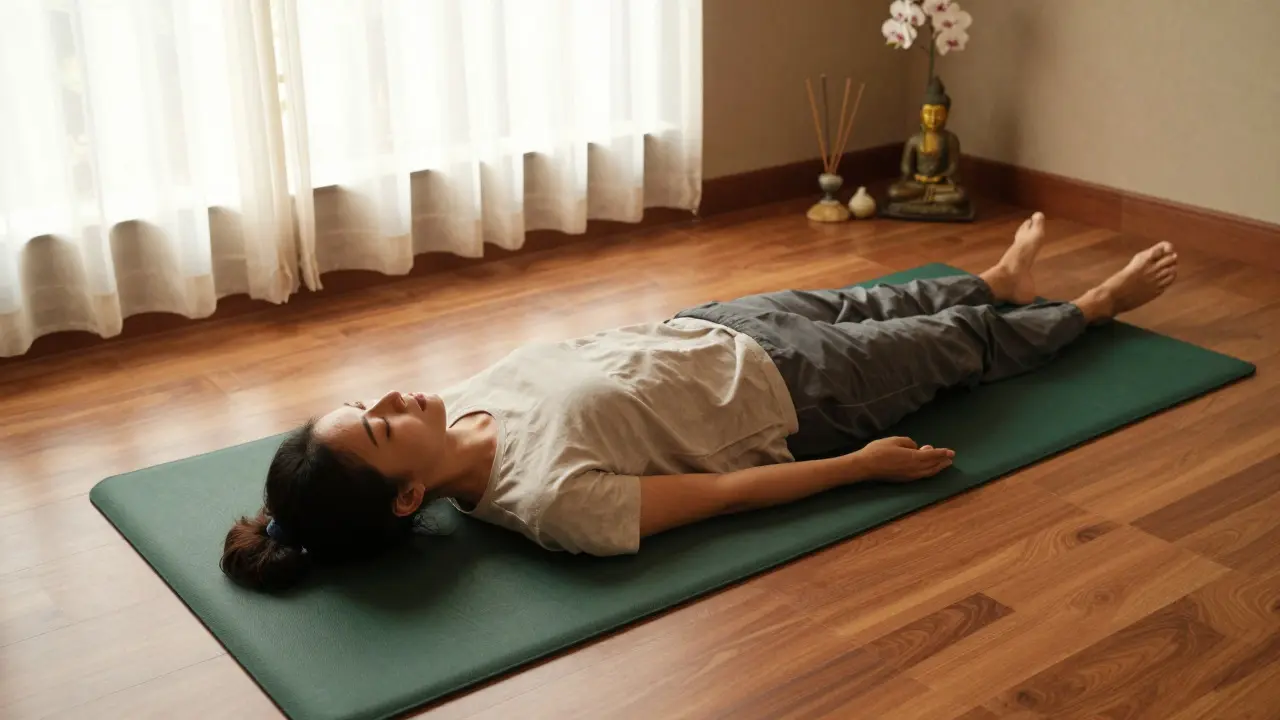
Picture this: you are lying on a firm mat on the floor, fully clothed. No oils. No lotions. Instead, a therapist uses their hands, thumbs, elbows, knees, and even feet to press into your muscles and guide your limbs through deep stretches. It feels less like a spa day and more like an assisted yoga session mixed with a deep tissue workout. This is Thai massage, a practice that has been healing bodies for over two thousand years.
If you have only ever experienced Western-style massages, where the goal is usually relaxation through gentle stroking, Thai massage might seem intense at first. But that intensity is exactly why people swear by it. It doesn't just relax you; it actively repairs stiffness, improves flexibility, and boosts energy levels. Let’s break down what makes this ancient art so effective, how it works, and whether it is right for you.
The Roots of Thai Massage
To understand Thai massage, you have to look back to its origins. Most historians trace the practice to India around 600 CE. A legendary physician named Jivaka Kumarabhaccha, who was said to be the personal doctor to Buddha, brought these healing techniques to Thailand. Over centuries, the method merged with local Thai beliefs about health and energy, evolving into what we know today as Nuad Boran, or "ancient massage."
In 2019, UNESCO recognized Thai massage as an Intangible Cultural Heritage of Humanity. This wasn't just a title; it acknowledged the deep cultural significance of the practice. Unlike many modern therapies that focus solely on muscle tissue, Thai massage views the body as a system of interconnected energy pathways. When these pathways are blocked, pain and illness follow. The therapist's job is to clear those blocks.
How It Works: The Sen Lines and Pressure Points
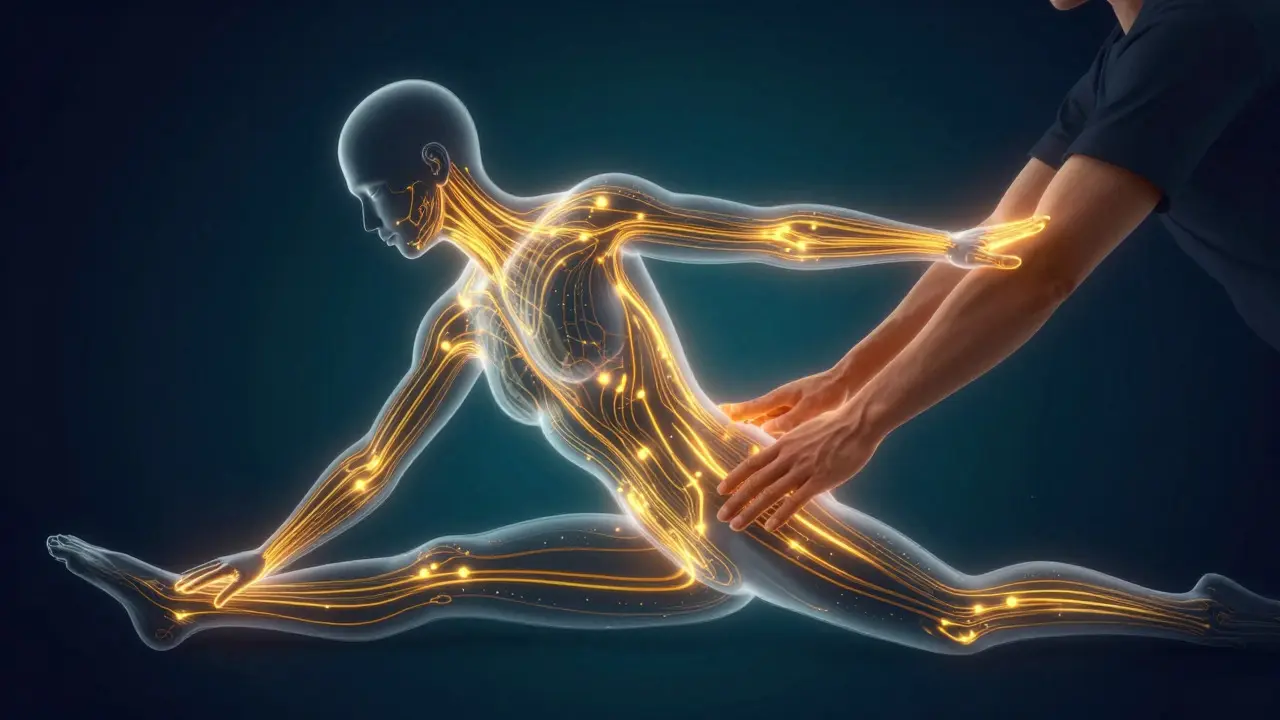
You don't need to be a mystic to benefit from Thai massage, but understanding the concept of Sen lines helps explain why the therapist moves you the way they do. Think of Sen lines like meridians in acupuncture. There are ten main Sen lines running through the body, carrying vital energy (or Prana). When these lines are congested, your body feels sluggish, stiff, or painful.
A skilled practitioner applies rhythmic compression along these lines. They use specific pressure points to release tension. Imagine pressing a knot in your shoulder and feeling the relief spread down your arm-that is the goal. The therapist isn't just working on the surface; they are targeting the root of the blockage. This approach requires precision. A good therapist knows exactly how much pressure to apply to stimulate circulation without causing injury.
The Session Experience: What to Expect
Walking into a Thai massage studio feels different from walking into a standard spa. You will likely find a low platform covered with a thick mat. You stay fully dressed in comfortable, loose-fitting clothes. Tight jeans or restrictive clothing won't work because you need room to move.
- Preparation: The therapist will ask about any injuries, chronic pain, or areas of concern. Honesty here is crucial. If you have a bad knee, tell them. They will adjust the stretches accordingly.
- The Opening: The session usually starts with gentle compressions on the back and legs to warm up the muscles. The rhythm is steady, often synchronized with your breathing.
- The Stretches: This is the core of the experience. The therapist will pull your arms overhead, twist your spine gently, and push your legs toward your chest. Some positions mimic yoga poses like the pigeon pose or child's pose. You should feel a stretch, not sharp pain.
- The Deep Work: As the session progresses, the therapist may use their elbows or knees to dig deeper into tight areas like the lower back or glutes. This part can be intense, but it releases deep-seated tension.
- The Closing: The session ends with lighter pressure and calming movements to help you reintegrate the energy flow. You might sit quietly for a few minutes before getting up.
Communication is key. If something hurts too much, say so. Thai massage is active, but it shouldn't be abusive. A good therapist will check in with you throughout the process.
Benefits Beyond Relaxation
People often think of massage as a luxury, but Thai massage offers tangible health benefits. Here is what regular sessions can do for you:
- Improved Flexibility: The passive stretching increases your range of motion. If you sit at a desk all day, your hips are probably tight. Thai massage opens them up.
- Pain Relief: By releasing tension in the muscles and joints, it can alleviate chronic back pain, neck pain, and headaches. Many athletes use it to recover from workouts.
- Better Circulation: The rhythmic pressing stimulates blood flow, which helps deliver oxygen and nutrients to tissues while removing waste products.
- Stress Reduction: While it is active, the mindful nature of the practice lowers cortisol levels. You leave feeling calm and centered, not just relaxed.
- Enhanced Energy: Unlike a heavy oil massage that might make you sleepy, Thai massage often leaves you feeling energized. Clearing the Sen lines removes stagnation, boosting your vitality.
Thai Massage vs. Other Styles
Not all massages are created equal. Choosing the right one depends on your goals. Here is how Thai massage compares to other popular styles:
| Feature | Thai Massage | Swedish Massage | Deep Tissue Massage |
|---|---|---|---|
| Clothing | Fully clothed | Nude/Sheet-covered | Nude/Sheet-covered |
| Oils/Lotions | None | Yes | Yes |
| Technique | Stretching, compression, acupressure | Long strokes, kneading | Slow strokes, deep pressure |
| Intensity | Moderate to High | Light to Moderate | High |
| Best For | Flexibility, energy, joint mobility | Relaxation, stress relief | Chronic muscle tension |
If you want to melt away after a long week, go for Swedish. If you have a specific knot in your trapezius that won't quit, try Deep Tissue. But if you feel stiff, sluggish, and need your body to move freely again, Thai massage is the clear winner.
Who Should Avoid Thai Massage?
While beneficial for most, Thai massage isn't for everyone. Because it involves vigorous movement and pressure, certain conditions require caution or avoidance:
- Pregnancy: Standard Thai massage can be too intense. Look for a specialist trained in prenatal Thai massage, which modifies the stretches and pressure.
- Recent Surgery or Injuries: Acute fractures, sprains, or post-surgical sites need time to heal. Stretching them prematurely can cause damage.
- Osteoporosis: Severe bone density loss makes bones fragile. The leverage used in Thai massage could potentially cause fractures. Consult a doctor first.
- Heart Conditions: The inversions and rapid position changes can affect blood pressure. Always get medical clearance if you have cardiovascular issues.
Finding a Qualified Practitioner
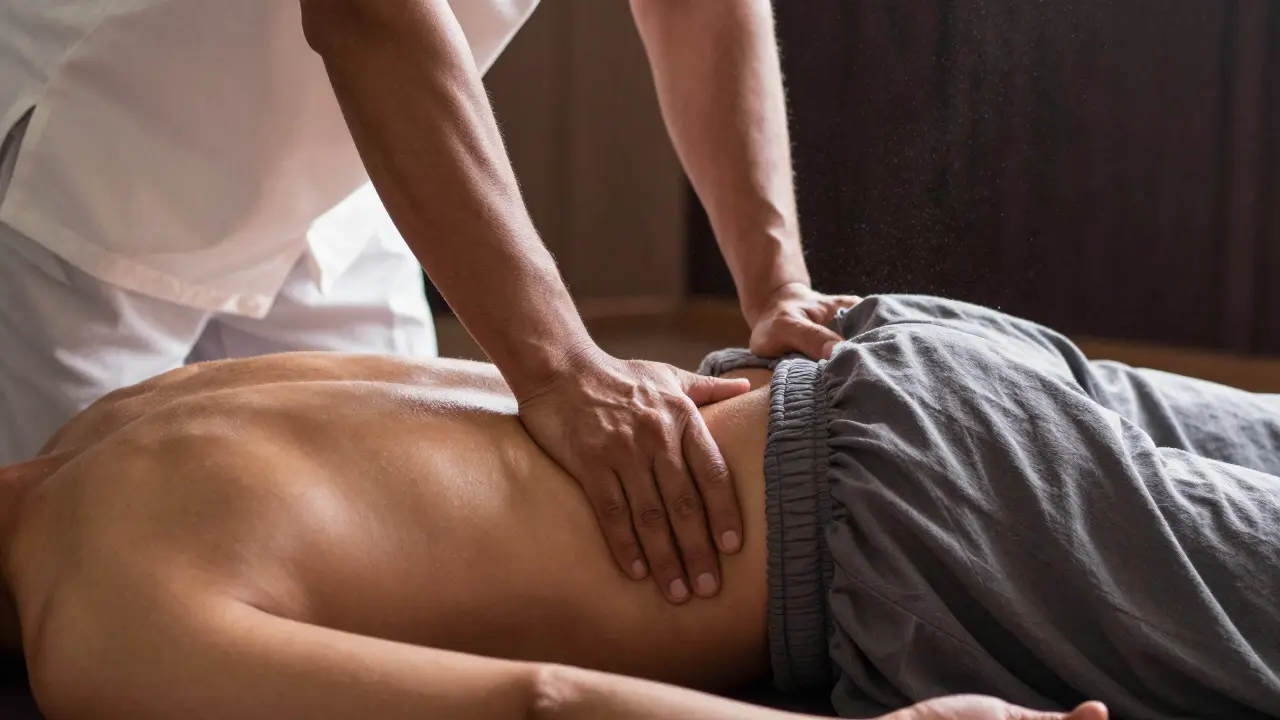
Because Thai massage is gaining popularity globally, quality varies. Not every spa offering "Thai massage" employs a certified expert. To ensure you get a safe and effective treatment, look for these credentials:
- Certification: Reputable therapists train at established schools in Thailand, such as Wat Pho or Mahakam. Ask to see their certificate.
- Experience: How long have they been practicing? Thai massage takes years to master. A therapist with five years of experience will handle your body differently than someone who took a weekend course.
- Hygiene: The mat should be clean, and the therapist should wash their hands before starting. Since you are sharing a mat, cleanliness is non-negotiable.
Don't be afraid to ask questions during the booking process. A confident therapist will welcome your curiosity.
Tips for Your First Session
Preparing properly ensures you get the most out of your Thai massage. Here are some practical tips:
- Wear Comfortable Clothes: Yoga pants and a t-shirt are ideal. Avoid buttons, zippers, or anything that digs into your skin when stretched.
- Stay Hydrated: Drink water before and after the session. The movement releases toxins from your muscles, and hydration helps flush them out.
- Eat Lightly: Don't go on a full stomach. A heavy meal can make you feel nauseous during the twisting and compressions. A light snack is fine.
- Arrive Early: Give yourself ten minutes to settle in. Deep breathing before the session starts helps you relax into the stretches.
- Communicate: Use a simple scale of 1-10 for pressure. If a stretch feels wrong, speak up immediately. Silence is not golden here.
Integrating Thai Massage into Your Wellness Routine
You don't need to wait for a crisis to try Thai massage. Making it a regular part of your health routine can prevent issues before they start. Many people find that monthly sessions keep their bodies aligned and flexible. If you have a physically demanding job or sport, bi-weekly sessions might be more appropriate.
You can also incorporate elements of Thai self-massage into your daily life. Simple stretches inspired by Thai techniques, like pulling your arms across your chest or twisting your torso, can relieve minor tension throughout the day. Apps and online videos offer guided self-massage routines based on Sen line theory. While not a replacement for a professional session, they help maintain the benefits between visits.
Does Thai massage hurt?
It can feel intense, especially if you are stiff or new to deep stretching. You should feel a strong stretch and pressure, but not sharp or stabbing pain. Communicate with your therapist to adjust the intensity. Discomfort is normal; agony is not.
Do I need to wear underwear during Thai massage?
Yes, since you remain fully clothed, wearing underwear is recommended for comfort and modesty. Loose, breathable fabrics are best to allow for free movement during stretches.
How long does a typical Thai massage session last?
Most sessions range from 60 to 120 minutes. A 90-minute session is considered standard, allowing enough time to cover the entire body thoroughly without rushing.
Can Thai massage help with sciatica?
Yes, many people find relief from sciatica through Thai massage. The stretches open the hips and lower back, relieving pressure on the sciatic nerve. However, consult your doctor first to ensure the stretches are safe for your specific condition.
Is Thai massage suitable for beginners?
Absolutely. Therapists are trained to adjust the pressure and depth of stretches based on your flexibility level. Just let them know you are new to the practice, and they will ease you into it gradually.
What should I avoid doing after a Thai massage?
Avoid strenuous exercise or heavy lifting for 24 hours. Your muscles have been worked deeply and need time to recover. Also, avoid cold showers immediately after, as warm water helps maintain the relaxation and circulation benefits.
How much does a Thai massage cost?
Prices vary by location and therapist expertise. In major cities, expect to pay between $80 and $150 for a 90-minute session. In Thailand, prices are significantly lower, ranging from $10 to $30 depending on the venue.