Cupping Therapy: How This Ancient Technique Treats Modern Pain and Stress
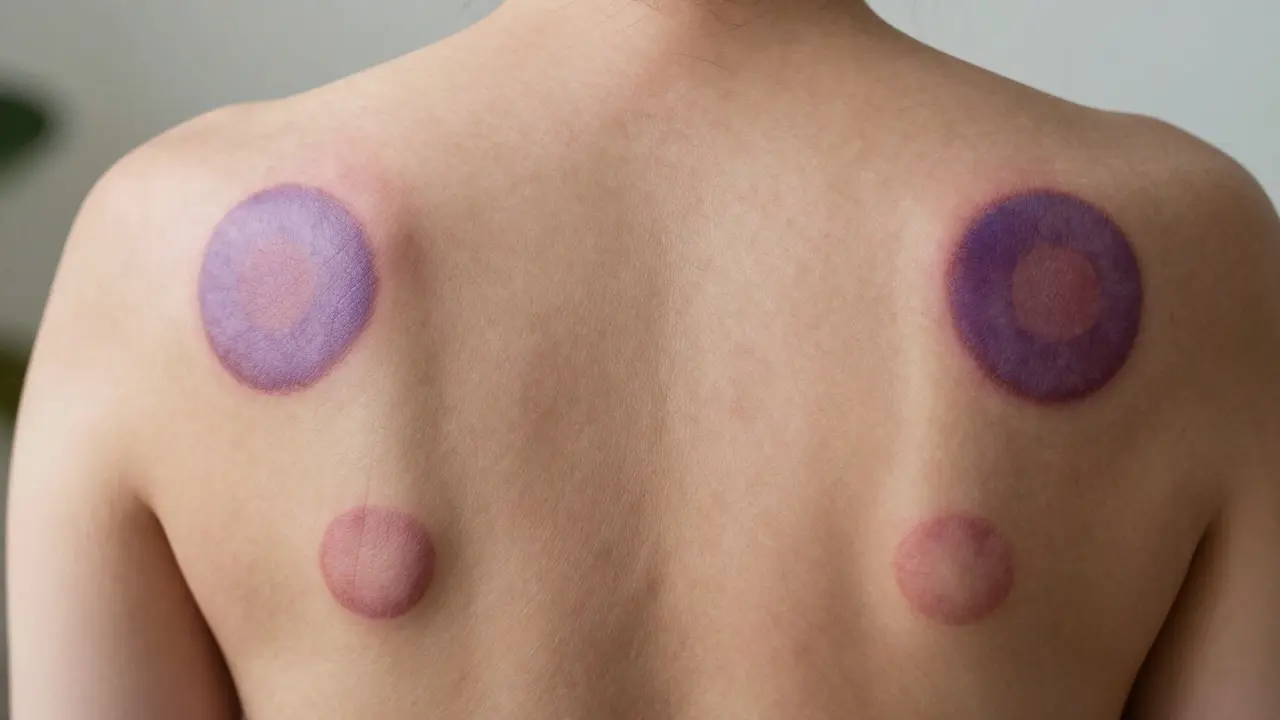
You’ve probably seen those round, purple marks on athletes or celebrities and wondered if they were bruises from a fight. They aren’t. Those are the signature marks of cupping therapy, an ancient healing practice that is making a serious comeback in modern wellness circles. It’s not just for Olympic swimmers anymore; regular people are turning to it for back pain, headaches, and even stress relief.
If you’re curious about what all the buzz is about, you’re in the right place. We’ll break down exactly how this works, whether it hurts, and why your muscles might feel like jelly afterward. Let’s get straight into the suction science.
What Exactly Is Cupping Therapy?
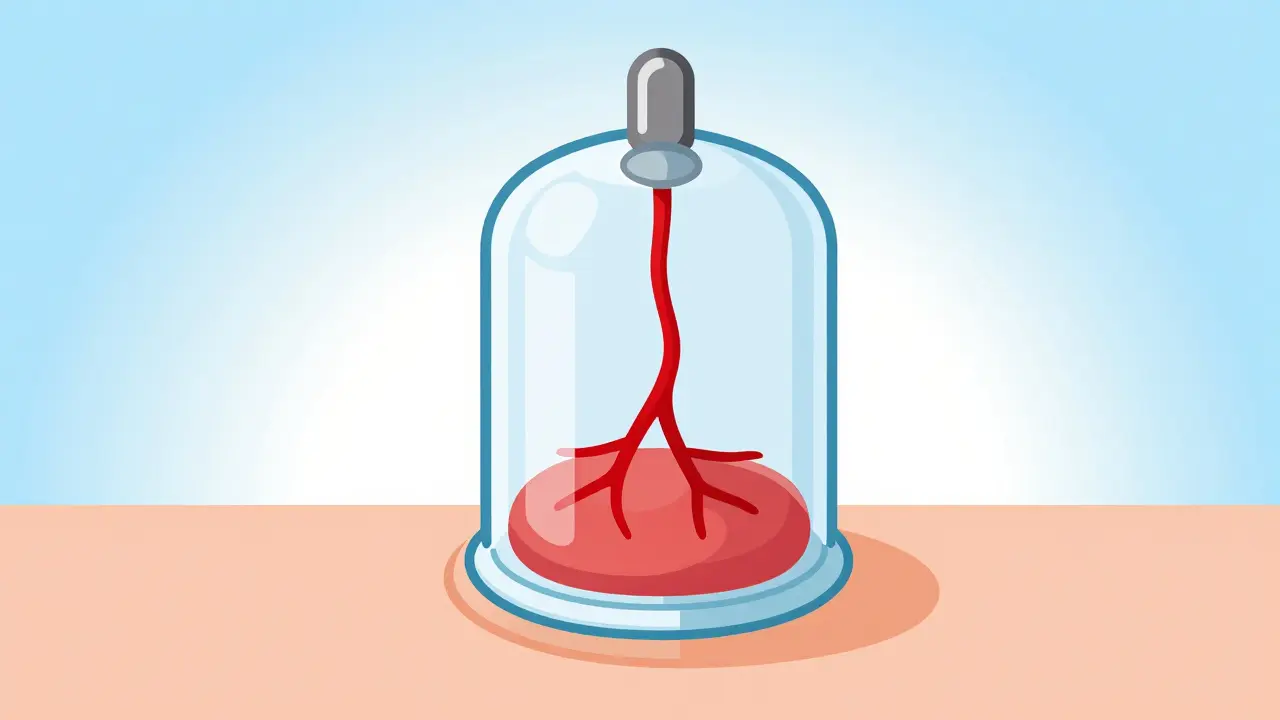
Cupping therapy is a form of alternative medicine where a therapist puts special cups on your skin for a few minutes to create suction. Think of it as a reverse massage. Instead of pushing into the tissue, the therapist pulls the tissue upward. This creates negative pressure that lifts the skin and underlying muscle fascia.
The goal isn’t to look good-those dark red or purple circles (called "sha" in Traditional Chinese Medicine) can be quite alarming at first glance. The goal is to improve blood flow, reduce inflammation, and relieve tension in tight muscles. While it has roots in ancient Egypt, China, and the Middle East, it’s now a staple in many sports medicine clinics and holistic health centers across Australia and beyond.
Dry vs. Wet Cupping: What’s the Difference?
Not all cupping is created equal. There are two main types you’ll encounter, and knowing the difference helps manage your expectations.
| Feature | Dry Cupping | Wet Cupping (Hijama) |
|---|---|---|
| Method | Suction only | Suction followed by minor skin puncture and blood removal |
| Pain Level | Mild discomfort/tightness | Moderate (due to needle prick) |
| Best For | Muscle tension, circulation, relaxation | Toxin removal, specific inflammatory conditions |
| Aftercare | Hydration, avoid cold showers | Keep wounds clean, avoid swimming/sweating for 24-48 hours |
Dry cupping is the most common type found in Western clinics. The therapist uses a pump to remove air from the cup, creating the vacuum. You’ll feel a pulling sensation, but it shouldn’t be painful. Wet cupping, often associated with traditional Islamic medicine (Hijama), involves a small sterile needle prick after the initial suction to draw out a small amount of blood. This is believed to remove "stagnant" blood and toxins. If you’re new to the practice, start with dry cupping.
How Does the Suction Actually Help Your Body?
It sounds counterintuitive. Why would pulling your skin up help a sore lower back? The mechanism comes down to physiology. When the cup creates negative pressure, it draws fresh blood into the area. This increased circulation brings oxygen and nutrients to tissues that might be starved due to poor blood flow or chronic tension.
Here’s what happens under the hood:
- Fascia Release: The connective tissue wrapping your muscles (fascia) can get stuck together due to injury or repetitive strain. The suction separates these layers, allowing them to glide smoothly again.
- Lymphatic Drainage: The pull encourages lymph fluid movement, helping your body flush out waste products more efficiently.
- Gate Control Theory: The intense sensation of the cup can override pain signals sent to the brain, providing temporary relief from chronic pain.
Many patients report feeling lighter, looser, and less stiff immediately after a session. It’s similar to the feeling after a deep tissue massage, but without the bruising-like tenderness that often follows manual therapy.
What Conditions Can Cupping Treat?
Cupping isn’t a cure-all, but it’s highly effective for specific issues. In Brisbane and globally, practitioners use it for:
- Musculoskeletal Pain: Lower back pain, neck stiffness, and shoulder tension respond well to localized suction.
- Athletic Recovery: Runners and weightlifters use it to speed up recovery between intense training sessions.
- Migraines and Headaches: Cups placed on the upper back and neck can relieve tension headaches.
- Anxiety and Stress: The parasympathetic nervous system response triggered by the treatment can promote deep relaxation.
- Skin Issues: Some studies suggest benefits for acne and cellulite due to improved circulation, though results vary.
If you have fibromyalgia or chronic fatigue syndrome, cupping may offer symptomatic relief, but it should be part of a broader management plan. Always consult your doctor before trying it if you have underlying health conditions.
What to Expect During Your First Session
Walking into a clinic for cupping can feel intimidating, especially if you’ve never seen it done. Here’s a step-by-step breakdown of what usually happens.
- Consultation: A good therapist will ask about your pain points, medical history, and goals. They’ll determine if cupping is safe for you.
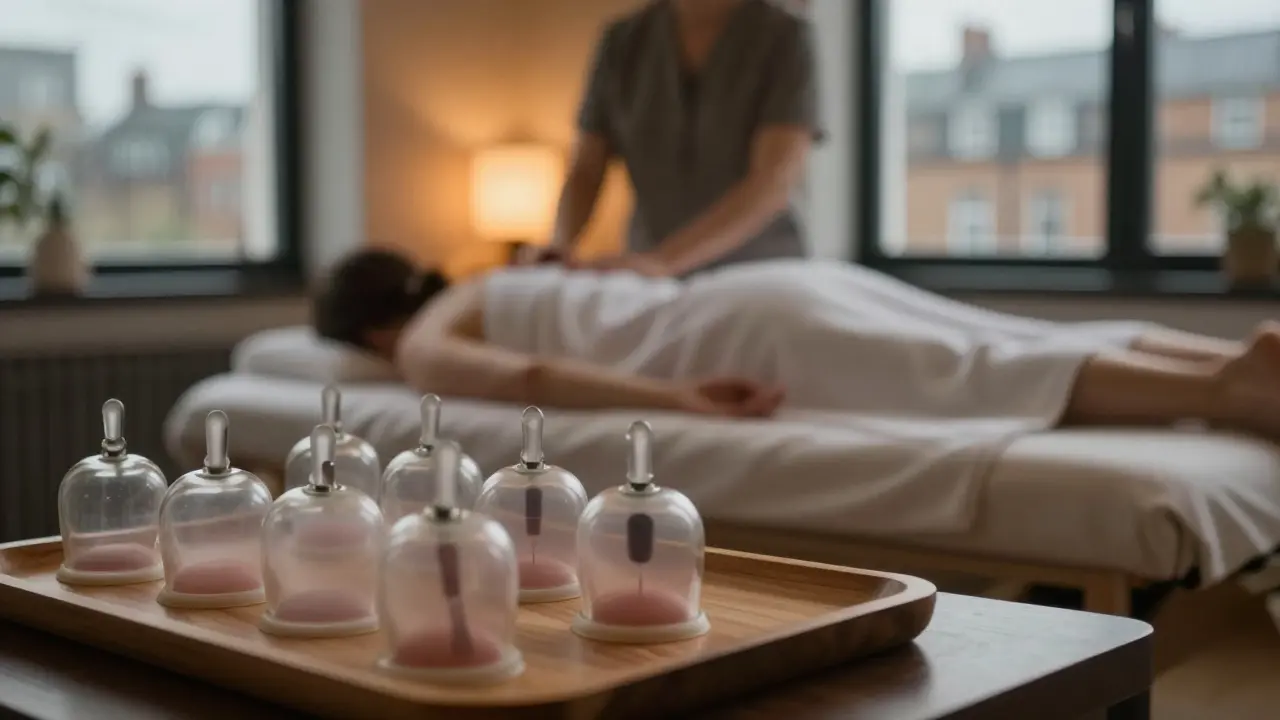
- Positioning: You’ll lie face down, face up, or sit depending on where the cups need to go. Most sessions target the back, shoulders, or legs.
- Application: The therapist cleans the skin with alcohol. They then place silicone or glass cups on the skin. Using a hand pump or flame (for fire cupping), they create suction. You’ll feel a strong pull, like a gentle stretch.
- Duration: Cups typically stay on for 5 to 15 minutes. Some therapists use "moving cupping," where oil is applied, and the cups are glided over the skin like a massage.
- Removal: The therapist releases the air, and the cups pop off. You’ll see circular marks ranging from pink to deep purple.
The marks aren’t bruises in the traditional sense. They’re petechiae-tiny broken capillaries caused by the suction. They usually fade within 3 to 7 days. Darker marks often indicate more stagnation or tension in that area, according to practitioners.
Is Cupping Safe? Risks and Contraindications
Cupping is generally safe when performed by a trained professional. However, it’s not for everyone. You should avoid it if you:
- Have bleeding disorders or take blood thinners (like Warfarin).
- Have open wounds, rashes, or sunburns in the treatment area.
- Are pregnant (especially on the abdomen and lower back).
- Have severe edema or heart failure.
Risks include burns (if fire cupping is used incorrectly), infection (if equipment isn’t sterile), and dizziness. Always ensure your practitioner uses single-use disposable cups or properly sterilized glass cups. In Australia, look for therapists registered with the Australian Natural Therapists Association (ANTA) or similar bodies.
Home Cupping: DIY or Professional Only?
With silicone cups available online for cheap, you might be tempted to try this at home. It’s possible, but there are caveats. Home cupping is best for mild maintenance, not for treating acute pain or deep tissue issues.
If you do try it:
- Use only soft silicone cups designed for home use.
- Never leave cups on for more than 10 minutes.
- Avoid the spine directly; stick to large muscle groups like thighs or calves.
- Stop immediately if you feel sharp pain, numbness, or tingling.
For deeper therapeutic benefits, professional guidance is worth the investment. A therapist knows exactly where to place cups to avoid nerves and major blood vessels.
Post-Treatment Care: Maximizing the Benefits
What you do after the session matters just as much as the treatment itself. To get the most out of your cupping:
- Drink Water: Hydration helps flush out toxins released during the session. Aim for 2-3 liters of water over the next 24 hours.
- Stay Warm: Avoid cold showers, air conditioning, or swimming for at least 24 hours. Cold constricts blood vessels, undoing the circulatory benefits.
- Rest: You might feel tired or relaxed. Listen to your body and avoid intense exercise for the rest of the day.
- Don’t Scrub: Be gentle with the marked areas in the shower. Hot water and vigorous scrubbing can irritate the skin.
Frequently Asked Questions
Does cupping therapy hurt?
Most people describe the sensation as a firm, stretching pull rather than pain. It feels similar to a deep tissue massage but focused on lifting rather than pressing. Wet cupping involves a quick needle prick, which causes brief stinging, but the overall experience is manageable for most.
How long do the cupping marks last?
The circular marks typically last between 3 to 7 days. Lighter pink marks may fade in a day or two, while darker purple or blackish marks can take up to a week. They are not bruises and do not indicate damage to the muscle tissue.
Can I get cupping if I have sensitive skin?
Yes, but you should inform your therapist. They can use softer suction or shorter durations to minimize skin irritation. Silicone cups are often gentler than glass ones. If you have a condition like eczema or psoriasis, avoid placing cups directly on affected areas.
How often should I get cupping therapy?
For acute pain, weekly sessions for 2-4 weeks may be recommended. For maintenance or general wellness, once every 2-4 weeks is sufficient. Never cup over the same marks until they have completely faded, as this can damage the skin.
Is cupping covered by insurance?
Coverage varies widely. In some regions, private health insurance may cover cupping if prescribed by a doctor for musculoskeletal conditions. In Australia, Medicare does not typically cover alternative therapies unless part of a specific chronic disease management plan. Check with your provider beforehand.
Can I exercise after cupping?
Light walking is fine, but avoid intense workouts, heavy lifting, or high-impact activities for 24 hours. Your muscles are relaxed and vulnerable, and strenuous activity could lead to strain or reduced effectiveness of the treatment.
Why are my cupping marks so dark?
Dark marks indicate areas of significant stagnation, poor circulation, or high muscle tension. In Traditional Chinese Medicine, this is seen as "blood stasis." It doesn’t mean something is wrong with your health, but rather that those areas needed the most attention.