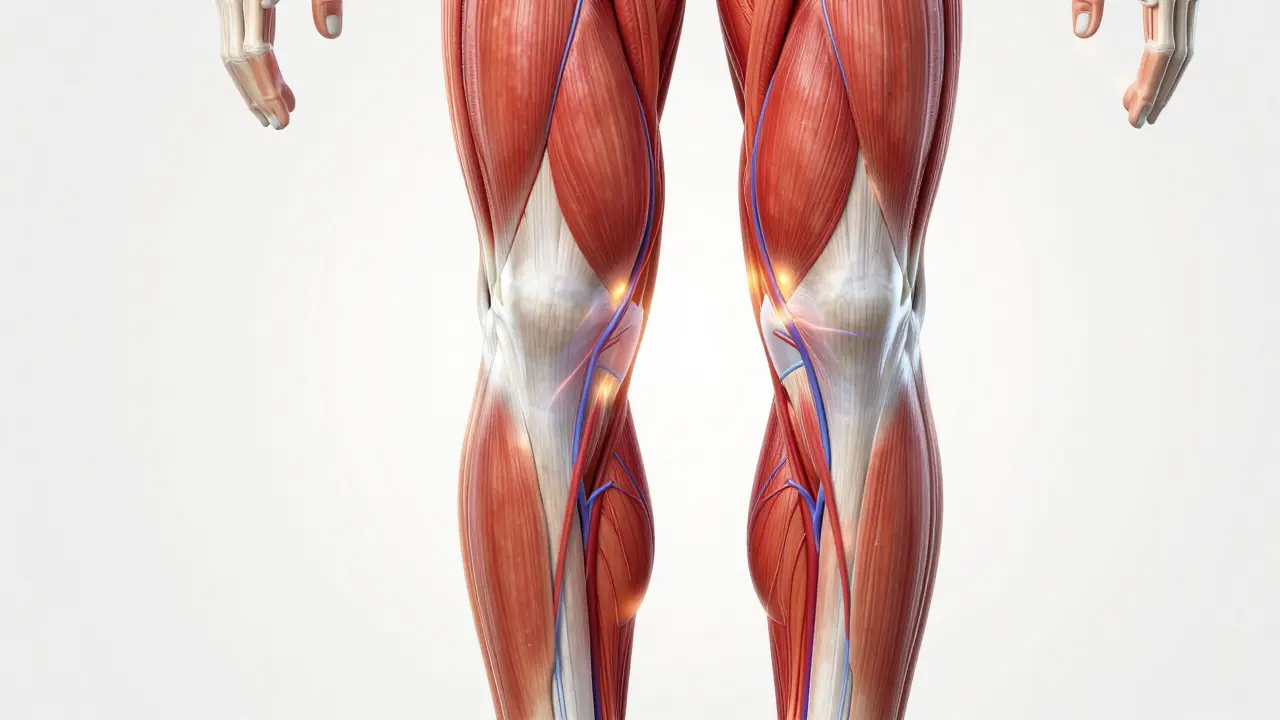
Myofascial Release Therapy: What You Need to Know
Got tight muscles that just won’t quit? Myofascial release therapy might be the game-changer you're looking for. Unlike traditional massage, this therapy focuses on the fascia—the connective tissue that wraps around muscles and organs. When fascia gets tight or stuck, it can cause pain, restricted movement, and discomfort.
Myofascial release works by applying gentle, sustained pressure to those tight spots, encouraging the fascia to loosen up and allowing better blood flow. This helps muscles relax and eases chronic pain that regular massages sometimes miss. If you’ve tried stretching or massage without lasting relief, this therapy targets the root cause, not just the symptoms.
How Does Myofascial Release Feel and Work?
Sessions usually involve slow, focused pressure on specific areas—not the usual rub-and-knead you'd expect from a classic massage. You might feel some pulling or mild discomfort but nothing sharp or painful. The release can happen quickly or take several sessions depending on how tight your fascia is. The goal is to improve flexibility, reduce pain, and restore your body's natural range of motion.
Many people notice better posture and less tension around their neck, back, or shoulders after a few visits. This therapy also helps with headaches, joint pain, and sports injuries linked to tight fascia. Plus, it’s effective for both acute injuries and long-term chronic pain.
What Should You Know Before Trying It?
Not all therapists practice myofascial release the same way, so look for someone trained specifically in this technique. It's safe for most people, but if you have certain conditions like deep vein thrombosis or severe osteoporosis, check with a doctor first. Your therapist will listen to your pain points and adjust pressure accordingly.
After treatment, some soreness is normal, but it should fade quickly. Drinking water helps flush out toxins released during the therapy. Don’t expect instant miracles—consistent sessions over weeks usually deliver the best results.
Got stubborn muscle pain? Myofascial release therapy digs deeper than regular massage to ease tight fascia, improve movement, and soothe discomfort. It's a straightforward solution worth trying if your muscles need real relief.
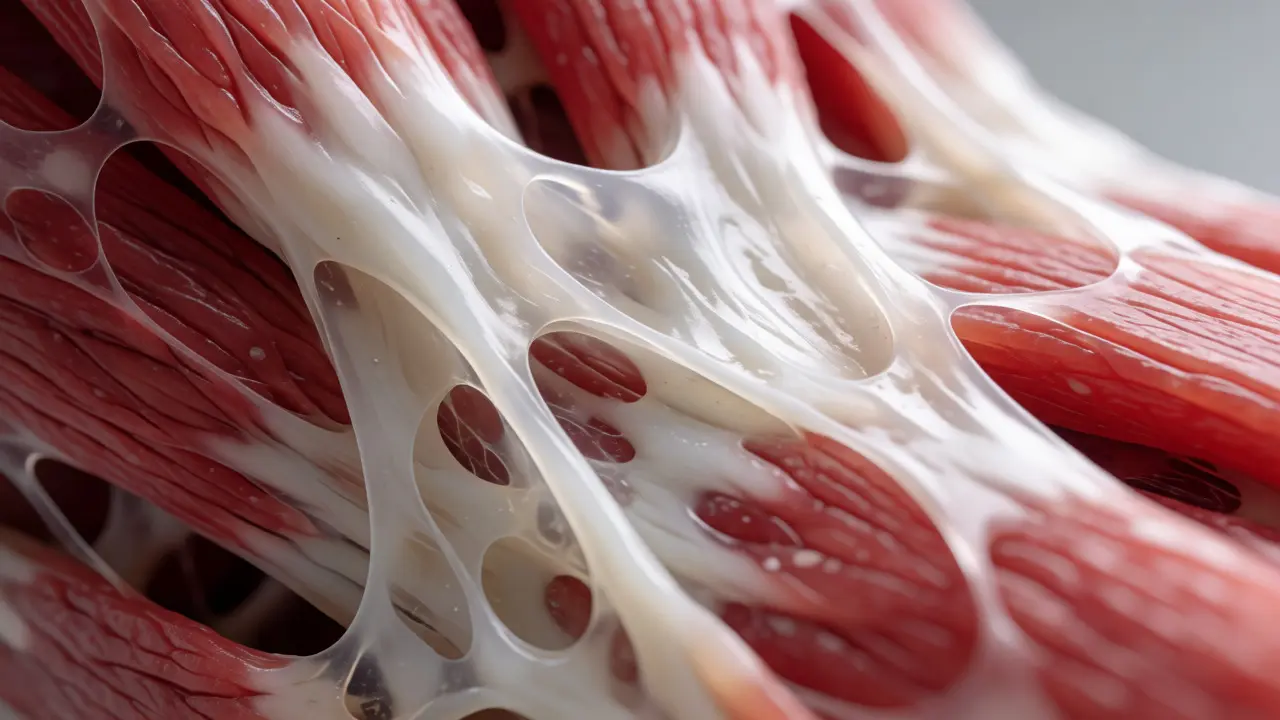
Mastering Myofascial Release Therapy: A Practical Guide
Discover how myofascial release therapy targets fascia to relieve chronic pain. Learn practical tools, step-by-step routines, and safety tips for effective self-care.

Myofascial Release Therapy: How It Works for Chronic Pain
Discover how myofascial release therapy targets deep connective tissue to relieve chronic pain. Learn what to expect, who benefits, and how it compares to other massages.
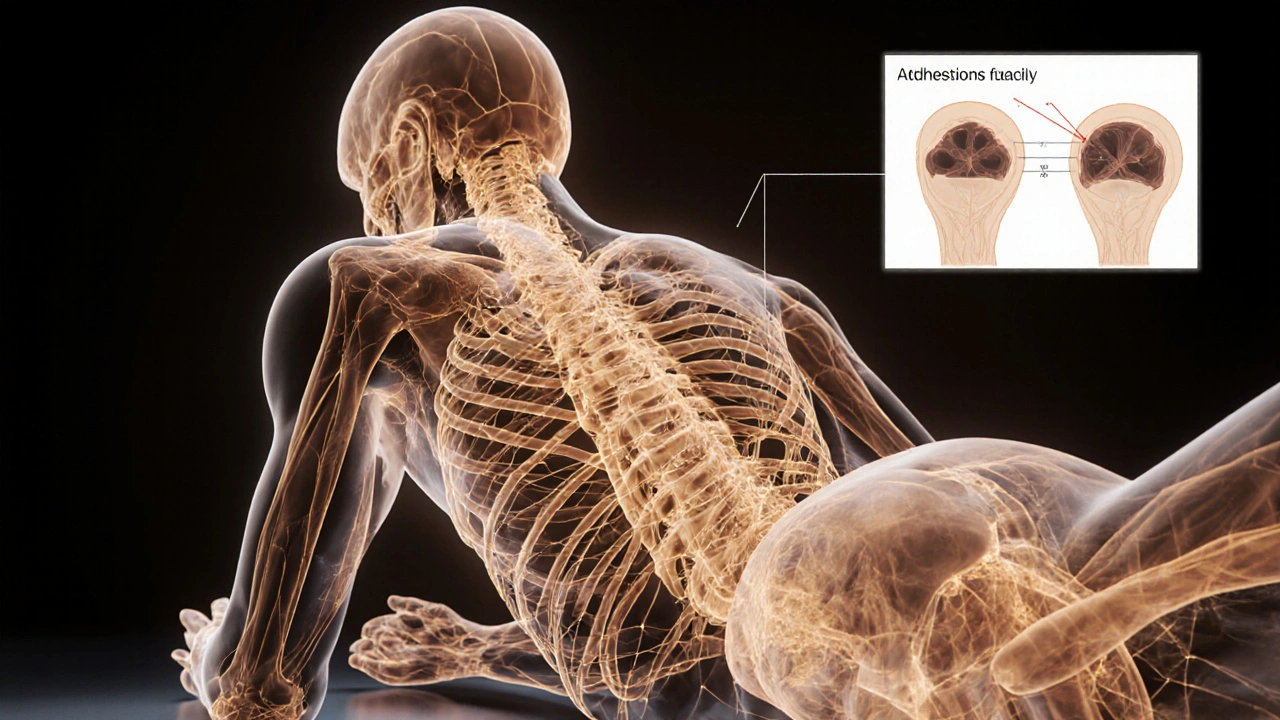
Myofascial Release Therapy: Benefits, Techniques & How It Works
Discover how myofascial release therapy works, its key benefits, techniques, and who can benefit. Learn to choose a practitioner and simple at‑home tips for lasting relief.