
Mastering Myofascial Release Therapy: A Practical Guide
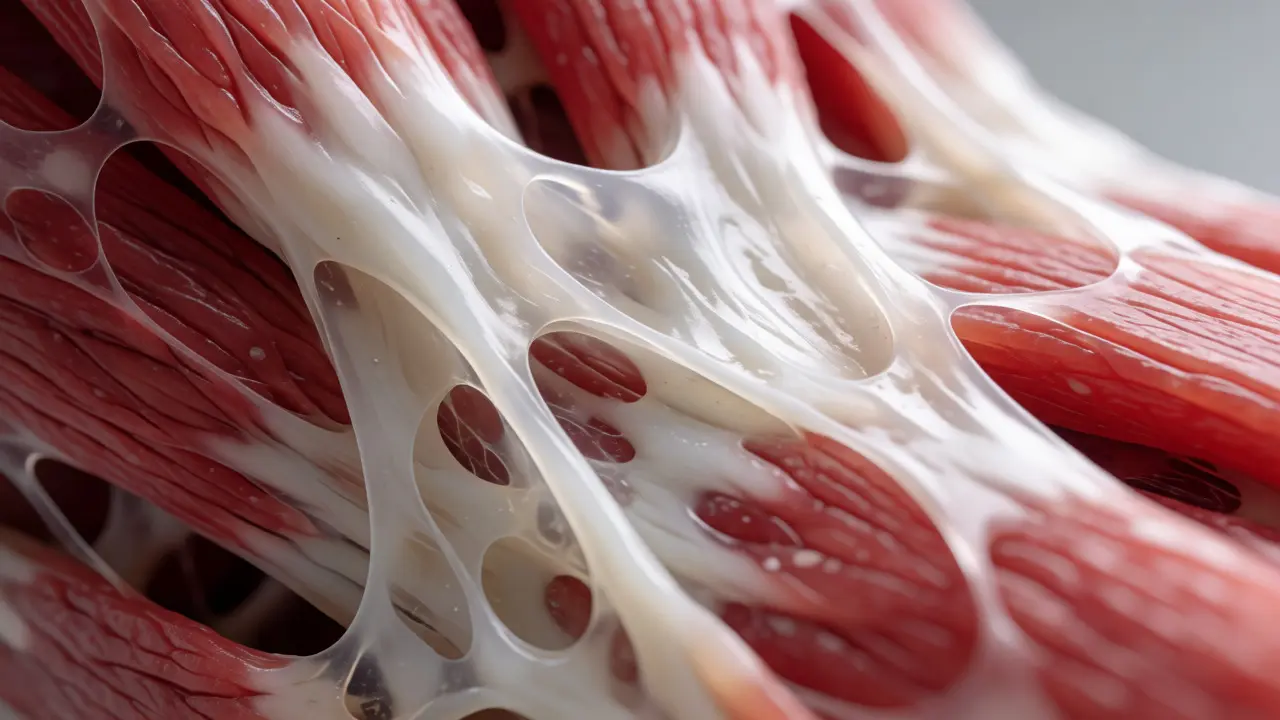
You wake up with a stiff neck that won't quit. You've stretched, you've taken ibuprofen, and you've tried ignoring it, but the tightness persists like an unwelcome guest overstaying its welcome. This isn't just "tight muscles." It's likely your fascia a network of connective tissue surrounding muscles, bones, nerves, and organs. When this web gets stuck or thickened, it restricts movement and causes pain far from the source. Enter Myofascial Release Therapy a manual therapy technique used to relieve tension in the fascia. It sounds complex, but mastering the basics can change how you handle pain forever.
Think of your body not as separate parts, but as one continuous suit. If you pull the collar of that suit, the hem shifts at the bottom. That is exactly how fascia works. Traditional massage often focuses on muscle fibers, rubbing them until they relax. But if the wrapping around those fibers is rigid, relaxing the muscle doesn't solve the problem. You need to address the wrapper. Here is how you can understand, apply, and benefit from myofascial release without needing a decade of training.
What Exactly Is Fascia and Why Does It Hurt?
Fascia is everywhere. It is the white, silky stuff you see when you look at raw chicken breast. In humans, it surrounds every cell, bundles muscle fibers together, and connects everything from head to toe. Healthy fascia is slippery, allowing tissues to glide smoothly against each other. Think of it as oil in an engine.
But life happens. Injury, poor posture, lack of movement, or even emotional stress can cause fascia to lose water content and become sticky. This process is called fibrosis. Instead of sliding, layers glue together. This creates adhesions, or "knots," that pull on distant areas. Your lower back might hurt because your gluteal fascia is stuck, pulling on your lumbar spine. The pain is real, but the source is structural restriction, not just inflammation.
Understanding this distinction saves money and time. If you keep treating symptoms (pain) rather than causes (restriction), you end up chasing your tail. Myofascial release targets these restrictions directly by applying sustained pressure to stretch and hydrate the tissue.
The Core Principles of Effective Release
It is not about how hard you press. In fact, pressing too hard triggers a protective reflex in your nervous system, causing muscles to tighten further. This is counterproductive. Effective myofascial release relies on three key principles:
- Sustained Pressure: Quick rubs don't work. You need to hold pressure for 30 to 90 seconds. This gives the collagen fibers time to reorganize.
- Slow Movement: Move slowly. Fast movements trigger the stretch reflex. Slow movements bypass it, allowing deeper penetration into the tissue.
- Breath Integration: Deep breathing signals safety to your parasympathetic nervous system. Exhale as you sink into the tension.
Imagine trying to mold warm clay. You don't slam it; you press gently and wait. Same goes for fascia. You are looking for a barrier-a point where movement stops. Once you hit that barrier, stay there. Wait for the tissue to melt under your hands. You might feel a slight warmth or tingling. That is the sign of successful release.
Tools of the Trade: Hands vs. Gadgets
You do not always need a therapist. While professionals have trained hands and anatomical knowledge, you can maintain progress at home. However, choosing the right tool matters. Using the wrong one can bruise tissue instead of releasing it.
| Tool Type | Best For | Intensity Level | Risk Factor |
|---|---|---|---|
| Foam Roller | Large muscle groups (quads, lats) | Moderate | Low if used correctly |
| Tennis/Lacrosse Ball | Small, specific spots (glutes, feet) | High | Medium (can bruise bone) |
| Theracane/Cane Hook | Hard-to-reach areas (shoulders, upper back) | Adjustable | Low |
| Professional Hands | Complex patterns, visceral fascia | Variable | Very Low |
Foam rollers are great for broad areas. They provide uniform pressure. But they lack precision. If you have a tiny knot in your shoulder blade, a roller will miss it or crush the surrounding healthy tissue. Balls offer pinpoint accuracy. Place the ball between your body and a wall or floor. Lean into it until you find tenderness, then stop. Do not roll aggressively. Roll only to find the spot, then hold.
A common mistake in Melbourne gyms is people rolling their IT bands vigorously. Current research suggests the IT band is actually a tendon-like structure, not true fascia, so rolling it rarely changes length. It mostly desensitizes the nerve endings. If it feels good, fine. But do not expect structural change. Focus more on the tensor fasciae latae muscle above the hip, which actually attaches to the IT band.

Step-by-Step Routine for Common Pain Points
Let us get practical. Here are three simple routines for the most common complaint areas. Perform these daily for best results.
1. Plantar Fasciitis Relief
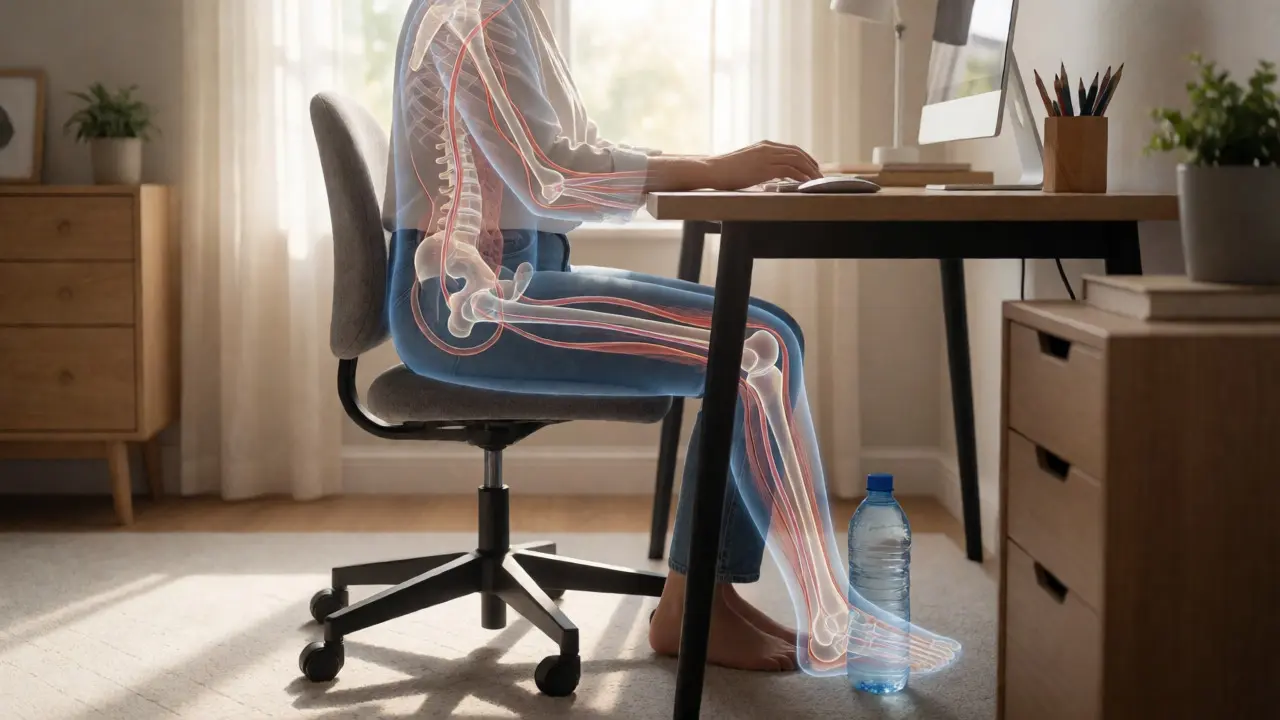
If you stand all day, your foot arches take a beating. Sit on a chair and place a frozen water bottle or golf ball under your foot. Roll gently from heel to toe. Find the tender spot in the arch. Hold the pressure for 60 seconds while wiggling your toes. This breaks up adhesions in the plantar fascia and reduces morning stiffness.
2. Upper Trapezius Tension
Stress lives in your shoulders. Use a lacrosse ball. Stand with your back to a wall. Place the ball between your upper trap (the meaty part near your neck) and the wall. Lean into it. Do not shrug your shoulder. Let the weight of your body press the ball into the tissue. Breathe deeply. After 90 seconds, move slightly to a new spot. Avoid the bony prominence of the spine.
3. Gluteal Tightness
Sitting shortens hip flexors and tightens glutes. Lie on your back. Place a tennis ball under one buttock, near the hip joint (not the tailbone). Cross the ankle of the working leg over the opposite knee. Gently rock side to side. You will likely feel intense discomfort. Stay within a tolerable range. This releases the piriformis and deep rotators, often relieving sciatic-like pain.
When to Seek Professional Help
Self-release is maintenance. It keeps things moving. But sometimes, you need an expert. See a licensed physiotherapist or certified myofascial practitioner if:
- Pain radiates down your arm or leg with numbness or tingling.
- You experience sharp, electric-shock sensations.
- Home remedies worsen the pain after two weeks.
- You have a history of osteoporosis or blood clotting disorders.
Professionals use techniques beyond simple pressure. They assess global posture lines and treat visceral fascia-the layers surrounding your organs. Constipation, for example, can be linked to restricted abdominal fascia. A therapist can mobilize these internal structures in ways you cannot reach alone.
Common Pitfalls to Avoid
Enthusiasm can lead to injury. Here are mistakes I see frequently in clinics and online forums:
Rolling over bones. Never put direct heavy pressure on the spine, knees, or elbows. Soft tissue absorbs pressure; bone does not. You risk periosteal irritation, which hurts worse than muscle pain.
Holding your breath. It is tempting to brace yourself when it hurts. But bracing increases tension. Force yourself to exhale long and slow. This lowers your heart rate and allows the tissue to yield.
Ignoring hydration. Fascia needs water to slide. Dehydrated fascia is like dried-out leather-stiff and brittle. Drink water before and after sessions. Electrolytes help too. If your urine is dark yellow, your fascia is thirsty.
Expecting instant fixes. Chronic restrictions took months or years to form. They will not disappear in five minutes. Consistency beats intensity. Ten minutes daily is better than an hour once a week.
Integrating Release into Daily Life
You do not need a dedicated gym session for this. Make it micro-habits. Keep a tennis ball under your desk. Roll your feet while answering emails. Use a doorframe stretch for your chest fascia during phone calls. These small interventions prevent adhesions from forming in the first place.
Consider pairing release with gentle yoga or mobility flows. After releasing a tight area, immediately move through a full range of motion. This teaches your nervous system that the new space is safe. Without movement integration, the tissue may snap back to its old habits.
Remember, your body is an adaptive machine. It responds to what you do repeatedly. By prioritizing fascial health, you are investing in longevity. You are ensuring that at 70, you can still tie your shoes, play with grandkids, and hike trails without wincing.
How often should I perform myofascial release?
For general maintenance, daily practice is ideal, especially for sedentary individuals. If you are addressing acute pain, start with shorter sessions (5-10 minutes) twice a day. Listen to your body. If you feel soreness lasting more than 24 hours, reduce frequency or intensity. Consistency is more important than duration.
Is myofascial release painful?
It should be uncomfortable but not agonizing. Aim for a pain level of 5 to 7 out of 10. Sharp, stabbing, or electric pain indicates you are hitting a nerve or bone, not fascia. Ease off immediately. Good pain feels like a deep ache or a satisfying "hurts-so-good" sensation.
Can foam rolling replace professional therapy?
No, it complements it. Foam rolling addresses superficial fascia and large muscle groups. Professionals can access deep fascial planes, visceral systems, and complex postural compensations that self-tools cannot reach. Use rolling for daily upkeep and professional care for diagnostic and deep structural issues.
Why does my pain shift after releasing one area?
This is normal and often positive. Because fascia is continuous, releasing tension in one area allows tension to redistribute. You might release your calves and suddenly feel your hamstrings loosen. This indicates the kinetic chain is unlocking. Continue releasing the newly apparent tight spots.
Are there conditions where I should avoid myofascial release?
Yes. Avoid direct pressure on open wounds, varicose veins, active infections, or tumors. People with severe osteoporosis, blood clotting disorders, or those taking strong anticoagulants should consult a doctor first. Pregnancy also requires modified techniques and professional guidance.