
Myofascial Release Therapy: How It Works for Chronic Pain

Imagine waking up with a stiff neck that feels like concrete, or a lower back that refuses to bend. You’ve tried ice packs, over-the-counter pills, and maybe even some stretching, but the tension remains. This is where myofascial release therapy comes in. It’s not just another massage; it’s a specialized manual technique designed to address the connective tissue wrapping your muscles-the fascia. If you’ve been dealing with persistent pain that doesn’t seem to go away, understanding how this therapy works could be the missing piece of your recovery puzzle.
What Is Myofascial Release?
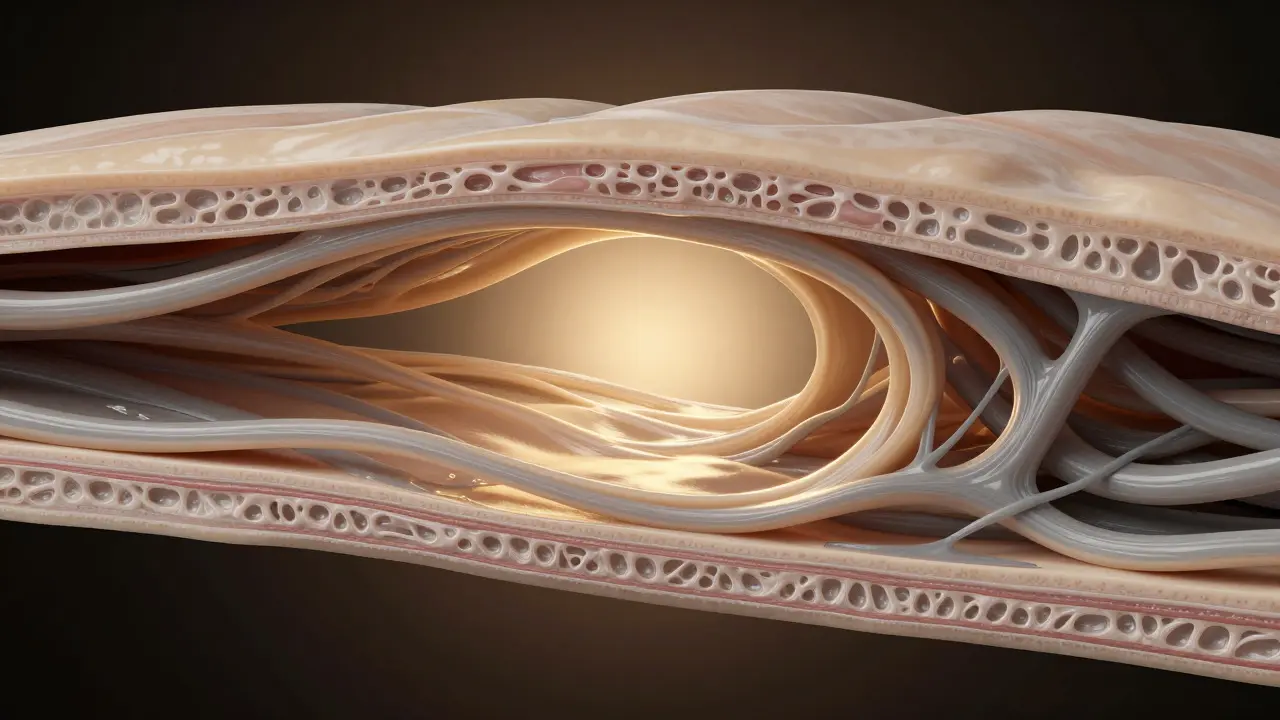
To understand the treatment, you first need to understand the target. Your body is wrapped in a continuous web of fibrous connective tissue called fascia. Think of it as the packaging material inside a Christmas hamper-it holds everything together, protects it, and allows parts to slide smoothly against each other. When you sit at a desk all day, lift heavy boxes incorrectly, or recover from an injury, this tissue can become sticky, thickened, or restricted. This restriction pulls on surrounding structures, causing pain and limiting movement.
Myofascial release (MFR) is a hands-on therapeutic approach that applies sustained pressure to specific areas of the fascia to restore its elasticity and sliding capability. Unlike traditional Swedish massage, which often focuses on muscle relaxation through rhythmic strokes, MFR targets the deeper structural layers. The goal isn’t just to feel good temporarily; it’s to mechanically change the state of the tissue so it functions correctly again.
How the Treatment Actually Feels
If you’re considering booking a session, you might wonder what to expect. Many people assume it will hurt, similar to deep tissue massage. While there is a sensation of intensity, skilled practitioners aim for a "comfortable discomfort" level rather than sharp pain. The therapist uses slow, sustained pressure, often holding a position for several minutes until they feel the tissue soften or release. This process is known as the "release."
- The Pressure: Usually moderate to firm, applied with palms, elbows, or thumbs.
- The Duration: Holds can last anywhere from 30 seconds to five minutes per area.
- The Sensation: A warm, spreading feeling as blood flow increases and tension dissipates.
You don’t need to grit your teeth. In fact, communicating with your therapist about pressure levels is crucial. The best sessions involve a dialogue where you report how the pressure feels, ensuring the treatment stays within your tolerance zone. This collaboration helps prevent bruising or excessive soreness, which are common side effects if the pressure is too high.
Who Benefits Most from This Approach?
MFR isn’t a cure-all for every type of pain, but it shines in specific scenarios. It is particularly effective for conditions where mechanical restriction plays a significant role. Here are the primary groups who typically see results:
- Office Workers: Those suffering from "tech neck" or rounded shoulders due to prolonged poor posture.
- Athletes: Individuals recovering from strains or looking to improve range of motion before competition.
- Post-Surgical Patients: People dealing with scar tissue adhesion after operations, which can limit mobility.
- Chronic Pain Sufferers: Those with fibromyalgia or chronic tension headaches who haven’t found relief with standard treatments.
For example, a graphic designer in Perth might come in with tight upper traps and limited shoulder rotation. After a few sessions focusing on the thoracic spine and pectoral fascia, they often find themselves able to reach behind their back more easily. This isn’t magic; it’s the restoration of normal tissue glide.
Comparing MFR to Other Manual Therapies
It’s easy to confuse myofascial release with other hands-on treatments. Let’s break down the differences to help you choose the right one for your needs.
| Technique | Primary Target | Pressure Style | Best For |
|---|---|---|---|
| Swedish Massage | Skin and superficial muscles | Light to medium, rhythmic | General relaxation, stress reduction |
| Deep Tissue Massage | Deeper muscle layers | Firm, focused strokes | Muscle knots, acute tension |
| Myofascial Release | Fascia and connective tissue | Sustained, static pressure | Restricted movement, chronic stiffness |
| Trigger Point Therapy | Specific hyperirritable spots | Intense, localized compression | Referred pain, distinct pain points |
Notice that while Deep Tissue and MFR both use firm pressure, the intent differs. Deep Tissue often involves moving strokes to break up muscle adhesions, whereas MFR relies on holding still to allow the fascial network to remodel. Trigger Point Therapy is more pinpoint, targeting specific knots, while MFR treats broader regions of restriction.
Scientific Basis and Effectiveness
Skeptics often ask if MFR is just placebo. Research suggests otherwise. Studies have shown that manual therapy can alter the mechanical properties of fascia. For instance, ultrasound imaging has revealed that restricted fascia appears thicker and less organized than healthy tissue. After MFR sessions, patients often show improved range of motion and reduced pain scores. One study involving patients with chronic low back pain found that those receiving MFR reported significantly less disability compared to those receiving only education. While more large-scale trials are always needed, the current evidence supports its use as part of a comprehensive pain management strategy.
Furthermore, the nervous system plays a huge role. By manipulating the fascia, therapists may stimulate mechanoreceptors that send signals to the brain, reducing the perception of pain. This neurophysiological effect means the benefit isn’t just physical; it’s also neurological.

Preparing for Your First Session
Before you book an appointment, consider these practical tips to get the most out of your experience:
- Hydrate: Drink plenty of water before and after the session. Hydration helps the fascia slide more easily and assists your body in flushing out metabolic waste released during the treatment.
- Wear Comfortable Clothing: You’ll likely be asked to undress to your comfort level, but loose clothing makes it easier for the therapist to access different areas.
- Communicate Openly: Tell your therapist exactly where the pain is and what movements feel restricted. Don’t be afraid to say if the pressure is too much.
- Expect Some Soreness: Mild soreness for 24-48 hours is normal. It indicates the tissues have been worked. Gentle movement and hydration can help manage this.
In Perth, many clinics offer initial consultations where you can discuss your history and goals. Use this time to ask questions about the therapist’s qualifications. Look for practitioners certified in MFR or with extensive training in manual therapy techniques.
Common Misconceptions Debunked
One big myth is that MFR is only for athletes. In reality, sedentary lifestyles are a major contributor to fascial restrictions. Sitting compresses the pelvic floor and tightens the hip flexors, creating a chain reaction up the kinetic chain. Another misconception is that it’s painful. While intense, it shouldn’t be agonizing. If it hurts too much, your nervous system will brace up, making the release harder to achieve. Finally, some believe one session is enough. For chronic issues, a series of sessions (often 3-6) spaced a week apart yields the best long-term results.
Integrating MFR into Your Daily Routine
Therapy is great, but what happens between sessions? Self-myofascial release using tools like foam rollers or lacrosse balls can complement professional treatment. Rolling over tight areas for 1-2 minutes daily can help maintain the gains made in the clinic. Additionally, incorporating dynamic stretching and strengthening exercises ensures that the muscles supporting the fascia are strong enough to hold the new position. Without strength, the fascia may revert to its old patterns under load.
Think of MFR as resetting the default settings of your body. Once reset, your job is to use the new settings consistently through movement and posture awareness. This holistic approach-combining professional manual therapy with self-care habits-is where the real revolution in pain management happens.
Does myofascial release therapy hurt?
It should feel like a comfortable intensity, not sharp pain. The goal is to apply enough pressure to engage the tissue without triggering a protective muscle spasm. Communication with your therapist is key to finding the right balance.
How many sessions do I need for chronic pain?
Most practitioners recommend a minimum of three to six sessions spaced one week apart for chronic conditions. Acute issues may resolve in one or two sessions, but chronic restrictions require repeated remodeling of the tissue.
Is myofascial release the same as deep tissue massage?
No. Deep tissue massage focuses on muscle fibers and uses moving strokes. Myofascial release targets the connective tissue sheath around muscles and uses sustained, static pressure to change the tissue's structure.
Can I do myofascial release at home?
Yes, using tools like foam rollers, tennis balls, or lacrosse balls. This is called self-myofascial release. It is effective for maintenance but may not address deep structural restrictions that require professional hands-on care.
Who should avoid myofascial release therapy?
People with open wounds, severe osteoporosis, uncontrolled hypertension, or recent surgery (without doctor approval) should consult a healthcare provider before starting MFR. Always disclose your medical history to your therapist.