Swedish Massage for Chronic Pain: Techniques, Benefits, and What to Expect

Chronic pain doesn’t just hurt; it steals your energy, disrupts your sleep, and makes simple movements feel like a chore. If you’ve tried pills, ice packs, or stretching routines without lasting relief, you might be looking at the problem from the wrong angle. Enter Swedish massage. It’s not just a spa indulgence for relaxation. It is a clinically recognized therapeutic tool that targets the root causes of muscle stiffness and circulatory issues.
Many people assume Swedish massage is only for "feeling nice." That’s a misconception. While it is gentle compared to deeper modalities, its specific techniques-effleurage, petrissage, friction, tapotement, and vibration-are designed to increase blood flow, flush out metabolic waste, and reset muscle tone. For someone dealing with lower back pain, neck stiffness, or general body aches, this approach can offer sustainable relief without the bruising or intense discomfort often associated with other therapies.
How Swedish Massage Actually Works on Pain
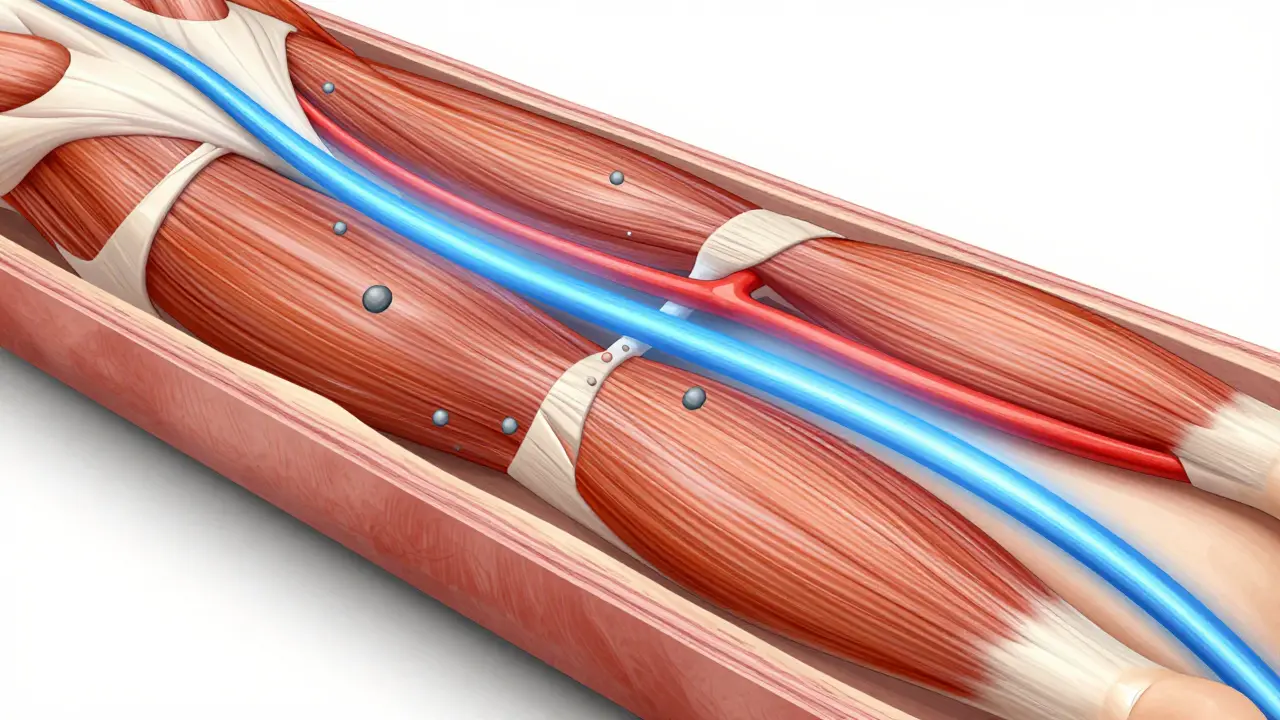
To understand why this works, you have to look at what happens inside your muscles when they are in chronic distress. When you sit at a desk all day or carry emotional stress, your muscles tighten up. This isn’t just tightness; it’s a physiological response where blood vessels constrict, reducing oxygen supply to the tissue. Without enough oxygen, muscles produce lactic acid and other inflammatory byproducts. These substances irritate nerve endings, causing that dull, persistent ache we call chronic pain.
Swedish massage is a full-body treatment using long strokes, kneading, and circular movements to stimulate circulation and relax soft tissues. By applying rhythmic pressure, a therapist mechanically pumps fluid through your lymphatic system and veins. Think of it like wringing out a sponge. The movement pushes stagnant, acidic fluid out of the muscle fibers and brings fresh, oxygenated blood in. This exchange reduces inflammation and calms the nervous system, shifting your body from "fight or flight" mode into "rest and digest" mode. When your parasympathetic nervous system activates, your heart rate drops, breathing deepens, and muscle tension releases naturally.
The Five Core Techniques You Need to Know
A professional Swedish massage isn’t random rubbing. It relies on five distinct strokes, each serving a specific purpose in breaking down pain cycles. Understanding these helps you communicate better with your therapist about what you need.
- Effleurage (Gliding): These are long, sweeping strokes that cover large areas of the body. They warm up the tissue, spread oil evenly, and signal safety to your brain. This is usually the opening and closing technique of a session.
- Petrissage (Kneading): Imagine kneading dough. The therapist lifts, squeezes, and rolls the muscle tissue. This action breaks up adhesions (tiny knots) and improves elasticity. It’s particularly effective for bulky muscles like the quadriceps, glutes, and shoulders.
- Friction: This involves small, circular movements with firm pressure, often using thumbs or knuckles. Friction targets specific trigger points and scar tissue. If you have a stubborn knot in your trapezius (upper back), this is the technique that digs it out.
- Tapotement (Percussion): Rhythmic tapping, chopping, or cupping hands strike the skin. This stimulates nerves and increases alertness. It’s great for toning tired muscles but should be avoided over sensitive areas or if you have fragile bones.
- Vibration: A shaking or trembling motion applied to the tissue. This helps relieve spasms and promotes deep relaxation in localized areas.
Swedish vs. Deep Tissue: Which One Fits Your Pain?
If you’re in pain, your first instinct might be to ask for the "hardest" massage possible. But more pressure doesn’t always mean better results. In fact, excessive force can cause micro-tears in the muscle, leading to more inflammation and pain later. Here is how Swedish massage compares to its heavier counterpart, Deep Tissue massage.
| Feature | Swedish Massage | Deep Tissue Massage |
|---|---|---|
| Pressure Level | Light to Medium | Firm to Heavy |
| Primary Goal | Circulation, Relaxation, General Relief | Breaking Adhesions, Structural Realignment |
| Ideal For | Stress, Mild Stiffness, First-Time Clients, Seniors | Chronic Postural Issues, Sports Injuries, Fibromyalgia |
| Pain During Session | Minimal to None | Moderate to High ("Good Hurt") |
| Recovery Time | Immediate Relaxation | 1-3 Days of Soreness Possible |
Choose Swedish massage if your pain stems from stress, poor circulation, or general lifestyle tension. It’s also the best starting point if you’ve never had a massage before. Choose Deep Tissue if you have specific, localized injuries or chronic postural problems that haven’t responded to lighter touch. Many therapists actually blend both approaches, starting with Swedish techniques to warm up the body before focusing on deeper work in problem areas.
Who Should Avoid Swedish Massage?
While Swedish massage is safe for most people, it is not a one-size-fits-all solution. There are specific conditions where even light pressure could cause harm. Always disclose your medical history to your therapist before lying down on the table.
You should skip or modify a session if you have:
- Acute Inflammation or Injury: If you sprained your ankle yesterday, massaging the area will increase swelling. Wait until the acute phase passes.
- Blood Clots (DVT): Massaging a limb with a deep vein thrombosis can dislodge the clot, sending it to the lungs. This is life-threatening.
- Open Wounds or Skin Infections: Oil and friction can worsen infections or spread bacteria.
- High Fever: Your body is already fighting an illness; adding physical stress isn’t helpful.
- Severe Osteoporosis: Fragile bones may break under pressure, even moderate pressure. Therapists can adjust techniques, but caution is key.
What to Expect During Your First Session
Nervousness is normal, especially if you’re worried about pain or awkwardness. A professional session follows a predictable structure designed to keep you comfortable and safe.
- Intake Form: Before you undress, you’ll fill out a health questionnaire. Be honest here. Mention any surgeries, allergies, or areas of extreme sensitivity.
- Consultation: The therapist will discuss your goals. Tell them specifically where it hurts. Say, "My left shoulder blade feels like it’s burning," rather than just "my back hurts." Specificity helps them tailor the pressure.
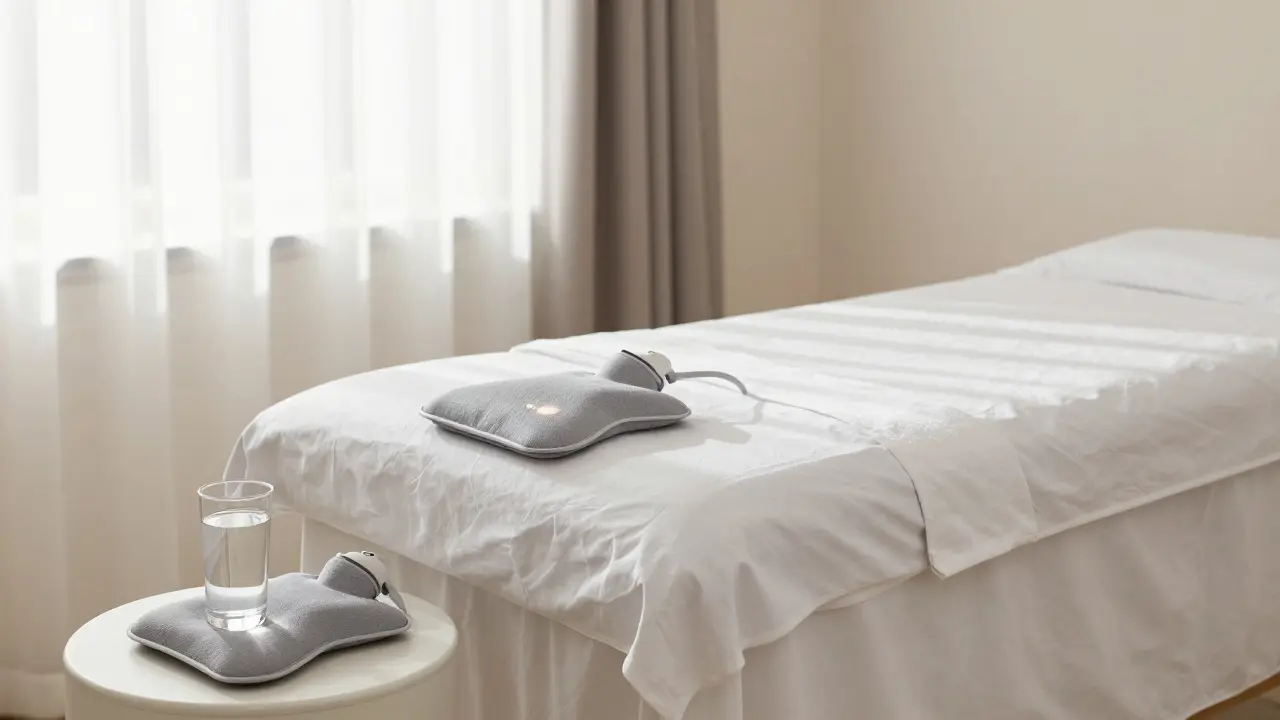
- Draping: You will undress to your level of comfort. Underwear is fine. The therapist will leave the room so you can get onto the table and cover yourself with a sheet (drape). Only the part of the body being worked on is uncovered at any time.
- The Treatment: Expect the therapist to start with your back, then move to legs, arms, chest, and finally the neck and head. They will check in periodically about pressure. If it hurts, say so. Pain is not required for healing.
- Aftercare: After the session, drink a large glass of water. Your muscles have been flushed with toxins; hydration helps your kidneys process them. You might feel drowsy or euphoric. Don’t schedule a high-intensity workout immediately after.
Maximizing Results: Frequency and Home Care
One massage won’t cure ten years of bad posture. To manage chronic pain effectively, consistency matters more than intensity. For acute flare-ups, weekly sessions for four weeks can break the pain cycle. For maintenance, every two to three weeks is usually sufficient to keep muscles pliable and stress levels low.
Between sessions, support your progress with simple home practices:
- Hydrate Daily: Dehydrated muscles are stiff muscles. Aim for at least 2 liters of water a day.
- Gentle Movement: Yoga or walking keeps blood flowing. Avoid sitting for more than an hour at a time.
- Heat Therapy: Use a heating pad on tight areas before bed to mimic the warming effect of effleurage.
- Ergonomics Check: Adjust your chair height and monitor position. If your workstation fights your body, no amount of massage will fully fix the damage.
Swedish massage is a powerful, accessible tool for reclaiming your body from chronic pain. It requires no special equipment, no prescription, and minimal downtime. By improving circulation and calming the nervous system, it addresses the physiological roots of discomfort, offering a path to relief that is as gentle as it is effective.
Does Swedish massage help with sciatica?
Yes, it can provide significant relief. Sciatica is often caused by tight piriformis muscles or lower back spasms compressing the sciatic nerve. Swedish massage uses petrissage and friction to release these tight muscles, reducing pressure on the nerve. However, if the sciatica is caused by a herniated disc, massage alone may not resolve the issue, and you should consult a doctor.
How many sessions of Swedish massage do I need for chronic pain?
For chronic pain, a series of 4 to 6 weekly sessions is typically recommended to break the cycle of tension and inflammation. After this initial phase, switching to a bi-weekly or monthly maintenance schedule helps prevent recurrence. Consistency is key because muscle memory tends to revert to old, tense patterns quickly.
Is Swedish massage painful?
No, Swedish massage should not be painful. It is characterized by light to medium pressure. While you might feel some tenderness in very tight areas, the overall sensation should be relaxing. If you experience sharp pain, inform your therapist immediately so they can adjust their technique or pressure.
Can I get a Swedish massage if I have arthritis?
Yes, but with modifications. Swedish massage can improve joint mobility and reduce stiffness associated with arthritis. However, the therapist must avoid direct pressure on inflamed joints. Lighter effleurage strokes around the affected area can promote circulation without aggravating the condition. Always inform your therapist about your arthritis type and current flare-ups.
What is the difference between a Swedish massage and a sports massage?
Swedish massage focuses on overall relaxation and circulation, using broad, rhythmic strokes. Sports massage is more targeted, aiming to prevent and treat injuries related to physical activity. It combines Swedish techniques with deeper friction and stretching, often focusing on specific muscle groups used in your sport. Sports massage is generally firmer and more intense.