Snake Massage: What to Expect from This Exotic Relaxation Therapy
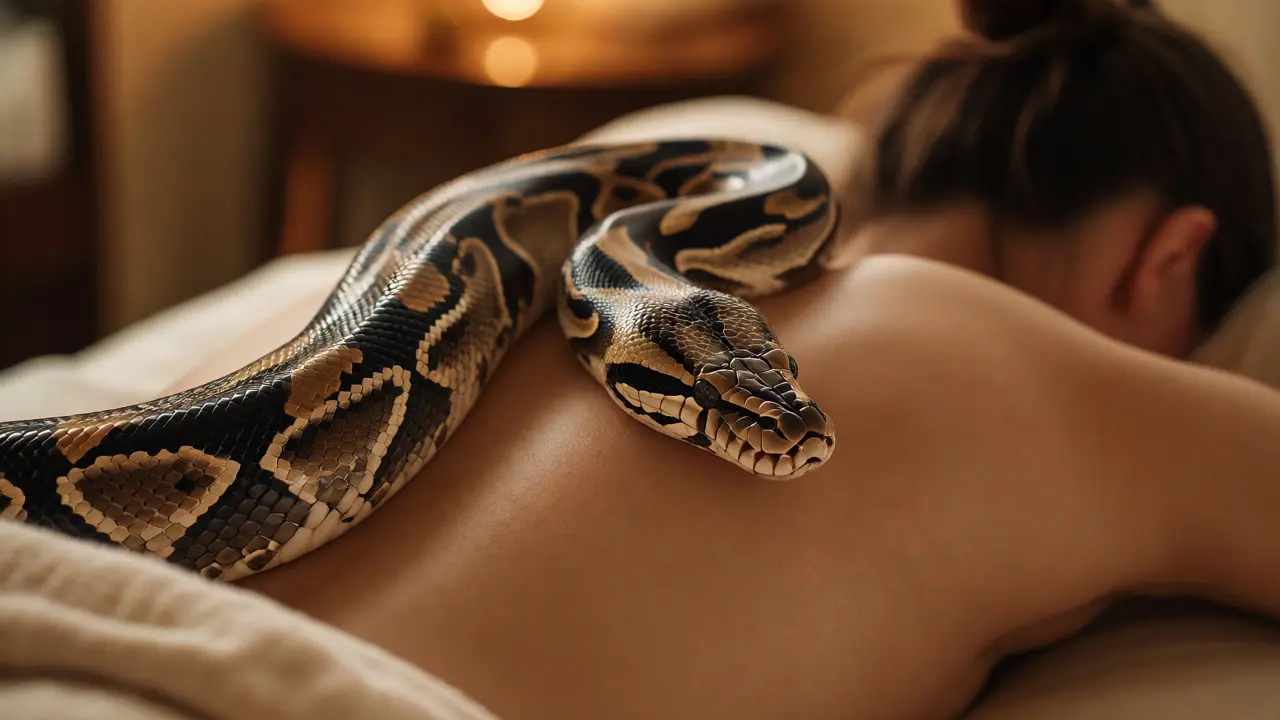
You probably know the feeling of a deep-tissue rubdown or the soothing warmth of a hot stone session. But have you ever had a five-meter Burmese Python glide across your back? Snake massage, also known as Ophiophilia therapy or simply "python therapy," is exactly what it sounds like: live snakes, usually non-venomous pythons or boas, moving over your body while you relax on a table. It’s not just a gimmick for Instagram stories; proponents claim it offers unique sensory benefits that traditional hands-on techniques can’t replicate. If you’re in Perth and curious about this niche treatment, here’s what you actually need to know before booking.
What Is Snake Massage Actually?
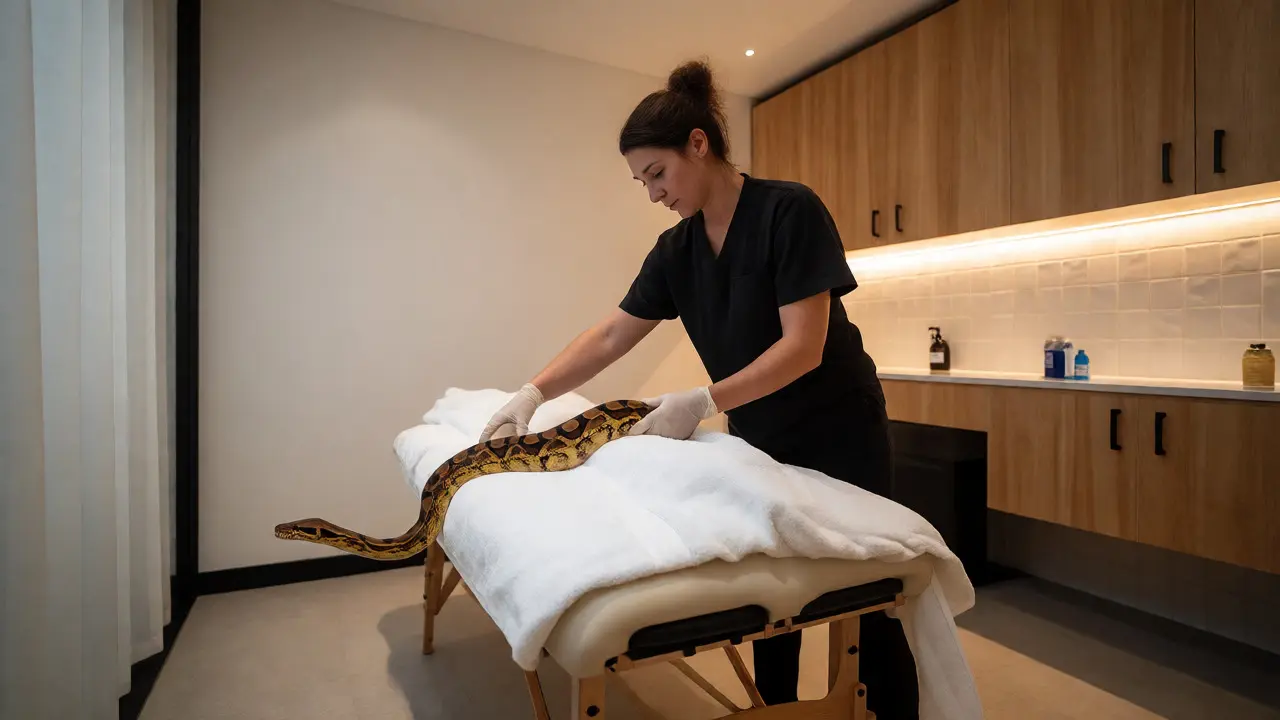
At its core, snake massage involves placing a large, calm snake-typically a Burmese Python (Python bivittatus)-on a client who is lying face down on a massage table. The therapist guides the snake, allowing its muscular body to roll over your muscles. Unlike human hands, which apply localized pressure, a snake provides broad, uneven, and continuous contact. The snake’s scales create a distinct friction against the skin, while its weight distributes heat evenly across large areas of the body. It’s less about kneading knots and more about sensory immersion and gentle compression.
The practice gained popularity in parts of Asia and Europe in the early 2000s but has found a dedicated following in Australia, particularly in cities like Perth where exotic animal encounters are already part of the tourism and wellness landscape. It falls under the umbrella of zootherapy, a branch of alternative medicine that uses animals for therapeutic purposes, similar to horse riding therapy (hippotherapy) or dolphin-assisted therapy.
The Sensory Experience: Heat, Weight, and Texture
Why would anyone want a cold-blooded reptile on their spine? First, let’s bust a myth: the snake isn’t ice-cold. Because these sessions happen in warm rooms, and because the snake’s metabolism generates some internal heat, the sensation is often described as surprisingly warm and comforting. The primary appeal lies in three specific sensory inputs:
- Deep Pressure Stimulation: A large python can weigh between 15 to 30 kilograms. This weight acts like a weighted blanket come to life, providing proprioceptive input that can calm the nervous system.
- Unique Tactile Feedback: Human fingers are smooth. Snake scales are textured. This variation stimulates nerve endings differently, potentially enhancing blood circulation in the superficial layers of the skin.
- Unpredictable Movement: You cannot control exactly where the snake goes next. This forces you into a state of mindfulness. You stop checking your phone and start paying attention to every subtle shift in weight and texture.
Claimed Health Benefits vs. Reality
Let’s be clear: there is no peer-reviewed medical evidence proving that snake massage cures arthritis or lowers blood pressure more effectively than a standard Swedish massage. However, anecdotal reports from practitioners and clients suggest several subjective benefits. Many users report reduced stress levels, citing the calming effect of interacting with a slow-moving, silent creature. Others mention improved flexibility, claiming the gentle stretching motion of the snake helps loosen tight shoulders and hips without the pain associated with aggressive manipulation.
| Feature | Traditional Deep Tissue | Snake Massage |
|---|---|---|
| Pressure Source | Human hands, elbows, tools | Live snake body weight and muscle movement |
| Sensation | Predictable, targeted, firm | Variable, broad, textured, sliding |
| Temperature | Room temp or heated stones/oils | Warmth from snake’s body mass |
| Mental State | Relaxation via physical release | Mindfulness via novelty and focus |
| Cost | Standard market rate ($80-$120 AUD) | Premium novelty rate ($150-$250 AUD) |
Is It Safe? Hygiene and Handling Standards
Your first thought might be hygiene. Reputable clinics in Perth follow strict protocols. Snakes are fed outside of work hours to ensure they aren’t digesting during the session, reducing the risk of accidents. Before each client, the snake is wiped down with a mild, pet-safe disinfectant. Therapists wear gloves when handling the snake if requested, though many prefer direct contact to better guide the animal. Always ask about the clinic’s cleaning schedule and how often the snakes are vetted. A healthy snake should look alert, with clear eyes and clean scales.
Another safety concern is aggression. While rare, snakes can bite if stressed. Professional therapists choose docile breeds, specifically Burmese Pythons or Red-Tailed Boas, known for their temperament. They monitor the snake’s behavior closely. If the snake becomes agitated-signaled by rapid tongue flicking or coiling tightly-the session ends immediately. You are never left alone with the animal; a trained handler is always present.
Who Should Avoid This Treatment?
This isn’t for everyone. If you have ophidiophobia (fear of snakes), skip it. The psychological stress of being near a predator can spike cortisol levels, negating any relaxation benefits. Additionally, those with open wounds, severe skin allergies, or recent surgeries should avoid the friction of scales against sensitive skin. Pregnant women should consult their doctor, as the unpredictability of the movement might cause discomfort or anxiety. Finally, if you have a compromised immune system, consider the zoonotic risks, although well-maintained captive-bred snakes pose minimal disease transmission risk to humans.
How to Prepare for Your Session
If you decide to try it, preparation makes the experience smoother. Wear loose-fitting clothing or go nude depending on the clinic’s policy and your comfort level. Most places offer disposable underwear or robes. Arrive early to meet the snake. Petting the head and watching it move helps break the ice. Communicate with your therapist about your sensitivity levels. If you don’t like the tail touching your neck, say so. The therapist controls the snake’s position, not the other way around.
Expect the session to last between 30 to 60 minutes. The cost in Australia typically ranges from $150 to $250 AUD per person, reflecting the specialized care required for the animals. Afterward, you might feel a mix of adrenaline and relaxation. It’s an intense sensory workout for your brain, even if your muscles didn’t get a traditional knead.
Frequently Asked Questions
Does a snake massage hurt?
Generally, no. The sensation is more about weight and texture than sharp pressure. Some people find the scales slightly scratchy, but most describe it as a strange, rolling pressure rather than pain. If it hurts, tell the therapist immediately.
Are the snakes venomous?
No. Therapeutic snakes are non-venomous constrictors, primarily Burmese Pythons and Red-Tailed Boas. These species are chosen for their size, strength, and generally docile temperaments when raised in captivity.
Is snake massage ethical?
It depends on the facility. Ethical providers prioritize the snake’s welfare, ensuring they have proper housing, diet, and rest periods between clients. Look for reviews mentioning the health and behavior of the animals. Avoid places that keep snakes in tiny cages or use them excessively.
Can I tickle the snake?
You can gently stroke the snake’s body if the therapist permits it. However, avoid poking or squeezing, as this can startle the animal. Let the therapist guide your interactions to ensure both you and the snake remain comfortable.
How much does snake massage cost in Australia?
Prices vary by location and duration. In major cities like Perth or Sydney, expect to pay between $150 and $250 AUD for a 45-minute to one-hour session. Group rates may be available for couples or friends.