Ayurvedic Massage for Chronic Pain: How It Works and Why It Helps
Chronic pain doesn’t just hurt-it wears you down. You wake up stiff, move through the day with tension, and sleep poorly because your body never fully relaxes. Over-the-counter painkillers stop working. Physical therapy helps, but only for a while. You’ve tried heat packs, stretching, even acupuncture. What’s left? For many, the answer lies in an ancient system: ayurvedic massage.
What Is Ayurvedic Massage?
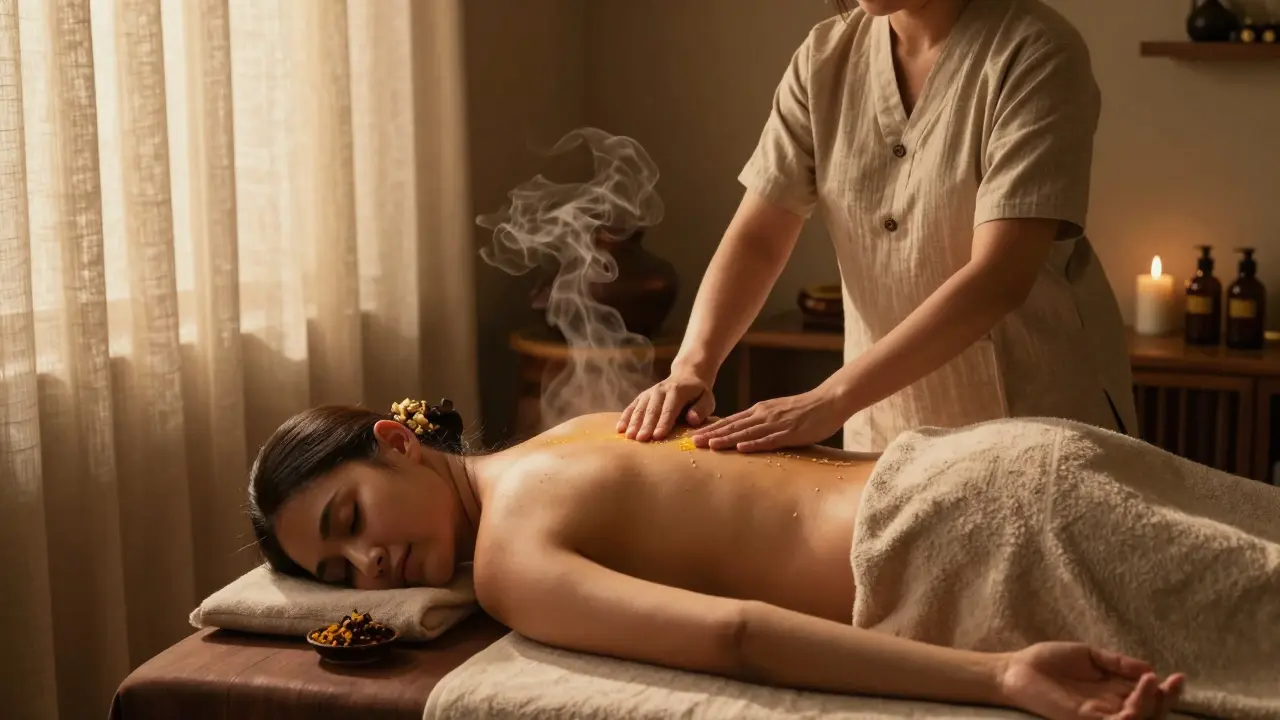
Ayurvedic massage, or Abhyanga, is a 5,000-year-old practice from India’s Ayurvedic medicine system. It’s not just a rubdown. It’s a targeted therapy using warm herbal oils, specific pressure techniques, and rhythmic strokes designed to balance the body’s energy systems-called doshas. Unlike Swedish or deep tissue massage, which focus on muscles, ayurvedic massage works on the deeper layers: connective tissue, lymphatic flow, and energy channels called nadis.
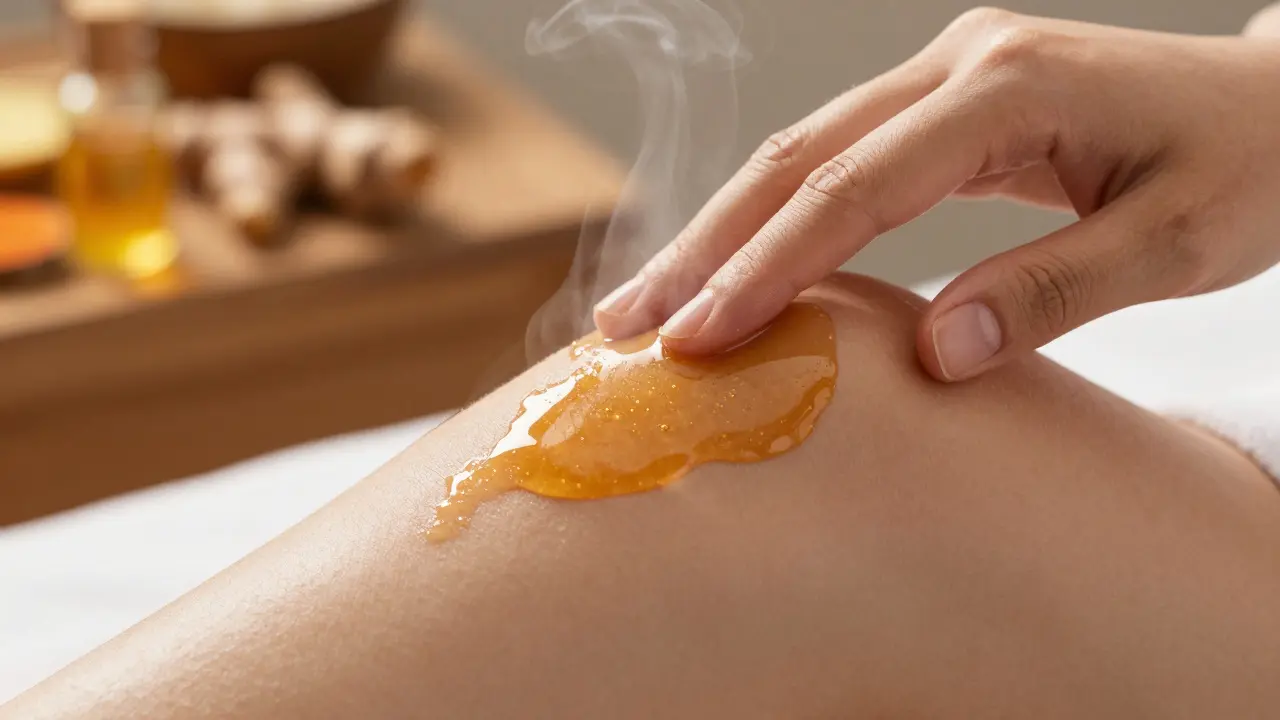
The oils used aren’t random. They’re chosen based on your dosha type-Vata, Pitta, or Kapha. For example, sesame oil warms and grounds Vata types prone to joint pain and anxiety. Coconut oil cools Pitta types with inflammation and burning sensations. Castor oil, often mixed with herbs like ashwagandha or turmeric, is used for deep-seated stiffness and arthritis.
How It Relieves Chronic Pain
Chronic pain isn’t always about tissue damage. Often, it’s about nervous system overload, poor circulation, and inflammation stuck in a loop. Ayurvedic massage tackles all three.
First, the warm oil penetrates the skin and softens hardened tissues. A 2021 study in the Journal of Ayurveda and Integrative Medicine found that regular Abhyanga reduced muscle stiffness by 42% in participants with fibromyalgia after just eight weeks. The oils carry anti-inflammatory compounds like curcumin and eugenol directly into the affected areas.
Second, the massage strokes follow the body’s energy pathways. Therapists use long, flowing motions toward the heart to stimulate lymphatic drainage. This helps flush out metabolic waste-lactic acid, cytokines, and other pain-signaling chemicals-that build up in chronic conditions like osteoarthritis and lower back pain.
Third, it calms the nervous system. Chronic pain keeps your sympathetic nervous system in overdrive-the fight-or-flight mode. Ayurvedic massage triggers the parasympathetic response. Your heart rate drops. Cortisol levels fall. Your body shifts from survival mode to repair mode. That’s why people report not just less pain, but better sleep and less anxiety after sessions.
Who Benefits Most?
Not everyone with chronic pain responds the same way. Ayurvedic massage works best for:
- People with arthritis-especially osteoarthritis in knees and hands
- Those with fibromyalgia or myofascial pain syndrome
- Individuals with chronic lower back pain from poor posture or disc issues
- People recovering from injuries who’ve hit a plateau with physical therapy
- Those who feel stiff, cold, or fatigued all the time (classic Vata imbalance)
It’s less effective for acute injuries like sprains or recent surgeries. And if you have open wounds, infections, or severe osteoporosis, you should avoid it until cleared by a doctor.
What Happens in a Session?
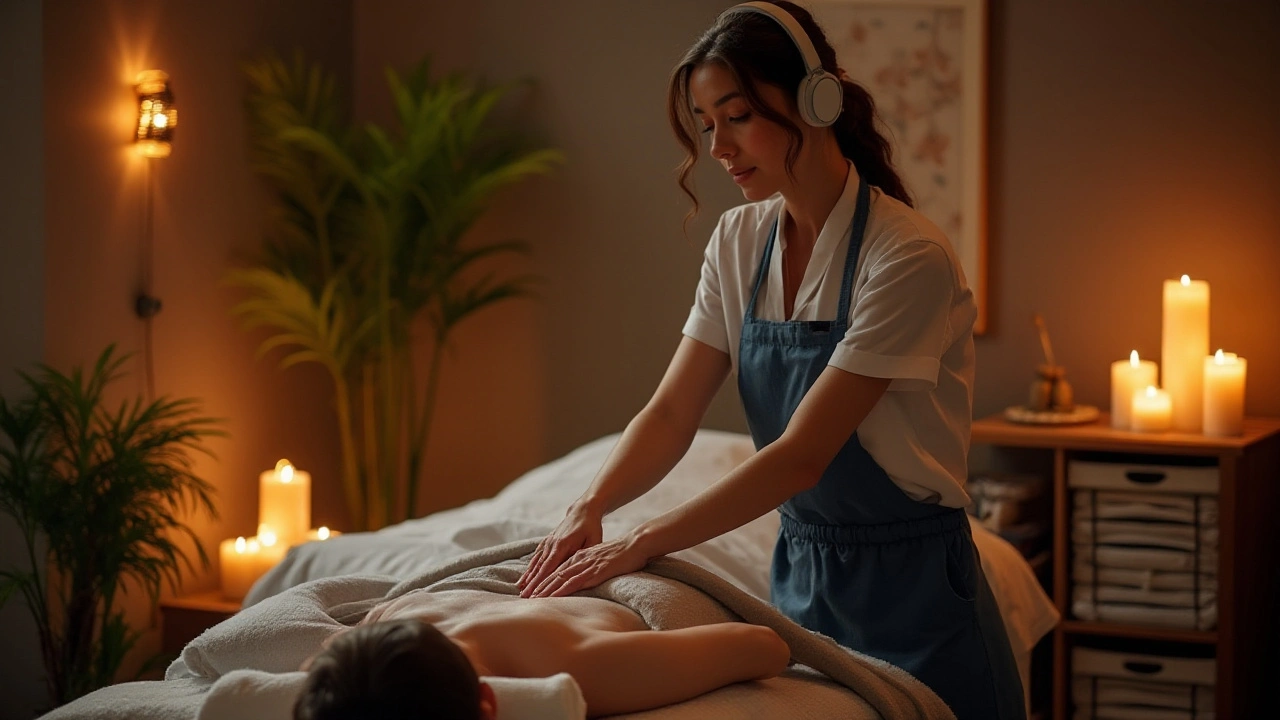
A typical session lasts 60 to 90 minutes. You’ll lie on a warm table, covered only with a towel. The therapist starts with a brief consultation-asking about your pain, sleep, digestion, and stress levels. This helps them pick the right oil and pressure.
The massage begins with gentle strokes on the limbs, then moves to the back, abdomen, and head. The pressure isn’t deep like a sports massage-it’s rhythmic and grounding. You might feel a slight warmth, a tingling, or even a release of emotions. That’s normal. Ayurveda believes pain is stored in the body as emotional tension.
Afterward, you’ll rest for 10-15 minutes under a warm blanket. The oil is left on. No showering for at least 30 minutes. This lets the herbs absorb fully. Some clinics offer a steam bath or herbal tea afterward to enhance detoxification.
How Often Should You Do It?
One session won’t fix years of pain. Consistency matters.
For severe chronic pain: Twice a week for four to six weeks. Then reduce to once a week for maintenance.
For mild to moderate pain: Once a week for eight weeks, then every other week.
Many people start feeling changes after three sessions. By week six, most report improved mobility, less reliance on pain meds, and better sleep. A 2023 trial with 120 participants with chronic lower back pain showed 73% reduced their NSAID use after 12 weeks of weekly ayurvedic massage.
Can You Do It at Home?
Yes-but with limits. Self-massage with warm sesame or castor oil can help maintain progress. Do it for 15-20 minutes before bed. Focus on painful areas with slow, circular motions. Use your palms, not your knuckles. Don’t press hard. Let the oil do the work.
But don’t replace professional sessions with home routines. Therapists know pressure points, dosha types, and oil blends you can’t learn from YouTube. A trained practitioner can detect imbalances you don’t even know you have.
What to Look for in a Practitioner
Not everyone calling themselves an “ayurvedic therapist” is qualified. Look for:
- Certification from an Ayurvedic institution (like the National Ayurvedic Medical Association in the U.S. or the Ayurvedic Institute in India)
- Training in dosha assessment and oil selection
- Experience working with chronic pain patients
- Use of organic, cold-pressed oils with herbal infusions
Avoid places that use generic massage oils or skip the consultation. Ayurveda isn’t one-size-fits-all. If they don’t ask about your digestion or sleep, walk away.

Side Effects and Risks
Ayurvedic massage is safe for most people. But some may experience:
- Temporary soreness (like after a good workout)
- Increased detox symptoms-headache, fatigue, or mild nausea (if your body releases a lot of toxins)
- Allergic reactions to herbs in the oil (patch test first)
If you’re pregnant, have cancer, or are on blood thinners, talk to your doctor first. Some herbs interact with medications.
How It Compares to Other Therapies
| Method | How It Works | Time to Relief | Long-Term Benefit | Cost per Session (CAD) |
|---|---|---|---|---|
| Ayurvedic Massage | Oil + pressure + dosha balance | 3-8 sessions | High-reduces inflammation and stress | $85-$140 |
| Physical Therapy | Exercises + manual therapy | 4-12 weeks | Moderate-depends on adherence | $70-$120 |
| Acupuncture | Stimulates nerve pathways | 2-6 sessions | Moderate-needs ongoing sessions | $90-$130 |
| NSAIDs (e.g., ibuprofen) | Blocks pain signals | 30-60 minutes | Low-side effects over time | $0.20-$1.00 |
Ayurvedic massage doesn’t just mask pain-it rewires how your body responds to it. Unlike pills, it doesn’t harm your liver or gut. Unlike physical therapy, it doesn’t require daily exercise you’ll eventually skip. It’s a gentle, full-body reset.
Real Results: One Person’s Story
Maria, 58, from Toronto, had hip osteoarthritis for 12 years. She walked with a cane. Painkillers gave her stomach ulcers. Her doctor said, “Get ready for a replacement.” She tried yoga. It made her worse. Then she found an ayurvedic therapist. After six weeks of twice-weekly sessions with castor oil infused with ginger and turmeric, she stopped using her cane. Her pain score dropped from 8/10 to 3/10. She’s still waiting on surgery-but now, she’s not counting the days until it.
Final Thoughts
Ayurvedic massage isn’t magic. It’s medicine-ancient, tested, and deeply personal. It doesn’t promise to erase pain overnight. But if you’ve tried everything else and still hurt, it might be the missing piece. It doesn’t just touch your body. It listens to it.
If you’re tired of temporary fixes and want something that works with your body, not against it, give ayurvedic massage a real try. Not as a last resort. As a first step toward healing.
Can ayurvedic massage cure chronic pain?
No, it doesn’t cure chronic pain. But it can significantly reduce it and improve function. Many people reduce or eliminate their need for painkillers. It works best as part of a broader plan that includes diet, sleep, and movement.
How long do the effects last?
After one session, relief may last 2-3 days. With regular sessions, benefits build up. After 8-12 weeks, effects can last weeks or even months between treatments. Maintenance sessions every 2-4 weeks help sustain results.
Is it safe if I’m on blood thinners?
It can be, but only with caution. Some oils and herbs may increase bleeding risk. Always tell your therapist about your medications. Avoid deep pressure on areas prone to bruising. Get approval from your doctor before starting.
Do I need to believe in Ayurveda for it to work?
No. You don’t need to believe in energy channels or doshas. The physical effects-oil penetration, lymphatic drainage, nervous system calming-are measurable. It works whether you’re skeptical or spiritual.
Can I combine it with chiropractic or physiotherapy?
Yes. Many people use ayurvedic massage alongside other therapies. It’s especially helpful as a recovery tool after adjustments or intense physio sessions. Just space them out-don’t do massage the same day as deep spinal work.