How to Give an Unforgettable Body-to-Body Massage: The Ultimate Guide

There is a moment in every intimate encounter where words fail you. You want to convey desire, care, and passion without saying a single syllable. That is where touch becomes the language. A body-to-body massage is not just a physical act; it is a deeply sensory experience that bridges the gap between two people. It transforms a standard relaxation routine into a charged, memorable event.
If you have ever wondered how to elevate your intimate life beyond the ordinary, this guide will walk you through the nuances of creating that perfect atmosphere, choosing the right tools, and mastering the movements that leave a lasting impression. We are going to talk about trust, temperature, technique, and the subtle art of reading your partner’s responses.
Setting the Stage for Intimacy
You cannot rush intimacy. Before skin touches skin, you need to set the environment. Your brain needs to switch from "work mode" or "daily chores mode" to "sensory mode." If the room is cold, the lights are harsh, or there is background noise, the magic will dissipate before it begins.
Start with the lighting. Harsh overhead lights are the enemy of romance. Switch to warm, dim lamps or use candles. Candlelight does more than just look good; it softens facial features and creates a sense of safety and privacy. Make sure the room is warm enough. When muscles relax, body temperature drops slightly. If your partner gets cold halfway through, the spell is broken. Keep a blanket nearby, but ensure the air is cozy.
Scent plays a massive role in memory and arousal. Choose a fragrance that is calming yet inviting. Lavender is classic for relaxation, while sandalwood or ylang-ylang can add a deeper, earthier note. Avoid overpowering scents that might trigger headaches or allergies. A light diffuser or a few unscented candles work best if you plan to use strongly scented oils later.
- Lighting: Dim, warm, flickering (candles or smart bulbs).
- Temperature: Slightly warmer than usual comfort level.
- Scent: Subtle, natural aromatherapy oils or fresh linen.
- Sound: Soft instrumental music, nature sounds, or silence.
Choosing the Right Oils and Lubricants
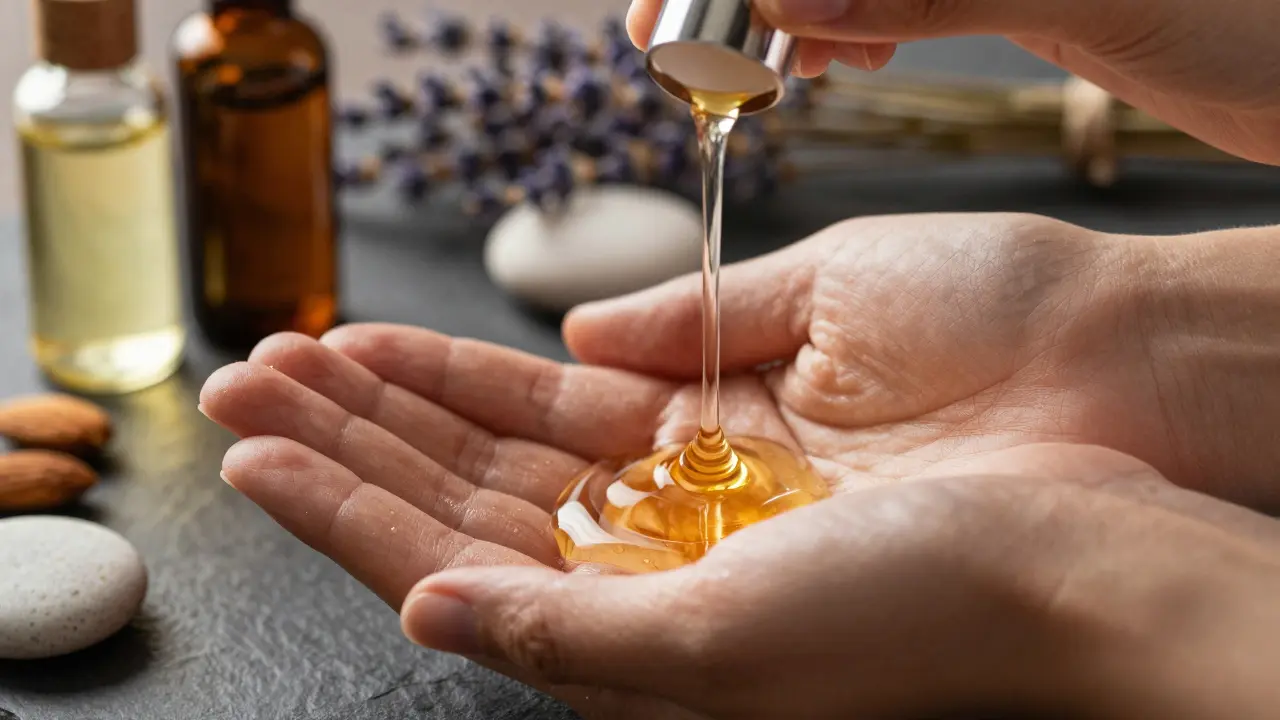
The medium you use to glide over skin matters immensely. Dry hands create friction, which can feel abrasive rather than sensual. You need a lubricant that feels luxurious, absorbs well, and smells good. This is where massage oils come into play.
Not all oils are created equal. Some are too heavy and greasy, leaving a sticky residue that ruins sheets and skin. Others are too thin and disappear too quickly. Here is what you should look for:
| Oil Type | Texture | Absorption Rate | Best For |
|---|---|---|---|
| Jojoba Oil | Light, non-greasy | Fast | All skin types, sensitive skin |
| Almond Oil | Medium, smooth | Medium | Deep tissue, general relaxation |
| Coconut Oil | Thick, solidifies when cool | Slow | Tropical scent lovers, dry skin |
| Argan Oil | Rich, silky | Medium-Fast | Luxury feel, anti-aging benefits |
Avoid using baby oil or petroleum-based products. They clog pores and do not absorb into the skin, leaving a slippery film that feels artificial. Always test a small amount on your wrist first to check for allergic reactions. Warm the oil in your palms before applying it. Cold oil on warm skin is a shock that pulls someone out of the moment instantly.
The Art of Slow Touch
The biggest mistake people make is moving too fast. In our daily lives, we are always rushing. A massage should be the opposite. It is about slowness, intention, and presence. When you begin, start with long, broad strokes. These are called effleurage strokes. They help to spread the oil and warm up the muscles without causing tension.
Use the whole of your hand, not just your fingertips. Fingertips can dig in and create pressure points that might hurt if applied incorrectly. Your palm has a larger surface area, allowing for a smoother, more encompassing touch. Start at the feet or the hands-areas that are often neglected-and work your way up. This builds anticipation.
As you move across the back, vary your pressure. Ask your partner what feels good. Everyone has different tolerance levels. Some people love deep pressure that kneads out knots, while others prefer a feather-light touch that barely registers. Pay attention to their breathing. If their breath hitches or they sigh, you are likely hitting the right spot. If they tense up, lighten your touch or change direction.
Incorporating Body-to-Body Contact
This is where the technique shifts from therapeutic to sensual. A traditional massage uses hands. A body-to-body massage uses your entire body as a tool. This requires confidence and clear communication. It is not about being aggressive; it is about sharing warmth and closeness.
Imagine you are gliding over your partner like a second layer of skin. You can use your chest, your arms, or your legs to apply gentle, rhythmic pressure. For example, while your partner is lying on their stomach, you can lie beside them and use your forearm to trace along their spine. Or, you can gently press your chest against their back, letting your heartbeat sync with theirs.
The key here is fluidity. Do not stop abruptly. Transition smoothly from one part of the body to another. Use your lips to kiss the shoulder after massaging it. Use your hair to brush lightly across the arm. These micro-movements keep the senses engaged and prevent the experience from becoming repetitive.

Reading Non-Verbal Cues
Communication during a sensual massage is largely non-verbal. Your partner may not want to break the mood by speaking. You need to become an expert reader of body language. Watch for these signs:
- Relaxation: Shoulders dropping, jaw unclenching, slow deep breathing.
- Arousal: Faster breathing, slight trembling, increased skin temperature.
- Discomfort: Tensing muscles, pulling away slightly, holding breath.
If you see signs of discomfort, pause. Check in verbally if needed. "Is this okay?" or "Do you want more pressure?" are simple questions that build trust. Consent is ongoing. Just because your partner enjoyed one part of the massage does not mean they want the same intensity everywhere. Respect boundaries. An unforgettable massage is one where both parties feel safe and respected.
Creating a Ritual of Connection
To make the experience truly unforgettable, frame it as a ritual. It is not just something you do; it is time you dedicate to each other. Put away phones. Turn off notifications. Commit to thirty minutes or an hour of uninterrupted connection.
End the session slowly. Do not jump up immediately. Spend a few minutes just lying together, feeling the residual warmth and oil. This afterglow period is crucial for emotional bonding. It allows the nervous system to settle and reinforces the positive association with the experience.
Remember, the goal is not perfection. It is connection. Mistakes happen. You might slip, or the oil might spill. Laugh it off. Laughter releases tension and brings you closer. The most memorable massages are often the ones where authenticity shines through the technique.
What is the difference between a regular massage and a body-to-body massage?
A regular massage typically focuses on muscle relief and uses hands, elbows, or tools. A body-to-body massage incorporates the giver's entire body-chest, arms, legs-to create a more intimate, sensual, and warming experience. It emphasizes emotional connection and sensory pleasure over therapeutic muscle release.
Can I use coconut oil for a body-to-body massage?
Yes, coconut oil is excellent for its scent and moisturizing properties. However, it can solidify if the room is cool, so ensure the space is warm. It also leaves a heavier residue than jojoba or almond oil, so be mindful of staining sheets.
How do I know if my partner is enjoying the massage?
Look for relaxed muscles, steady breathing, and occasional sighs. If they lean into your touch or mirror your movements, they are likely enjoying it. If they tense up or pull away, adjust your pressure or ask for feedback.
Is body-to-body massage appropriate for beginners?
It can be, provided there is open communication and consent. Start with traditional hand massage techniques to build comfort, then gradually introduce more intimate contact as you both feel at ease. Trust is the foundation.
What should I avoid during a sensual massage?
Avoid rushing, using cold oil, ignoring verbal or non-verbal cues, and focusing only on erogenous zones. Neglecting the rest of the body can make the experience feel transactional rather than connective. Also, avoid strong perfumes that might clash with massage oils.