How Breema Can Enhance Your Yoga Practice: A Guide to Deepening Awareness
Have you ever finished a yoga session feeling physically stretched but mentally scattered? Or perhaps you’ve struggled to find that deep sense of inner stillness, no matter how long you hold your poses? You are not alone. Many yogis hit a plateau where the physical benefits are clear, but the deeper meditative state feels just out of reach. This is where Breema comes in. Often described as a gentle touch therapy or a form of energy work, Breema might seem like an unrelated discipline at first glance. However, when woven into your existing routine, it acts as a powerful catalyst for transformation. It bridges the gap between moving the body and calming the mind, offering a pathway to a more profound and sustainable practice.
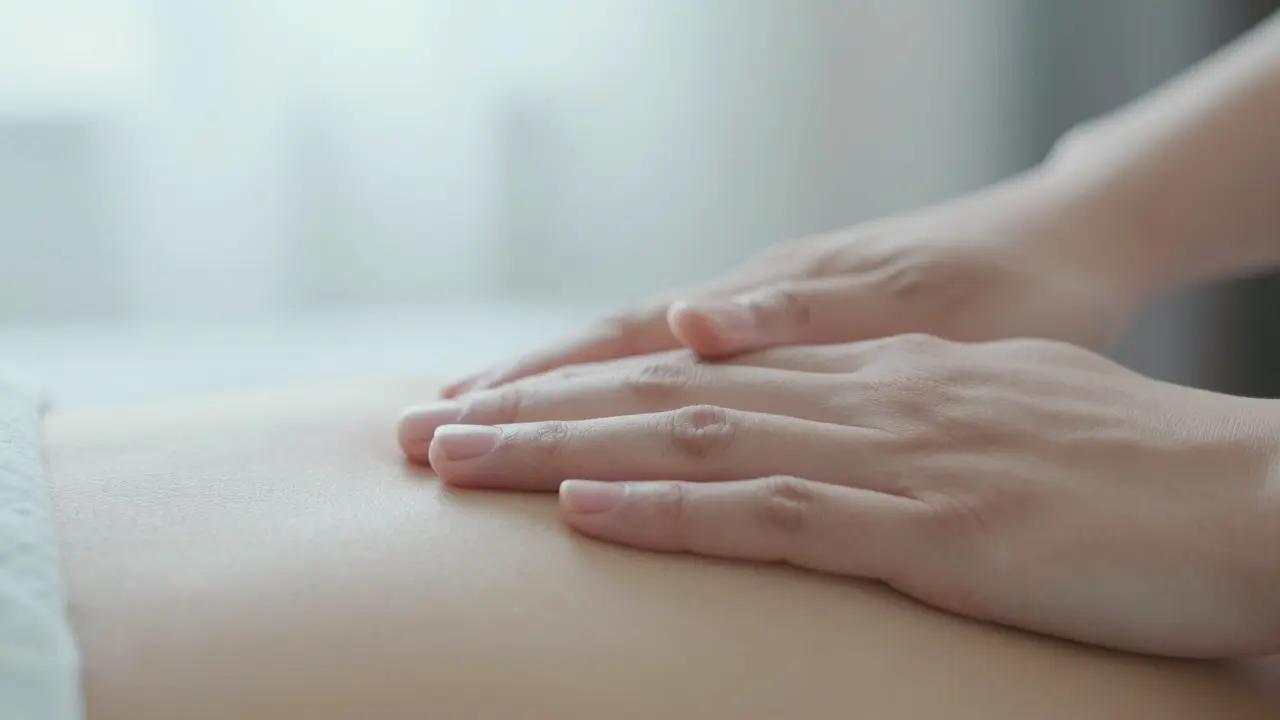
Breema is not just another relaxation technique; it is a structured system of gentle touch designed to release tension and promote mental clarity. Founded by Fred Patten in the 1970s, it relies on specific movements called "strokes" that guide the recipient’s awareness inward. Unlike massage, which focuses on manipulating muscles, Breema focuses on guiding attention and releasing stored emotional or physical stress through subtle touch. When you combine this with yoga, you create a feedback loop: yoga prepares the body and breath, while Breema refines the mind and nervous system response.
Understanding the Core Principles of Breema
To integrate Breema effectively, you first need to understand what makes it unique. At its heart, Breema operates on three main principles: gentleness, intention, and awareness. The touch used in Breema is incredibly light-often described as barely touching the skin. This lightness is crucial because it bypasses the body’s defensive mechanisms. Heavy pressure can trigger a fight-or-flight response in some people, whereas gentle touch signals safety to the nervous system.
The second principle is intention. In Breema, every stroke has a purpose. The giver (the person applying the touch) focuses on sending a message of peace and acceptance to the receiver. This isn’t about fixing a problem; it’s about acknowledging the present moment. For a yogi, this aligns perfectly with the concept of *Santosha* (contentment). By practicing Breema, you train yourself to observe sensations without judgment, a skill that directly translates to better focus during meditation and challenging asanas (poses).
Finally, there is the role of awareness. Breema teaches you to become hyper-aware of your own body and the space around you. This heightened sensory awareness helps you detect subtle tensions in your muscles before they become painful injuries. It also enhances your proprioception-the sense of where your body is in space-which is essential for maintaining balance and alignment in yoga postures.
Why Yoga Practitioners Need Gentle Touch Therapy
You might wonder why a physical practice like yoga needs a non-physical intervention like gentle touch. The answer lies in the autonomic nervous system. Yoga, particularly vigorous styles like Ashtanga or Vinyasa, can sometimes keep the sympathetic nervous system (the "do" mode) active even after class ends. If your mind is still racing, you aren’t getting the full restorative benefit of the practice.
Breema activates the parasympathetic nervous system (the "rest and digest" mode). Studies in touch therapy suggest that gentle, rhythmic touch lowers cortisol levels and increases oxytocin, the bonding hormone. For a yogi, this means faster recovery between sessions and a deeper ability to enter a meditative state (*Dhyana*) during Savasana (corpse pose). Instead of lying down and worrying about your grocery list, you lie down and feel a wave of calm wash over you. This shift allows you to access the deeper layers of your practice, where true healing occurs.
Furthermore, many yogis suffer from "yoga injury" due to overexertion or ego-driven stretching. Breema provides a counterbalance by teaching surrender. In Breema, you don’t push against resistance; you flow with it. This lesson in yielding is invaluable for preventing injuries in yoga. It reminds you that flexibility isn’t about forcing a limb into position, but about allowing the tissue to release naturally.
Integrating Breema Strokes Into Your Daily Routine
You don’t need a partner to start benefiting from Breema. While receiving Breema from someone else is wonderful, self-administered strokes are a powerful tool for daily integration. Here is how you can weave these techniques into your morning or evening routine:
- The Face Stroke: Before starting your yoga mat time, sit comfortably and gently stroke your face with your fingertips. Start at the center of your forehead and move outward toward your temples. Then, stroke from the bridge of your nose down to your chin. This simple action clears mental clutter and centers your attention. Do this for two minutes before lighting your candle or turning on your music.
- The Hand Stroke: After a intense flow sequence, take a moment to stroke the palms and backs of your hands. Imagine you are wiping away any tension or stress accumulated during the day. This helps ground your energy and prepares you for seated meditation.
- The Shoulder Release: If you carry tension in your shoulders (a common issue for desk workers and yogis alike), use one hand to gently stroke the opposite shoulder blade area. Focus on breathing into the space beneath your fingers. This releases trapped emotions and opens up the chest for better breathing.
These strokes take less than five minutes but can significantly alter your state of mind. They act as a reset button, shifting you from external distraction to internal presence. Over time, you will notice that you enter your yoga practice with greater ease and less mental chatter.
Enhancing Meditation Through Breath and Touch
Meditation is often cited as the most challenging part of yoga for beginners. The mind wanders, thoughts intrude, and stillness feels impossible. Breema offers a tangible anchor for the wandering mind. By focusing on the sensation of touch, you give your brain a single point of concentration, similar to focusing on the breath or a mantra.
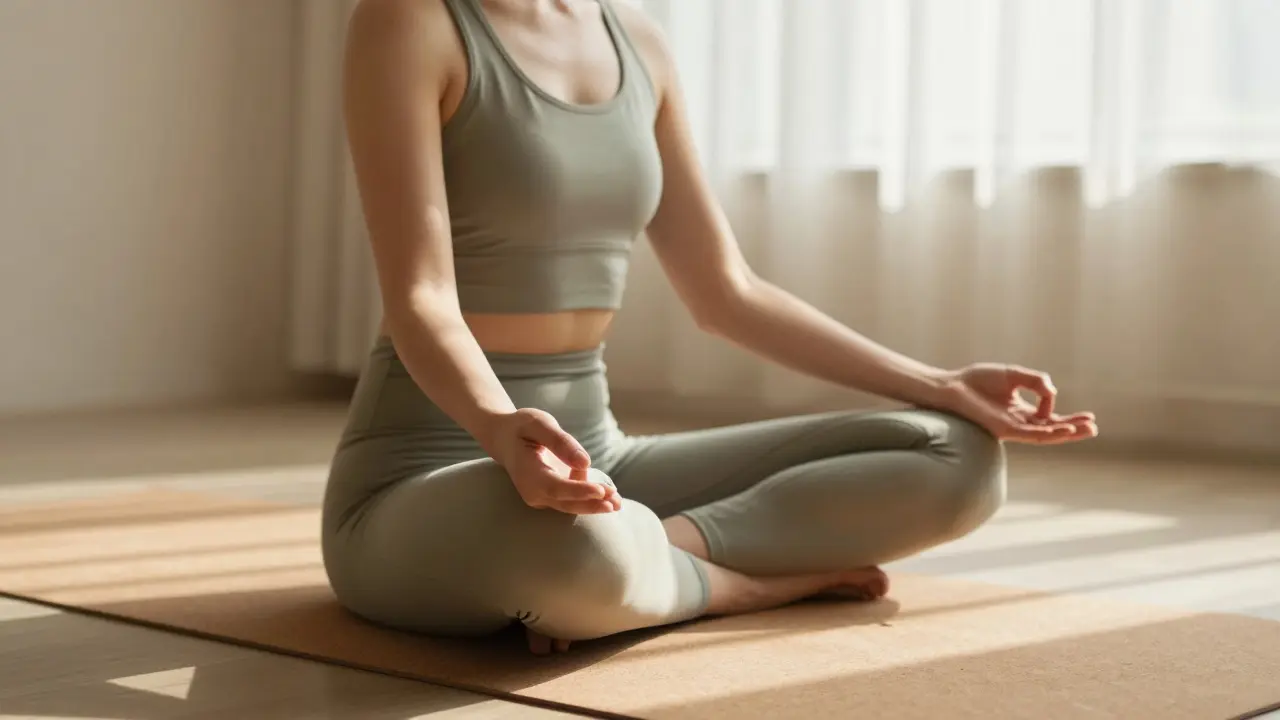
Try this experiment: During your next meditation session, place your hands lightly on your knees. Gently stroke the tops of your hands in a slow, rhythmic motion. Keep your eyes closed and focus entirely on the texture of your skin and the temperature of your fingers. When a thought arises, acknowledge it and return your attention to the touch. This tactile anchor makes meditation more accessible and less abstract. It transforms the practice from a mental struggle into a sensory experience.
This technique also enhances your connection to *Pranayama* (breath control). As you stroke your body, synchronize the movement with your inhales and exhales. Inhale as you lift your hand, exhale as you stroke down. This coordination deepens your breath awareness and calms the nervous system further. You begin to feel the breath moving through your entire body, not just in your lungs. This holistic awareness is the hallmark of advanced yoga practice.
Breema vs. Traditional Massage: What’s the Difference?
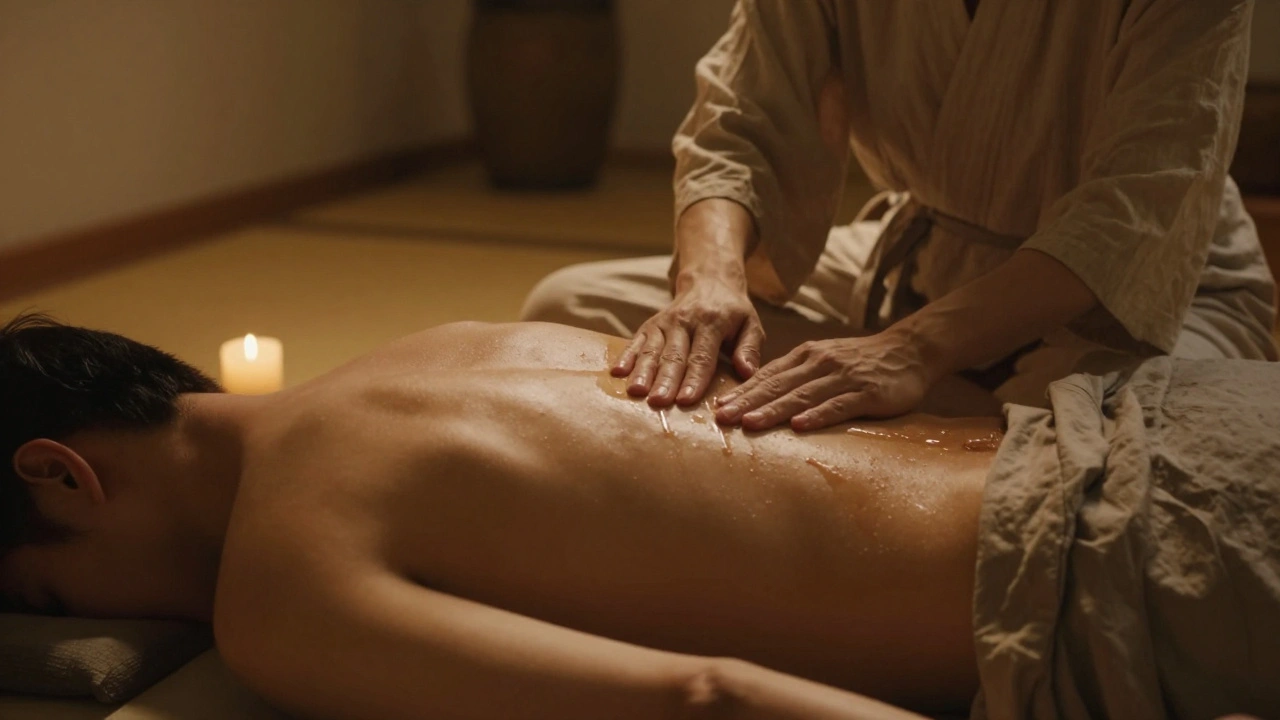
It is important to distinguish Breema from traditional massage therapy, as they serve different purposes. Massage is primarily mechanical; it works on the muscular and fascial tissues to relieve pain and improve circulation. Breema is energetic and psychological; it works on the mind-body connection to promote mental clarity and emotional balance.
| Feature | Breema | Traditional Massage |
|---|---|---|
| Primary Goal | Mental clarity and emotional release | Muscle relief and physical relaxation |
| Touch Pressure | Very light, feather-like | Varies from light to deep tissue |
| Focus Area | Awareness and intention | Anatomy and physiology |
| Best For | Stress reduction and meditation prep | Pain management and recovery |
| Self-Practice | Highly effective and easy to learn | Limited effectiveness |
For a yogi, both have their place. Use massage if you have tight hamstrings or a sore back. Use Breema if you feel anxious, distracted, or disconnected from your practice. Integrating both ensures that your body is physically capable and your mind is mentally ready for the journey.
Building a Community of Support and Healing
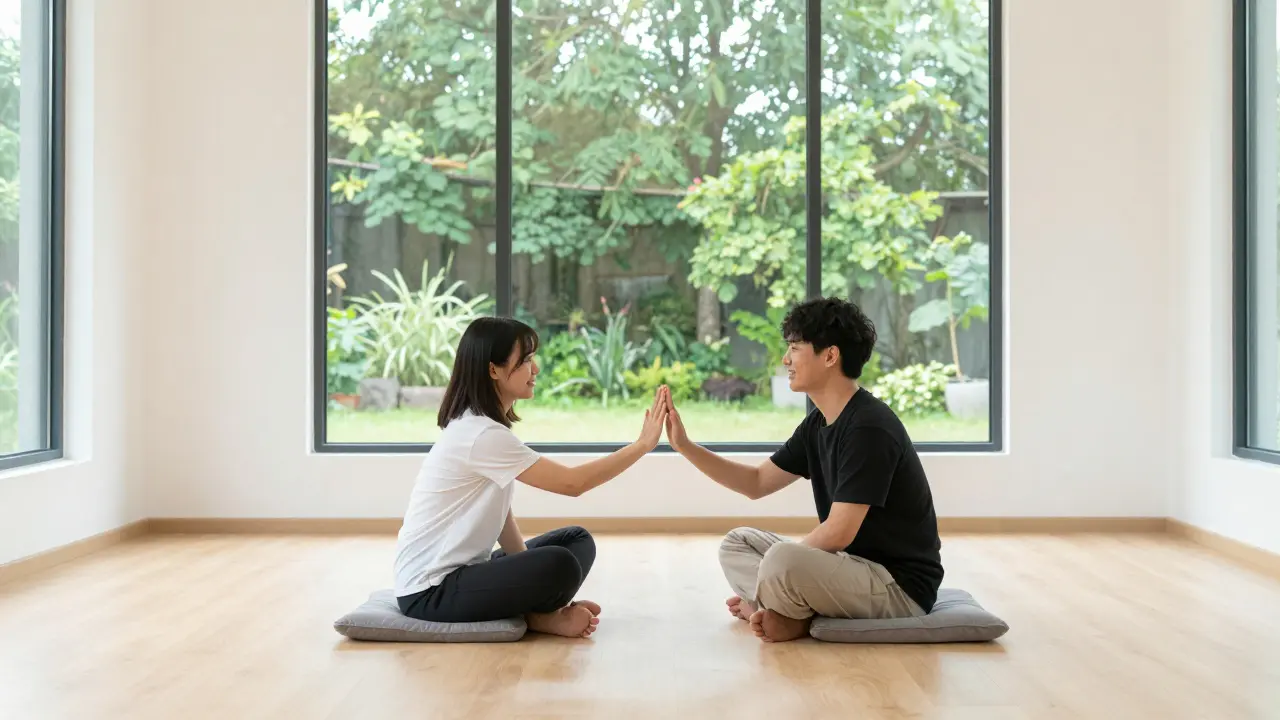
Yoga is often practiced individually, but it has deep roots in community and shared energy. Breema encourages giving and receiving, fostering a sense of connection and empathy. When you offer Breema to a friend or partner, you practice compassion and presence. You learn to listen with your hands, sensing what the other person needs without words.
This interpersonal aspect enhances your yoga practice by cultivating *Ahimsa* (non-violence) and *Maitri* (loving-kindness). These are core yogic virtues that extend beyond the mat. By regularly engaging in gentle touch exchanges, you build stronger relationships and a supportive network. This social support is crucial for long-term wellness, providing encouragement during difficult times and celebration during successes.
Consider joining a local Breema group or workshop. Even if you are already experienced in yoga, learning from others in a new modality can reignite your passion and provide fresh insights. You may discover that the simplicity of Breema challenges your complexity, leading to a more authentic and joyful practice.
Troubleshooting Common Integration Challenges
As you begin to blend Breema with yoga, you may encounter some hurdles. Here are solutions to common issues:
- Feeling Awkward: If self-touch feels strange at first, start with your hands. They are familiar and neutral. Gradually move to other areas as you become comfortable.
- Distracted Mind: If your mind wanders during strokes, gently bring it back. Don’t judge yourself. The goal is practice, not perfection.
- Partner Resistance: If you want to share Breema with a partner who is skeptical, explain the benefits clearly. Offer a short, five-minute session to let them experience the calm firsthand.
Remember, integration is a gradual process. Be patient with yourself. Allow the practices to merge naturally over time. You may find that certain days call for more Breema, while others require more vigorous yoga. Trust your intuition and adjust accordingly.
Can I practice Breema if I am a beginner in yoga?
Absolutely. Breema is accessible to everyone, regardless of their yoga experience level. In fact, beginners may find it particularly helpful as it teaches body awareness and relaxation techniques that complement basic yoga poses. It helps you connect with your breath and reduce anxiety, making your initial yoga journey smoother and more enjoyable.
Do I need special training to perform Breema strokes?
While formal training is available and beneficial for deeper understanding, the basic strokes are simple enough to learn from reliable guides or videos. The key is to maintain gentleness and intention. You can start with self-administered strokes immediately without any certification. As you progress, consider taking a workshop to refine your technique and learn more advanced applications.
How often should I incorporate Breema into my routine?
There is no strict rule, but consistency yields the best results. Try incorporating a few minutes of Breema strokes daily, either before or after your yoga practice. Even two to three minutes of focused, gentle touch can make a significant difference in your mental state. Listen to your body’s needs; some days you may crave more, while others require less.
Is Breema suitable for people with chronic pain?
Breema can be very soothing for those with chronic pain, as it promotes relaxation and reduces stress-related tension. However, it is not a substitute for medical treatment. Always consult with your healthcare provider before adding new therapies to your regimen, especially if you have serious health conditions. Breema works best as a complementary practice alongside conventional care.
Can Breema replace meditation in my yoga practice?
No, Breema does not replace meditation; rather, it enhances it. Think of Breema as a tool that supports your meditative state. It helps quiet the mind and settle the body, making it easier to enter deep meditation. Combining both practices creates a synergistic effect, leading to greater overall well-being and spiritual growth.