The Health Benefits of Nuru Massage: Physical and Emotional Wellness
Most people think of nuru massage as an adult novelty. You’ve seen the clips online or heard the whispers in bars. But strip away the stigma and the sensationalism, and you find a practice with roots in traditional Japanese bodywork that offers genuine physical and mental health benefits. It’s not just about pleasure; it’s about deep tissue connection, intense relaxation, and skin health.
If you’re curious about whether this type of body-to-body therapy has merit beyond the bedroom, you’re in the right place. We’re going to break down the actual mechanics of how nuru massage works, why your nervous system responds so positively to it, and what makes it different from a standard Swedish massage. Let’s look at the facts.
What exactly is Nuru massage?
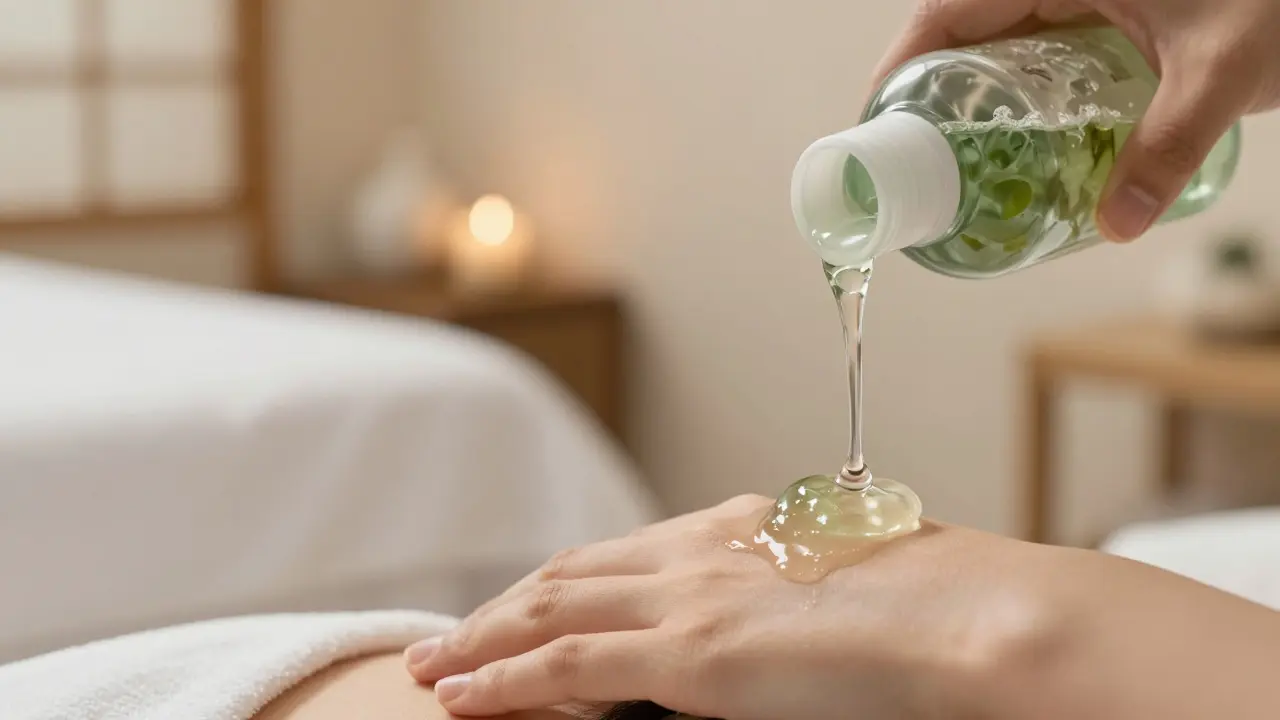
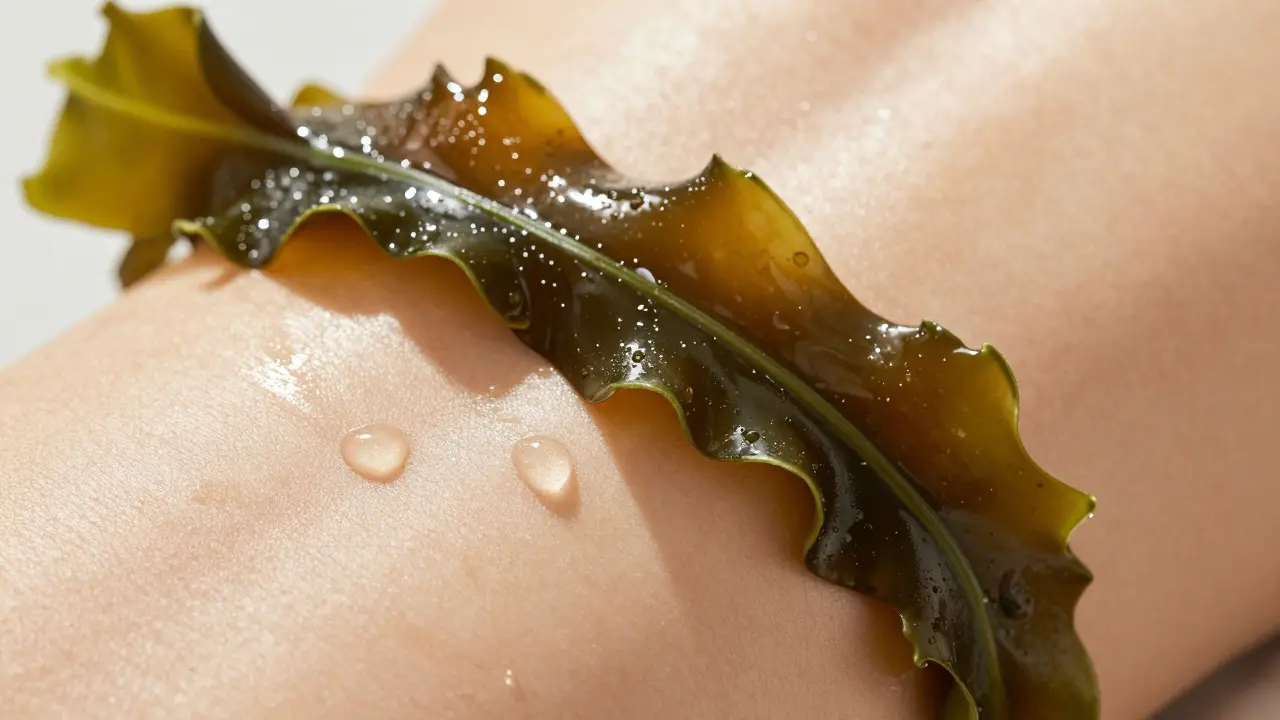
Nuru massage is a form of body-to-body massage originating from Japan that uses a special seaweed-based gel (nuru gel) to allow for full-body sliding contact between therapist and client. The term "nuru" means "slippery" in Japanese. Unlike oil-based massages where the therapist’s hands do most of the work, nuru utilizes the entire surface area of the therapist’s body to apply pressure and glide over the client’s skin.
The Science of Touch and Nervous System Regulation
Your body isn’t just a machine; it’s a network of signals. When you’re stressed, your sympathetic nervous system-the "fight or flight" mode-stays engaged. This leads to tight muscles, shallow breathing, and poor sleep. Nuru massage targets this directly through prolonged, warm, full-body contact.
The key here is oxytocin. Often called the "love hormone," oxytocin is released during intimate touch. Studies on human tactile interaction show that sustained skin-to-skin contact lowers cortisol levels significantly. In a nuru session, the constant gliding motion creates a rhythmic, predictable sensory input. This predictability tells your brain that you are safe. Your heart rate drops. Your blood pressure stabilizes. It’s a biological reset button.
Consider the difference between a quick handshake and a long hug. The handshake is transactional. The hug is regulatory. Nuru massage extends that regulatory effect across your entire body surface. For people suffering from chronic anxiety or PTSD, this type of deep somatic regulation can be more effective than talk therapy alone because it addresses the physical storage of trauma in the muscles.
Skin Health and Hydration Benefits
Let’s talk about the gel. Standard massage oils can clog pores if they’re too heavy, or evaporate too quickly, leaving skin dry. Nuru gel is different. It’s typically made from natural brown seaweed extract. Seaweed is rich in minerals like iodine, calcium, and magnesium, which are essential for skin barrier function.
When you use nuru gel, you’re not just lubricating; you’re hydrating. The gel forms a protective layer that locks moisture into the epidermis. After a session, many clients report their skin feels softer and more supple for days. This is particularly beneficial for people with dry skin conditions like eczema or psoriasis, provided there are no open wounds or active infections. The anti-inflammatory properties of seaweed can help soothe minor skin irritations.
Moreover, the friction-free nature of the gel means less micro-tearing of the skin cells. Traditional deep tissue massage sometimes causes temporary redness or bruising due to friction. Nuru minimizes this risk while still allowing for deep pressure application. It’s gentle on the surface but effective underneath.
Muscle Relaxation Without Aggression
Deep tissue massage is great, but it hurts. A lot of people avoid it because they associate pain with healing. Nuru offers a middle ground. Because the therapist uses their body weight rather than just their thumbs or elbows, the pressure is distributed evenly. It’s broad, deep, and steady.
This method helps release myofascial tension-the tightness in the connective tissue surrounding your muscles. Think of it like untangling a knot without pulling hard on one specific thread. The warmth of the therapist’s body also plays a role. Heat increases blood flow to the area, making muscles more pliable and easier to relax. If you have chronic back pain or shoulder stiffness from sitting at a desk all day, nuru can provide relief without the post-massage soreness that often follows aggressive techniques.

Emotional Connection and Intimacy Skills
In our digital age, we’re losing the ability to connect physically. We swipe left, we text, we video call. But we rarely just *touch* someone with intention. Nuru massage requires presence. Both the giver and receiver must be fully attentive to the sensations. This mindfulness aspect reduces mental clutter.
For couples, nuru massage can be a tool for rebuilding intimacy. It’s not necessarily sexual, though it can be erotic. It’s about learning to read each other’s bodies. How does your partner react to light touch versus firm pressure? Where do they hold tension? These insights translate to better communication in all areas of the relationship. It breaks down barriers around vulnerability and physical affection.
Even for singles, the experience can combat loneliness. The feeling of being held, touched, and cared for by another human being fulfills a basic psychological need. It reminds you that you are worthy of care. This boost in self-esteem and emotional well-being is a powerful, often overlooked benefit.
How Nuru Compares to Other Modalities
To understand where nuru fits, let’s compare it to common massage types. Each has its place, but they serve different needs.
| Feature | Nuru Massage | Swedish Massage | Deep Tissue Massage |
|---|---|---|---|
| Lubricant | Seaweed-based gel | Plant-based oils | Thick creams/oils |
| Contact Type | Full body-to-body | Hands/forearms only | Hands/elbows/knees |
| Primary Goal | Relaxation & intimacy | Circulation & relaxation | Pain relief & structure |
| Pressure Level | Medium to deep (distributed) | Light to medium | Deep (focused) |
| Best For | Anxiety, dry skin, couples | General wellness, beginners | Chronic pain, athletes |
Finding a Safe and Professional Practitioner
Because nuru massage has a reputation in the adult industry, finding a legitimate therapeutic practitioner can be tricky. Safety and consent are paramount. Here’s what to look for:
- Certification: Look for therapists certified in bodywork or massage therapy. Reputable schools offer nuru-specific training that emphasizes hygiene, boundaries, and technique.
- Hygiene Standards: The gel should be single-use or properly sanitized. Sheets and towels must be fresh for every client. Ask about their cleaning protocols.
- Clear Boundaries: A professional will discuss consent and limits before the session starts. They should make you feel comfortable saying "no" or "stop" at any time.
- Professional Environment: The setting should be clean, private, and professional. Avoid places that seem sketchy or lack clear pricing.
Don’t be afraid to ask questions. A good therapist will welcome them. If something feels off, trust your gut. The goal is wellness, not discomfort.
Who Should Avoid Nuru Massage?
While nuru massage is safe for most people, it’s not for everyone. Skip it if you have:
- Open Wounds or Infections: The gel could introduce bacteria or cause irritation.
- Severe Allergies: Check the ingredients in the gel. Some people are allergic to seaweed or certain preservatives.
- Recent Surgery: Wait until your doctor clears you for massage therapy.
- Contagious Skin Conditions: To protect both yourself and the therapist, avoid sessions if you have ringworm, herpes outbreaks, or other contagious issues.
Conclusion: Embracing Holistic Wellness
Nuru massage is more than a trend. It’s a return to the basics of human touch. In a world that’s increasingly disconnected, taking time to engage in a practice that prioritizes physical sensation, emotional safety, and skin health is a radical act of self-care. Whether you’re looking to relieve stress, improve your skin, or deepen your connection with a partner, nuru offers a unique path to wellness. Just remember to prioritize professionalism, safety, and your own comfort above all else.
Is Nuru massage painful?
No, nuru massage is generally not painful. The gel allows for smooth, friction-free movement, and the pressure is distributed across the therapist's body. While it can be deep, it should feel relaxing, not agonizing. Communicate with your therapist if the pressure is too much.
Can I do Nuru massage at home?
Yes, you can purchase nuru gel online and try it with a partner. However, proper technique matters. Watch tutorials or take a workshop to learn how to apply pressure safely and effectively. Always ensure you have a clean, non-slip surface and plenty of towels.
How long does a typical Nuru session last?
Sessions usually range from 60 to 90 minutes. This allows enough time for the gel to warm up, for deep relaxation to set in, and for the therapist to cover the entire body thoroughly. Shorter sessions may feel rushed.
Does Nuru massage require nudity?
Traditionally, yes, nuru involves full body contact, which often means nudity for both parties. However, modern therapeutic approaches respect client comfort levels. You can choose to wear underwear or keep clothing on certain areas if that makes you feel safer. Consent is key.
Is Nuru massage covered by insurance?
Rarely. Most health insurance plans do not cover nuru massage because it is often classified as an alternative or holistic therapy rather than a medical necessity. Check with your provider, but expect to pay out-of-pocket.