Aromatherapy for Meditation: Best Essential Oils and Techniques
You sit down to meditate. You close your eyes. But instead of peace, you get a racing mind, an itchy nose, or the distraction of traffic noise outside. Sound familiar? You are not alone. Many people struggle to quiet their thoughts during meditation because they rely solely on willpower. What if you could use your sense of smell-the most direct path to the brain’s emotional center-to anchor your practice?
This is where aromatherapy becomes more than just a spa trend. It is a practical tool that bridges the gap between physical sensation and mental stillness. By introducing specific scents into your routine, you signal to your nervous system that it is time to switch from "doing" mode to "being" mode.
Why Smell Matters in Mindfulness
To understand why aromatherapy works so well with meditation, you have to look at how your brain processes information. When you see something, the signal goes through several processing centers before reaching your emotions. But when you smell something, the olfactory nerve sends signals directly to the limbic system. This is the part of your brain responsible for memory, emotion, and behavior.
This direct line means that scent can bypass your logical, critical thinking almost instantly. A whiff of lavender doesn't just smell nice; it triggers a physiological response that can lower heart rate and reduce cortisol levels. In the context of meditation, this biological shortcut helps you settle faster. Instead of fighting against anxiety or restlessness, you let the scent do the heavy lifting while you focus on your breath.
Research supports this connection. Studies published in journals like Complementary Therapies in Medicine have shown that inhaling certain essential oils can significantly reduce state anxiety compared to placebo groups. For someone trying to establish a daily meditation habit, this chemical assistance can be the difference between giving up after three days and sticking with it for months.
The Top Essential Oils for Deep Focus and Calm
Not all essential oils are created equal when it comes to meditation. Some energize you, which is great for morning yoga but terrible for deep contemplation. Others sedate you too much, making you sleepy rather than mindful. Here are the five most effective oils for enhancing your practice, based on their chemical profiles and traditional usage.
| Essential Oil | Primary Benefit | Best For | Scent Profile |
|---|---|---|---|
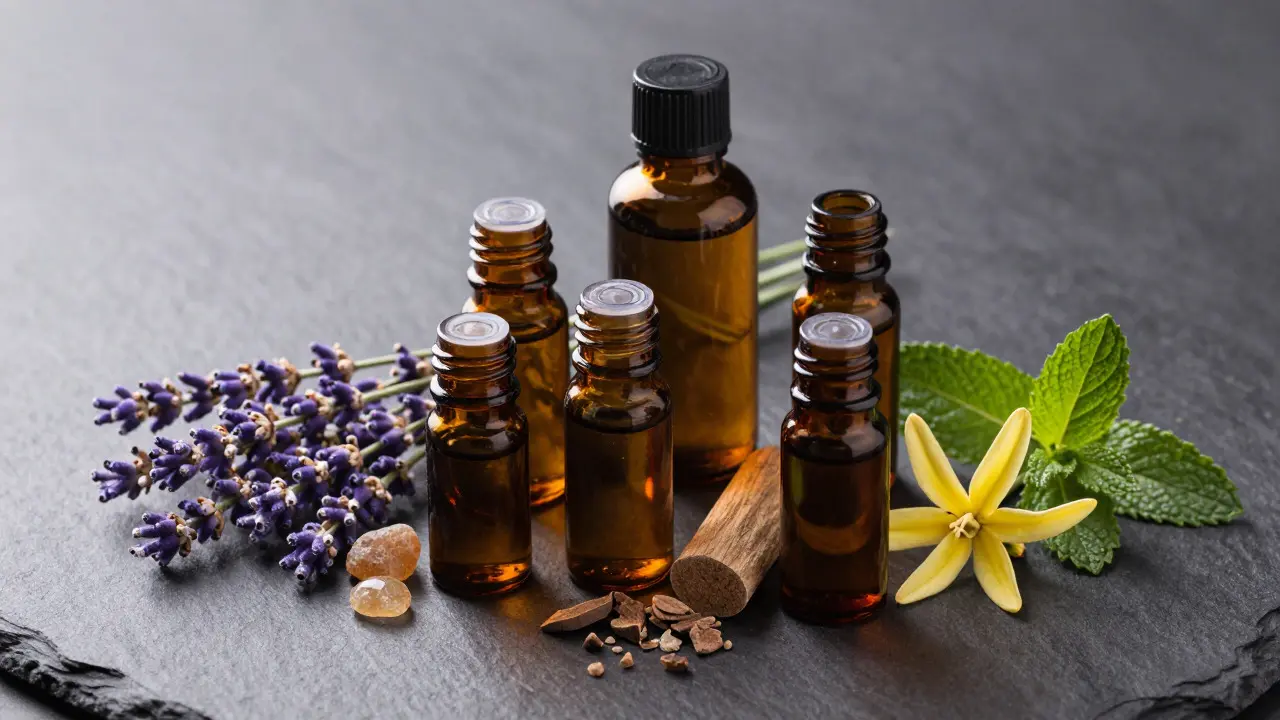
| Lavender | Anxiety reduction | Beginners, stress relief | Floral, sweet, herbaceous |
| Frankincense | Deep breathing, spiritual grounding | Advanced practitioners, Vipassana | Woody, resinous, earthy |
| Sandalwood | Mental clarity, focus | Long sessions, concentration | Creamy, woody, warm |
| Ylang Ylang | Emotional balance, euphoria | Heart-opening practices | Rich, fruity, floral |
| Peppermint | Alertness, energy | Morning meditation, fatigue | Sharp, cooling, minty |
Lavender is the gold standard for a reason. Its high linalool content has proven calming effects. If you are new to meditation and find your mind jumping around, start here. Frankincense, however, is often called the "oil of kings" for its ability to deepen respiration. Slower breathing leads to deeper states of meditation, making it ideal for longer sessions. Sandalwood offers a middle ground, providing enough warmth to keep you grounded without dragging you into sleepiness.
How to Integrate Scent Into Your Practice
You don’t need an expensive diffuser to start using aromatherapy for meditation. In fact, simpler methods often work better because they create a stronger personal association. Here are three ways to incorporate these oils into your routine.
- The Inhaler Method: Use a wooden reed inhaler or simply place one drop of oil on a cotton ball. Keep it near your meditation cushion. Inhale deeply once before you begin, and again if you feel distracted. This creates a clear "start" signal for your brain.
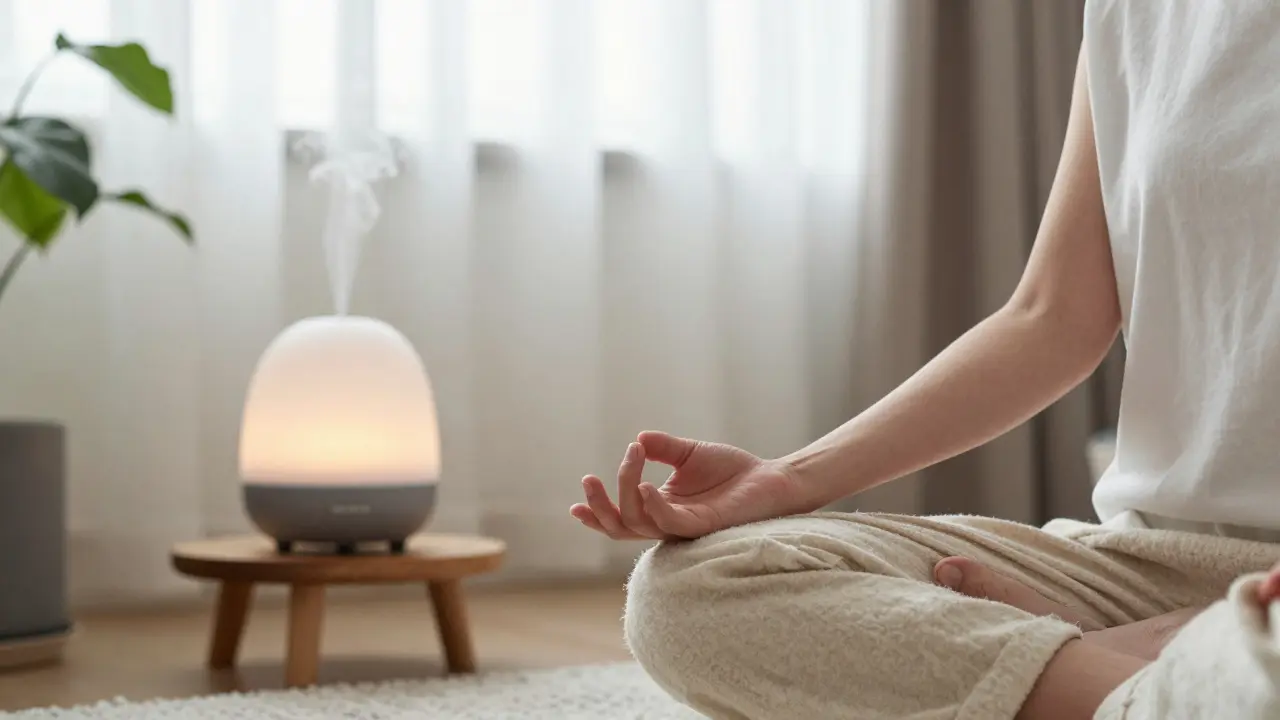
- The Diffuser Setup: If you meditate in a dedicated space, use an ultrasonic diffuser. Add 3-5 drops of your chosen oil to water. Turn it on five minutes before you sit. This fills the room with a subtle mist, allowing passive inhalation throughout the session.
- The Pulse Point Technique: Dilute one drop of essential oil with two drops of carrier oil (like jojoba or fractionated coconut oil). Apply it to your wrists or behind your ears. As you move your hands during mudras or simply breathe, you catch faint whiffs of the scent, keeping you anchored in the present moment.
Avoid applying undiluted essential oils directly to your skin, as this can cause irritation. Always patch-test new oils. Also, remember that less is more. Overpowering scents can become distractions themselves. You want the aroma to be a background presence, not the main event.
Creating a Ritual for Consistency
The real power of combining aromatherapy and meditation lies in consistency. Every time you light that candle or diffuse that oil, you are building a neural pathway. Eventually, the scent alone will trigger a relaxed state, even before you’ve closed your eyes. This is known as classical conditioning.
To build this ritual, choose one specific scent for your practice and stick with it for at least three weeks. Do not rotate oils daily. Your brain needs repetition to form the association. For example, if you always use sandalwood for your morning ten-minute sit, your body will eventually anticipate the calm that follows the scent.
Consider pairing the scent with another sensory cue, like lighting a specific candle or playing a low-frequency bell. The combination of visual, auditory, and olfactory cues creates a robust environment for mindfulness. When life gets chaotic, entering this prepared space becomes a sanctuary.
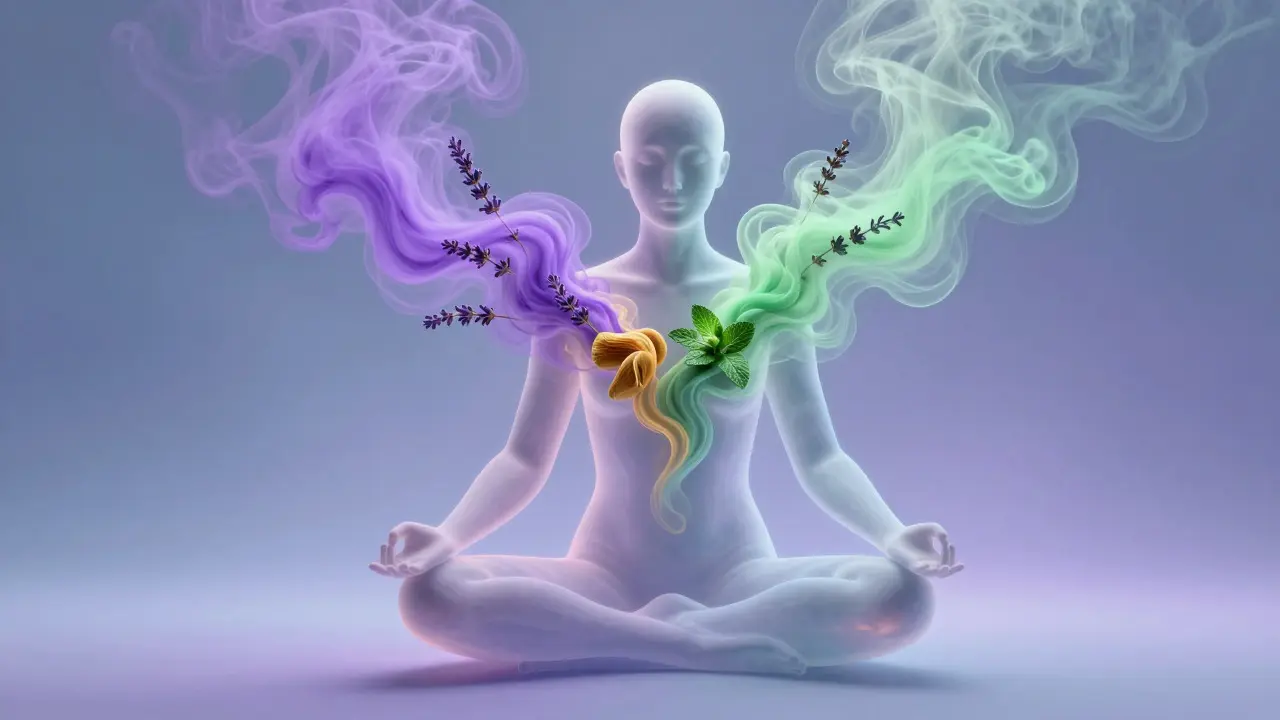
Pitfalls to Avoid
While aromatherapy is beneficial, it is not magic. It won’t fix underlying trauma or replace professional therapy for severe anxiety. It is a supportive tool. One common mistake is relying on the scent to "fix" a bad day rather than using it to enhance awareness. If you are angry or upset, acknowledge those feelings first. Let the oil help you observe them without judgment, rather than masking them.
Another pitfall is quality. The market is flooded with synthetic fragrance oils labeled as "essential." These lack the therapeutic compounds found in pure plant extracts. Look for bottles that specify the botanical name (e.g., Lavandula angustifolia) and ensure they are 100% pure. If the price seems too good to be true, it probably is. Cheap oils can cause headaches, which defeats the purpose of meditation.
Troubleshooting Your Session
Even with the right setup, some sessions will feel harder than others. Here is how to adjust based on what you experience.
- If you feel drowsy: Switch from lavender or ylang ylang to peppermint or rosemary. These citrus and herbal notes stimulate the mind without causing agitation.
- If you feel restless: Try frankincense or cedarwood. Their heavy, grounding properties help anchor floating thoughts back to the body.
- If you feel overwhelmed by the scent: Move further away from the source. Open a window. Sometimes, our sensitivity changes based on hormonal cycles or stress levels. Trust your body’s feedback.
Remember, the goal of meditation is not to achieve a perfect state of bliss every time. It is to show up. The scent is just a friendly hand guiding you back to the mat when you wander off.
Can I use any essential oil for meditation?
Technically, yes, but results vary wildly. Citrus oils like lemon or orange can be uplifting but may be too stimulating for deep relaxation. Heavy florals like jasmine can be intoxicating. Stick to calming woods (sandalwood, cedar) or gentle herbs (lavender, chamomile) for best results in traditional meditation.
Is aromatherapy safe for everyone?
Most healthy adults can use aromatherapy safely. However, pregnant women, young children, and pets (especially cats) should avoid certain oils. Tea tree, eucalyptus, and peppermint can be toxic to cats. Always consult a doctor if you have respiratory conditions like asthma, as strong scents can trigger attacks.
How long does the effect last?
The immediate physiological effects, such as lowered heart rate, can last for 30 to 60 minutes after exposure. The psychological association, however, builds over weeks. With consistent use, the mere thought of the scent can induce a meditative mindset.
Do I need a diffuser?
No. While diffusers spread scent evenly, they are not necessary. Direct inhalation from a bottle or a tissue is often more potent for individual practice. Hot water steam inhalation is another free and effective method.
What is the best time to meditate with aromatherapy?
Morning is ideal for setting intentions and gaining clarity, using lighter scents like citrus or peppermint. Evening is better for releasing stress and preparing for sleep, using heavier scents like lavender or frankincense. Choose based on your desired outcome for the session.