Fire Massage: Benefits, Safety, and What to Expect
Imagine lying on a warm table while a therapist moves a heated stone or a flame-adjacent tool across your muscles. It sounds intense, but fire massage is a therapeutic technique that uses controlled heat to relax muscles, improve circulation, and reduce stress. Unlike a standard Swedish massage, this modality engages the nervous system through thermal stimulation, offering a unique path to physical and mental relief. If you are considering booking a session, understanding exactly what happens during the treatment-and how it differs from other heat therapies-is key to getting the most out of the experience.
What Is Fire Massage?
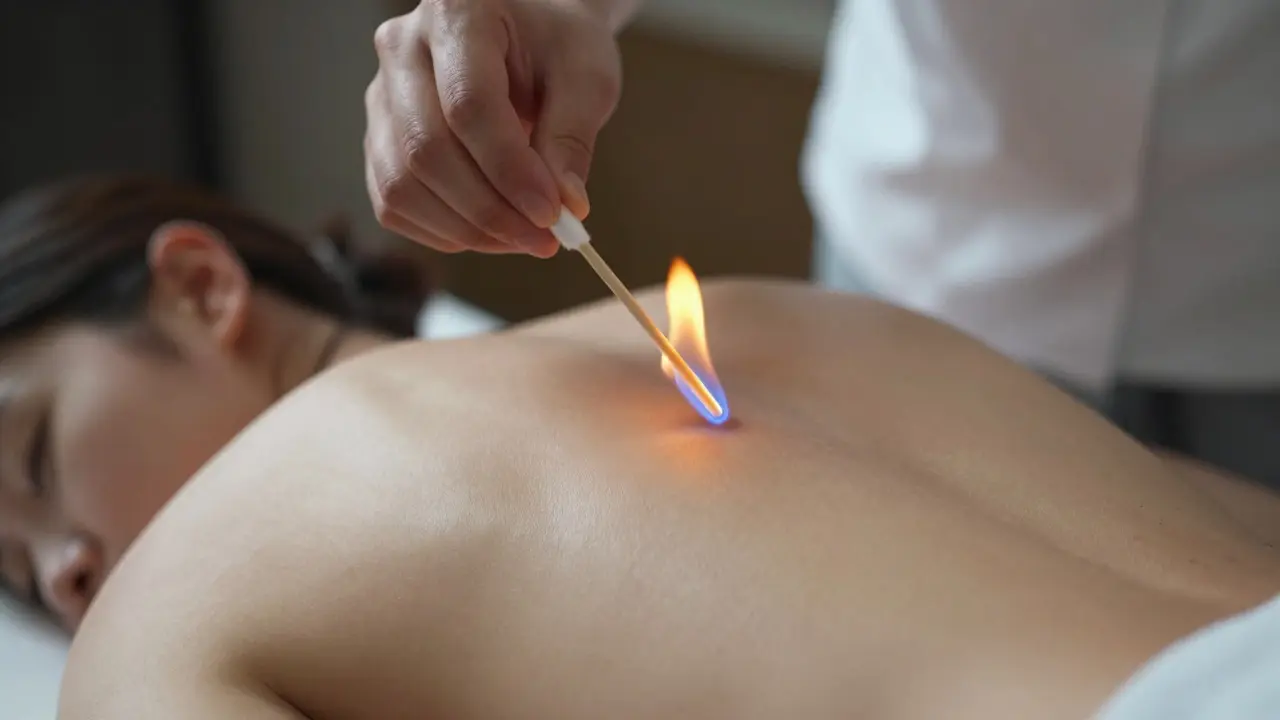
Fire massage is a specialized bodywork practice that incorporates open flames, heated stones, or infrared lamps to deliver deep warmth to the tissues. The core principle relies on thermotherapy, where external heat sources penetrate the skin to dilate blood vessels and relax tight muscle fibers. In many clinics, particularly in Melbourne and across Australia, practitioners often use a combination of methods rather than just one. For example, a session might start with hot stones to warm up the surface layer, followed by a brief application of a flannel soaked in essential oils that is ignited for a fraction of a second. This creates a rapid burst of heat without burning the skin, stimulating the sensory nerves and triggering a profound relaxation response.
The term can be confusing because it overlaps with several other modalities. While some people associate fire massage exclusively with the dramatic imagery of flames dancing over the back, professional settings prioritize safety and consistency. The goal is not spectacle but physiological effect. By applying heat strategically, therapists target trigger points and areas of chronic tension that are difficult to reach with manual pressure alone.
How It Works: The Physiology of Heat
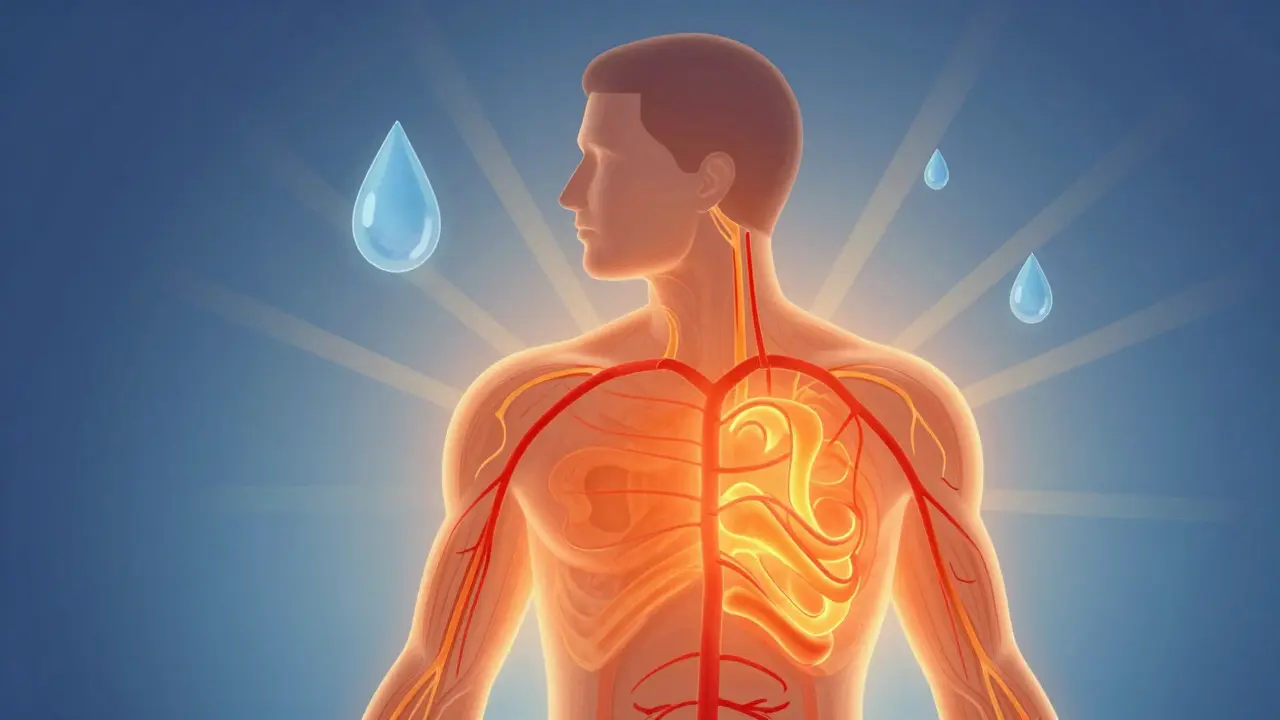
To understand why fire massage works, you need to look at how the body reacts to temperature changes. When heat is applied to the skin, thermoreceptors send signals to the brain, which responds by releasing endorphins-the body’s natural painkillers. Simultaneously, blood vessels near the surface expand, a process known as vasodilation. This increased blood flow brings more oxygen and nutrients to the muscles while carrying away metabolic waste products like lactic acid.
This mechanism is similar to using a heating pad at home, but the intensity and duration are carefully controlled by a trained professional. In a typical session, the heat penetrates deeper than superficial warming devices can achieve, reaching the fascia and deeper muscle layers. This deep tissue relaxation helps break up adhesions and improves range of motion. For individuals dealing with conditions like fibromyalgia or chronic lower back pain, this targeted thermal approach can provide relief that lasts longer than a standard relaxation massage.
Common Techniques and Tools
Not all fire massages look the same. Practitioners use various tools depending on the client's needs and comfort level. Here are the most common methods you will encounter:
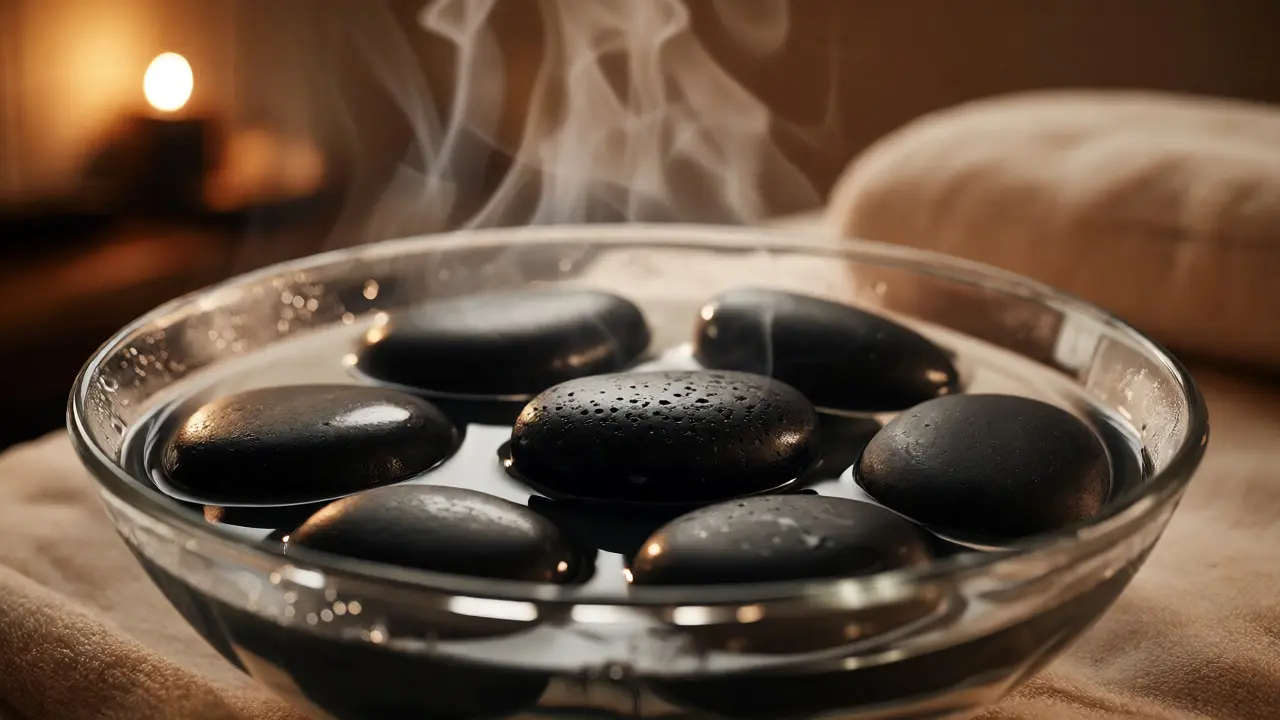
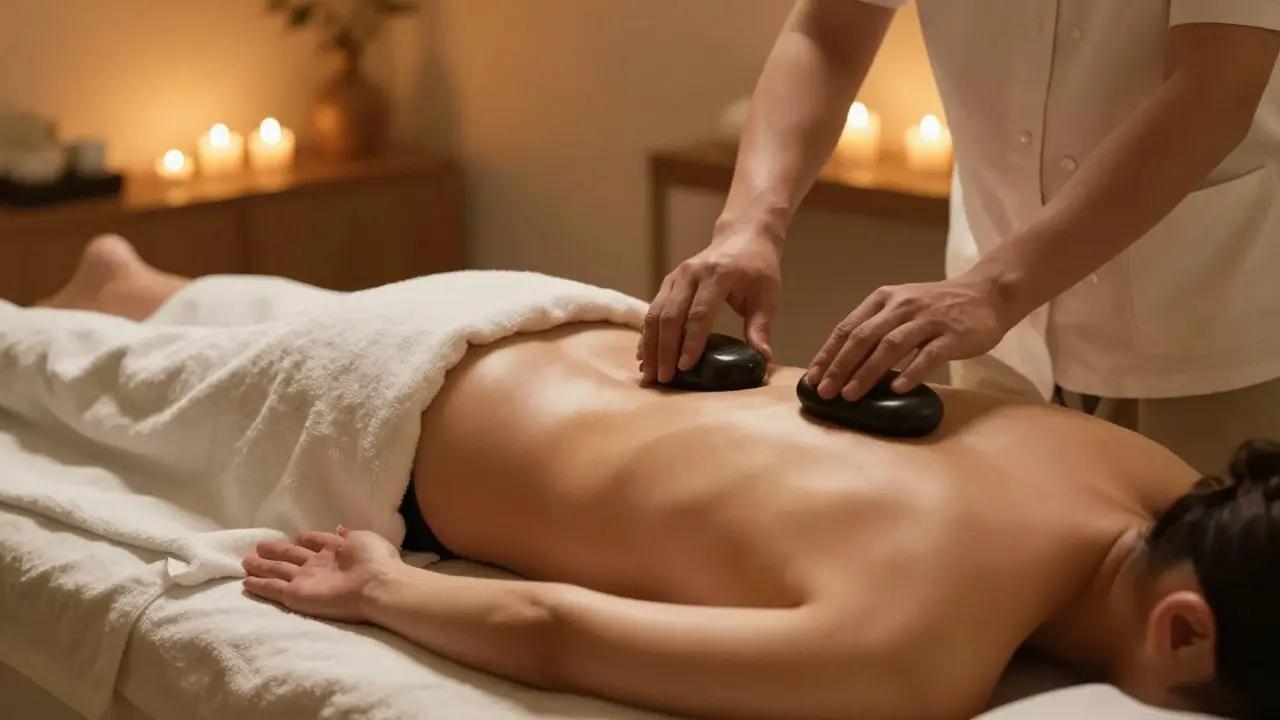
- Hot Stone Therapy: Basalt stones are heated to around 50-55°C (122-131°F). They are placed along the spine and limbs or used as extensions of the therapist’s hands to apply pressure. This is the safest form of heat therapy and is suitable for most people.
- Infrared Lamps: These devices emit radiant heat that penetrates the skin without touching it. They are often used at the beginning of a session to warm up the entire body evenly before manual work begins.
- Flame Application: A cotton swab or flannel soaked in alcohol or essential oil is lit and quickly passed over the skin. The flame touches the skin for less than a second, creating a sharp, intense heat sensation that shocks the nervous system into relaxation. This requires a highly skilled practitioner to avoid burns.
- Warming Oils and Compresses: Herbal poultices or oils infused with warming ingredients like ginger or cayenne pepper are applied to the skin. This provides a sustained, milder heat that continues working even after the session ends.
Many therapists combine these techniques. For instance, they might use an infrared lamp to warm the back, then use hot stones to work out specific knots, and finish with a brief flame application to stimulate energy flow. This layered approach ensures that different depths of tissue are addressed effectively.
Benefits of Fire Massage
The advantages of incorporating heat into your massage routine extend beyond simple comfort. Research into thermotherapy suggests several tangible health benefits:
- Pain Reduction: Heat distracts the brain from pain signals (the gate control theory) and reduces inflammation in joints and muscles.
- Improved Circulation: Enhanced blood flow speeds up recovery after exercise and helps deliver nutrients to damaged tissues.
- Stress Relief: The combination of touch and heat lowers cortisol levels and promotes the release of serotonin and dopamine, improving mood and sleep quality.
- Muscle Relaxation: Tight muscles are less likely to spasm when warmed, making it easier for the therapist to manipulate them and restore normal length.
For active individuals, such as runners or gym-goers in Melbourne, fire massage can be an effective part of a recovery strategy. The deep heat helps flush out toxins accumulated during intense workouts, reducing the risk of delayed onset muscle soreness (DOMS). However, it is not a cure-all; it works best as a complementary therapy alongside proper hydration, nutrition, and rest.
Safety Precautions and Who Should Avoid It
While generally safe, fire massage is not suitable for everyone. Because the treatment involves high temperatures, certain medical conditions require caution. Always disclose your health history to your therapist before starting a session. You should avoid or modify fire massage if you have:
- Diabetes: Reduced sensitivity in the extremities can make it hard to feel if the heat is too intense, increasing burn risk.
- Circulatory Problems: Conditions like varicose veins or peripheral artery disease may be exacerbated by extreme heat.
- Open Wounds or Skin Infections: Heat can spread bacteria and slow healing in infected areas.
- Pregnancy: While mild heat is usually fine, intense thermal treatments should be avoided during the first trimester and in the abdominal area.
- Thyroid Disorders: Hyperthyroidism can cause excessive sweating and heat intolerance, making the session uncomfortable.
Even for healthy individuals, communication is crucial. If the heat feels too hot, say so immediately. Therapists prefer feedback over guessing. A good practitioner will ask about your comfort level every few minutes, adjusting the temperature or distance of the heat source accordingly. Never hesitate to ask for a break or a reduction in intensity.
What to Expect During Your First Session
If you are new to fire massage, here is a step-by-step guide to what typically happens:
- Consultation: The therapist will discuss your goals, any pain points, and medical history. They will explain the techniques they plan to use and ask for your consent for each method.
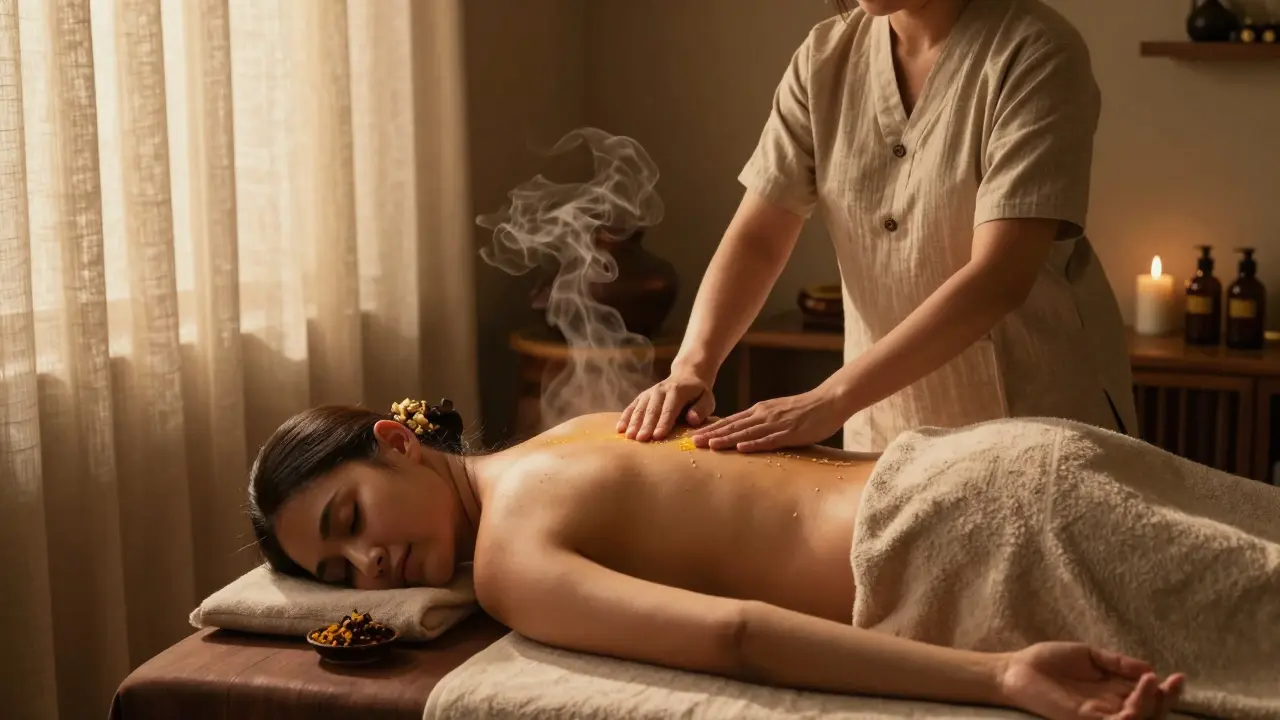
- Preparation: You will lie on a massage table, covered with a sheet. The therapist may apply a light oil or lotion to facilitate movement. If using hot stones, they will test the temperature on their own wrist or your forearm first.
- Heating Phase: The session often starts with gentle strokes and the introduction of heat. You might feel a pleasant warmth spreading through your muscles. If flame is used, expect a quick, startling sensation that fades rapidly into relaxation.
- Deep Work: As your muscles loosen, the therapist may apply deeper pressure. The heat makes this more comfortable, allowing them to work on stubborn knots without causing excessive discomfort.
- Cool Down and Aftercare: The session ends with lighter strokes. The therapist may recommend drinking water to help flush out toxins and suggest stretches to maintain flexibility.
The entire process usually lasts between 60 and 90 minutes. Most people report feeling heavy, relaxed, and deeply calm afterward. Some may experience mild muscle soreness for a day or two, similar to what you might feel after a vigorous workout, but this is a sign that the muscles are responding to the treatment.
Choosing the Right Practitioner
Quality matters immensely in fire massage. Because the technique involves potential risks like burns, you want a certified professional who has undergone specific training in thermotherapy. Look for practitioners who hold credentials in massage therapy and have additional certifications in hot stone or fire massage. In Australia, ensure they are registered with a recognized body such as the Australian Association of Massage Therapists (AAMT) or hold a relevant diploma in massage therapy.
Read reviews and ask about their experience with specific conditions. A reputable clinic will have strict hygiene protocols, including sterilizing stones between clients and using fresh linens. They should also provide clear aftercare instructions and be open to answering questions about the science behind the treatment. If a practitioner seems hesitant to explain how the heat works or rushes the consultation, it might be a red flag.
Comparing Fire Massage to Other Heat Therapies
How does fire massage stack up against other popular heat-based treatments? Here is a comparison to help you decide which option suits your needs:
| Therapy Type | Heat Source | Intensity | Best For | Risk Level |
|---|---|---|---|---|
| Fire Massage | Flames, Hot Stones, Infrared | High to Moderate | Deep tissue relaxation, chronic pain | Low (if practiced correctly) |
| Standard Swedish Massage | Room Temperature | Low | General relaxation, stress relief | Very Low |
| Hot Stone Massage | Heated Basalt Stones | Moderate | Muscle tension, circulation improvement | Low |
| Infrared Sauna | Radiant Panels | Moderate to High | Detoxification, cardiovascular health | Low |
As shown, fire massage offers a unique blend of manual manipulation and thermal therapy. While a standard Swedish massage is great for general well-being, fire massage targets deeper issues with the added benefit of heat penetration. Infrared saunas provide systemic heat exposure but lack the personalized pressure and focus of a one-on-one massage session.
Frequently Asked Questions
Does fire massage hurt?
It should not hurt. You might feel a strong sensation of warmth or a brief sting if flame is used, but this should fade quickly. Pain is a signal to stop or adjust the temperature. Communicate with your therapist if anything feels uncomfortable.
How often should I get a fire massage?
For acute pain or injury, weekly sessions for four to six weeks may be recommended. For maintenance and general wellness, once a month or every six weeks is sufficient. Listen to your body; if you feel overly fatigued, space out the sessions.
Is fire massage safe for sensitive skin?
Generally, yes, but inform your therapist beforehand. Sensitive skin may react more strongly to heat, leading to temporary redness. Using lower temperatures and avoiding direct flame application can mitigate this risk.
Can I drink coffee before a fire massage?
It is better to avoid caffeine for at least three hours before the session. Caffeine is a diuretic and can lead to dehydration, which counteracts the benefits of improved circulation and detoxification.
What should I wear to a fire massage?
You will typically undress to your comfort level, usually down to underwear, and be draped with sheets. Wear loose, comfortable clothing to the appointment to make changing easy.