Creole Bamboo Massage: Healing Benefits & Techniques
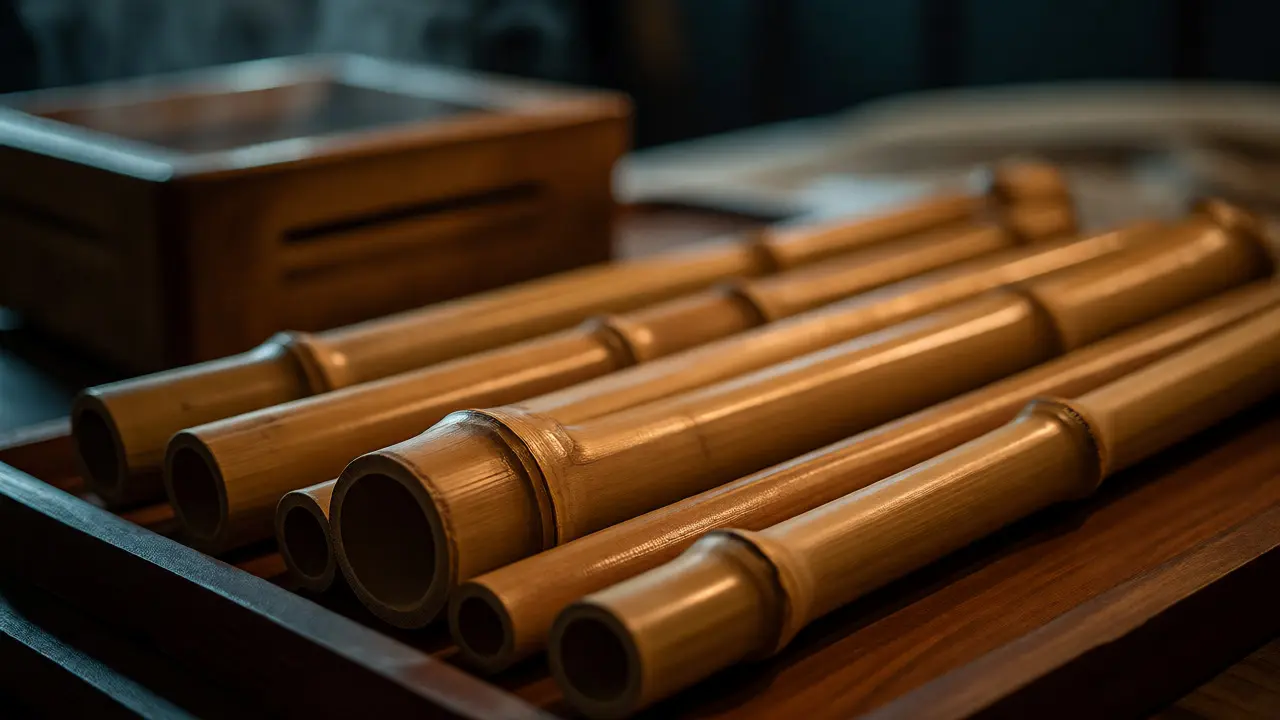
You’ve probably heard of Swedish massage or maybe even Thai herbal compresses. But have you ever felt the rhythmic, grounding pressure of warm bamboo sticks rolling across your spine? That’s Creole Bamboo Massage, a technique rooted in Caribbean tradition that blends heat, rhythm, and natural elements to reset your nervous system. It’s not just about relaxation; it’s a specific method designed to melt away deep-seated tension using tools found in nature. If you’re tired of generic spa treatments that leave you feeling merely "nice" but unchanged, this might be the shift you need.
Key Takeaways
- Origin: Creole Bamboo Massage stems from Caribbean folk medicine, utilizing local bamboo varieties for therapeutic heat retention.
- Mechanism: The technique uses heated bamboo poles to apply deep tissue pressure, stimulating circulation and lymphatic drainage.
- Benefits: Users report significant reduction in muscle knots, improved flexibility, and lowered cortisol levels after sessions.
- Safety: Always ensure the practitioner tests bamboo temperature on your skin before full application to avoid burns.
- Difference: Unlike standard oil massages, this relies on the hardness and warmth of the wood to penetrate fascia layers.
What Exactly Is Creole Bamboo Massage?
Let’s strip away the marketing fluff. At its core, Creole Bamboo Massage is a form of bodywork where smooth, cylindrical pieces of bamboo are used as extensions of the therapist's hands. Think of it like a foam roller, but smarter. The bamboo is typically harvested, dried, and polished to create varying diameters-some thin enough to trace nerve pathways, others thick enough to press into large muscle groups like the quadriceps or latissimus dorsi. The term "Creole" here refers to the cultural fusion found in the Caribbean islands, particularly within French-speaking regions like Martinique and Guadeloupe. These traditions merged African healing practices with indigenous Taíno knowledge and European techniques. The result? A modality that prioritizes flow and warmth over aggressive manipulation. When a therapist picks up those bamboo sticks, they aren’t just holding wood; they’re holding a tool that retains heat far longer than human hands ever could. This thermal element is crucial because heat dilates blood vessels, allowing the mechanical pressure to go deeper without causing pain signals to spike immediately.
The Science Behind the Warmth and Wood
Why bamboo? Why not plastic rollers or metal rods? It comes down to material properties. Bamboo has a unique cellular structure that allows it to hold heat evenly. When warmed to around 40-45°C (104-113°F), it acts as a thermal conduit. In contrast, metal cools too quickly, and plastic doesn’t conduct heat effectively enough to provide sustained therapeutic benefit. From a physiological standpoint, the combination of heat and pressure triggers two major responses. First, vasodilation occurs, increasing blood flow to the treated area. Second, the proprioceptive input-the feedback your muscles send to your brain-tells your nervous system to switch from sympathetic (fight-or-flight) to parasympathetic (rest-and-digest) mode. This isn't magic; it’s biology. Studies on thermotherapy show that localized heat application can reduce muscle stiffness by up to 30% in chronic pain sufferers. When you add the rhythmic rolling motion characteristic of Creole techniques, you also stimulate the lymphatic system, helping your body flush out metabolic waste products like lactic acid more efficiently.
Step-by-Step: What Happens During a Session
If you’ve never booked one, you might wonder what the experience actually feels like. Here is a typical breakdown of a 60-minute session.
- Consultation and Preparation: Your therapist will ask about medical history, specifically checking for conditions like varicose veins or recent injuries. You’ll lie face down on a table, usually covered with a sheet.
- Oil Application: A light layer of coconut or almond oil is applied to reduce friction. This is essential; dry bamboo would drag painfully against the skin.
- Warming the Tools: The bamboo sticks are heated in a specialized warmer or wrapped in hot towels. The therapist always tests the temperature on their own wrist first.
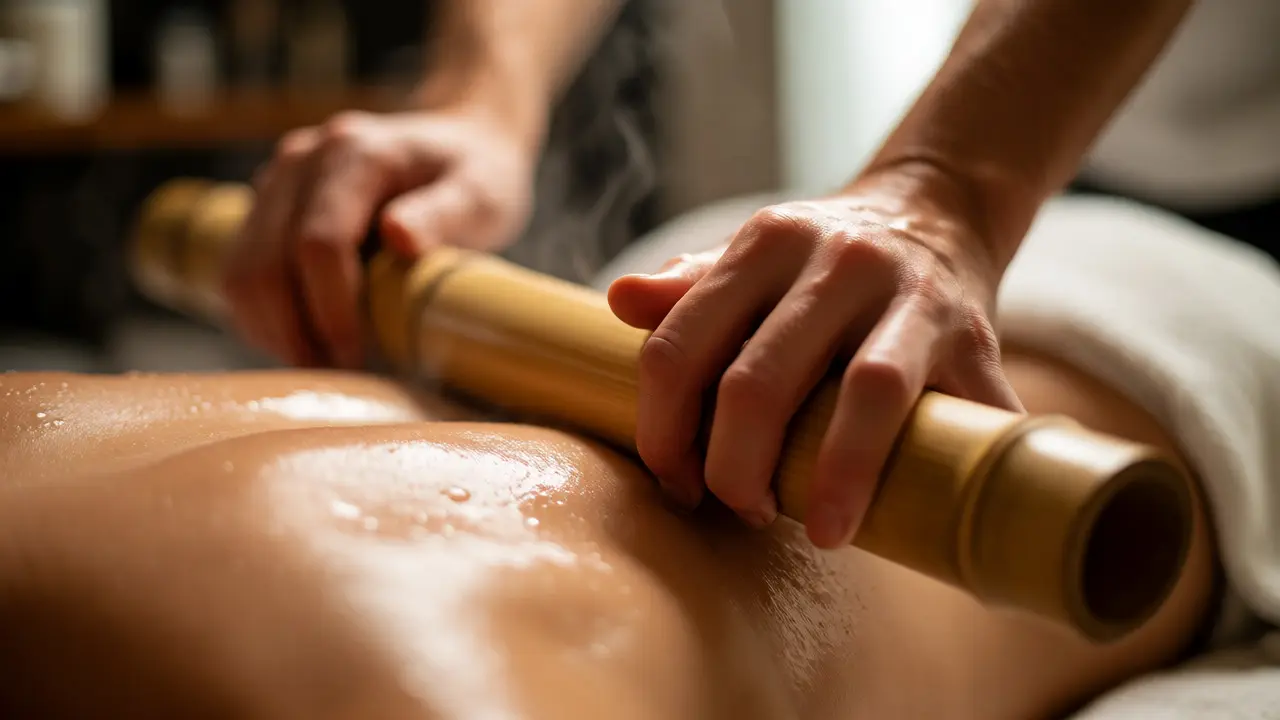
- Gross Rolling: Larger diameter bamboos are rolled along the back, legs, and arms. This initial phase spreads the heat and warms up superficial muscles.
- Deep Tissue Work: Smaller, denser pieces target specific trigger points. You might feel a "good hurt" here as the therapist works through adhesions in the fascia.
- Finishing Touches: The session ends with gentle sweeping motions and cooling oils to bring the body temperature back to baseline.
Comparing Creole Bamboo to Other Modalities
Not all massages are created equal. To help you decide if this fits your needs, let’s look at how it stacks up against other popular options.
| Feature | Creole Bamboo Massage | Swedish Massage | Deep Tissue Massage |
|---|---|---|---|
| Primary Tool | Heated Bamboo Sticks | Hands/Fingers | Elbows/Fists/Forearms |
| Heat Element | High (Thermal Core) | Low (Friction only) | None |
| Pain Level | Low to Moderate | Very Low | Moderate to High |
| Best For | Circulation, Fascia Release | General Relaxation | Chronic Muscle Knots |
| After-Soreness | Rare | Rare | Common (24-48 hours) |
Notice the difference in soreness. Because bamboo distributes pressure over a larger surface area than an elbow, it rarely leaves you bruised or tender the next day. This makes it ideal for people who want deep work but have low pain tolerance or busy schedules that don’t allow for recovery time.
Who Should Try It (And Who Should Skip It)
This isn’t a one-size-fits-all solution. It shines for certain demographics while being less suitable for others.
Ideal Candidates:- Athletes: Runners and cyclists often suffer from tight hamstrings and calves. The rolling action breaks up scar tissue without the agony of manual digging.
- Desk Workers: If you sit eight hours a day, your upper traps and lower back likely feel like concrete. The heat penetrates these dense areas effectively.
- Stress Sufferers: The rhythmic, repetitive nature of the rolling induces a meditative state, lowering heart rate faster than static holds.
- Pregnant Women: While generally safe, the intensity and heat require modification. Always consult your OB-GYN and choose a prenatal-certified therapist.
- People with Varicose Veins: Direct pressure on swollen veins can cause discomfort or damage. Avoid heavy rolling over affected areas.
- Those with Skin Sensitivities: If you react to nut oils (often used as carriers), request a synthetic or olive-based alternative.
Finding a Qualified Practitioner
Since this is a niche modality, not every spa offers it. Look for therapists certified in Holistic Health or specific bamboo massage training programs. Don’t be shy about asking questions. A good practitioner will explain exactly which parts of the bamboo they use for different body zones. They should also demonstrate hygiene protocols-bamboo must be cleaned and sanitized between clients to prevent bacterial buildup.
In Sydney, where wellness trends evolve rapidly, many studios blend traditional techniques with modern ergonomics. Check reviews for mentions of "therapeutic depth" rather than just "relaxation." If the reviews say "I fell asleep," that’s fine for Swedish, but for bamboo, you want comments like "my back finally unlocked."

DIY Tips for Home Maintenance
Can you replicate this at home? Sort of. You can buy bamboo massage sticks online for under $50. However, self-application lacks the leverage and angle control a professional provides. Use them gently on your calves or forearms after a workout. Never attempt to roll your own spine-you lack the visual feedback and weight distribution needed to do it safely. Pair home use with weekly professional sessions for best results.
Final Thoughts on Integration
Adding Creole Bamboo Massage to your routine isn’t about replacing yoga or gym sessions. It’s about maintenance. Think of it as servicing your vehicle. You drive daily (move daily), so you need regular checks to keep things running smoothly. The warmth and wood offer a sensory break from digital screens and cold air conditioning, reconnecting you with tactile, organic sensations.
Frequently Asked Questions
Does Creole Bamboo Massage hurt?
Generally, no. Most people describe it as a deep, warming pressure. Because the bamboo is round and smooth, it glides rather than digs. Any discomfort is usually mild and fades quickly once the muscle releases. If it hurts sharply, tell your therapist immediately-they can adjust the angle or switch to a softer stick.
How often should I get a bamboo massage?
For general wellness, once a month is sufficient. If you are dealing with acute injury recovery or high-stress periods, bi-weekly sessions can accelerate healing. Listen to your body; if you feel refreshed for three weeks, monthly is perfect. If you return to tension within a week, increase frequency.
Is bamboo massage better than hot stone massage?
They serve different purposes. Hot stones are stationary and provide intense, localized heat for deep relaxation. Bamboo is dynamic-it moves, rolls, and stretches tissues. If you need mobility and fascia release, bamboo wins. If you need pure stillness and heat penetration for insomnia, stones might be better.
What should I wear during the session?
Most spas provide disposable underwear or draping sheets. You will likely remain partially draped for modesty. Wear loose, comfortable clothing to and from the appointment. Avoid tight jeans or belts immediately after, as your muscles will be relaxed and sensitive to compression.
Are there any side effects?
Side effects are rare. Some people experience mild fatigue or emotional release due to the parasympathetic shift. Drink plenty of water afterward to help flush toxins released from muscle tissue. Bruising is uncommon but possible if excessive pressure is applied to fragile capillaries.