Chair Massage: The Key to a Healthy Lifestyle
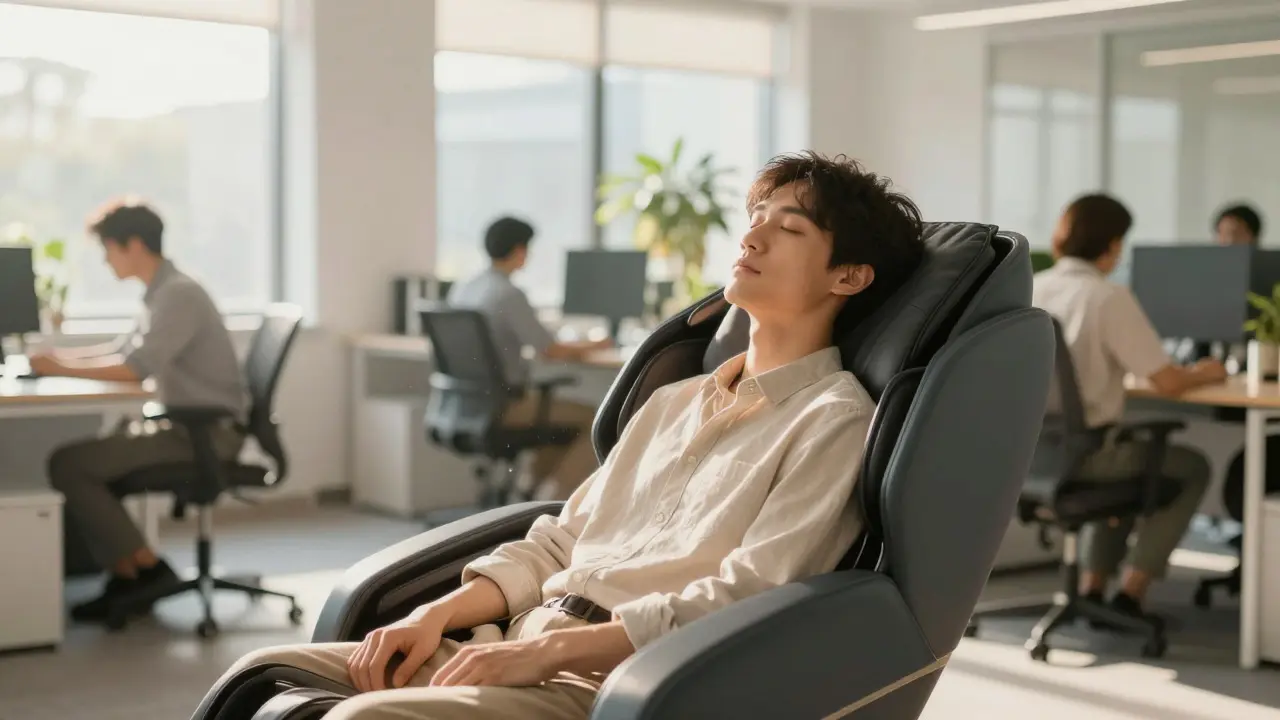
Picture this: it’s 3 PM on a Tuesday. Your shoulders are hunched up toward your ears, your lower back feels like a knot of steel cables, and your eyes burn from staring at screens for six hours straight. You don’t have time for a 60-minute deep tissue session at a spa. You don’t even have time to change into sweatpants. But you do have fifteen minutes before your next meeting.
This is where chair massage steps in as a game-changer. It isn't just a fancy perk for corporate executives or a quick fix for sore muscles. When done right, chair massage is a potent tool for maintaining physical health and mental clarity in a high-pressure world. It bridges the gap between sedentary living and active recovery, offering immediate relief without the logistical hassle of traditional table massage.
What Exactly Is Chair Massage?
At its core, chair massage is a form of therapeutic bodywork performed while the client remains fully clothed and seated in a specialized ergonomic chair. Unlike table massage, which often requires undressing and lying face down, chair massage focuses primarily on the upper body-specifically the neck, shoulders, back, arms, and hands. Sometimes, if the chair allows, the legs and feet are included too.
The equipment matters here. These aren't your standard office chairs. They are designed with adjustable headrests, armrests, and footrests that support the body in a neutral, relaxed position. This setup allows gravity to assist the therapist, enabling them to apply effective pressure without straining their own backs. The technique often draws from Shiatsu (Japanese finger pressure) and Swedish massage principles, focusing on acupressure points and muscle groups that hold tension.
Why Your Body Craves This Specific Relief
We spend roughly one-third of our lives sleeping, but for most modern workers, we spend another third sitting. Whether you’re driving, coding, or attending Zoom calls, your body is stuck in static postures. This leads to what physiotherapists call "upper crossed syndrome"-a pattern of tightness in the chest and upper back muscles combined with weakness in the deep neck flexors and lower traps.
Chair massage directly attacks these problem areas. Here is why it works so well:
- Targeted Myofascial Release: The fascia (connective tissue) around the trapezius and levator scapulae muscles gets sticky and tight from poor posture. Firm pressure helps break up adhesions, restoring mobility.
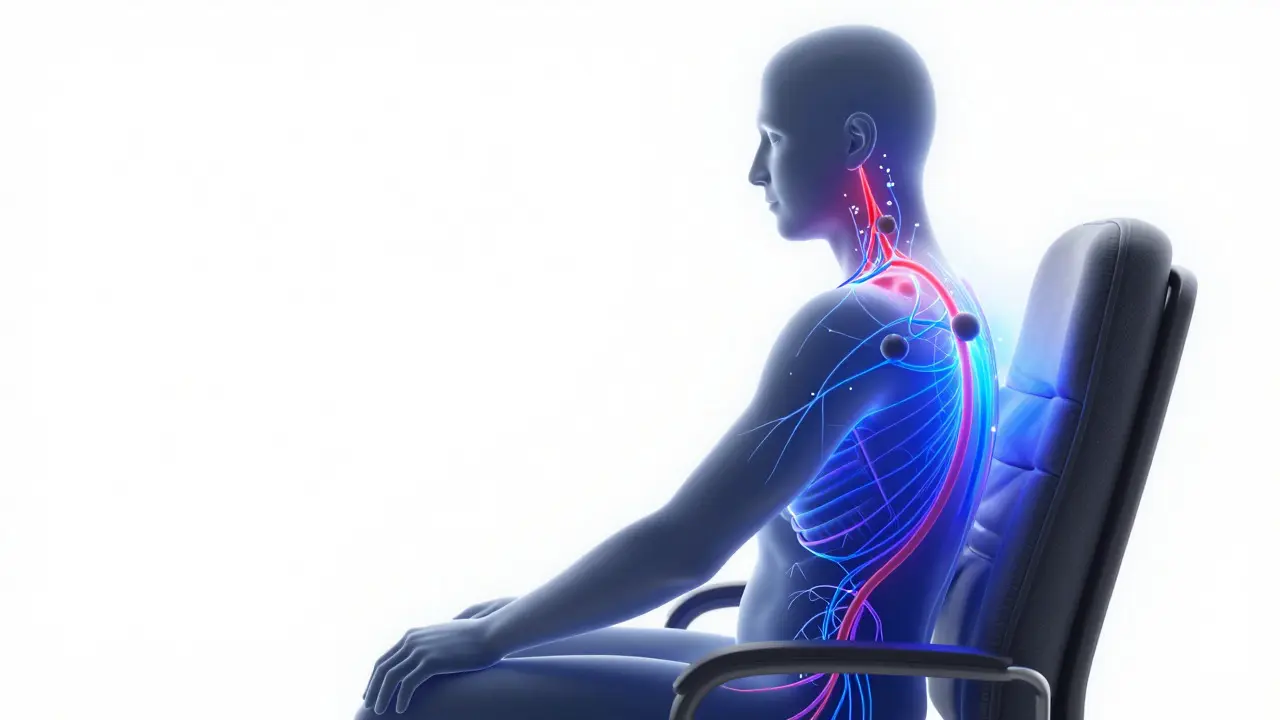
- Nervous System Reset: Touch stimulates the vagus nerve, signaling your parasympathetic nervous system to switch from "fight or flight" to "rest and digest." This lowers cortisol levels almost immediately.
- Circulation Boost: Sitting restricts blood flow. Massage increases circulation to the area, delivering oxygen and nutrients to starved tissues while flushing out metabolic waste products like lactic acid.
It’s not magic; it’s biomechanics. By releasing the tension in the upper cross-body chain, you reduce the load on your spine and improve your overall alignment.
The Science Behind the Stress Reduction
You might think a ten-minute rub-down is just a nice gesture. The data says otherwise. Studies published in journals like the Journal of Alternative and Complementary Medicine have shown that brief chair massages can significantly reduce heart rate and blood pressure. In one notable study involving office workers, participants reported a 48% reduction in perceived stress after a single 15-minute session.
But the benefits extend beyond the moment. Chronic stress keeps your body in a state of low-grade inflammation. Regular touch therapy has been linked to increased levels of serotonin and dopamine-the neurotransmitters responsible for mood regulation. For someone dealing with mild anxiety or burnout, chair massage acts as a physiological interrupter. It forces you to pause, breathe, and reconnect with your physical self.
Workplace Wellness: More Than Just a Perk
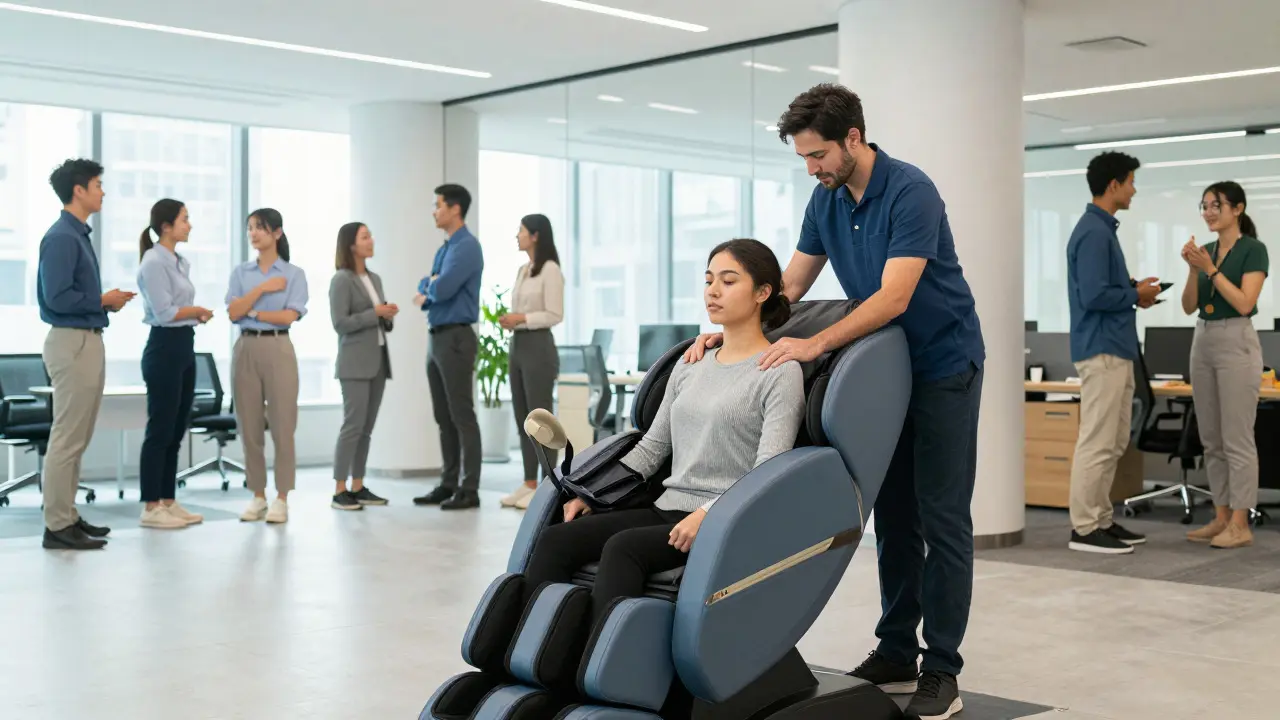
In Sydney, where the hustle culture is real, more companies are realizing that employee wellness isn't just about free fruit bowls. It's about preventing injury and boosting productivity. Chair massage fits perfectly into the workplace environment because it is non-intrusive and efficient.
| Feature | Table Massage | Chair Massage |
|---|---|---|
| Duration | Typically 60-90 minutes | Typically 10-20 minutes |
| Clothing | Usually required to undress | Fully clothed |
| Focus Area | Full body | Upper body (neck, shoulders, back) |
| Convenience | Requires appointment and travel | On-site, drop-in basis |
| Primary Goal | Deep relaxation, full-body healing | Stress relief, posture correction, energy boost |
For employers, the ROI is clear. Reduced absenteeism due to musculoskeletal disorders and higher employee satisfaction scores are common outcomes. For employees, it’s a chance to reset mid-day without leaving the building. Imagine having a mobile therapist come to your office floor once a month. That accessibility removes the barrier of "I don't have time," making regular maintenance possible.
How to Get the Most Out of a Session
If you’ve never tried chair massage, you might feel awkward. You’re sitting upright, fully dressed, while someone presses into your back. Here is how to make it work for you:
- Communicate Pressure: Therapists can’t read minds. If they are pressing too hard on a sensitive spot, say so. If you need more depth on a knot, ask. Effective massage is a dialogue.
- Breathe Deeply: It sounds simple, but most people hold their breath when touched. Consciously inhale through your nose and exhale through your mouth. This signals safety to your brain and enhances relaxation.
- Wear Comfortable Clothes: Avoid bulky jackets or stiff denim. Loose-fitting cotton or athletic wear allows the therapist to access muscle groups easily and prevents bunching that causes discomfort.
- Hydrate Afterwards: Like any physical activity, massage moves fluid around your body. Drinking water helps flush out toxins released from the muscles and prevents post-massage headaches.
Don’t be afraid to close your eyes. Many people keep their eyes open out of politeness or anxiety, but closing them blocks out visual distractions and deepens the meditative state.
Integrating Chair Massage Into a Holistic Routine
Chair massage shouldn’t replace exercise, sleep, or nutrition. Think of it as a supporting actor in the movie of your health. It complements other practices by keeping your body pliable and your mind calm.
If you lift weights, chair massage can help recover your upper body between sessions. If you meditate, the physical release of tension makes it easier to sit still for longer periods. It pairs beautifully with yoga, stretching, and ergonomic adjustments at your desk. The goal is consistency. A ten-minute session twice a week is far more beneficial than a one-hour session once every three months.
Potential Risks and Who Should Avoid It
While generally safe, chair massage isn't for everyone. If you have recent fractures, severe osteoporosis, or open wounds on the upper body, skip it. Pregnant women should consult their doctor, though many find gentle chair massage soothing in the second trimester. Always disclose any medical conditions to the therapist beforehand. A qualified practitioner will know how to adjust techniques or avoid certain trigger points based on your health history.
Making It a Habit
Adopting a healthy lifestyle isn't about drastic overhauls; it's about small, sustainable changes. Adding chair massage to your routine is one of those high-impact, low-effort upgrades. Look for local wellness centers in Sydney that offer mobile services, or check if your employer offers wellness days. Even investing in a portable massage chair for home use can provide similar, albeit less professional, benefits during stressful weeks.
Your body carries the weight of your day. Give it a chance to put that weight down, even if just for fifteen minutes. You’ll walk away feeling lighter, clearer, and ready to tackle whatever comes next.
Does chair massage really relieve back pain?
Yes, particularly for upper back and neck pain caused by poor posture or prolonged sitting. By targeting tight muscles like the trapezius and rhomboids, chair massage reduces tension and improves blood flow, which alleviates pain signals sent to the brain.
Do I need to take off my clothes for a chair massage?
No. One of the main advantages of chair massage is that it is performed fully clothed. Wear loose, comfortable clothing to allow the therapist better access to your muscles and to ensure your comfort.
How long does a typical chair massage session last?
Sessions typically range from 10 to 20 minutes. This short duration makes it ideal for busy schedules, such as lunch breaks or between meetings, providing a quick reset without disrupting your day.
Is chair massage suitable for beginners?
Absolutely. Because it is non-invasive and fully clothed, it is often less intimidating than table massage. It’s a great way to experience therapeutic touch and learn about your body’s tension patterns.
Can chair massage help with stress and anxiety?
Yes. Physical touch triggers the release of endorphins and reduces cortisol levels. The focused attention and rhythmic pressure help calm the nervous system, leading to an immediate sense of relaxation and reduced anxiety.