Stone Therapy Guide: How Hot Stones Enhance Well-being
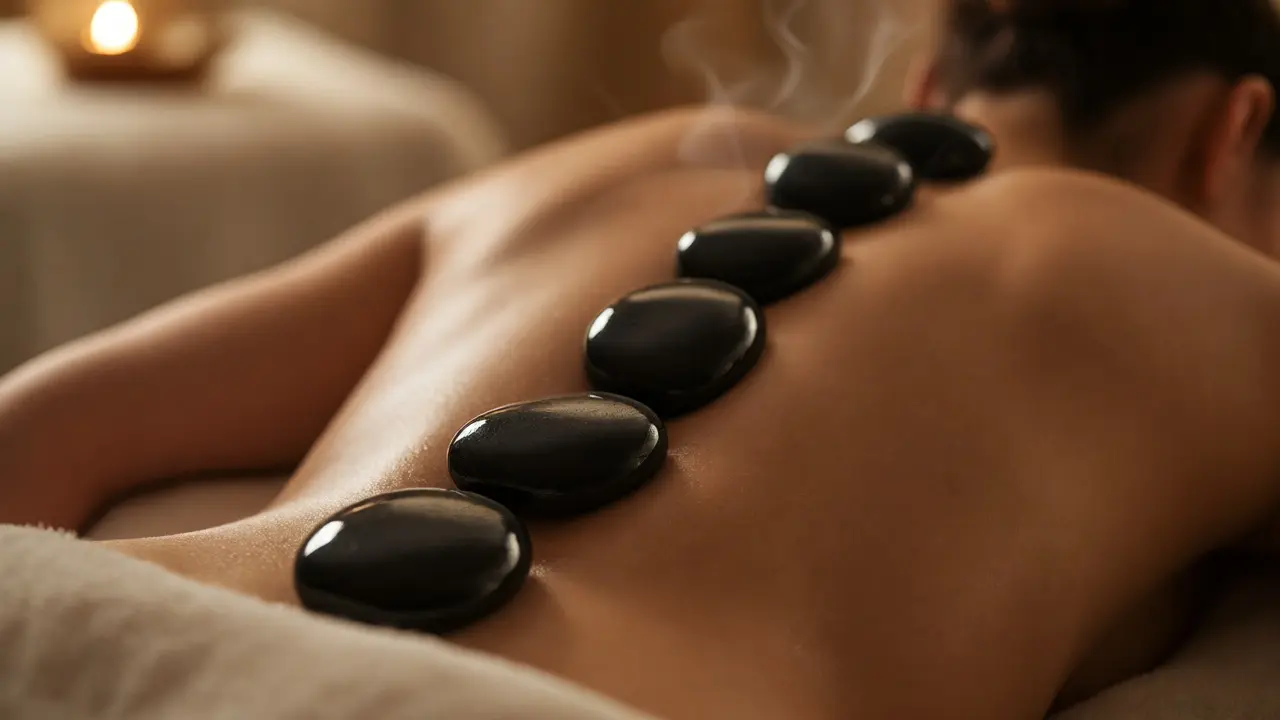
You’ve probably seen those smooth, dark rocks placed along a spine during a spa visit and wondered if they’re just for show. They aren’t. Stone therapy, specifically hot stone massage, is a legitimate therapeutic technique that uses heated stones to penetrate deep into muscle tissue in ways hands alone can’t manage. It’s not magic, but it feels close when you’re sinking into relaxation while tension melts away from your lower back. If you’ve been skeptical about whether this trend offers real health benefits or just looks good on Instagram, you’re asking the right question.
This guide breaks down exactly how stone therapy works, what materials are used, who should try it, and what to expect during your first session. We’ll skip the fluffy marketing language and focus on the mechanics of heat transfer, the physiological responses in your body, and practical tips to get the most out of the experience.
What Exactly Is Stone Therapy?
Stone therapy is a form of massage therapy that involves placing heated stones on specific points of the body to relax muscles and promote circulation. While practitioners may use cold stones for inflammation or crystal healing for spiritual purposes, the most common and clinically supported version is hot stone massage. The core idea relies on thermodynamics: heat expands blood vessels (vasodilation), which increases blood flow to the area. This allows the therapist to apply deeper pressure without causing pain because the muscles are already relaxed by the temperature.
It’s distinct from standard Swedish massage. In a typical Swedish session, the therapist uses their hands, elbows, or forearms to manipulate soft tissue. In stone therapy, the stones act as extensions of the therapist’s hands. They retain heat longer than skin does, providing a consistent thermal source that penetrates deeper than surface-level touch. This makes it particularly effective for chronic tightness, such as in the shoulders, hips, or lower back.
The Science Behind the Heat: Basalt vs. Marble
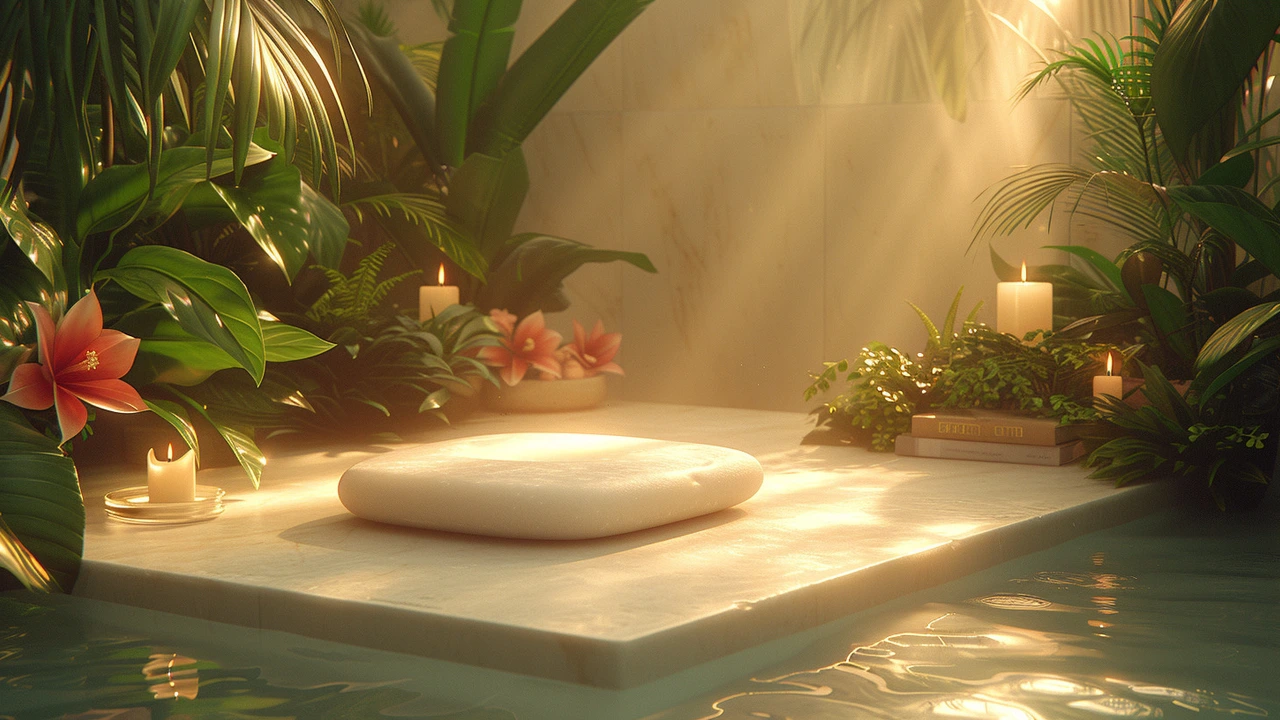
Not all rocks work for this. You wouldn’t want to place a jagged piece of granite on your neck. The industry standard is basalt. This type of volcanic rock is dense, smooth, and holds heat exceptionally well due to its high iron content. When heated to around 130-145°F (54-63°C), basalt releases that energy slowly into the body.
Sometimes therapists use marble for cooling effects, especially after intense heat application or for clients with acute inflammation. But for general well-being and muscle relaxation, basalt is king. Here’s why the material matters:
| Stone Type | Heat Retention | Best Use Case | Texture |
|---|---|---|---|
| Basalt | High (Holds heat for 20+ minutes) | Deep tissue relaxation, chronic pain | Smooth, polished |
| Marble | Low (Cools quickly) | Inflammation reduction, facial massage | Very smooth, cool to touch |
| Jade | Moderate | Traditional Chinese Medicine practices | Polished, greenish hue |
Notice the difference in heat retention? That’s the key factor. If a stone cools too fast, the therapist has to constantly reheat them, disrupting the flow of the massage. Basalt allows for a seamless, continuous treatment.
How Does It Actually Help Your Body?
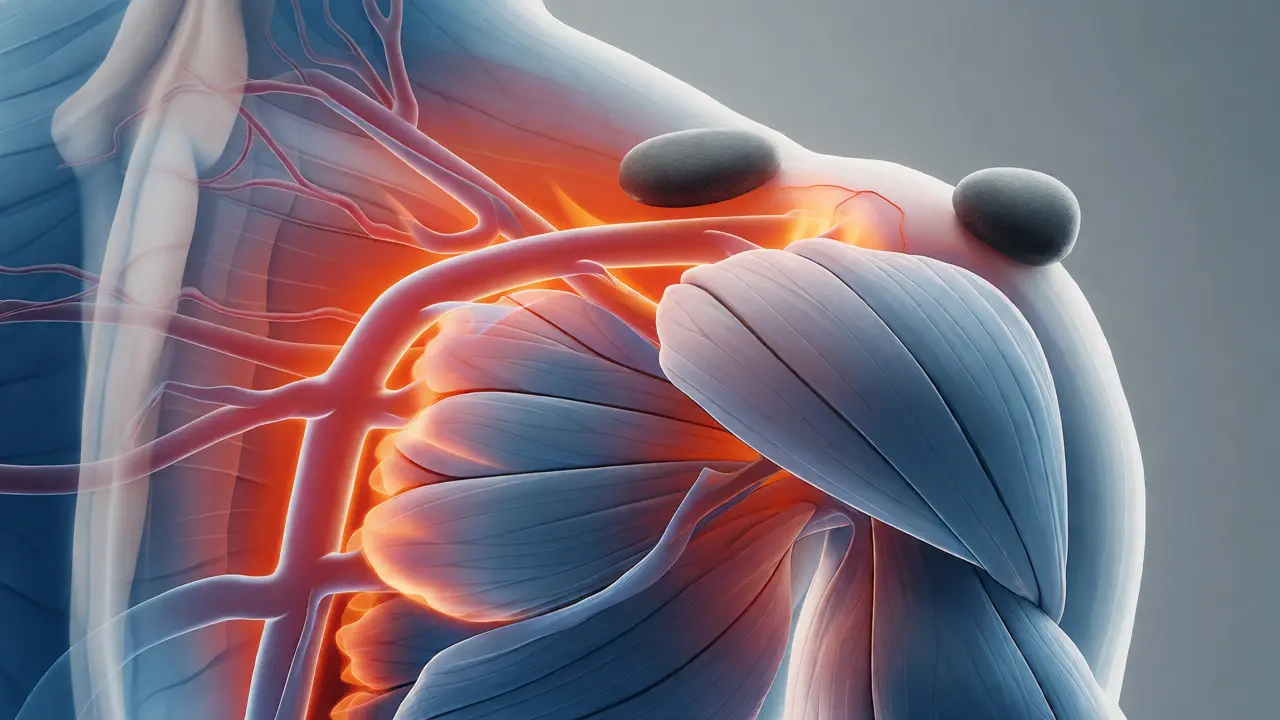
Let’s look at the physiological changes happening under those stones. When heat hits your skin, three main things happen:
- Vasodilation: Blood vessels widen. This improves circulation, delivering more oxygen and nutrients to tired muscles while helping flush out metabolic waste like lactic acid.
- Muscle Relaxation: Heat reduces muscle spindle activity, which essentially tells your nervous system to stop guarding against pain. This allows the therapist to work deeper without triggering a defensive tensing response.
- Nervous System Shift: The warmth activates the parasympathetic nervous system-the “rest and digest” mode. This lowers cortisol levels and heart rate, promoting a state of deep calm.
A study published in the International Journal of Therapeutic Massage & Bodywork Research found that participants receiving hot stone massage reported significantly lower anxiety and stress levels compared to those receiving standard massage. While research in alternative therapies can sometimes be mixed, the consensus among physical therapists is clear: heat is a proven tool for managing musculoskeletal discomfort.
Who Should Try Stone Therapy?
If you sit at a desk for eight hours a day, lift weights regularly, or suffer from insomnia linked to physical tension, this might be for you. It’s particularly beneficial for people with:
- Chronic back or neck pain
- Fibromyalgia (gentle heat can soothe widespread tenderness)
- High-stress lifestyles leading to jaw clenching or shoulder hunching
- Poor circulation issues, such as cold hands and feet
However, it’s not for everyone. If you have certain medical conditions, you need to check with your doctor first. Avoid stone therapy if you have:
- Diabetes with neuropathy (reduced sensation means you might not feel if a stone is too hot, risking burns)
- Varicose veins (direct heat on swollen veins can worsen them)
- Pregnancy (unless approved by your OB-GYN and performed by a prenatal-certified therapist)
- Open wounds or skin infections
What Happens During a Session?
You might be nervous about the process. Will it hurt? Will it be weird? Here’s a realistic timeline of a 60-minute session:
- Consultation: The therapist asks about your health history and areas of concern. This isn’t just small talk; it determines where they place the stones.
- Preparation: You lie face-down on the table. The therapist applies oil to your back to help the stones glide.
- Placement: Warm basalt stones are placed along the spine, on the palms, and between the toes. This initial placement warms up the major muscle groups.
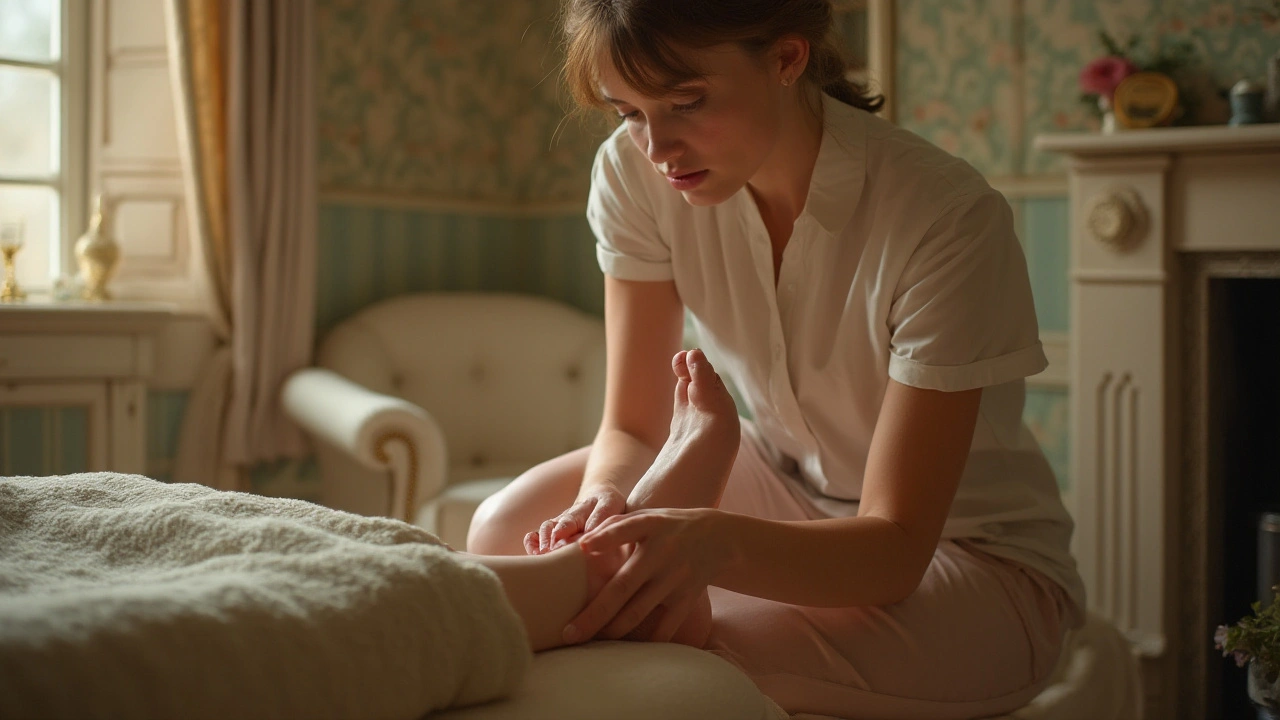
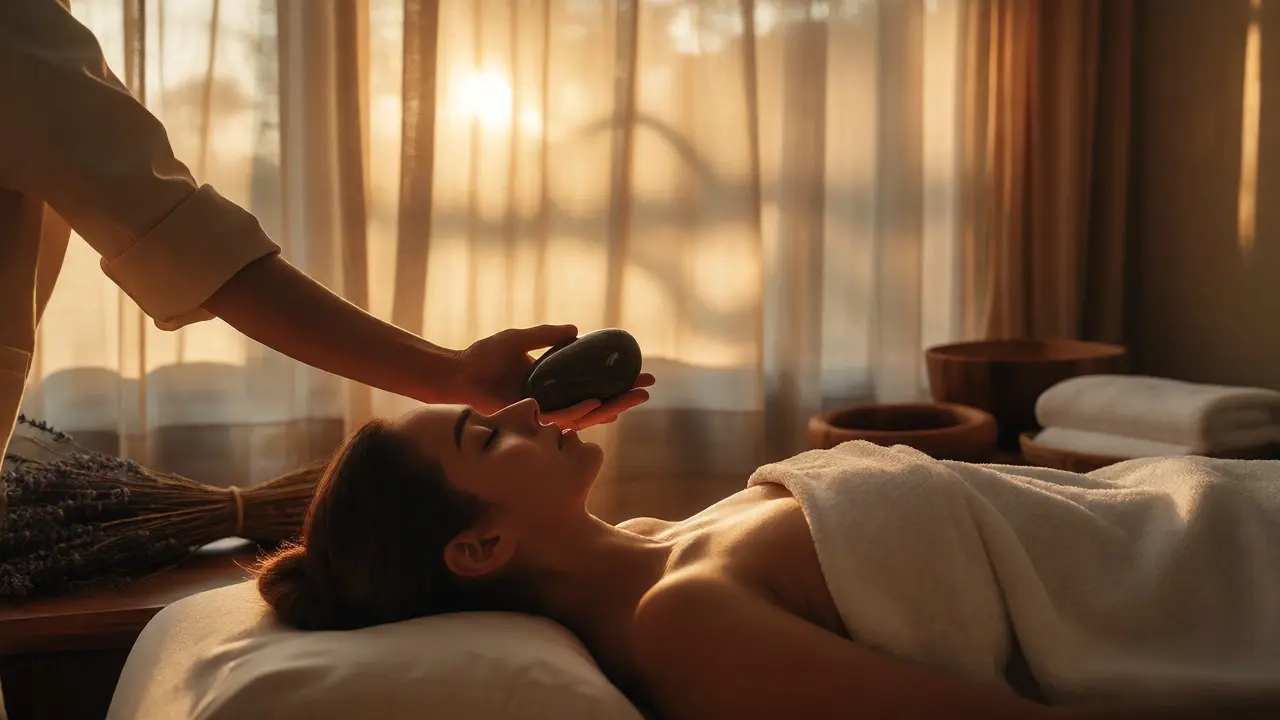
- The Massage: The therapist picks up the stones and uses them to stroke, knead, and press into your muscles. They might alternate between using the stone and their hands. The sensation is warm, heavy, and rhythmic.
- Turn Over: You flip over, and the process repeats on the front of your body, focusing on legs, arms, and chest.
- Cool Down: The stones are removed, and you rest for a few minutes before getting up.
The whole point is consistency. Unlike hand massages where fatigue sets in for the therapist, stones maintain constant pressure and temperature. This uniformity helps prevent “guarding,” where your muscles tense up in anticipation of pain.
Common Myths vs. Reality
There’s a lot of misinformation floating around holistic health circles. Let’s clear up two big ones.
Myth 1: Stone therapy detoxifies your body.
The reality is that your liver and kidneys handle detoxification. While improved circulation from heat can support these organs indirectly, claiming the stones themselves pull toxins out through your pores is scientifically shaky. You might feel lighter afterward, but that’s mostly due to reduced muscle tension and hydration shifts, not toxin removal.
Myth 2: All crystals have the same effect.
If you go to a spa offering “crystal healing,” ask what they actually do. Sometimes they just place amethyst or quartz on you for psychological comfort. True stone therapy focuses on thermal properties (heat/cold) rather than metaphysical vibrations. If you’re looking for physical relief, specify “hot stone massage” rather than “energy balancing.”
Tips for Your First Appointment
To ensure you leave feeling refreshed rather than frustrated, keep these practical tips in mind:
- Hydrate beforehand: Heat moves fluids in your body. Drinking water before and after helps your system process the increased circulation and prevents post-massage headaches.
- Communicate temperature: Don’t be shy. If a stone feels too hot, say so immediately. Skin sensitivity varies, and a burn is no joke. A good therapist will adjust instantly.
- Wear comfortable clothing: You’ll likely undress to your comfort level (underwear stays on). Loose, breathable fabrics are best for changing.
- Ask about pressure: Some people think hot stones mean gentle rubbing. Not true. The heat allows for deeper pressure. Tell the therapist if you prefer light, medium, or deep work.
Also, consider booking your session later in the day. Since stone therapy promotes deep relaxation, some people feel drowsy afterward. Doing it before bed can actually improve sleep quality, whereas doing it early morning might make you sluggish at work.
Cost and Accessibility
Prices vary widely based on location and spa tier. In major US cities, expect to pay between $90 and $150 for an hour-long session. Smaller towns or independent therapists might charge $70-$90. Insurance rarely covers this unless it’s prescribed as part of physical therapy for a specific injury, which is rare. However, many spas offer package deals-buying five sessions often saves you 15-20%.
Is it worth the premium over a standard massage? If you struggle with chronic tension that standard massage doesn’t fully resolve, yes. The added cost buys you deeper penetration and a more profound relaxation response. For occasional stress relief, a standard massage might suffice. For persistent knots, stone therapy is a superior tool.
Does stone therapy hurt?
Generally, no. The heat relaxes muscles, allowing the therapist to apply firm pressure without sharp pain. Most people describe the sensation as deeply soothing. If you experience burning or sharp pain, tell your therapist immediately-it could indicate the stone is too hot or there’s an underlying issue.
How often should I get stone therapy?
For general wellness, once a month is sufficient. If you’re treating a specific condition like chronic back pain or high stress, weekly or bi-weekly sessions for four weeks can provide significant relief, followed by maintenance appointments. Listen to your body-if you still feel tight days later, you might need more frequent visits.
Can I do stone therapy at home?
You can buy home kits with electric heating trays and basalt stones. It’s great for self-care, like placing stones on your lower back while reading. However, you can’t replicate the full-body technique yourself. Home treatments are best for maintenance between professional sessions, not as a complete replacement.
Are there any side effects?
Side effects are rare but possible. Some people experience mild nausea or dizziness due to the drop in blood pressure from vasodilation. Drinking water usually resolves this. Rarely, minor bruising can occur if the therapist uses excessive pressure on fragile capillaries.
What should I wear?
Most spas provide disposable underwear or draping. You’ll typically undress completely or leave your underwear on, depending on your comfort level. The therapist will drape towels over parts of your body not being worked on to keep you warm and private.