Prostate Massage: A Practical Guide to Men’s Sexual Health
You might have heard the term prostate massage whispered in locker rooms or mentioned by your urologist, but what does it actually do for you? It is not just a niche practice for those with diagnosed conditions. For many men, it is a straightforward way to support urinary function and enhance sexual performance. Think of it as maintenance for an engine that often gets ignored until it starts making noise. If you are dealing with frequent urination, discomfort during ejaculation, or just want to understand your own anatomy better, this guide breaks down exactly how to approach it safely and effectively.
What Exactly Is Prostate Massage?
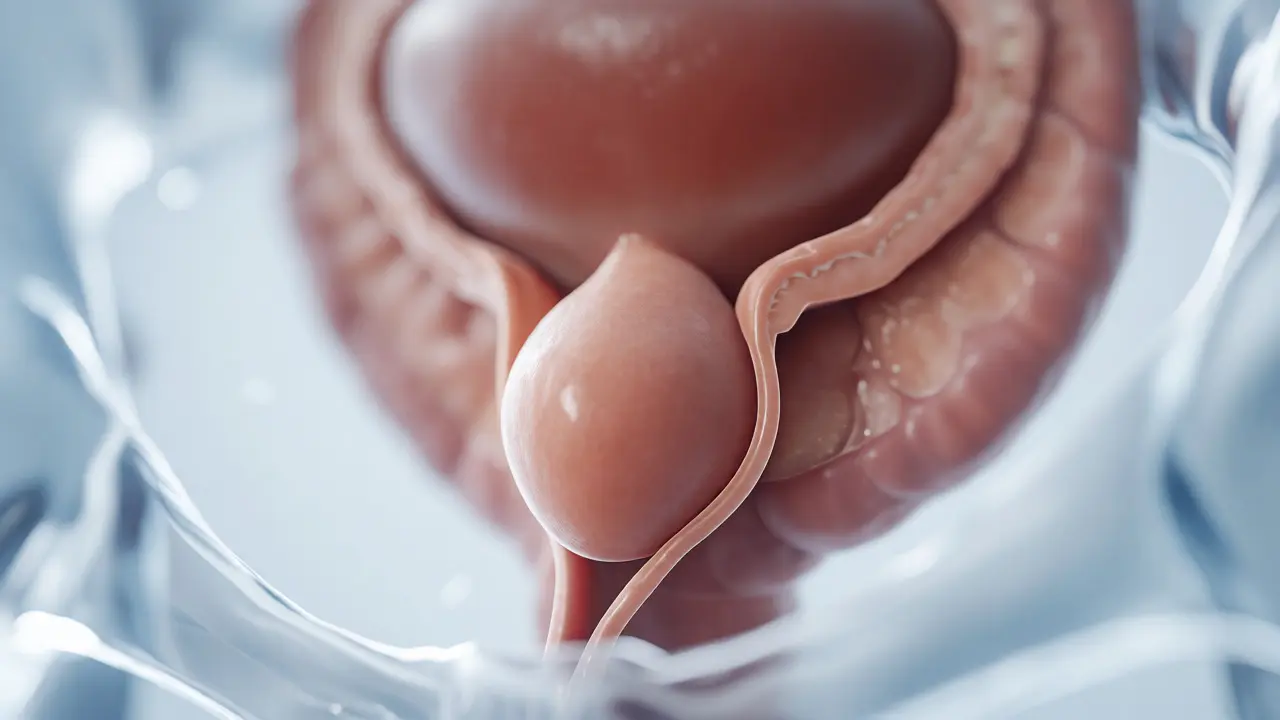
The prostate is a walnut-sized gland located just below the bladder and in front of the rectum. Its main job is producing fluid that nourishes and protects sperm. Over time, fluids can stagnate within the prostate ducts, potentially leading to inflammation or infection. Prostate massage is the manual stimulation of this gland, usually performed through the rectal wall, to express these stagnant fluids. This process helps drain the prostatic urethra, which can relieve pressure and improve blood flow to the area.
Unlike general bodywork, this technique requires specific anatomical knowledge. The prostate is accessed via the anterior wall of the rectum, about two inches inside the anus. You are looking for a smooth, rounded structure that feels similar to the tip of your nose. When pressed gently, a healthy prostate should feel firm but elastic. Massaging it encourages the release of prostatic fluid, which carries away bacteria and inflammatory markers.
Why Consider It? The Health Benefits
It is easy to dismiss prostate care as something only older men need, but issues like chronic prostatitis can affect men in their 30s and 40s too. Here is why integrating this into your routine might make sense:
- Relief from Chronic Pelvic Pain: Conditions like Chronic Prostatitis/Chronic Pelvic Pain Syndrome (CP/CPPS) often involve tight pelvic muscles and inflamed glands. Massage can help relax these tissues and reduce pain signals.
- Improved Urinary Flow: An enlarged or congested prostate can press against the urethra, causing weak streams or dribbling. Draining the fluid reduces this pressure, helping you empty your bladder more completely.
- Enhanced Sexual Function: Better circulation and reduced congestion can lead to stronger erections and more intense orgasms. Some men report delayed ejaculation or improved control after regular sessions.
- Detection of Abnormalities: Regular self-examination allows you to notice changes in texture or size early. While it is not a replacement for medical screening, it builds awareness of your baseline health.
How to Perform a Self-Massage Safely
If you decide to try this at home, preparation is key. Rushing in without proper setup can lead to discomfort or minor injury. Follow these steps to ensure a safe experience:
- Cleanliness First: Trim your fingernails short and file them smooth. Wash your hands thoroughly. Using a disposable finger cot or a latex-free glove adds a layer of hygiene and comfort.
- Lubrication is Non-Negotiable: The rectal tissue is delicate. Use a generous amount of water-based lubricant on both your finger and the anal opening. Avoid numbing creams, as they mask pain signals that warn you if you are pressing too hard.
- Positioning: Lie on your side with your knees pulled toward your chest (fetal position), or get on your hands and knees. These positions relax the sphincter muscle, making insertion easier.
- Insertion and Location: Gently insert your index finger into the rectum. Move slowly. Once past the sphincter, rotate your palm upward (toward your belly button). You will feel the prostate on the anterior wall, roughly 5-7 cm inside.
- The Technique: Apply gentle pressure with the pad of your finger. Use a milking motion, stroking from the top of the gland downward toward the urethral opening. Alternatively, use circular motions. Keep the pressure light; it should feel like a deep stretch, not sharp pain.
- Duration: Spend about 1-2 minutes massaging. Stop immediately if you feel sharp pain or significant bleeding.

When to Seek Professional Help
While self-massage is popular, professional therapy offers precision that fingers alone cannot match. A trained therapist or urologist uses specialized tools and techniques to target specific zones of the prostate. This is particularly useful for men with severe symptoms or anatomical variations.
Consider seeing a specialist if you experience:
- Blood in your urine or semen.
- Fever accompanied by pelvic pain (signs of acute bacterial prostatitis).
- Difficulty urinating or complete retention.
- Pain that worsens despite rest and over-the-counter anti-inflammatories.
Professionals may also combine massage with other therapies, such as biofeedback or physical therapy exercises, to address underlying pelvic floor dysfunction. They can also perform digital rectal exams (DRE) accurately, ensuring no nodules are missed.
Common Myths vs. Reality
Misinformation abounds when it comes to men's sexual health. Let’s clear up a few persistent myths.
| Myth | Reality |
|---|---|
| It is only for men with BPH (Benign Prostatic Hyperplasia). | Men with prostatitis, pelvic pain, or even healthy men seeking preventative care benefit from it. |
| It causes erectile dysfunction. | Proper technique improves blood flow. Aggressive, incorrect massage could cause temporary soreness, but not ED. |
| You must ejaculate immediately after. | Ejaculation can help clear residual fluid, but it is not mandatory. The massage itself drains much of the congestion. |
| It replaces cancer screening. | No. PSA tests and biopsies are still required for cancer detection. Massage does not remove cancer cells. |
Integrating Prostate Care into Your Routine
Consistency matters more than intensity. Doing a quick five-minute session once a week is often more beneficial than one aggressive monthly attempt. Pair it with other healthy habits to maximize results.
Hydration plays a crucial role. Drinking enough water keeps urine dilute, reducing irritation to the prostate and bladder. Additionally, regular cardiovascular exercise improves overall pelvic blood flow. Avoid sitting for prolonged periods; stand up and move every hour to prevent pressure buildup in the perineum.
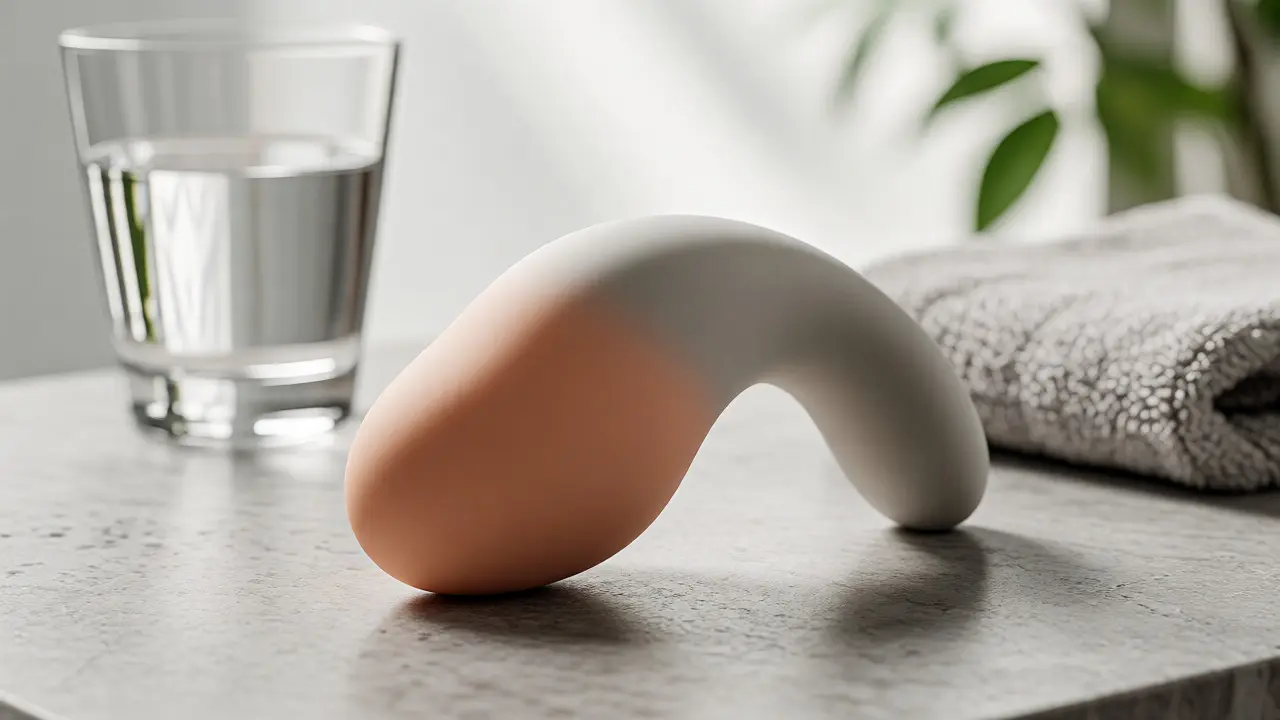
If you find self-massage difficult due to anxiety or physical limitations, consider investing in a designed prostate massager. These devices offer consistent pressure and angles that fingers might miss. Start with smaller models and progress gradually as your comfort level increases.
Frequently Asked Questions
Is prostate massage painful?
For most men, it is not painful if done correctly. You might feel a strong urge to urinate or a sensation of fullness, which is normal. Sharp pain indicates you are pressing too hard or hitting an inflamed area. Adjust your pressure or stop if pain persists.
How often should I perform prostate massage?
There is no strict rule, but once or twice a week is a common recommendation for maintenance. If you are treating active prostatitis, your doctor might suggest daily sessions for a short period. Listen to your body; if you feel sore, give yourself a break.
Can prostate massage cure prostate cancer?
No, prostate massage is not a treatment for cancer. It helps manage symptoms of benign conditions like enlargement or inflammation. Always rely on standard medical treatments (surgery, radiation, hormone therapy) for cancer management.
What kind of lubricant should I use?
Water-based lubricants are generally recommended because they are easy to clean and compatible with all materials, including silicone toys and condoms. Silicone-based lubes last longer but can degrade silicone toys. Avoid oil-based products if using latex gloves.
Will I see immediate results?
Some men notice relief from urinary urgency or discomfort after the first session. However, significant improvements in sexual function or chronic pain typically require several weeks of consistent practice. Patience is essential.