Sports Massage: The Ultimate Recovery Tool for Athletes
After a hard training session or a tough game, your muscles don’t just bounce back on their own. You might feel tight, achy, or sluggish - even if you stretched, iced, and slept well. That’s where sports massage steps in. It’s not just a luxury for pros. Whether you’re a weekend runner, a college athlete, or someone who lifts weights three times a week, sports massage is one of the most effective, science-backed ways to recover faster and train harder.
What Exactly Is Sports Massage?
Sports massage isn’t a single technique - it’s a mix of deep tissue work, trigger point therapy, myofascial release, and stretching, all timed to match your training cycle. Unlike a relaxing Swedish massage, it’s focused, targeted, and often intense. It doesn’t aim to make you feel like you’re floating on a cloud. It aims to fix what’s broken, loosen what’s tight, and prep what’s about to be pushed.
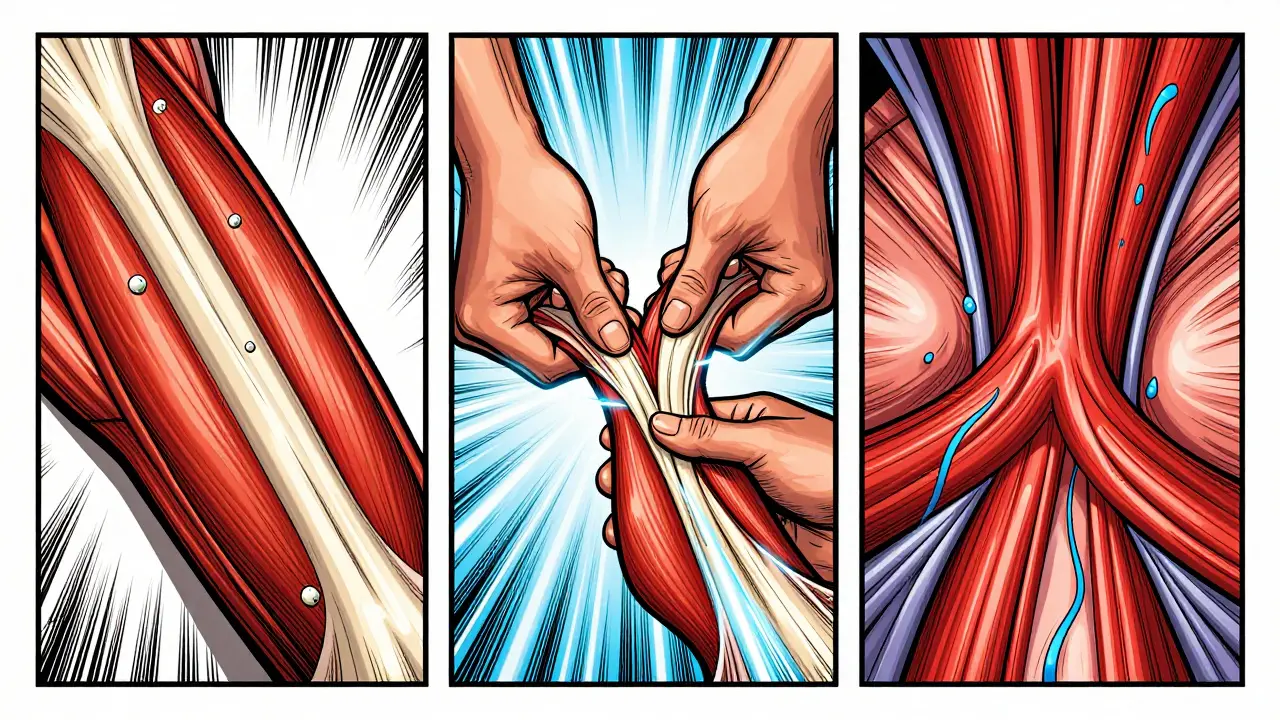
Think of it like tuning a high-performance engine. Your muscles, tendons, and connective tissues are under constant stress. Over time, they develop adhesions - sticky spots where fibers bind together. These limit movement, reduce blood flow, and increase injury risk. Sports massage breaks those adhesions down, flushes out metabolic waste like lactic acid, and brings fresh oxygen and nutrients back to the tissue.
How It Speeds Up Recovery
Here’s the real science behind why it works. After intense exercise, your body builds up inflammation and cellular debris. That’s normal - it’s part of the adaptation process. But if that inflammation lingers, you don’t recover. You just get slower, stiffer, and more prone to overuse injuries.
A 2023 study in the Journal of Athletic Training tracked 87 endurance athletes over 12 weeks. Those who got weekly sports massages reported 37% less muscle soreness, recovered 22% faster between workouts, and had 29% fewer injuries compared to the control group. The massage group also showed improved range of motion in key joints like hips and shoulders - even without extra stretching.
How? Three main mechanisms:
- Increased circulation - Blood flow spikes during and after massage, helping remove waste and deliver healing nutrients.
- Reduced muscle tension - Pressure on tight spots signals the nervous system to relax, lowering overall muscle tone.
- Improved tissue elasticity - Repeated massage helps realign collagen fibers, making muscles more flexible and resilient.
This isn’t magic. It’s biomechanics. And it works whether you’re running marathons or doing CrossFit.
When to Get It - Timing Matters
Sports massage isn’t one-size-fits-all. Timing changes everything.
- Pre-event (48-72 hours before): Light, stimulating strokes to increase blood flow and warm up tissue. Avoid deep pressure - you don’t want to create micro-tears before competition.
- Post-event (within 2 hours): This is the sweet spot. Gentle effleurage and compression help flush out lactate and reduce swelling. Studies show athletes who get massage within this window recover strength faster.
- Recovery days (1-3 times per week): Deep work to break down adhesions, especially in high-stress areas like quads, hamstrings, calves, and shoulders.
- Off-season: Maintenance sessions every 2-4 weeks to prevent buildup and keep tissue healthy.
Don’t wait until you’re in pain. That’s like waiting for your car to break down before changing the oil.
Who Benefits Most?
Sports massage isn’t just for elite athletes. It’s for anyone who pushes their body hard.
- Runners: Focus on calves, IT bands, hip flexors. Prevents shin splints and plantar fasciitis.
- Weightlifters: Targets shoulders, lats, pecs, and lower back. Helps with mobility and prevents shoulder impingement.
- Team sport players (soccer, basketball, rugby): Addresses asymmetries - one leg tighter than the other, uneven hip rotation. Reduces re-injury risk.
- Older athletes (40+): Tissue loses elasticity with age. Regular massage keeps connective tissue pliable and reduces stiffness.
- Rehabbing injuries: When cleared by a physio, massage supports healing by reducing scar tissue and improving circulation around damaged areas.
Even if you’re not competing, if you’re training hard, you’re an athlete. And you deserve recovery that matches your effort.
What to Expect During a Session
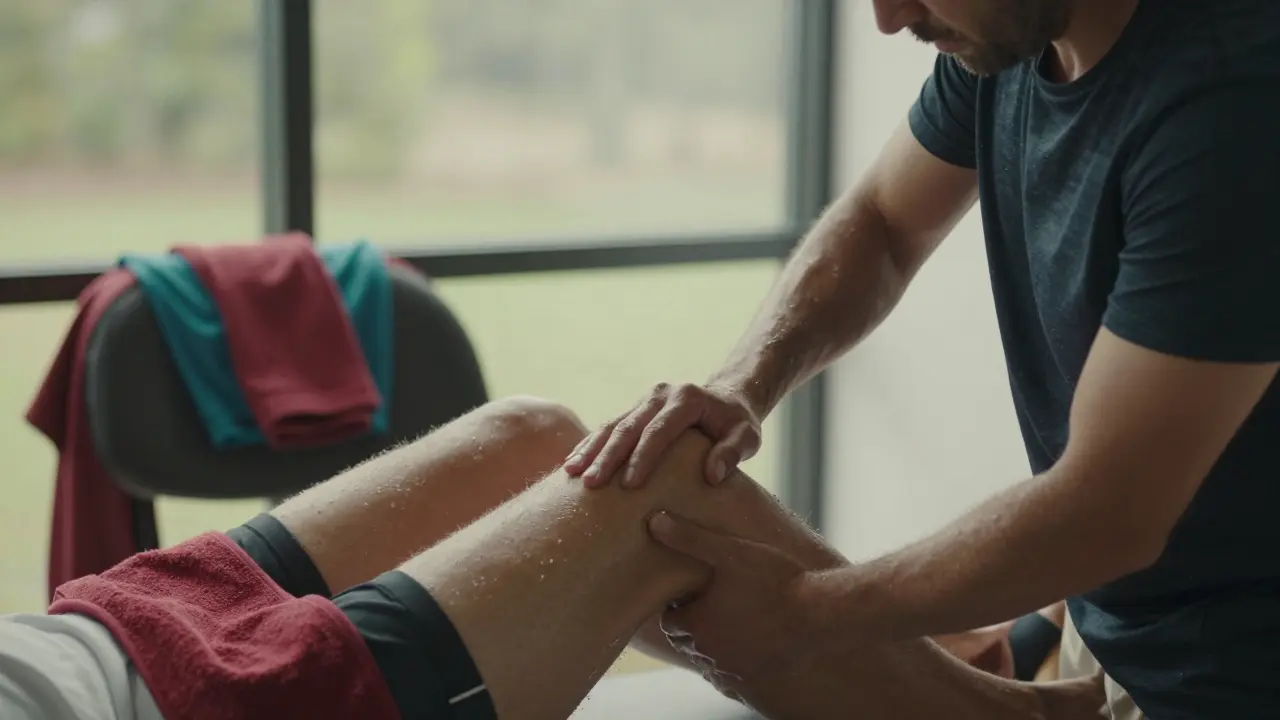
A good sports massage therapist doesn’t just knead your back. They assess. They ask questions. They move you through range-of-motion tests. They might check your gait or how you squat.
Here’s what a typical 60-minute session looks like:
- Consultation (5-10 mins): They’ll ask about your training, pain points, recent injuries, and goals.
- Assessment (5 mins): You might do a few movements while they watch for imbalances or tightness.
- Massage (40-45 mins): Starts with broad strokes to warm tissue, then targets specific areas. Expect some discomfort - but not sharp pain. You should feel pressure, not injury.
- Stretching and feedback (5-10 mins): They’ll guide you through active stretches and give you tips for home care.
Afterward, you might feel slightly sore for 24 hours - that’s normal. Drink water. Move gently. Don’t sit still.
What It Won’t Do
Sports massage is powerful, but it’s not a cure-all.
- It won’t fix a torn muscle. If you have a strain or tear, see a physio. Massage can help in rehab, but not in acute injury.
- It won’t replace sleep or nutrition. No amount of massage makes up for poor recovery habits.
- It won’t make you faster overnight. Recovery is cumulative. The benefits build over weeks and months.
Think of it as a tool in your toolbox - not the whole toolbox.
How to Find a Good Practitioner
Not every massage therapist knows sports massage. Look for:
- Certification in sports massage or athletic therapy (not just general relaxation massage).
- Experience working with athletes - ask if they’ve worked with runners, cyclists, or team sports players.
- Willingness to communicate and adjust pressure.
- Location matters less than expertise. In Perth, clinics near fitness hubs like Fremantle or Subiaco often have better-trained staff.
Avoid places that push packages or upsell unnecessary add-ons. A good therapist will focus on your needs, not your wallet.

Can You Do It Yourself?
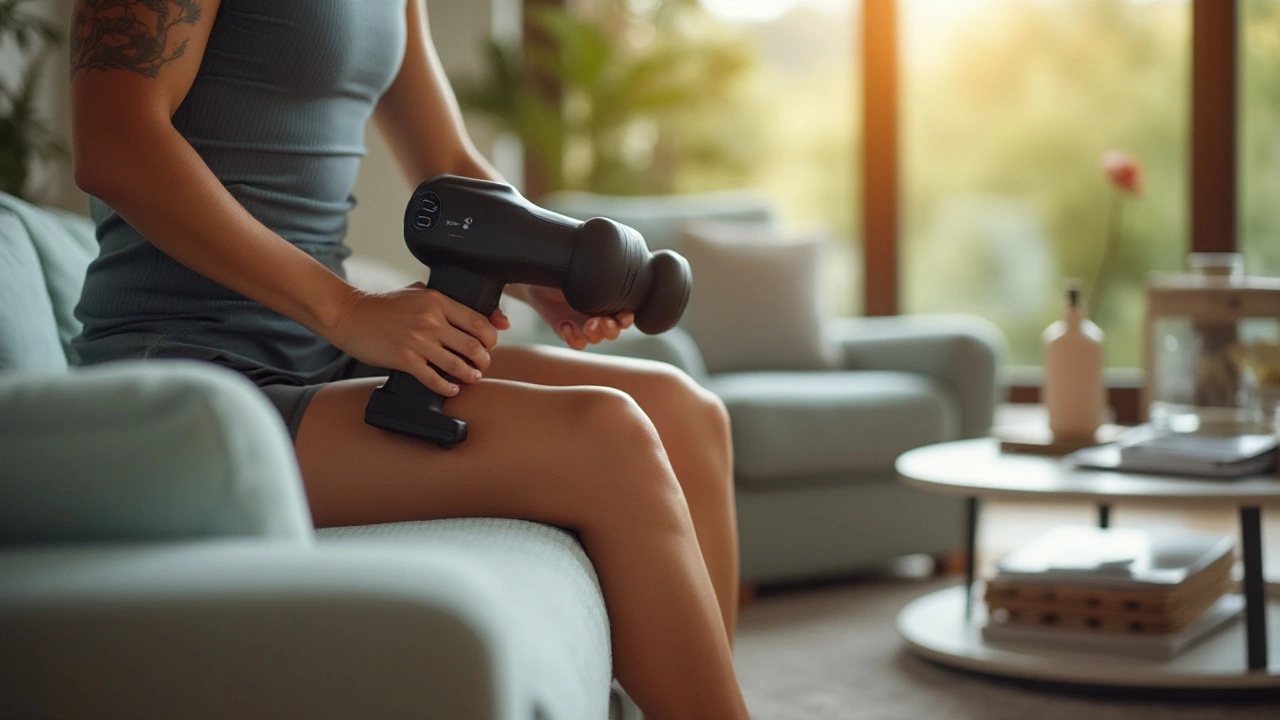
You can use foam rollers, massage balls, or handheld devices - and you should. But they’re not the same.
Self-massage helps with maintenance. It’s great for daily mobility work. But it can’t replicate the precision of a trained hand. You can’t reach deep enough into your glutes or hip rotators on your own. You can’t read your body’s feedback like a therapist can.
Use tools between sessions. But don’t skip professional care.
Real Results: A Runner’s Story
Emma, 34, a Perth-based runner, hit a wall after her third marathon. She kept getting calf strains. She stretched, rolled, iced - nothing worked. Then she started weekly sports massages. After six weeks, her calf pain dropped by 80%. She ran a personal best in her next race. She didn’t change her training. She just recovered better.
That’s the power of sports massage. It doesn’t change your effort. It changes your recovery.
Final Thought: Recovery Is Part of Training
Most people think training is the only thing that counts. But recovery is where the magic happens. That’s when your body adapts, gets stronger, and prepares for the next challenge.
Sports massage is one of the most efficient, affordable, and non-invasive recovery tools available. It’s not expensive compared to physio visits or expensive gear. It’s not time-consuming - 60 minutes once a week makes a difference.
If you’re serious about your performance, your body deserves more than just rest. It deserves targeted, expert recovery. Start treating your recovery like part of your training plan - because it is.
Is sports massage painful?
It should feel intense, not painful. You might feel a deep ache or pressure, especially in tight areas, but it shouldn’t make you wince or gasp. If it does, speak up. A good therapist will adjust. Sharp pain means you’re being injured, not healed.
How often should I get a sports massage?
It depends on your training load. If you’re training 5+ days a week, once a week is ideal. If you’re training 3-4 days, every two weeks works. For maintenance, once a month keeps tissue healthy. Listen to your body - if you feel stiff or sore between sessions, you might need more frequent care.
Can sports massage help with chronic pain?
It can help manage symptoms, especially if the pain comes from muscle tightness or imbalances. But if you have a diagnosed condition like tendinopathy, arthritis, or nerve compression, massage should be part of a broader plan with a physio or doctor. It won’t fix structural issues, but it can reduce the secondary tension that makes them worse.
Should I get a massage before or after a race?
Get it 48-72 hours before a race - light and stimulating. Avoid deep work within 24 hours of competition. After the race, aim for a session within 2 hours. This helps reduce inflammation and kickstarts recovery. Don’t wait until the next day - the window for maximum benefit closes fast.
Do I need to be an athlete to benefit?
No. If you’re physically active - hiking, cycling, playing weekend sports, or even doing daily strength training - your muscles are under stress. Sports massage helps anyone who pushes their body beyond its normal routine. You don’t need to compete to deserve better recovery.