What is Amma Massage? A Complete Guide to Balance and Relief
You’ve probably heard of deep tissue, Swedish, or hot stone massages. But have you heard of Amma massage, a unique practice that blends gentle touch with energetic alignment? It’s not just another relaxation technique; it’s a system designed to restore balance to your entire being. If you’re feeling stuck in a cycle of tension, fatigue, or emotional heaviness, this might be the missing piece in your wellness routine.
Quick Takeaways
- Amma massage is a holistic therapy combining physical pressure with spiritual intention to release blockages.
- It works on the concept of “body memory,” helping to heal past traumas stored in muscles and fascia.
- The practice includes both professional sessions and self-massage techniques for daily maintenance.
- Unlike standard massage, Amma focuses on energy flow (Prana) alongside physical manipulation.
- Regular practice can improve flexibility, reduce chronic pain, and enhance emotional clarity.
What Exactly Is Amma Massage?
To understand Amma massage, we need to look beyond the typical definition of massage as muscle work. Developed by Dr. Masao Omura in Japan, this method integrates elements from Thai massage, acupressure, and spiritual healing. The word “Amma” means “mother” in Sanskrit, reflecting the nurturing, unconditional love at the core of the practice.
Think of it as a conversation between your body and your energy field. While a traditional massage therapist might focus solely on knots in your shoulders, an Amma practitioner looks at how those knots connect to your breathing patterns, your posture, and even your emotional state. The goal isn’t just to relax you-it’s to realign your energy centers so your body can function optimally.
This approach recognizes that physical pain often has roots elsewhere. Maybe you carry stress from work in your jaw. Perhaps old injuries have caused you to guard certain areas, creating imbalances that affect your whole frame. Amma massage addresses these connections directly.
The Science Behind Body Memory and Energy Flow
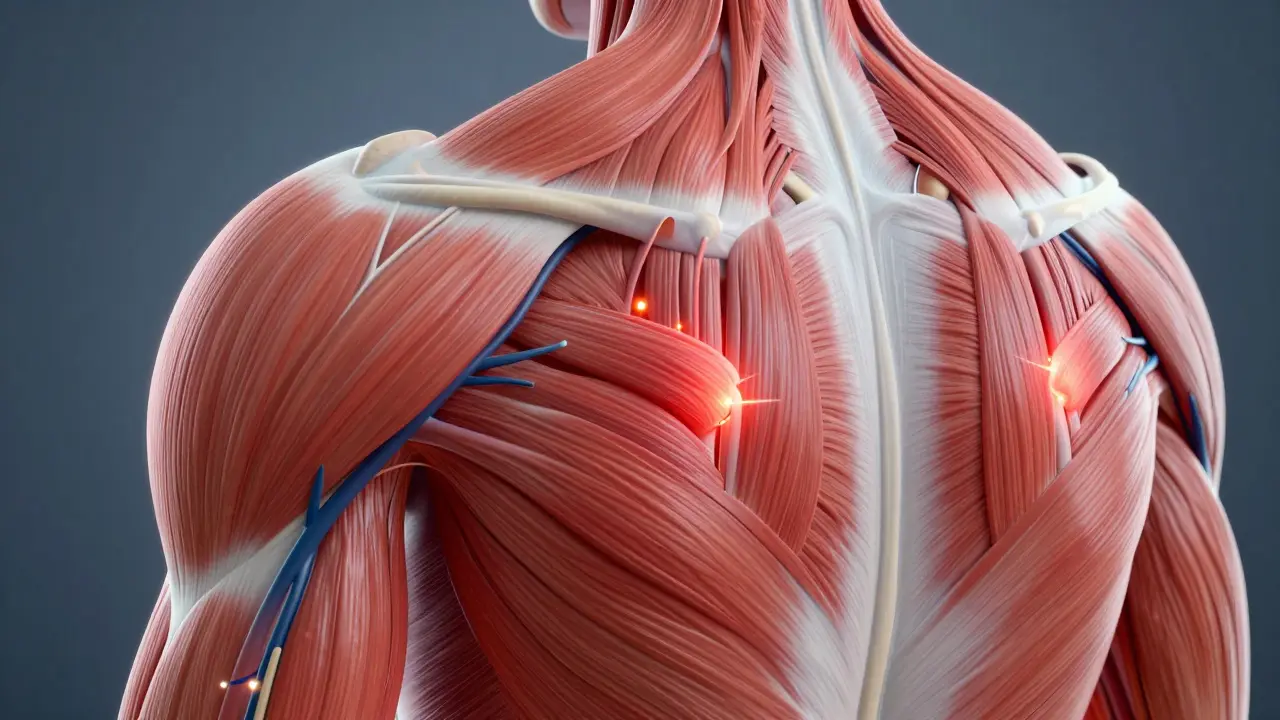
One of the most compelling aspects of Amma massage is its focus on body memory. Your tissues remember everything. Every time you hunched over a computer, clenched your teeth during an argument, or held your breath in fear, your muscles adapted. Over years, these adaptations become rigid patterns that restrict movement and energy flow.
In Amma philosophy, this restricted energy is called blocked Prana. When Prana flows freely, you feel vital and balanced. When it gets stuck, you experience fatigue, pain, or emotional turbulence. The massage uses specific hand movements and stretches to break up these adhesions in the fascia-the connective tissue surrounding your muscles.
Research into fascial dynamics supports this idea. Studies show that fascial restriction can limit range of motion and contribute to chronic pain conditions. By working deeply into the fascia, Amma massage helps restore elasticity and mobility. It’s not magic; it’s biomechanics combined with mindful awareness.
Consider this: if your hip flexors are tight from sitting all day, your lower back will compensate. This compensation creates strain further up the chain. An Amma session doesn’t just rub your back; it releases the hips, allowing the spine to return to its natural curve. This systemic approach is what sets it apart from localized treatments.
How a Typical Session Works
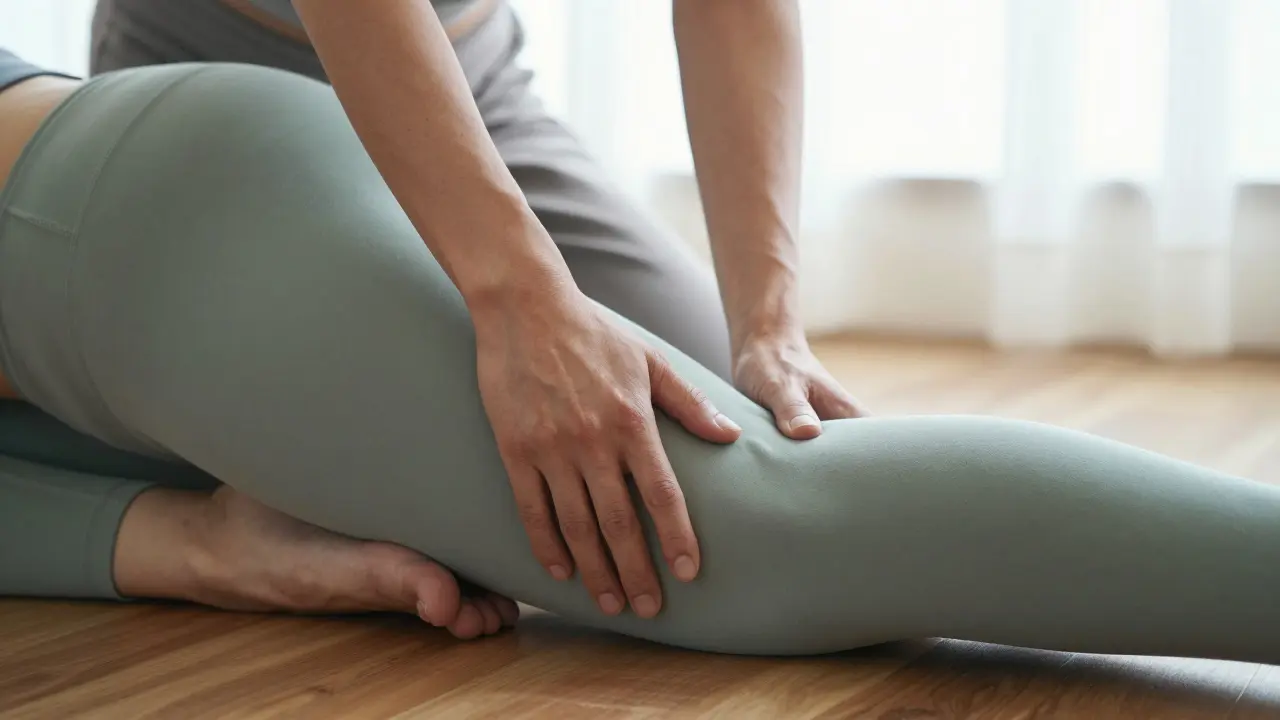
If you’re curious about trying Amma massage, here’s what to expect. Sessions usually last 60 to 90 minutes and take place on a mat on the floor, similar to Thai massage. You’ll remain fully clothed in comfortable, loose-fitting attire.
- Consultation: The session begins with a brief discussion about your current health, any injuries, and your goals. This helps the practitioner tailor the treatment to your needs.
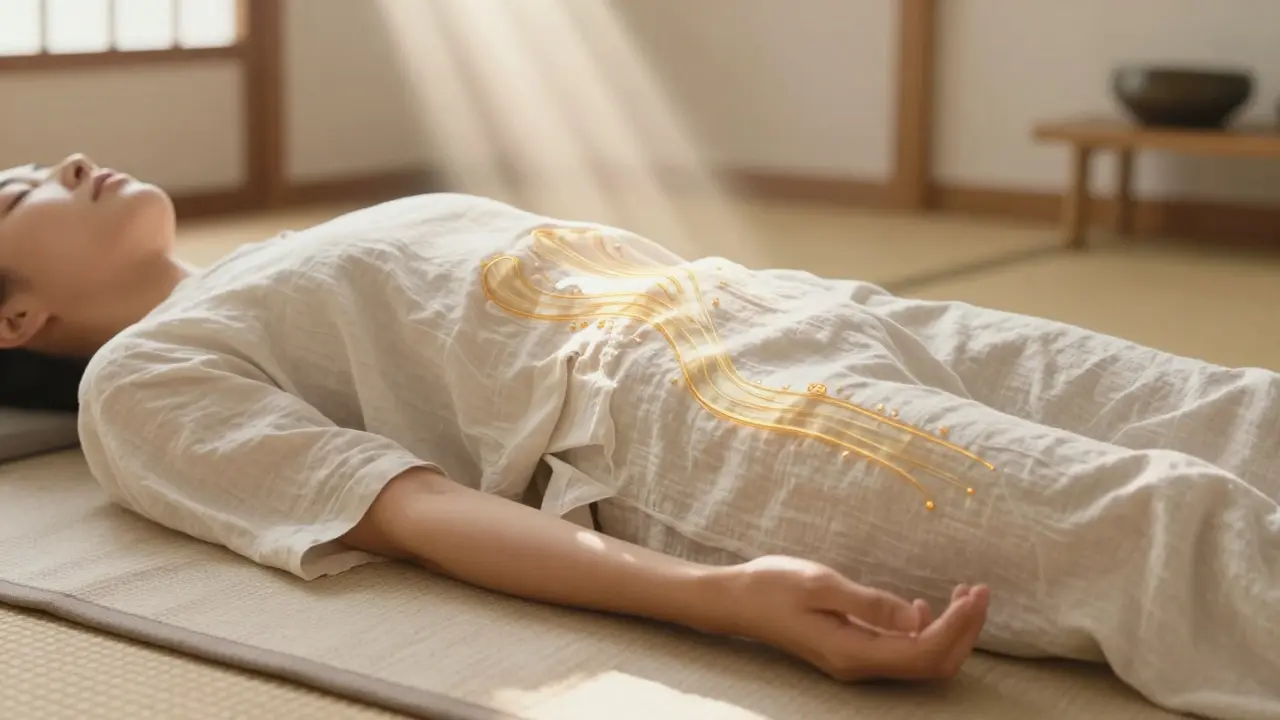
- Grounding: You lie down while the practitioner guides you through breathing exercises to center your attention and prepare your body for work.
- Physical Work: Using palms, thumbs, elbows, and knees, the practitioner applies rhythmic pressure along your meridians (energy pathways). They also perform gentle assisted stretches to open up tight areas.
- Energy Balancing: At key points, the practitioner may hold their hands over specific areas without touching, focusing on clearing energetic blockages. This part feels subtle but powerful.
- Closing: The session ends with a few moments of quiet integration, allowing your body to absorb the changes.
During the physical work, you might feel intense pressure or even some discomfort as restrictions release. This is normal. Communication is key-let your practitioner know if something feels too sharp or painful. The aim is therapeutic challenge, not injury.
Self-Amma: Taking Control of Your Wellness
One of the beautiful things about Amma massage is that it empowers you to help yourself. Through workshops and classes, you learn simple techniques to perform on your own. This isn’t just about saving money; it’s about building a daily habit of self-care.
Here are three basic self-Amma moves you can try today:
- Neck Release: Sit comfortably and gently tilt your head to one side. Use your opposite hand to apply light pressure to the base of your skull, holding for 30 seconds. Repeat on the other side. This relieves tension headaches and improves blood flow to the brain.
- Hip Opener: Lie on your back and cross one ankle over the opposite knee. Gently pull your uncrossed leg toward your chest until you feel a stretch in the glute of the crossed leg. Hold for one minute. This targets the piriformis muscle, which often causes sciatica-like pain.
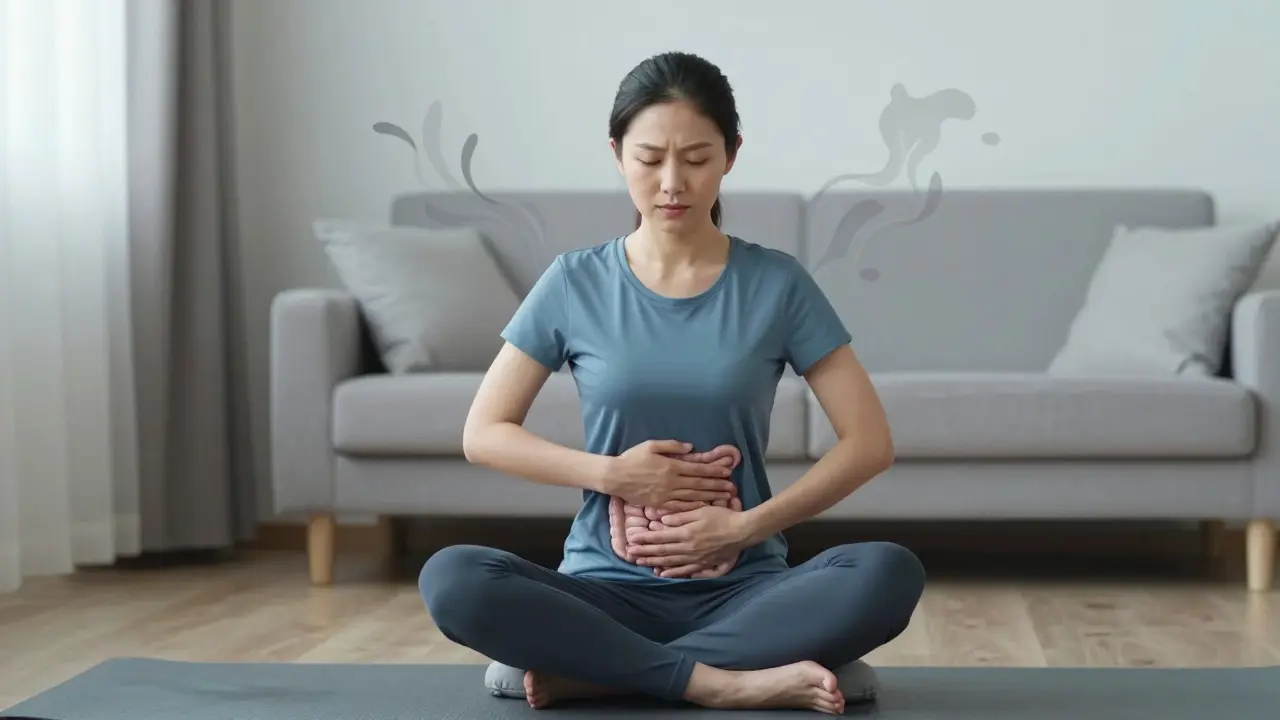
- Digestive Aid: Lie flat and place both hands on your abdomen. Breathe deeply into your belly, letting your hands rise and fall with each breath. After five minutes, make slow clockwise circles with your palms to stimulate digestion and calm the nervous system.
These simple practices cost nothing and require no special equipment. Doing them regularly keeps your energy flowing and prevents minor tensions from becoming major issues. It’s like brushing your teeth-but for your entire body.
Amma vs. Other Massage Styles
Choosing the right massage style depends on your goals. Here’s how Amma massage compares to other popular options:
| Feature | Amma Massage | Swedish Massage | Deep Tissue Massage | Thai Massage |
|---|---|---|---|---|
| Primary Focus | Energy balance & body memory | Relaxation & circulation | Muscle knot release | Flexibility & joint mobility |
| Clothing | Fully clothed | Nude (draped) | Nude (draped) | Fully clothed |
| Pressure Level | Variable (gentle to firm) | Light to medium | Firm to intense | Moderate to firm |
| Spiritual Element | Yes (Prana work) | No | No | Minimal |
| Best For | Chronic imbalance, trauma recovery | General relaxation | Athletic recovery, specific pain | Stiffness, yoga practitioners |
Notice that Amma sits somewhere between the physical intensity of deep tissue and the holistic nature of Thai massage, but with a stronger emphasis on internal energy. If you’re someone who prefers oils and long strokes, Swedish might suit you better. But if you want to address deeper patterns and don’t mind being clothed, Amma offers a unique path.
Who Benefits Most from Amma Massage?
While anyone can enjoy Amma massage, certain groups find it particularly transformative. People dealing with chronic stress often report significant improvements in mood and sleep after just a few sessions. The combination of physical release and mental calming acts like a reset button for the nervous system.
Those with history of trauma also benefit greatly. Because Amma emphasizes consent, pacing, and emotional safety, it provides a gentle way to reconnect with the body without triggering defensive reactions. Many survivors find that releasing physical tension helps process emotional wounds they couldn’t articulate before.
Yoga practitioners and martial artists appreciate the increased flexibility and joint mobility. Since Amma includes many assisted stretches, it complements active training by preventing stiffness and promoting fluid movement. Athletes recovering from injuries use it to accelerate healing by improving circulation and reducing scar tissue formation.
Even skeptics often come around. One client told me she expected a quick rubdown but left feeling lighter, clearer, and more present than she had in months. That shift-from physical relief to mental clarity-is what makes Amma so special.
Finding a Qualified Practitioner
Not everyone calling themselves an Amma therapist has proper training. To ensure you get authentic care, look for practitioners certified by recognized organizations like the International Amma Association or local schools affiliated with Dr. Omura’s teachings.
Ask potential therapists about their background. Have they completed foundational courses in anatomy, ethics, and energy work? Do they offer both full sessions and self-help instruction? A good practitioner will welcome these questions and explain their approach clearly.
In Sydney, several studios offer Amma services. Check reviews, visit websites, and maybe book a consultation call first. Trust your instincts-if something feels off, keep looking. Your comfort and safety matter most.
Tips for Getting the Most Out of Your Session
To maximize benefits from Amma massage, preparation matters. Avoid heavy meals two hours before your appointment. Wear clothes that allow free movement-leggings and a t-shirt work well. Bring water to drink afterward, as hydration helps flush out toxins released during the session.
During the massage, stay relaxed but engaged. Don’t fight the sensations. If you feel emotions arising, let them pass without judgment. Breathing deeply helps integrate the experience. Afterward, give yourself time to rest. Avoid strenuous activity for the rest of the day to let your body settle into its new state.
Consistency yields results. Weekly sessions for a month create noticeable changes. Then, tapering to monthly maintenance keeps you balanced. Combine professional sessions with daily self-Amma practices for lasting impact.
Is Amma massage painful?
Some discomfort is normal, especially when working on tight areas. However, it should never be unbearable. Good practitioners adjust pressure based on your feedback. Pain signals your body to resist, which defeats the purpose. Aim for challenging but tolerable sensation.
Can I do Amma massage at home?
Yes! Self-Amma techniques are easy to learn and highly effective. Start with simple neck and hip releases. Online tutorials and local workshops teach safe methods. Regular self-practice maintains balance between professional sessions.
How many sessions do I need?
Most people notice improvement after 3-5 sessions. Chronic issues may require longer commitment. Once balanced, monthly maintenance suffices. Listen to your body-it tells you when you need more support.
Does insurance cover Amma massage?
Coverage varies widely. Some plans include holistic therapies under complementary medicine. Others exclude it entirely. Contact your provider beforehand. Keep receipts and documentation in case reimbursement becomes possible later.
Is Amma massage suitable for seniors?
Absolutely. Gentle modifications make it safe for older adults. Improved circulation, reduced stiffness, and enhanced mental clarity benefit aging bodies significantly. Always inform your therapist of any medical conditions beforehand.