The Many Uses and Benefits of Compression Massage
Compression massage isn’t just another spa trend-it’s a proven tool used by athletes, physical therapists, and everyday people dealing with sore muscles or swelling. If you’ve ever felt like your legs are heavy after a long run, or your arms ache from lifting groceries, compression massage might be the simple fix you didn’t know you needed.
What Exactly Is Compression Massage?
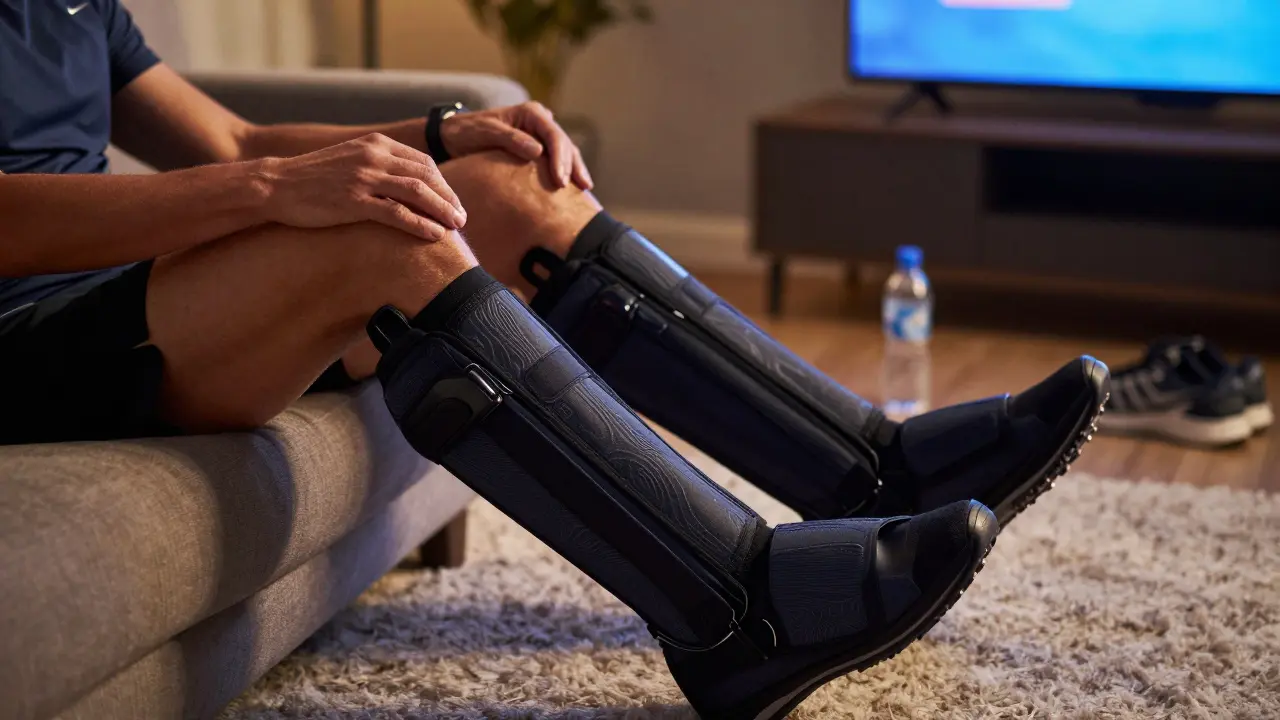
Compression massage applies rhythmic pressure to muscles and soft tissues using devices like pneumatic boots, sleeves, or handheld tools. Unlike traditional massage that relies on hands, compression massage uses air pressure to squeeze and release areas like the calves, thighs, or arms. Think of it like a gentle, repetitive hug for your muscles.
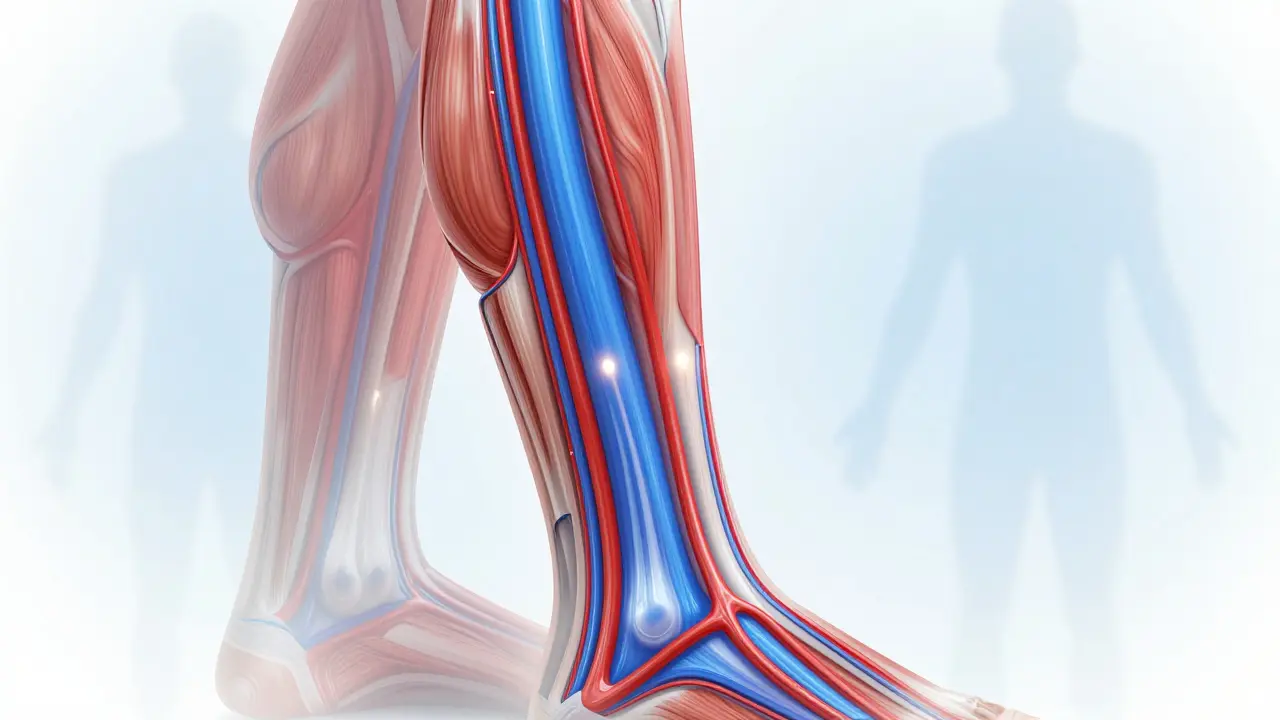
This technique mimics the natural pumping action of your circulatory system. It pushes fluids-blood and lymph-through tight or fatigued areas, helping clear out metabolic waste like lactic acid. That’s why it’s so popular among runners, cyclists, and gym-goers who want to bounce back faster.
How It Helps With Muscle Recovery
After intense exercise, your muscles accumulate waste products and fluid. This causes stiffness, soreness, and reduced range of motion. Compression massage tackles this head-on.
A 2023 study from the Journal of Athletic Training found that athletes who used compression therapy for 20 minutes after a high-intensity workout reported 32% less muscle soreness 24 hours later compared to those who did nothing. Their recovery time dropped by nearly 18%.
It’s not magic-it’s physics. The pressure helps move fluids out of swollen tissue and back into circulation. That means less inflammation, less pain, and muscles that feel ready to go again sooner.
Reducing Swelling and Lymphatic Drainage
Compression massage is also one of the most effective non-drug ways to manage swelling. Whether it’s from an injury, surgery, or even long flights, fluid can build up in limbs and cause discomfort.
The lymphatic system, which removes toxins and excess fluid, doesn’t have a pump like the heart. It relies on movement and pressure. That’s where compression comes in. Regular use can help move lymph fluid out of swollen areas, especially in the legs and ankles.
People recovering from knee surgery or those with chronic venous insufficiency often use compression sleeves daily. Many report noticeable improvements in swelling within just a few days of consistent use.
Who Benefits Most?
Compression massage isn’t just for elite athletes. Here’s who sees real results:
- Endurance athletes-runners, triathletes, and cyclists use it to cut recovery time and prevent overuse injuries.
- Office workers-sitting all day leads to swollen feet and tight calves. A 15-minute session at the end of the day helps.
- Pregnant women-swelling in legs and ankles is common. Compression therapy is safe and often recommended by OB-GYNs.
- Older adults-improved circulation can reduce leg heaviness and lower the risk of blood clots.
- People with chronic pain-those with fibromyalgia or arthritis often find relief from gentle, consistent pressure.
How It Compares to Other Recovery Methods
Let’s say you’re trying to recover after a tough workout. You’ve got options: ice baths, foam rolling, stretching, or compression.
Here’s how compression stacks up:
| Method | Reduces Soreness | Improves Circulation | Time Required | Cost |
|---|---|---|---|---|
| Compression Massage | High | High | 15-30 minutes | $$-$$$ (device) |
| Foam Rolling | Moderate | Low | 10-20 minutes | $ |
| Ice Baths | Moderate | Low | 10-15 minutes | $ |
| Stretching | Low | Moderate | 15-30 minutes | Free |
| Massage Therapy (Manual) | High | High | 30-60 minutes | $$$ |
Compression stands out because it combines the benefits of manual massage with the consistency of mechanical pressure. You don’t need to find a therapist. You can do it yourself, anytime, while watching TV or scrolling on your phone.
Real-Life Examples
Take Sarah, a 42-year-old teacher and weekend hiker. After a long trek in the Dandenongs, her calves felt like concrete. She tried ice packs and stretching-it helped a little. Then she borrowed a friend’s compression boots. After two 20-minute sessions over two days, the tightness was gone. She now uses hers twice a week.
Or Marcus, a 35-year-old warehouse worker who’s on his feet 10 hours a day. He started using a compression sleeve after work. Within a week, his ankle swelling dropped. His doctor noticed and suggested he keep using it.
These aren’t outliers. They’re everyday people who found relief without drugs, expensive treatments, or long recovery times.
How to Get Started
You don’t need a gym membership or a $2,000 device to try compression massage.
- Start small-rent or borrow a device before buying. Many physio clinics offer trial sessions.
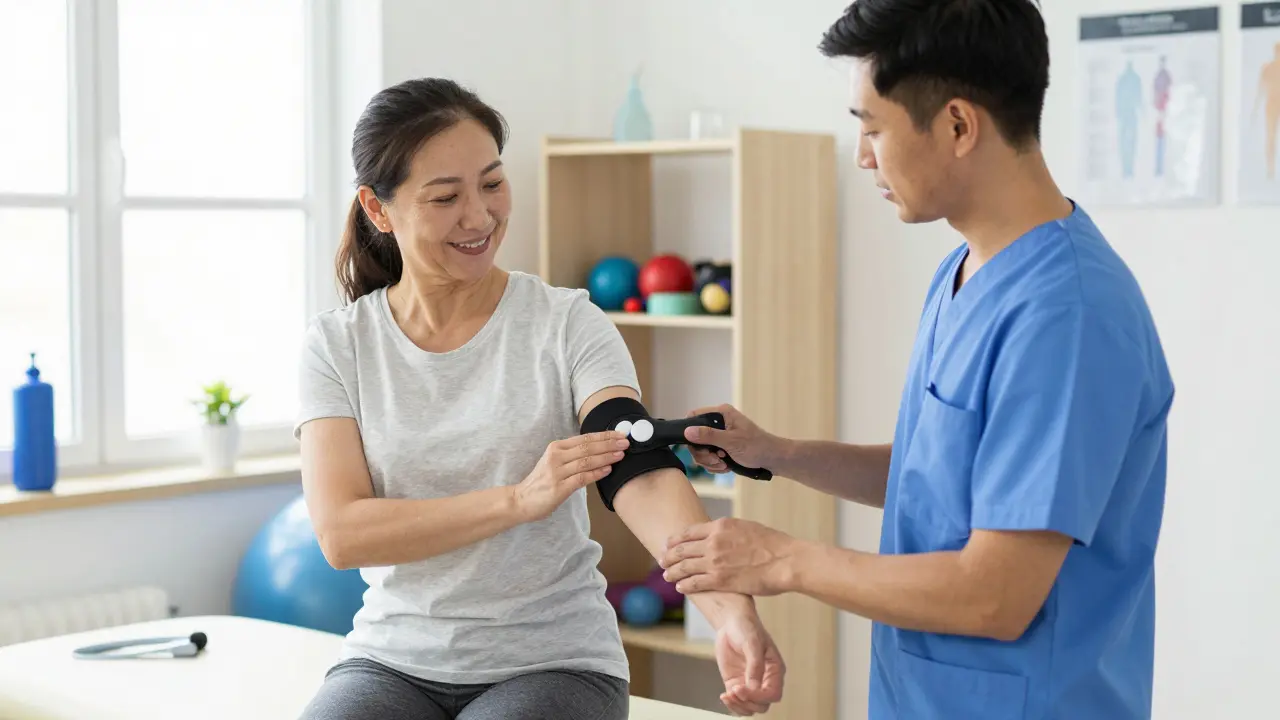
- Choose the right tool-boots for legs, sleeves for arms, handheld units for targeted areas like shoulders.
- Use it right-20 minutes is ideal. Do it within 30 minutes after exercise or at the end of a long day.
- Stay consistent-three times a week gives better results than one intense session.
- Listen to your body-if it hurts, stop. Compression should feel firm, not painful.
Basic compression sleeves start around $80. Full leg systems range from $300 to $800. You can find good quality ones from brands like NormaTec, Hyperice, or even affordable alternatives from Fitbit or TheraFlow.
When to Avoid It
Compression massage is safe for most people-but not everyone.
- Avoid if you have: Deep vein thrombosis (DVT), open wounds, severe arterial disease, or active infections.
- Check with your doctor if you have heart failure, uncontrolled high blood pressure, or are undergoing cancer treatment.
- Don’t use on swollen areas without knowing the cause. Swelling can be a sign of something serious.
If you’re unsure, talk to a physiotherapist. They can help you decide if it’s right for you.
The Bigger Picture
Compression massage fits into a larger shift in how we think about recovery. It’s not about pushing through pain anymore. It’s about working with your body’s natural systems-circulation, lymph flow, muscle elasticity-to heal smarter.
It’s not a cure-all. But for people tired of waiting days to recover, or dealing with constant swelling, it’s one of the most reliable, low-risk tools available. And unlike pills or injections, it has zero side effects when used correctly.
The next time you feel heavy, stiff, or swollen-don’t just stretch or ice it. Try compression. It might be the quietest, most effective thing you do for your body all week.
Can compression massage help with cellulite?
Compression massage doesn’t eliminate cellulite, but it can temporarily improve the appearance of skin by reducing fluid buildup and increasing circulation. It’s not a fat-burning tool, but some users notice smoother skin after consistent use. For lasting results, combine it with movement, hydration, and healthy eating.
How often should I use compression massage?
For recovery after workouts, use it 2-3 times a week. For chronic swelling or daily comfort, once a day is fine. Avoid using it more than twice a day, as overuse can lead to tissue irritation. Always follow the manufacturer’s guidelines.
Is compression massage the same as a massage gun?
No. Massage guns use vibration and percussion to target specific muscles. Compression devices use air pressure to squeeze entire limbs. They work differently: one is for spot treatment, the other for full-circulation support. Many people use both.
Can I use compression massage if I have varicose veins?
Yes-but with caution. Mild to moderate varicose veins can benefit from gentle compression, as it helps move blood back toward the heart. But avoid high pressure or devices that don’t have adjustable settings. Always consult your doctor first, especially if the veins are painful or bulging.
Does compression massage replace stretching?
No. Stretching keeps muscles flexible. Compression helps clear out waste and improve blood flow. They’re complementary. Use compression after exercise, and stretch before and after. Together, they give you the best recovery combo.