How to Create the Perfect Environment for a Sensual Massage
Key Takeaways
- Lighting: Warm, low-intensity light is non-negotiable.
- Scent: Use natural oils or candles to trigger emotional responses.
- Sound: Low-frequency music or silence helps focus on touch.
- Touch: Prioritize high-thread-count fabrics and warm surfaces.
- Temperature: Keep the room warmer than usual to prevent chills.
Mastering the Light for Maximum Intimacy
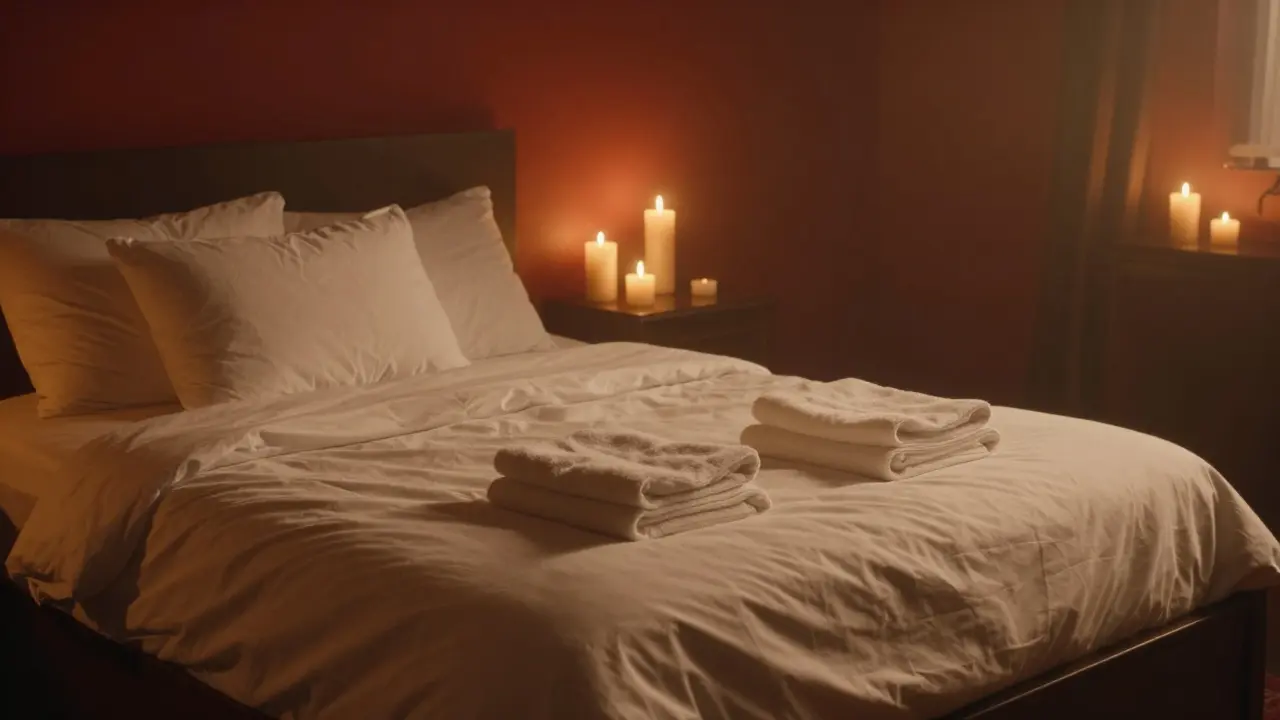
Bright overhead lights are the enemy of romance. They create harsh shadows and make people feel exposed, which triggers a subtle stress response. To fix this, you need to move toward warm-spectrum lighting. Ambient Lighting is the use of indirect light sources to create a soft, diffused glow throughout a space. Instead of one big light, use several small ones.
Candles are the gold standard here. Real beeswax or soy candles provide a flickering, organic light that mimics a campfire, which naturally relaxes the human nervous system. If you're worried about fire hazards, smart bulbs are a great alternative. You can set them to a deep amber or soft red hue. Why red? Because red light has a longer wavelength and doesn't disrupt the production of melatonin, making the transition to a sleepy, relaxed state much easier.
Scenting the Space for Emotional Connection
The olfactory system is the only sense directly connected to the amygdala, the part of the brain that handles emotions and memory. This means a specific smell can instantly transport someone from a stressful workday to a state of bliss. Aromatherapy is the practice of using concentrated plant extracts, like essential oils, to promote health and well-being.
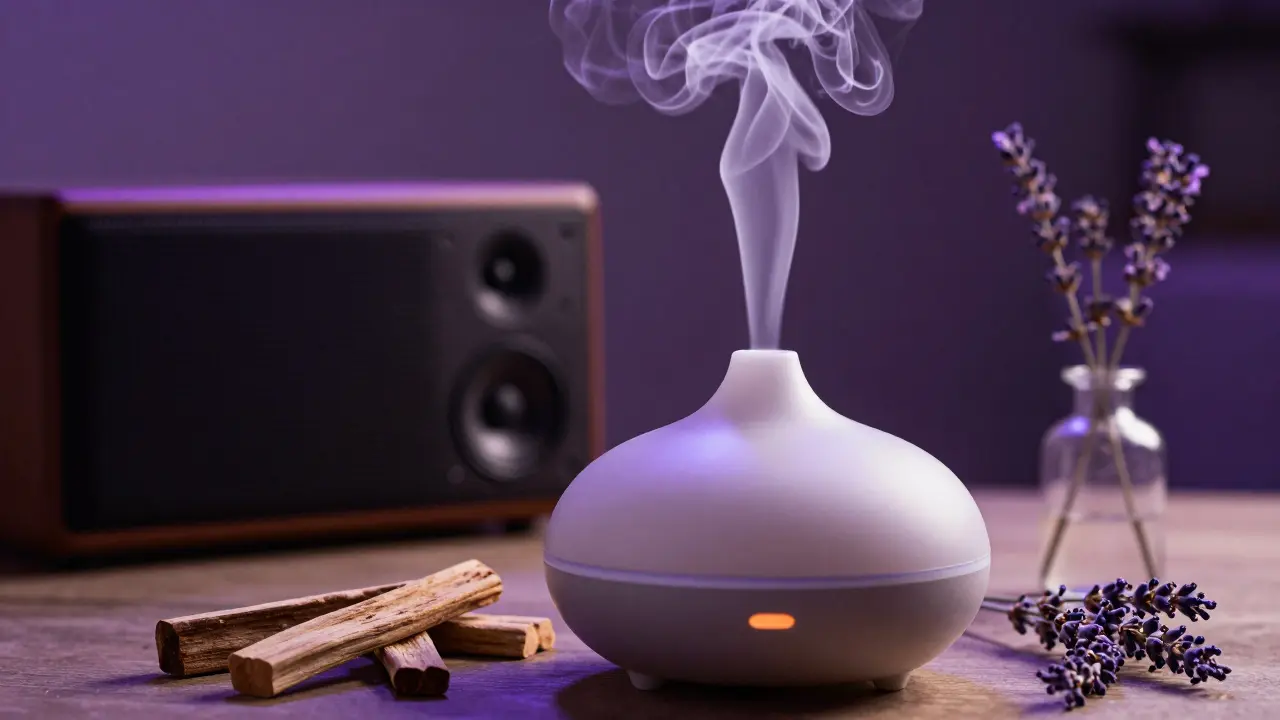
For a sensual massage environment, avoid heavy, synthetic perfumes that can cause headaches. Instead, go for natural essential oils. Sandalwood and Ylang Ylang are famous for their aphrodisiac properties because they evoke warmth and earthy comfort. If you want something more relaxing and less "intense," Lavender is the go-to for lowering cortisol levels. Use a diffuser or a high-quality soy candle. Pro tip: Don't overdo it. The scent should be a whisper in the background, not a wall of fragrance that makes it hard to breathe.
The Science of Sound and Silence
Noise pollution is a huge distraction. The sound of a distant lawnmower or a buzzing refrigerator can snap someone out of their zone instantly. You want a soundscape that fills the gaps without demanding attention. Binaural Beats are audio illusions created by playing two slightly different frequencies in each ear, often used to induce deep relaxation or focus. These can be incredibly effective for slowing down a racing mind.
If you prefer music, stick to instrumental tracks. Lyrics engage the language-processing part of the brain, which keeps the mind active. Choose something with a slow tempo-roughly 60 to 80 beats per minute-to match a resting heart rate. Lofi beats, ambient nature sounds (like soft rain), or slow jazz work well. If you're both comfortable with it, total silence can be even more powerful, as it forces the focus entirely onto the physical sensations of the touch.
Optimizing Temperature and Texture
There is nothing that kills a mood faster than a shiver. When someone is lying still for a long period, their body temperature drops. If the room is 21°C (70°F), it will feel like 16°C (60°F) after twenty minutes of inactivity. Crank the heat up to about 24-26°C (75-78°F) before they even enter the room. If you don't have a thermostat, use a space heater or even a heated blanket under the towel.
Then, look at what they're touching. A scratchy old sheet is a distraction. Use Egyptian Cotton, which is a high-quality, long-staple cotton known for its softness and durability, or silk sheets for a slippery, luxurious feel. Layer the area with plush towels or a thick yoga mat topped with a soft blanket to ensure there are no hard lumps from the bed or floor pressing into their muscles.
| Sense | Avoid This | Do This Instead | Why? |
|---|---|---|---|
| Sight | White LED ceiling lights | Amber bulbs or candles | Lowers stress, adds warmth |
| Smell | Strong chemical sprays | Sandalwood or Lavender oil | Triggers emotional relaxation |
| Sound | Pop music with lyrics | Ambient soundscapes/Lofi | Prevents cognitive distraction |
| Touch | Rough polyester fabrics | Silk, Satin, or High-thread cotton | Increases tactile pleasure |
| Temp | Standard room temp | Extra warmth (24°C+) | Prevents chills and muscle tension |

The Final Touches: Removing Mental Clutter
The physical room is only half the battle. The mental environment matters just as much. If your partner can see a stack of unpaid bills or a laptop open on the desk, they are still mentally connected to their responsibilities. Clear the visual clutter. You don't need to deep-clean the whole house, but the immediate line of sight should be clean.
Establish a "digital detox" zone. Phones should be on Do Not Disturb and placed in another room. The mere presence of a smartphone-even if it's face down-has been shown to reduce the quality of human connection. Create a ritual to mark the beginning of the experience. This could be as simple as a warm foot bath or a glass of sparkling water. By adding a transitional step, you help the brain switch from "work mode" to "sensual mode," making the actual massage far more effective.
What is the best oil for a sensual massage?
For a sensual experience, avoid cheap mineral oils which can feel sticky. Instead, use carrier oils like sweet almond oil, coconut oil, or jojoba oil. These are skin-friendly, have a smooth glide, and aren't too greasy. You can add a few drops of an essential oil, like Ylang Ylang or Sandalwood, to enhance the mood.
How do I keep the massage oil from getting cold?
Cold oil can be a shock to the system. The easiest way is to put the oil bottle in a bowl of warm water for a few minutes before starting. Alternatively, you can rub the oil vigorously between your palms for several seconds to use your own body heat to warm it up before applying it to your partner.
What if my partner is sensitive to scents?
If scents are an issue, skip the aromatherapy entirely. Focus on the other senses: prioritize an even warmer room, a softer blanket, and a more curated playlist. Texture and temperature can compensate for a lack of scent, and it's better to have a scent-free room than one that makes your partner feel congested or irritated.
Where is the best place to set up the massage area?
The bedroom is the obvious choice, but any quiet, private space works. If you use a living room, use a thick duvet or professional massage table on the floor. The key is privacy; ensure there's no risk of being interrupted by pets or other family members, as the fear of interruption prevents deep relaxation.
Do I need professional equipment for a great environment?
Not at all. You don't need a $500 massage table. A bed with extra pillows for support under the ankles and head is perfectly fine. The "magic" comes from the attention to detail-the lighting, the heat, and the lack of distractions-rather than the price of the furniture.
Next Steps for a Better Experience
Once you've set the room, the transition is key. Start with a slow, mindful approach. Don't rush into the massage; spend a few minutes just breathing together in the new environment to let the sensory changes sink in. If you find that your partner is still tense, try a warm compress on the shoulders first to loosen the muscles.
For those who want to level up, experiment with different textures. Transitioning from a smooth oil massage to the light touch of a feather or a silk scarf can heighten sensitivity. Always communicate and ask what feels best in the moment, as everyone's sensory preferences are slightly different.