Thai Massage for Athletes: Recovery, Flexibility & Performance Boost
Picture this: you’ve just finished a grueling marathon training session. Your hamstrings feel like tight rubber bands, your lower back is screaming, and your range of motion has shrunk to almost nothing. You reach for the foam roller, but it feels like torture. What if there was a way to get deep relief without the pain? That’s where Thai massage comes in. It’s not just a relaxing spa treatment; it’s a functional tool used by elite athletes to maintain peak performance.
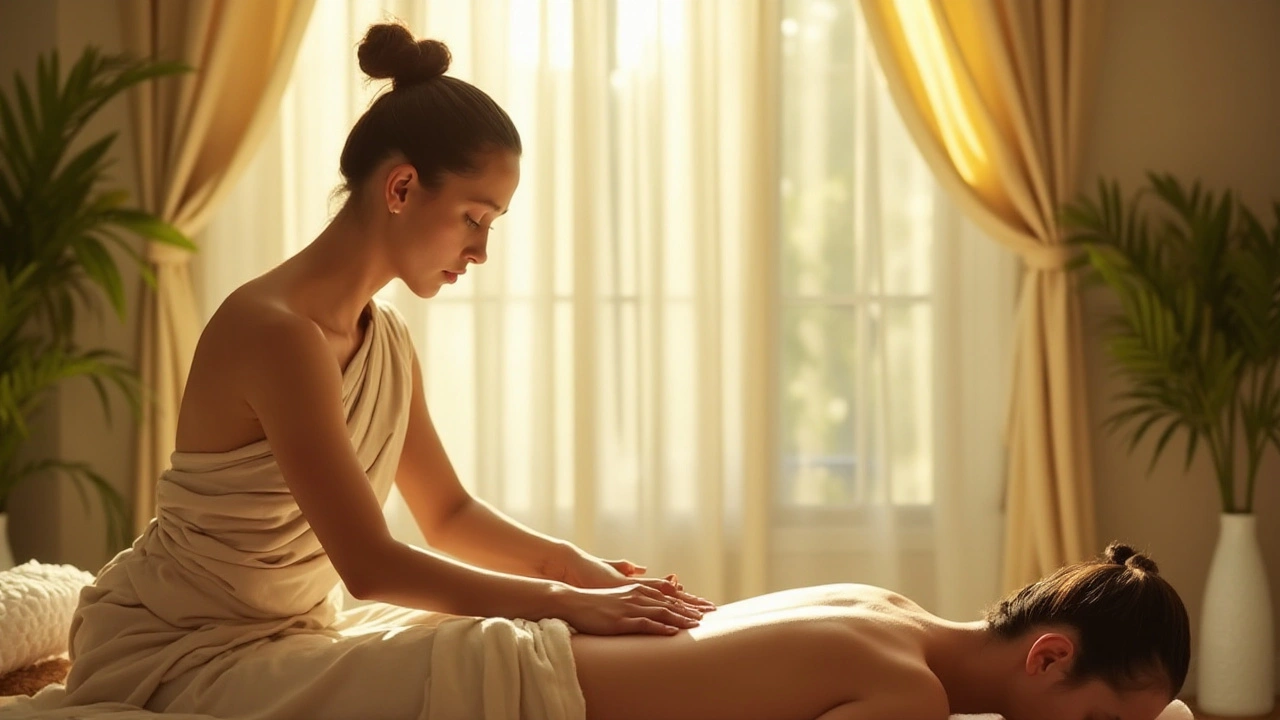
Unlike Western massages that focus on kneading muscles with oil, Thai massage works on your body’s energy lines-called *sen* lines-using pressure, stretching, and rhythmic compression. For an athlete, this means improved circulation, deeper muscle release, and better joint mobility. It’s often called "passive yoga" because the therapist moves your body into various stretches while you stay relaxed. If you’re serious about your sport, understanding how this ancient practice can boost your recovery might be the missing piece in your routine.
How Thai Massage Differs from Standard Sports Massage
To get the most out of your recovery time, you need to know what you’re signing up for. Many athletes confuse Thai massage with deep tissue or sports massage, but they serve different purposes. Here’s the breakdown:
| Feature | Thai Massage | Deep Tissue/Sports Massage |
|---|---|---|
| Technique | Stretching, compression, acupressure | Kneading, friction, trigger point therapy |
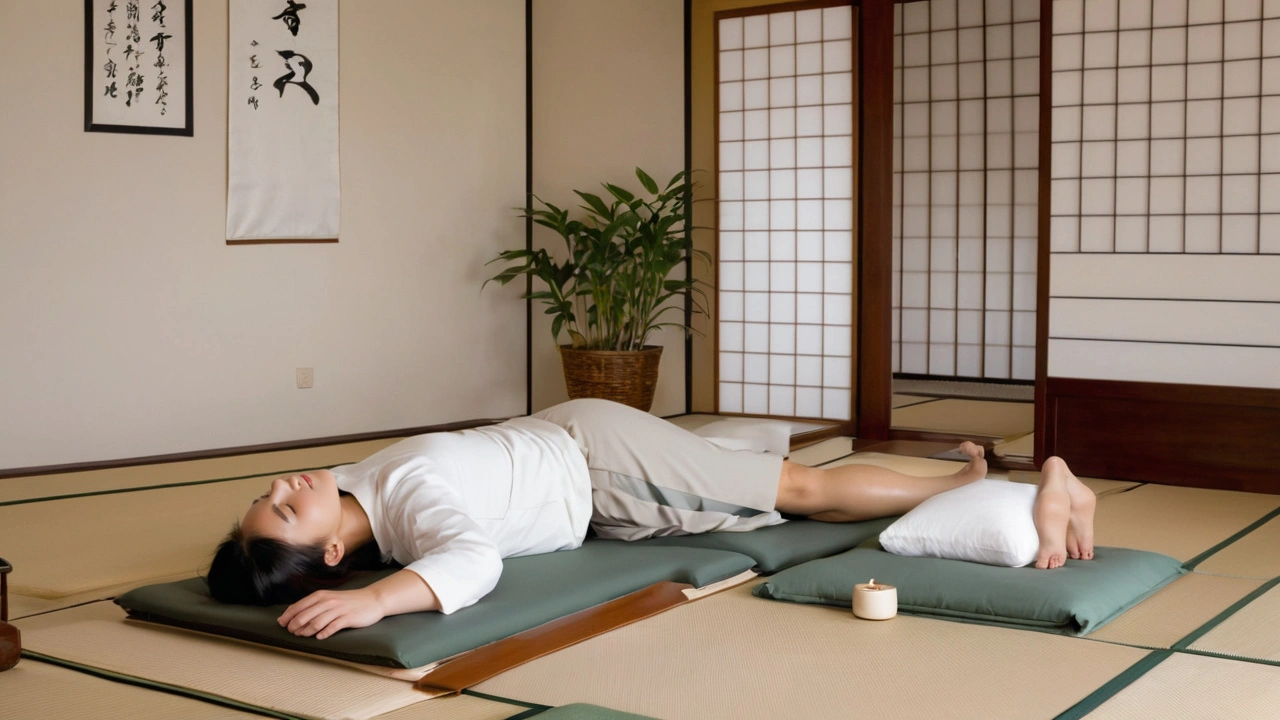
| Clothing | Fully clothed (comfortable attire) | Undressed (draped with sheets) |
| Primary Goal | Flexibility, energy flow, joint mobility | Muscle knot release, injury rehab |
| Best For | Pre-event prep, chronic stiffness, flexibility | Post-injury recovery, acute soreness |
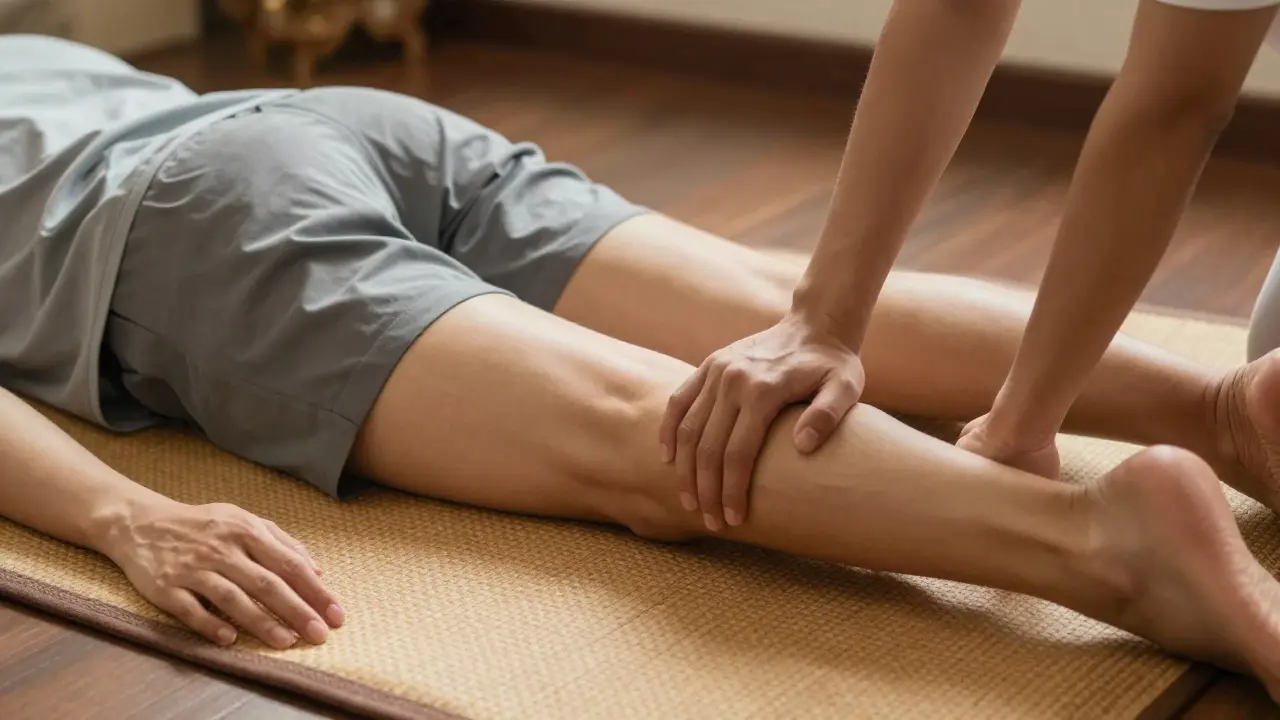
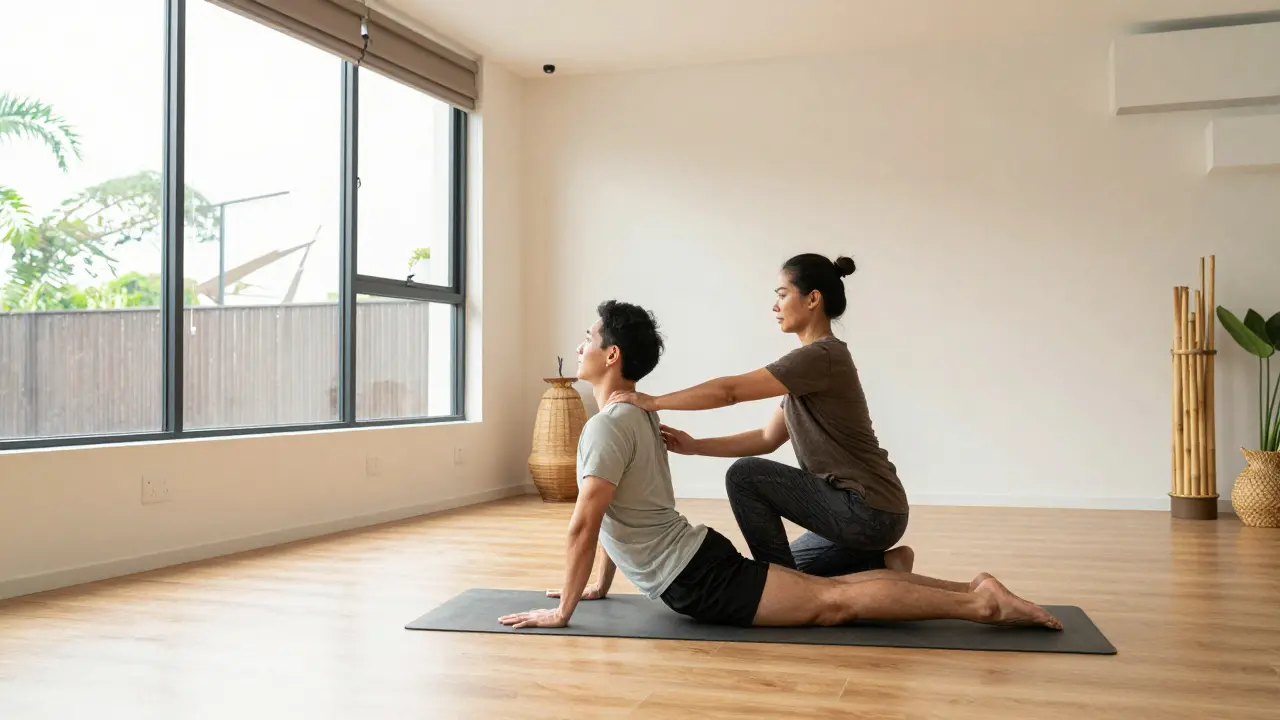
Notice the key difference: Thai massage is active. The therapist uses their hands, elbows, knees, and feet to guide your body into stretches. This mimics the movements you do in your sport, helping your nervous system understand safe ranges of motion. Deep tissue massage, on the other hand, is static. It targets specific muscle fibers to break down adhesions. Both are valuable, but Thai massage offers a holistic approach to movement quality.
The Science Behind the Stretch: Why It Works for Athletes
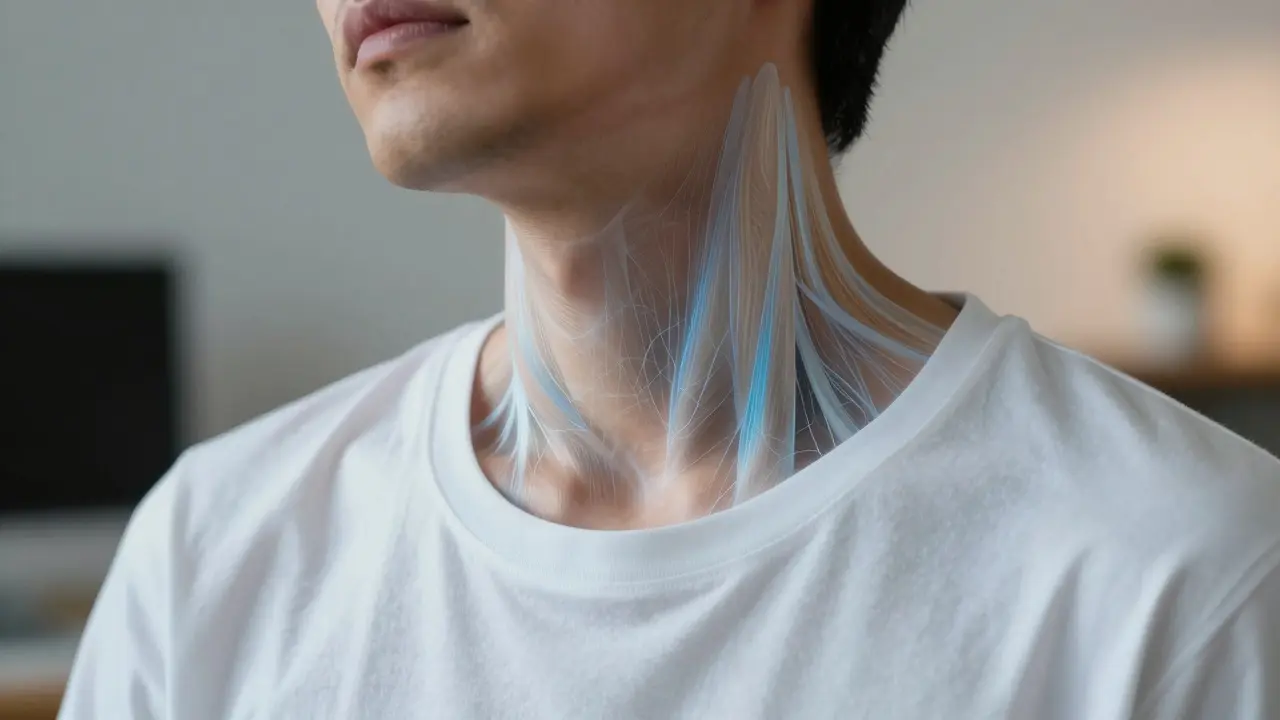
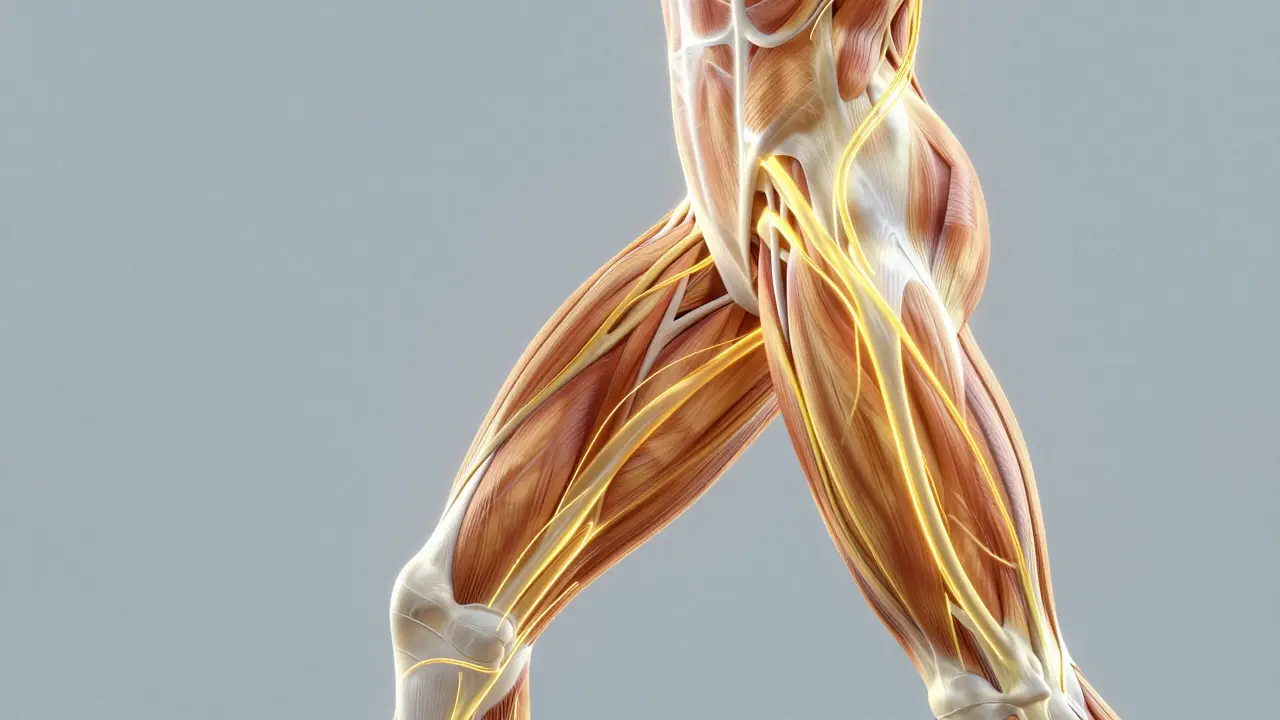
You might wonder if the spiritual aspects of Thai massage translate to physical benefits. The answer is yes, and here’s why. When a therapist applies pressure along your *sen* lines, they’re essentially targeting fascial planes-the connective tissue that surrounds your muscles. Tight fascia restricts movement and causes pain. By releasing these restrictions, Thai massage improves blood flow and reduces inflammation.
Research supports this. A study published in the *Journal of Bodywork and Movement Therapies* found that Thai massage significantly reduced cortisol levels (the stress hormone) and increased serotonin and dopamine. For an athlete, lower stress means faster recovery. Additionally, the stretching component increases synovial fluid production in joints, which lubricates them and prevents wear-and-tear injuries. Think of it as tuning a guitar string: too tight, and it snaps; too loose, and it won’t play. Thai massage finds the perfect tension.
Key Benefits for Specific Sports
Not all sports have the same physical demands. Let’s look at how Thai massage helps different types of athletes:
- Runners and Cyclists: These athletes often suffer from tight hip flexors and IT bands. Thai massage focuses heavily on opening the hips and stretching the legs, which can improve stride length and pedaling efficiency.
- Gymnasts and Dancers: Flexibility is everything. Thai massage enhances spinal mobility and shoulder rotation, allowing for greater artistic expression and safer landings.
- Weightlifters: Heavy lifting compresses the spine and shoulders. The decompression techniques in Thai massage help realign vertebrae and relieve pressure on discs.
- Tennis and Golf Players: Rotational sports strain the lower back and core. Thai massage strengthens these areas through assisted stretching, improving power transfer and reducing injury risk.
No matter your sport, the goal is the same: move better, recover faster, and perform longer.
When to Schedule Your Session
Timing matters. You wouldn’t eat a heavy meal right before a race, so think carefully about when to book your Thai massage.
- Pre-Event (24-48 hours before): A light session can prime your nervous system, increase blood flow, and reduce anxiety. Avoid intense sessions within 12 hours of competition, as they may leave you feeling too relaxed.
- Post-Event (24-72 hours after): This is the ideal window for recovery. Your muscles are fatigued, and Thai massage helps flush out metabolic waste products like lactic acid. It also resets muscle tone, preventing chronic tightness.
- Maintenance (Weekly/Bi-weekly): Regular sessions keep your fascia pliable and your joints mobile. Think of it as preventive maintenance for your car. You don’t wait for the engine to fail; you change the oil regularly.
If you’re dealing with an acute injury (like a sprained ankle), avoid direct pressure on the area. Instead, focus on surrounding muscles and energy lines to promote healing indirectly.
What to Expect During a Session
First-timers often feel nervous. Will it hurt? Will I be embarrassed? Here’s the truth: Thai massage is firm, but it shouldn’t be painful. Communication is key. Tell your therapist if a stretch feels too intense. They’ll adjust immediately.
Here’s a typical flow:
- Warm-up: Gentle compression on the arms and legs to stimulate circulation.
- Spinal Work: Pressure along the spine to release tension in the back muscles.
- Stretching: Assisted poses like pigeon pose, butterfly stretch, and forward folds. You’ll feel your muscles lengthen deeply.
- Joint Mobilization: Gentle rotations of the shoulders, hips, and neck to improve mobility.
- Cool-down: Light tapping and rocking to calm the nervous system.
You’ll remain fully clothed in comfortable, breathable attire. No oils are used, so there’s no mess. Afterward, you’ll likely feel lighter, more energized, and surprisingly flexible. Drink plenty of water to help your body process the released toxins.
Choosing the Right Therapist
Not all Thai massages are created equal. Some spas offer a "Thai-style" massage that’s mostly stretching with little technique. Look for a certified practitioner who understands anatomy and sports physiology. Ask about their training background. Did they study in Thailand? Do they have experience working with athletes?
In Sydney, many therapists combine traditional Thai methods with modern sports science. This hybrid approach is ideal for athletes. Don’t be afraid to ask questions during your consultation. A good therapist will listen to your goals and tailor the session accordingly.
Common Mistakes to Avoid
Even with the best therapist, you can undermine the benefits if you’re not careful. Here are three common pitfalls:
- Holding Your Breath: Relaxation is crucial. If you tense up, your muscles resist the stretch. Breathe deeply and evenly throughout the session.
- Skippping Hydration: Thai massage releases fluids and toxins from your tissues. Dehydration can lead to headaches and fatigue afterward. Drink at least two glasses of water post-session.
- Overdoing It: More isn’t always better. Intense daily sessions can irritate your muscles. Stick to a sustainable schedule based on your training load.
Integrating Thai Massage Into Your Routine
Thai massage isn’t a magic bullet. It works best when combined with other recovery strategies. Pair it with proper nutrition, sleep, and active recovery days. Use foam rolling on non-massage days to maintain flexibility. Listen to your body-if you feel stiff, book a session. If you feel loose, take a break.
Remember, consistency is key. One session won’t transform your performance, but regular treatments will build resilience over time. Treat your body like the high-performance machine it is, and it will reward you with longevity and success.
Is Thai massage painful for athletes?
It can be intense, but it shouldn’t be painful. Thai massage involves deep stretching and pressure, which may feel uncomfortable if you’re very tight. However, a skilled therapist will work within your comfort zone. Communicate openly about pain levels to ensure a beneficial experience.
Can Thai massage help prevent injuries?
Yes. By improving flexibility, joint mobility, and muscle balance, Thai massage reduces the risk of strains and sprains. It addresses imbalances before they become injuries, making it a proactive tool for injury prevention.
How often should an athlete get Thai massage?
Frequency depends on your training intensity. Competitive athletes may benefit from weekly sessions during peak season. Recreational athletes might find bi-weekly or monthly sessions sufficient. Adjust based on your body’s needs and recovery rate.
Do I need to remove my clothes for Thai massage?
No. Thai massage is performed fully clothed. Wear loose, comfortable clothing that allows for easy movement. This makes it less intimidating than oil-based massages and more convenient for athletes.
Is Thai massage suitable for beginners?
Absolutely. While it’s popular among athletes, anyone can benefit from Thai massage. Beginners should start with lighter pressure and shorter sessions to allow their body to adapt. It’s a great way to introduce stretching and relaxation into your routine.