Stone Massage: How Heat and Pressure Melt Away Tension
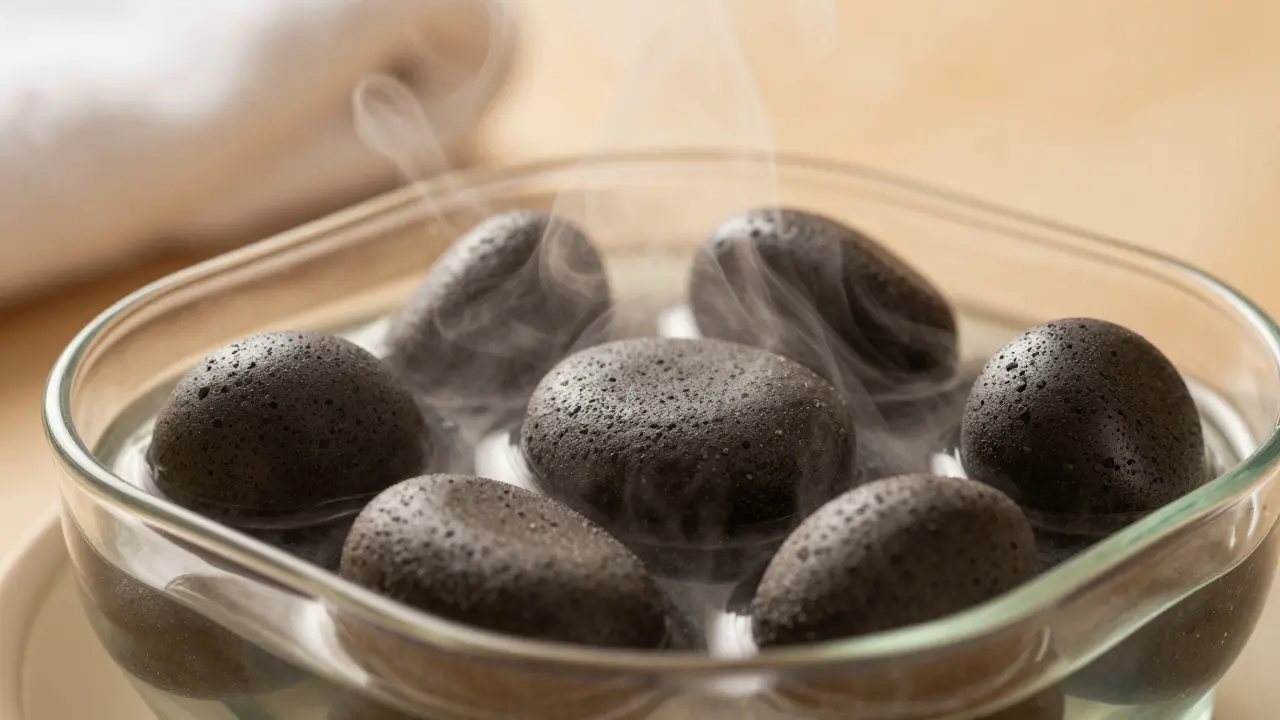
You walk into the spa expecting a standard Swedish massage, but instead of just hands on your back, you feel smooth, warm objects pressing into your shoulders. It feels strange at first-like a heavy, comforting weight rather than a traditional kneading motion. Then, slowly, that knot in your trapezius that’s been there since Monday morning starts to dissolve. This is hot stone massage, also known as stone massage, and it’s not just a trendy spa add-on. It’s a therapeutic technique that uses heated or cooled basalt stones to target deep muscle tension more effectively than manual pressure alone.
If you’ve ever left a regular massage feeling good for an hour only to have the pain return by afternoon, you might be missing out on what heat can do for your body. Stone massage isn’t about replacing the therapist’s hands; it’s about amplifying them. The stones act as an extension of the therapist’s touch, delivering sustained warmth that penetrates deeper layers of muscle tissue.
How Stone Massage Actually Works
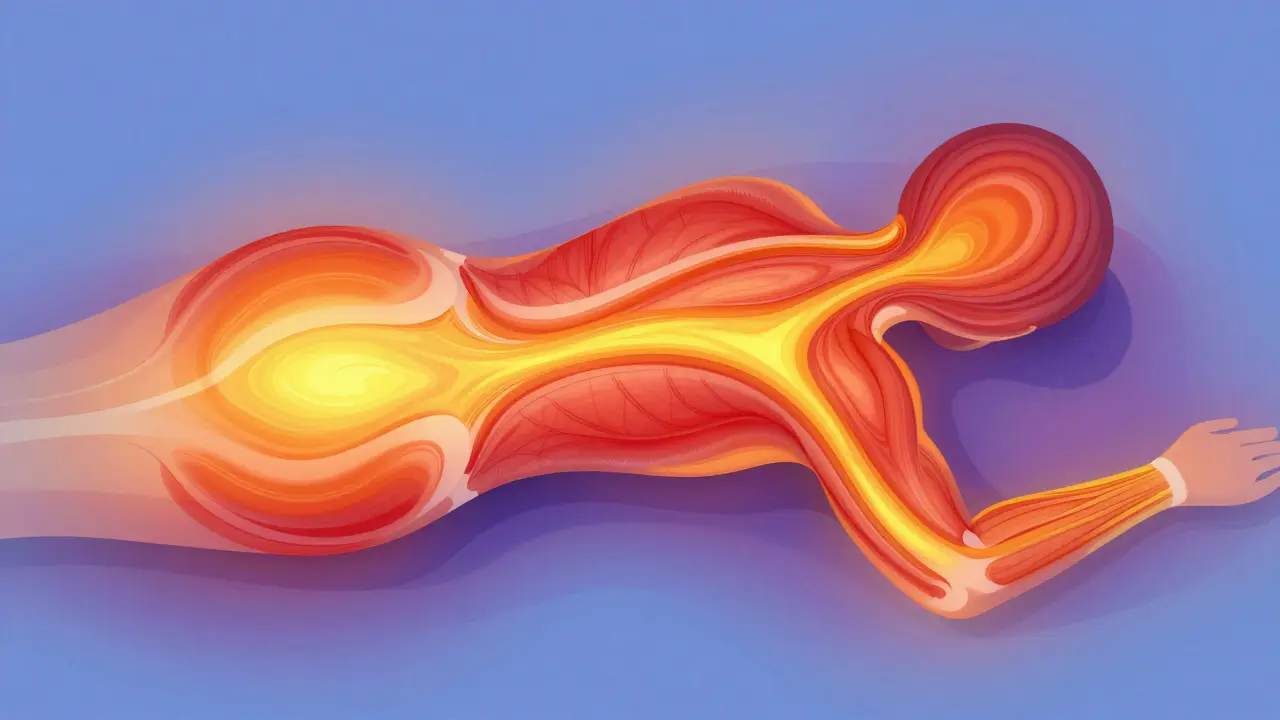
The science behind stone massage is rooted in thermodynamics and physiology. When muscles are tense, they restrict blood flow, leading to a buildup of metabolic waste products like lactic acid. This causes stiffness and pain. Applying heat dilates blood vessels (vasodilation), which increases circulation and helps flush out these toxins. But here’s the key difference between a heating pad and a stone massage: the stones retain heat longer and provide consistent pressure.
Basalt stones are the standard choice because they are dense and porous enough to hold heat without burning the skin. Therapists typically heat these stones in water baths to temperatures between 120°F and 135°F (49°C-57°C). They place them on specific points along your body-often aligned with acupuncture meridians-or use them as tools to glide over large muscle groups like the back, hamstrings, and calves.
Some therapists also use cold stones, usually marble, to reduce inflammation or soothe acute injuries. The contrast between hot and cold creates a pumping action in the circulatory system, further enhancing recovery. However, the most common experience involves heat, which is why people associate stone massage with deep relaxation.
Who Should Try Stone Massage?
Not every massage modality suits every person. Stone massage shines when you’re dealing with chronic tension rather than acute injury. Here’s who benefits most:
- Chronic Stress Sufferers: If your stress manifests physically-tight neck, clenched jaw, stiff lower back-the sustained heat helps trigger the parasympathetic nervous system, shifting your body from “fight or flight” to “rest and digest.”
- Athletes and Active Individuals: While not a replacement for sports massage, stone massage aids in post-workout recovery by loosening tight fascia and improving range of motion.
- People with Poor Circulation: The vasodilation effect can help those who often feel cold or have sluggish blood flow, provided there are no underlying cardiovascular conditions.
- Insomnia Fighters: Many clients report sleeping significantly better after a session due to the profound relaxation response induced by the thermal therapy.
Conversely, if you’re in the middle of an acute flare-up of arthritis or have open wounds, skip the heat. Always consult with your therapist beforehand.
What to Expect During Your Session
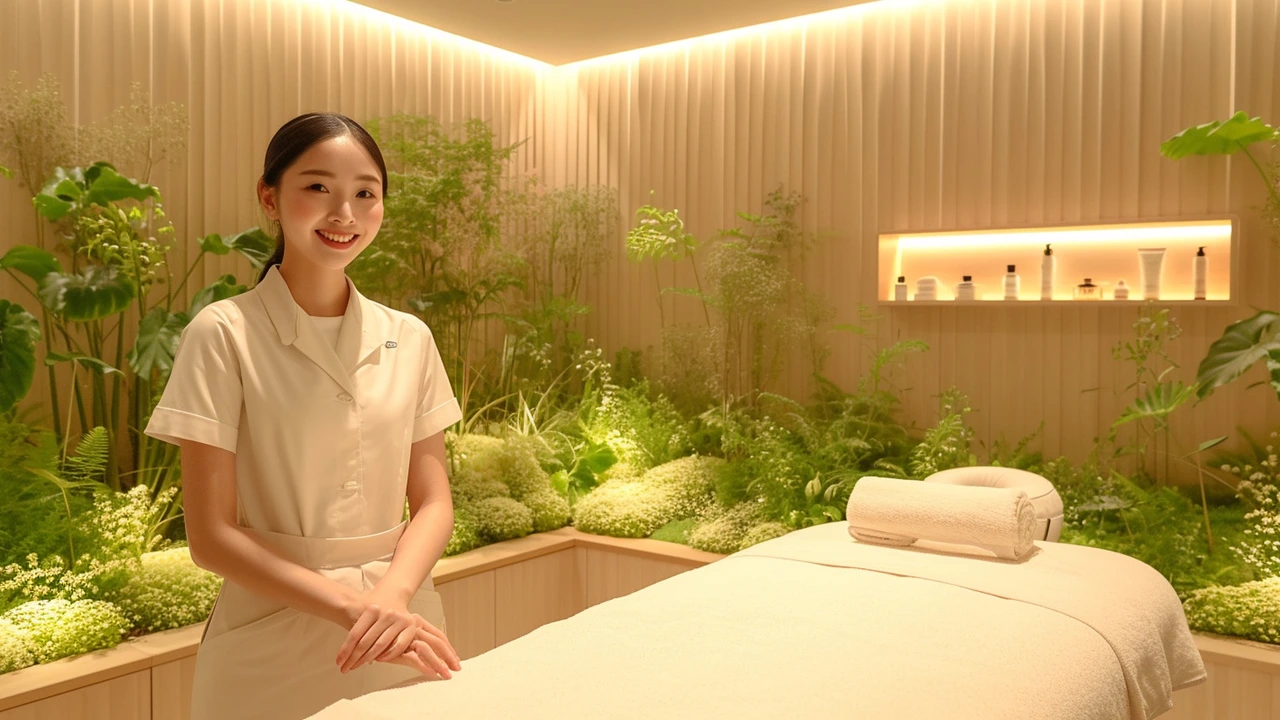
Your first stone massage will likely follow a similar structure to a traditional massage, with some distinct variations. Here’s the typical flow:
- Consultation: Your therapist will ask about areas of tension, medical history, and sensitivity to heat. Be honest-if you’ve had burns before or have sensitive skin, they need to know.
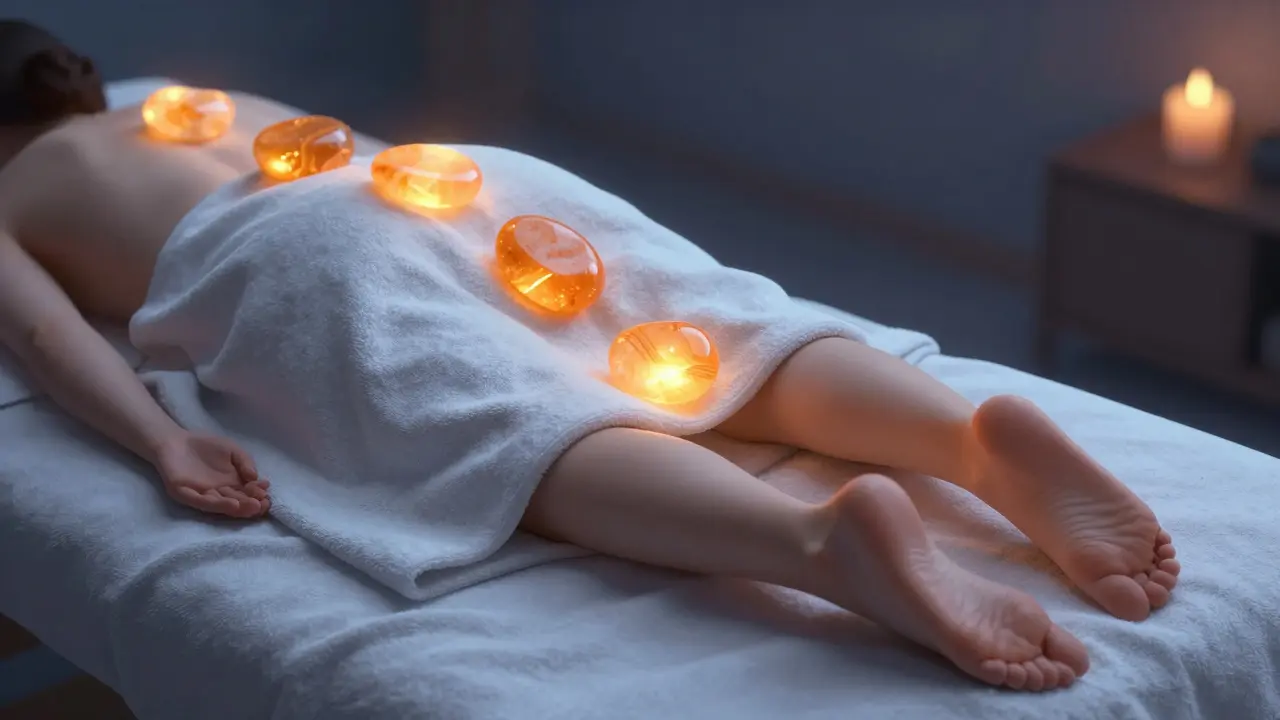
- Preparation: You’ll lie face down on the table. The therapist places heated stones along your spine, on your chest, stomach, and between your feet. These stay in place throughout much of the session, acting as anchors of warmth.
- The Massage: The therapist picks up stones to massage your muscles directly. You’ll feel the weight of the stone combined with the therapist’s hand movements. It’s heavier than usual, but it shouldn’t hurt. If it does, speak up immediately.
- Cool Down: Toward the end, the stones may be removed or replaced with cooler ones. The therapist finishes with light strokes to integrate the effects.
The entire process usually lasts 60 to 90 minutes. Most people fall asleep during this treatment. In fact, if you don’t sleep, you’re doing it wrong-it’s that relaxing.
Stone Massage vs. Deep Tissue: Which Do You Need?
This is the most common question I hear. Both aim to relieve deep tension, but they approach it differently. Let’s break it down.
| Feature | Hot Stone Massage | Deep Tissue Massage |
|---|---|---|
| Primary Mechanism | Heat + Moderate Pressure | Firm Manual Pressure |
| Pain Level | Low to Moderate (Comfortable) | Moderate to High (Can be intense) |
| Best For | Relaxation, Chronic Stiffness, Anxiety | Specific Knots, Postural Issues, Sports Recovery |
| Sensation | Warm, Heavy, Melting | Intense, Focused, Sometimes Sore Afterward |
| Aftercare | Hydration, Rest | Hydration, Ice (if sore), Gentle Stretching |
Choose stone massage if you want to unwind deeply and address general stiffness without the discomfort of aggressive kneading. Choose deep tissue if you have a specific, stubborn knot that needs targeted breaking down, and you have a high pain tolerance.
Benefits Beyond Muscle Relaxation
We often focus on the physical relief, but the psychological benefits of stone massage are equally significant. The constant, rhythmic warmth mimics the sensation of a weighted blanket, which has been shown to reduce cortisol levels (the stress hormone) and increase serotonin and dopamine production.
For many, the tactile experience is grounding. In a world where we’re constantly stimulated by screens and noise, the simple act of lying still while warm stones press into your body forces a mental pause. This mindfulness aspect can help break cycles of anxiety and rumination.
Additionally, improved circulation doesn’t just help muscles; it nourishes the skin. Clients often notice their skin looks brighter and feels softer after a session, thanks to the increased blood flow and lymphatic drainage encouraged by the heat.
Safety Precautions and Contraindications
While generally safe, stone massage isn’t for everyone. Heat can exacerbate certain conditions. Avoid this treatment if you have:
- Cardiovascular Issues: Uncontrolled high blood pressure or heart disease, as heat increases heart rate and blood flow.
- Diabetes with Neuropathy: Reduced sensation in the extremities means you might not feel if a stone is too hot, risking burns.
- Pregnancy: Especially in the first trimester, or if you have a high-risk pregnancy. Heat can raise core body temperature, which is risky for fetal development.
- Open Wounds or Infections: Including fever, cold, flu, or skin infections.
- Cancer: Unless cleared by your oncologist, as heat can stimulate cell division and blood flow in ways that may interfere with treatment.
Always disclose your medical history during the intake form. A professional therapist will adjust the temperature or skip the stones entirely if needed.
Aftercare: Maximizing the Benefits
The work isn’t done when you leave the spa. To extend the relaxation and prevent rebound tension, follow these steps:
- Drink Water: Heat draws fluid to the surface and encourages detoxification. Rehydrate aggressively for the next 24 hours.
- Rest: Don’t schedule a heavy workout or intense meeting immediately after. Give your body time to integrate the release.
- Keep Warm: Dress warmly on your way home. Cold air hitting relaxed muscles can cause them to tighten again quickly.
- Gentle Movement: Light stretching or walking the next day helps maintain the improved range of motion.
If you feel slightly dizzy afterward, that’s normal. It’s a sign your blood pressure has dropped and your nervous system is calming down. Sit up slowly and breathe.
Finding a Qualified Therapist
Not all spas perform stone massage correctly. Look for a licensed massage therapist (LMT) who specializes in modalities beyond basic Swedish massage. Ask about their training in hot stone techniques. A good therapist will check the stone temperature on their own wrist before placing it on you and will continuously monitor your comfort level.
In Brisbane, where humidity can make heat feel oppressive, ensure the room is well-ventilated but not overly air-conditioned, so the contrast doesn’t shock your system. Price-wise, expect to pay a premium compared to a standard massage-usually $20-$40 more per session-due to the equipment and setup time required.
Does stone massage hurt?
It should not hurt. The pressure is moderate, and the heat helps relax muscles so they accept the touch more easily. If you feel sharp pain or burning, tell your therapist immediately. Discomfort is different from therapeutic intensity; stone massage aims for comfort, not agony.
How long do the effects last?
Most people feel relaxed for several days to a week. For chronic conditions, regular sessions (every 2-4 weeks) are recommended to maintain benefits. The immediate sense of weightlessness and reduced tension can last 24-48 hours.
Can I get a stone massage if I have sensitive skin?
Yes, but communicate this upfront. The therapist can use lower temperatures and apply a thicker layer of oil to create a barrier. Basalt stones are smooth, but friction can irritate very sensitive skin if not managed carefully.
Is stone massage covered by insurance?
Rarely. Most insurance plans consider it a luxury or wellness service rather than a medical necessity. However, if you have a diagnosed condition like fibromyalgia or chronic back pain, some plans may cover part of the cost if prescribed by a doctor. Check with your provider.
Why are basalt stones used instead of other rocks?
Basalt is a volcanic rock that is dense and holds heat exceptionally well without becoming brittle. Other stones might crack under temperature changes or lose heat too quickly. Basalt’s smooth texture also allows for easy gliding over oiled skin.