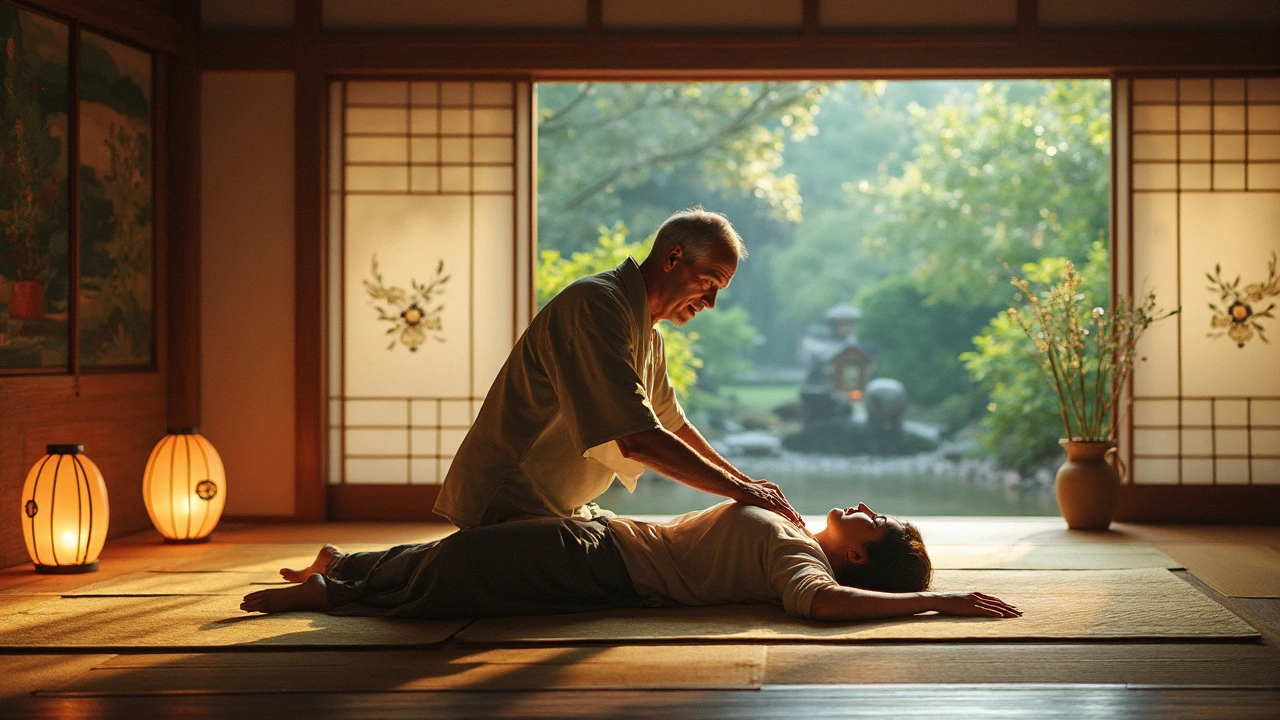
Shiatsu: An Essential Element in Your Health Regimen
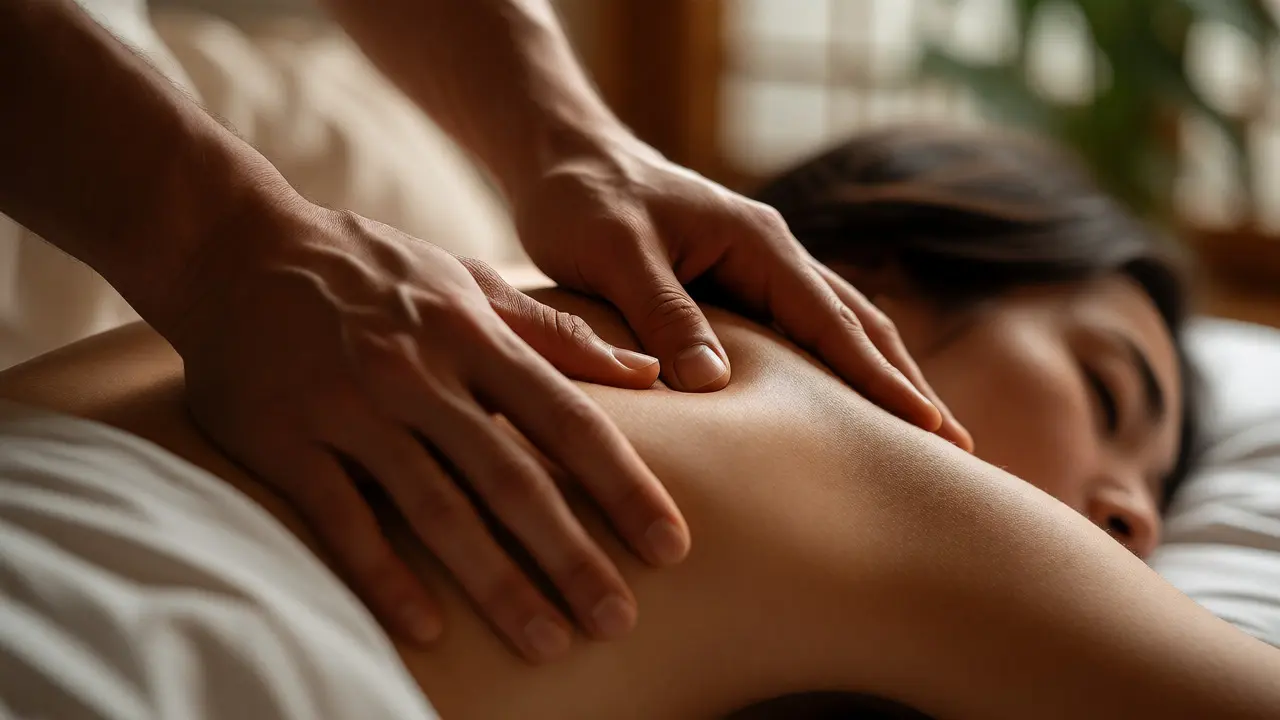
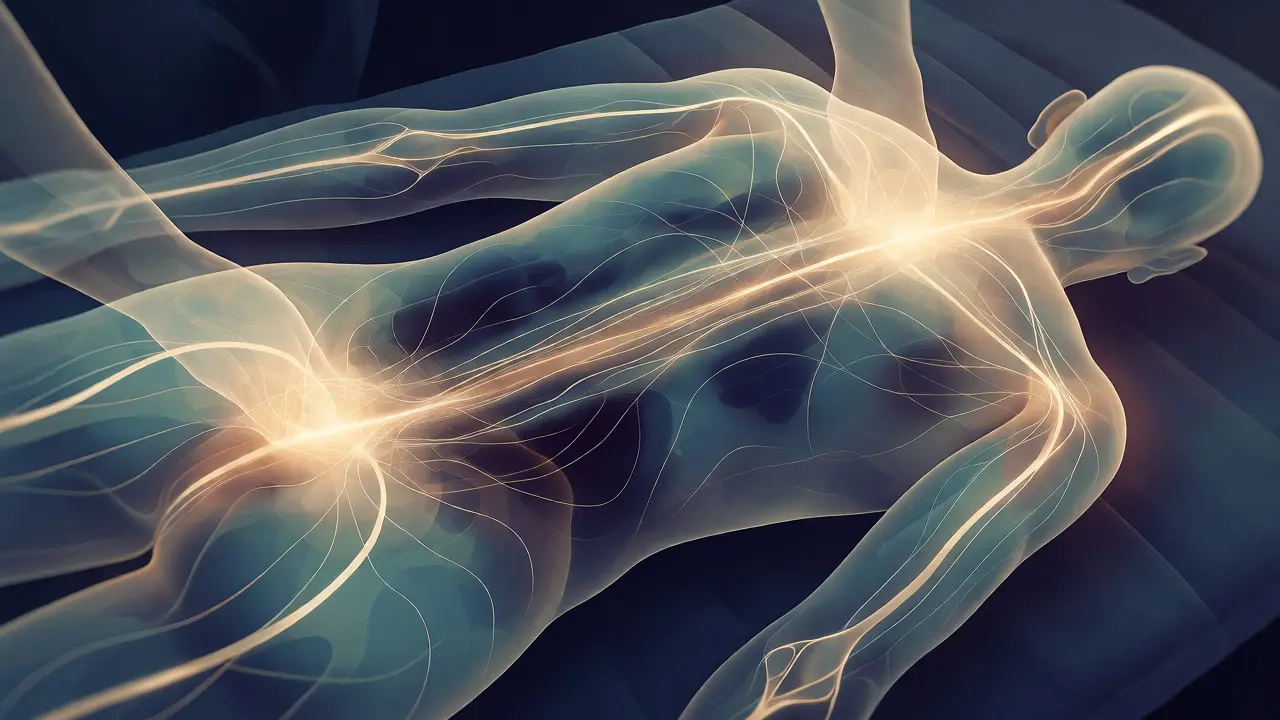
You know that feeling when your shoulders are so tight they feel like concrete blocks, and a standard rubdown just doesn’t touch the spot? That’s where Shiatsu comes in. Unlike typical Western massage, which often focuses on muscle tissue with oils and friction, shiatsu is a form of Japanese bodywork based on Traditional Chinese Medicine principles. It uses finger pressure to stimulate specific points along energy pathways called meridians. Think of it less as "rubbing out knots" and more as resetting your body’s internal wiring.
If you’ve been ignoring this practice because it sounds too mystical or unfamiliar, you’re missing out on one of the most effective tools for stress relief and pain management. The World Health Organization recognizes shiatsu for its ability to treat conditions ranging from back pain to anxiety. But how does pressing on your feet actually fix your headache? And why would you choose this over a deep tissue massage? Let’s break down exactly what shiatsu is, how it works, and whether it belongs in your weekly routine.
What Exactly Is Shiatsu?
At its core, Shiatsu is a non-invasive manual therapy that originated in Japan but draws heavily from Traditional Chinese Medicine (TCM). The word itself translates to "finger pressure." While it looks similar to acupuncture without needles, the mechanism is distinct. Instead of piercing the skin, a practitioner applies rhythmic pressure using their thumbs, palms, elbows, and sometimes knees.
The theory rests on the concept of Qi (or Ki), the vital life force that flows through the body. When Qi gets blocked or stagnant, illness or pain occurs. Shiatsu aims to restore balance by opening these blockages. You don’t need to believe in energy fields to benefit from it, though. From a physiological perspective, the pressure stimulates the parasympathetic nervous system, triggering the "rest and digest" response. This lowers cortisol levels, reduces heart rate, and encourages deep relaxation.
It’s crucial to understand that shiatsu isn’t about brute force. A good practitioner reads your body’s resistance. If you tense up, they ease off. It’s a dialogue between the giver and receiver, not a unilateral assault on sore muscles. This distinction makes it suitable for people who find deep tissue work too aggressive or painful.
The Science Behind the Pressure
Skeptics often ask if there’s any hard evidence behind ancient practices. There is. Research published in journals like the Journal of Alternative and Complementary Medicine has shown that shiatsu can significantly reduce symptoms of chronic fatigue syndrome and improve sleep quality. But what is happening under the skin?
When a practitioner presses on an acupoint, several things happen:
- Circulatory Boost: The pressure releases nitric oxide, a molecule that signals blood vessels to widen. This increases blood flow to the area, flushing out metabolic waste products like lactic acid.
- Nervous System Reset: The rhythmic nature of the pressure shifts the autonomic nervous system from sympathetic (fight or flight) to parasympathetic dominance. This is key for healing and digestion.
- Fascial Release: While shiatsu doesn’t use oil, the sustained pressure helps loosen the fascia-the connective tissue surrounding muscles. Tight fascia restricts movement and causes pain; releasing it restores mobility.
A study involving patients with low back pain found that those receiving regular shiatsu sessions reported greater pain reduction and improved function compared to those doing standard stretching alone. The effects weren’t just placebo; the physical manipulation provided measurable changes in pain thresholds and range of motion.
Key Techniques and Tools of the Trade
Unlike Swedish massage, which relies heavily on long strokes and kneading, shiatsu utilizes a variety of static and dynamic techniques. Most sessions take place on a mat on the floor, known as a futon, rather than a table. This allows the practitioner to use their own body weight effectively, providing deep pressure without straining their wrists.
Here are the primary methods you’ll encounter:
| Technique | Description | Primary Benefit |
|---|---|---|
| Thumb Pressure | Sustained, vertical pressure applied directly onto acupoints. | Targets specific blockages; high precision. |
| Palm Pressure | Broad pressure using the heel of the hand. | Gentler; good for larger areas like the back. |
| Elbow Pressure | Deeper penetration using the elbow tip. | Reaches deep muscle layers; strong release. |
| Knee Pressure | Using the knee for large muscle groups. | Efficient for legs and glutes; consistent depth. |
| Stretching | Passive joint mobilization and limb extension. | Improves flexibility; complements pressure work. |
Practitioners also incorporate rocking movements and joint rotations. These dynamic elements help lubricate the joints and prepare the tissues for deeper work. The session usually ends with gentle stretching and a period of quiet rest, allowing the body to integrate the changes.
Who Benefits Most from Shiatsu?
While anyone can enjoy a shiatsu session, certain groups see particularly dramatic results. If you fall into one of these categories, adding shiatsu to your regimen might be the missing piece in your wellness puzzle.
People with Chronic Stress and Anxiety: Because shiatsu directly impacts the nervous system, it’s incredibly effective for calming the mind. Many clients report feeling mentally clearer after a session, even if the physical tension wasn’t severe. The focus on breath and rhythm helps ground anxious thoughts.
Those with Musculoskeletal Pain: Back pain, neck stiffness, and headaches often stem from poor posture or repetitive strain. Shiatsu addresses both the symptom (tight muscles) and the cause (imbalanced energy flow or structural misalignment). It’s particularly helpful for desk workers who sit for hours.
Individuals with Digestive Issues: In TCM, the abdomen is considered the center of emotional and physical health. Abdominal shiatsu, often called Hara diagnosis, can help regulate digestion, reduce bloating, and alleviate IBS symptoms by stimulating the vagus nerve.
Women Experiencing Menstrual Discomfort: Specific acupoints targeted during shiatsu can help regulate hormonal cycles and reduce cramping. It’s a natural alternative to painkillers for many women.
How to Prepare for Your First Session
If you’re new to this, preparation is minimal but important. Since shiatsu is performed fully clothed, wear comfortable, loose-fitting clothing. Avoid jeans or belts, as they restrict movement and make access to acupoints difficult. Cotton or stretchy fabrics are ideal.
Eat lightly before your appointment. A heavy meal can make lying face-down uncomfortable and may interfere with the digestive benefits. Hydrate well beforehand and afterward. Water helps flush out toxins released during the treatment and prevents post-massage dehydration headaches.
Communicate openly with your practitioner. Tell them about any injuries, recent surgeries, or medical conditions. While shiatsu is generally safe, certain conditions like acute inflammation, fever, or pregnancy require modified techniques. A qualified practitioner will adjust their approach accordingly.
Shiatsu vs. Other Massage Modalities
Choosing the right type of bodywork depends on your goals. Here’s how shiatsu stacks up against common alternatives.
| Feature | Shiatsu | Swedish Massage | Deep Tissue |
|---|---|---|---|
| Pressure Level | Moderate to Deep (variable) | Light to Moderate | Very Deep |
| Clothing | Worn throughout | Oiled skin | Oiled skin |
| Focus | Energy flow & acupoints | Relaxation & circulation | Muscle adhesions |
| Best For | Stress, pain, balance | General relaxation | Injury recovery |
| Aftermath | Energized yet calm | Drowsy/relaxed | Soreness possible |
Choose shiatsu if you want a holistic approach that addresses mental and physical states simultaneously. Choose Swedish if you just want to zone out and feel pampered. Choose deep tissue if you have specific sports injuries requiring aggressive breakdown of scar tissue.
Frequently Asked Questions
Does shiatsu hurt?
It shouldn't be painful. You might feel a sensation described as "good pain"-a deep ache that feels relieving, similar to scratching an itch. If it hurts sharply, tell your practitioner immediately. They can adjust the pressure. The goal is therapeutic discomfort, not agony.
How often should I get shiatsu?
For general maintenance, once a month is sufficient. If you're treating a specific condition like chronic back pain or high stress, weekly or bi-weekly sessions for the first 4-6 weeks yield better results. Afterward, taper off to a monthly schedule to maintain progress.
Can I do shiatsu on myself?
Yes, self-shiatsu is a valuable tool. You can press on accessible acupoints like LI4 (on the hand webbing) for headaches or ST36 (below the knee) for energy. However, professional sessions allow access to harder-to-reach areas and provide a deeper level of relaxation that self-treatment rarely achieves.
Is shiatsu safe during pregnancy?
Generally, yes, but with caution. Certain acupoints are contraindicated in early pregnancy as they may stimulate uterine contractions. Always inform your practitioner. Prenatal shiatsu specialists modify techniques to ensure safety and comfort, focusing on relieving back pain and swelling.
What should I expect after a session?
Most people feel relaxed and energized. Some experience mild detoxification symptoms like thirst or slight fatigue, which usually pass within 24 hours. Drink plenty of water and avoid strenuous exercise for a few hours to let your body settle.
Next Steps for Integrating Shiatsu
Ready to try it? Start by finding a certified practitioner. Look for credentials from recognized bodies like the American Shiatsu Coexistence Council or equivalent local organizations. Read reviews and ask if they offer a consultation before booking a full hour.
Treat your first session as an experiment. Note how you feel physically and mentally for the next 48 hours. Did your sleep improve? Was your mood lighter? Use this data to decide if shiatsu fits your lifestyle. If it does, consider combining it with other practices like yoga or meditation for compounded benefits. Your body keeps score, and shiatsu gives it a fair chance to heal.