Stone Massage History: From Ancient Roots to Modern Spas
Imagine lying on a table while smooth, heated rocks rest on your back. It feels luxurious, sure, but have you ever wondered where this idea actually came from? Was it invented by some modern spa guru trying to sell expensive packages, or does it go back further than we think? The truth is, stone massage has roots that stretch back thousands of years, crossing continents and cultures long before the first luxury resort opened its doors.
We tend to associate hot stone therapy with high-end spas in Bali or Beverly Hills. But the practice isn't just a marketing gimmick. It’s a technique born out of necessity, survival, and an intuitive understanding of how heat interacts with the human body. If you’ve ever felt tension melt away under warm pressure, you’re experiencing something humans have sought after for millennia. Let’s unpack how a simple rock became one of the most popular tools in modern wellness and alternative medicine.
Ancient Origins: More Than Just Warm Rocks
To understand where stone massage fits today, we have to look at the ancient world. There is no single "inventor" of this technique. Instead, it evolved independently in several distinct regions, driven by similar environmental conditions and medical philosophies.
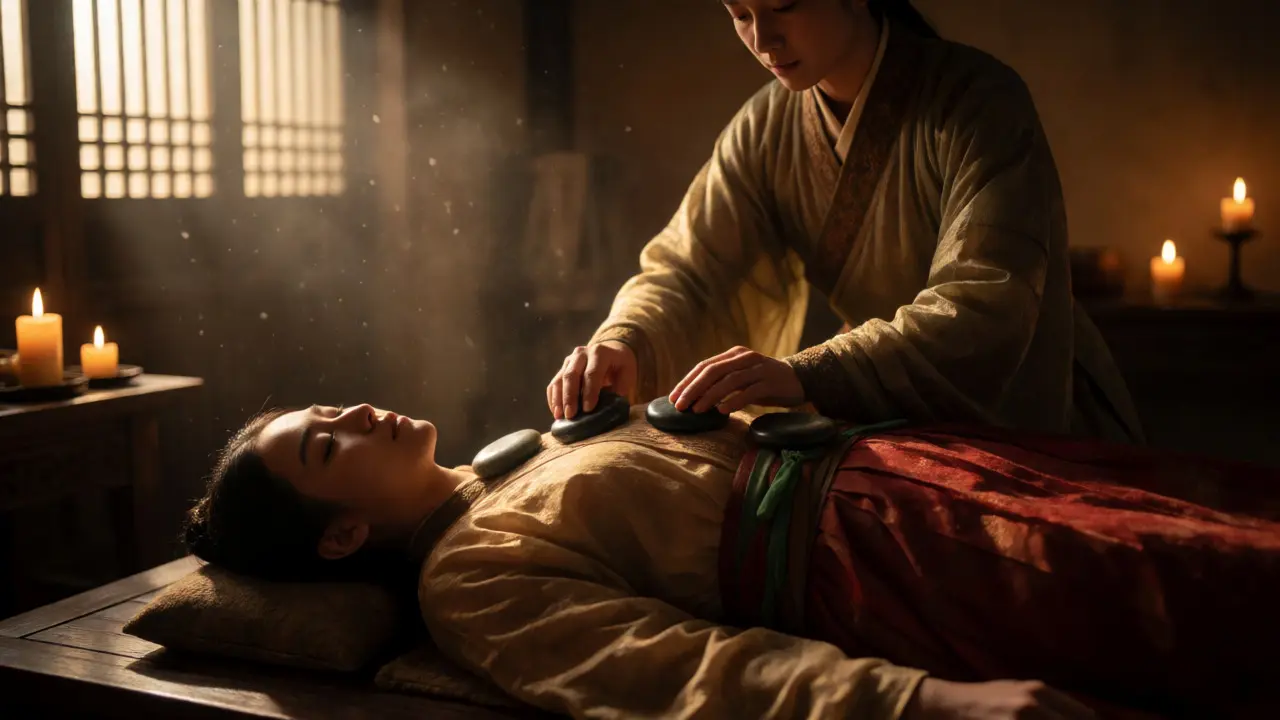
In China, traditional practitioners used heated stones as early as the Tang Dynasty (618-907 AD). They believed that warming specific points on the body helped balance Qi, or life energy. This wasn’t about relaxation in the modern sense; it was therapeutic. Heated jade or granite was applied to meridians to relieve pain and improve circulation. Similarly, Native American tribes in North America utilized heated river stones in sweat lodges and healing rituals. For them, the stones were sacred vessels of earth’s energy, used to heal both physical ailments and spiritual distress.
Meanwhile, in India, Ayurvedic practices incorporated warm oil and heated stones to pacify Vata dosha, which governs movement and is often associated with coldness and dryness. These historical examples show a universal human recognition: heat soothes pain, and heavy objects provide grounding stability. The common thread wasn’t technology-it was observation. People noticed that warmth relaxed muscles, and they had access to rocks that held that heat well.
The Basalt Advantage: Why Specific Stones Matter
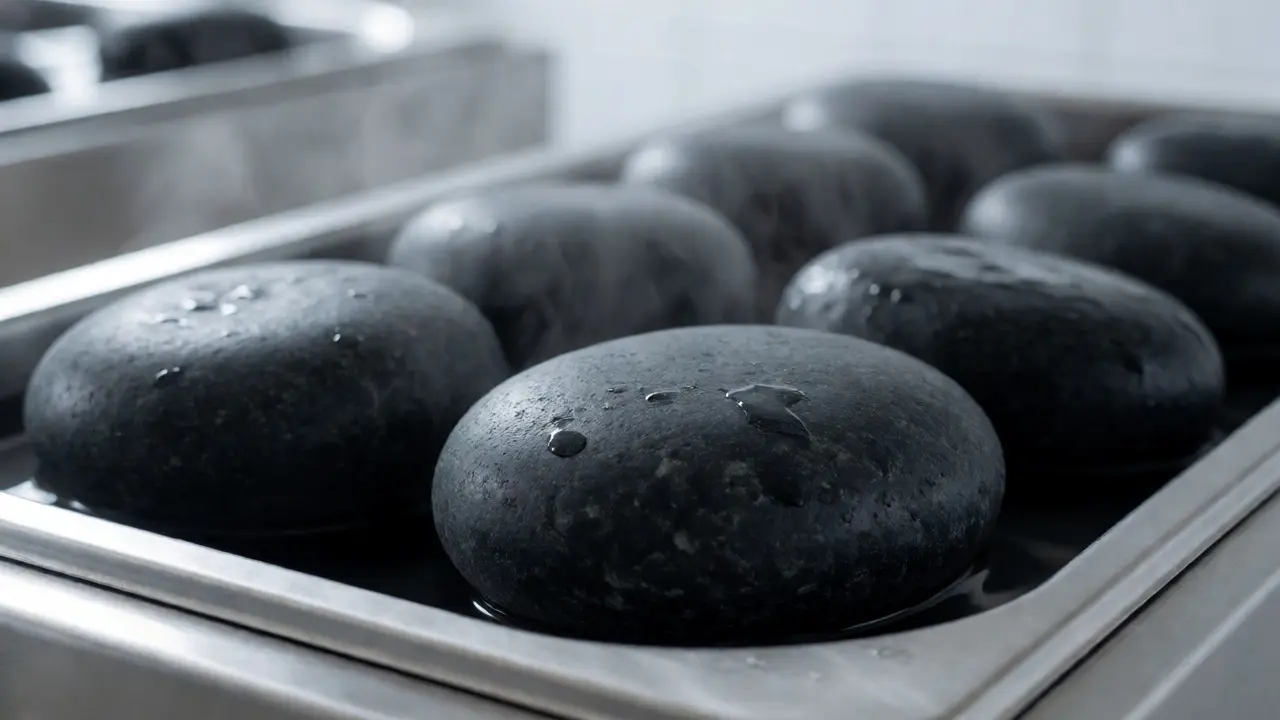
Not all rocks are created equal when it comes to massage. If you tried using a jagged piece of limestone, you’d end up with bruises, not bliss. The evolution of stone massage is closely tied to the selection of the right material. Today, the gold standard is basalt, a type of volcanic rock known for its high iron content and ability to retain heat efficiently.
Why basalt? Because it heats evenly and cools slowly. Unlike ceramic tiles or marble, which can crack under thermal stress or lose temperature too quickly, basalt is dense and stable. Its dark color also helps absorb radiant heat from the heating units used in spas. In the late 20th century, therapists began experimenting with different materials, but basalt consistently won out due to its safety profile and tactile quality.
| Material | Heat Retention | Durability | Cost | Best For |
|---|---|---|---|---|
| Basalt | High | Very High | Moderate | Deep tissue work |
| Marble | Low | Moderate | High | Cooling effects |
| Serpentine | Moderate | Low | Low | Budget setups |
| Jade | Low | High | Very High | Luxury aesthetics |
This shift toward standardized materials marked a turning point. It transformed stone massage from a localized folk remedy into a reproducible professional service. You couldn’t just pick up any rock from the backyard; you needed consistent shapes and thermal properties. This standardization allowed for training programs and certification, paving the way for global adoption.
The Modern Revival: Mary Nelson’s Contribution
If ancient cultures laid the groundwork, Mary Nelson brought stone massage to the mainstream Western market. In the 1990s, Nelson, a massage therapist from Arizona, developed what she called LaStone Therapy. She didn’t invent the concept of using hot rocks, but she systematized it.
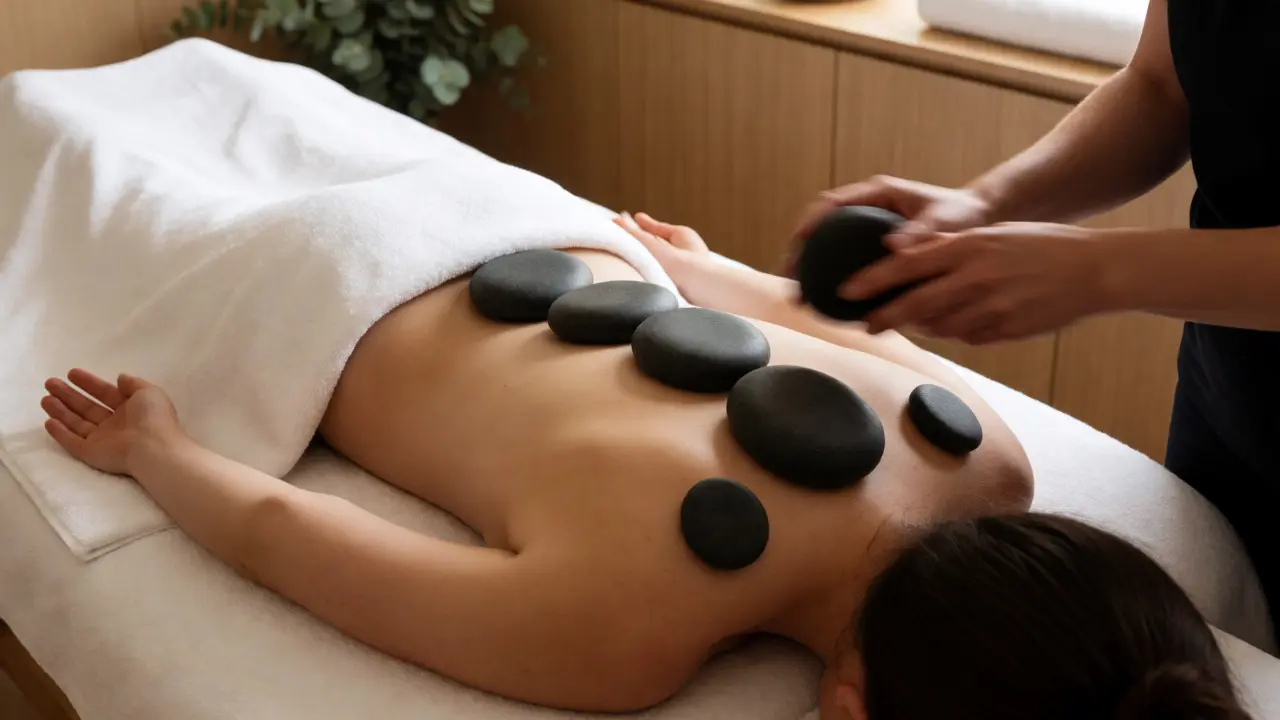
Nelson recognized that while clients loved the sensation of heat, many therapists struggled with integrating stones into their existing Swedish or deep tissue routines. Her method provided a clear protocol: use larger stones for static placement along the spine and smaller stones for gliding strokes over muscle groups. She emphasized the dual nature of the treatment-static heat for penetration and dynamic movement for circulation.
Her approach resonated because it addressed two major client complaints: chronic muscle tension and stress-induced insomnia. By combining the psychological comfort of warmth with physiological benefits, LaStone Therapy became a staple in American spas. It proved that tradition could be packaged effectively for a modern audience without losing its therapeutic core.
Scientific Backing: What Actually Happens to Your Body?
Is it just placebo effect, or does heat do real work? Research suggests the latter. When you apply heat to skin, blood vessels dilate-a process called vasodilation. This increases blood flow to the area, delivering oxygen and nutrients while flushing out metabolic waste products like lactic acid.
Moreover, heat affects the nervous system directly. It stimulates thermoreceptors, which send signals to the brain that compete with pain signals. This is known as the gate control theory of pain. Essentially, the warmth "distracts" your nerves, reducing the perception of discomfort. A study published in the Journal of Clinical Nursing found that participants receiving hot stone massage reported significantly lower levels of anxiety and improved sleep quality compared to those receiving standard Swedish massage.
It’s not magic. It’s physiology. The weight of the stones adds another layer. Proprioceptive input-the sense of body position-gets stimulated by the pressure. This triggers a parasympathetic response, telling your body it’s safe to relax. So when you feel that heavy, sleepy calm during a session, it’s your nervous system shifting gears from "fight or flight" to "rest and digest."
Global Variations and Cultural Adaptation
Today, stone massage isn’t a monolith. Different regions have adapted the technique to fit local preferences and available resources. In Thailand, you might encounter a blend of herbal compresses and warm stones, focusing on energy lines rather than just muscle knots. In Europe, particularly in Germany and Austria, balneology traditions influence spa practices, often combining mineral-rich waters with heated pebbles for rheumatism relief.
Here in Australia, the approach tends to be holistic, often pairing stone therapy with aromatherapy using native oils like eucalyptus or tea tree. This reflects a broader trend in wellness: customization. Clients don’t just want heat; they want an experience tailored to their specific needs, whether that’s post-workout recovery or mental decompression.
The rise of mobile massage services has also changed how people access these treatments. Instead of visiting a clinic, therapists now bring portable heating units and stone sets to homes and offices. This convenience factor has expanded the market beyond luxury spa-goers to busy professionals and stay-at-home parents seeking quick relief.
Choosing the Right Practitioner
With popularity comes variability in quality. Not every therapist offering "hot stone massage" is trained in proper safety protocols. Improperly heated stones can cause burns, especially if the therapist doesn’t check temperatures regularly. Look for certifications from recognized bodies like the Associated Bodywork & Massage Professionals (ABMP) or equivalent local organizations.
Ask questions. How do they clean the stones between clients? Do they test the temperature on their own wrist before placing it on you? Are they using genuine basalt or cheaper substitutes? A good practitioner will welcome these inquiries. It shows they take hygiene and safety seriously, which is crucial given the intimate nature of the treatment.
How hot should the stones be during a massage?
Typically, stones are heated to between 45°C and 55°C (113°F to 131°F). However, therapists always test the temperature on their inner wrist or elbow before applying it to your skin to ensure it’s comfortable and safe, never scalding.
Can I get a stone massage if I have sensitive skin?
Yes, but communicate with your therapist. They can use a barrier cream or place a thin towel between the stone and your skin. Also, avoid stones that are too hot, as heat can exacerbate conditions like rosacea or eczema.
What are the contraindications for hot stone massage?
People with diabetes, varicose veins, open wounds, severe inflammation, or recent surgeries should consult a doctor first. Heat sensitivity issues or poor circulation can make hot stone therapy risky for certain individuals.
How often should I get a stone massage?
For general wellness, once a month is sufficient. For acute pain or high stress, weekly sessions for a short period (4-6 weeks) may be recommended. Always listen to your body and adjust frequency based on how you feel afterward.
Do cold stones have a place in this therapy?
Absolutely. Some advanced techniques alternate hot and cold stones to stimulate circulation and reduce inflammation. Marble or granite is often used for cooling effects, providing a contrast that can invigorate the nervous system.