Mastering Swedish Massage Techniques: A Complete Guide to Relaxation
- Effleurage: Long, gliding strokes that warm up the muscle.
- Petrissage: Kneading movements that crush out knots.
- Tapotement: Rhythmic tapping to wake up the nervous system.
- Friction: Deep circular pressure to break down adhesions.
- Vibration: Shaking movements to relax the muscle fibers.
The Core Philosophy of Swedish Massage
Before we get into the moves, you need to understand what Swedish Massage is a systemic massage technique designed to increase blood circulation, ease muscle tension, and reduce stress by manipulating the body's soft tissues. Unlike deep tissue work, which targets the innermost layers of muscle, this style stays mostly in the superficial layers. It's the gold standard for people who want to relax without feeling like they've been in a wrestling match after their appointment.
The goal is simple: move blood and lymph fluid toward the heart. Why does that matter? Because when blood flows better, oxygen reaches your muscles faster, and metabolic waste-like the lactic acid that builds up after a gym session-gets cleared out more efficiently. If you've ever felt that "glow" after a massage, it's literally your circulatory system working at peak performance.
Effleurage: The Art of the Glide
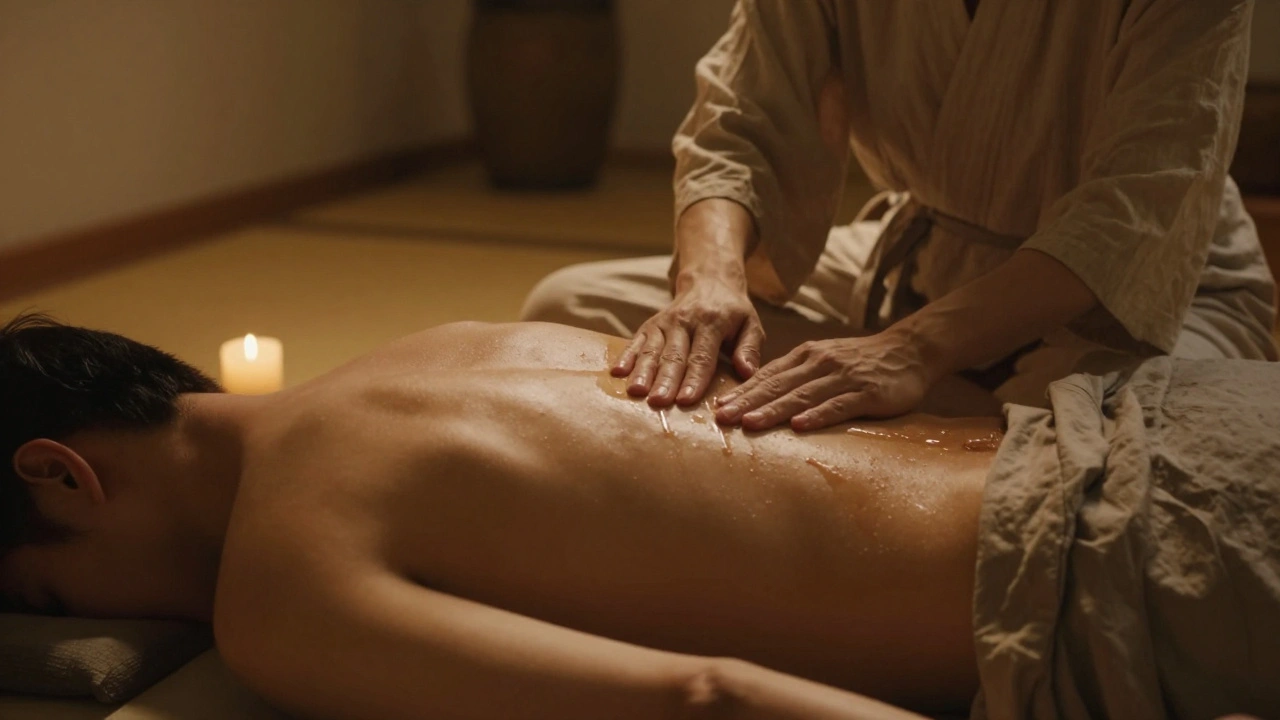
Every session starts and ends with Effleurage is a series of long, sweeping strokes used to apply lubricant and warm up the muscle tissue. Think of this as the "introduction" phase. You aren't trying to fix a problem yet; you're telling the body it's time to relax.
To do this right, the therapist uses the whole palm and fingers, gliding from the base of the spine up toward the shoulders. The pressure is light to medium. If you're doing this at home for a partner, the key is to never lose contact with the skin. Once you lift your hand, the relaxation response resets, and you have to start the "convincing" process all over again. It's a rhythmic, soothing motion that mimics a wave crashing on a beach.
Petrissage: Kneading Away the Knots
Once the muscles are warm, it's time for Petrissage is a kneading technique where the muscle is lifted, squeezed, and rolled to release tension. If Effleurage is like smoothing out a tablecloth, Petrissage is like kneading bread dough. This is where the real "work" happens.
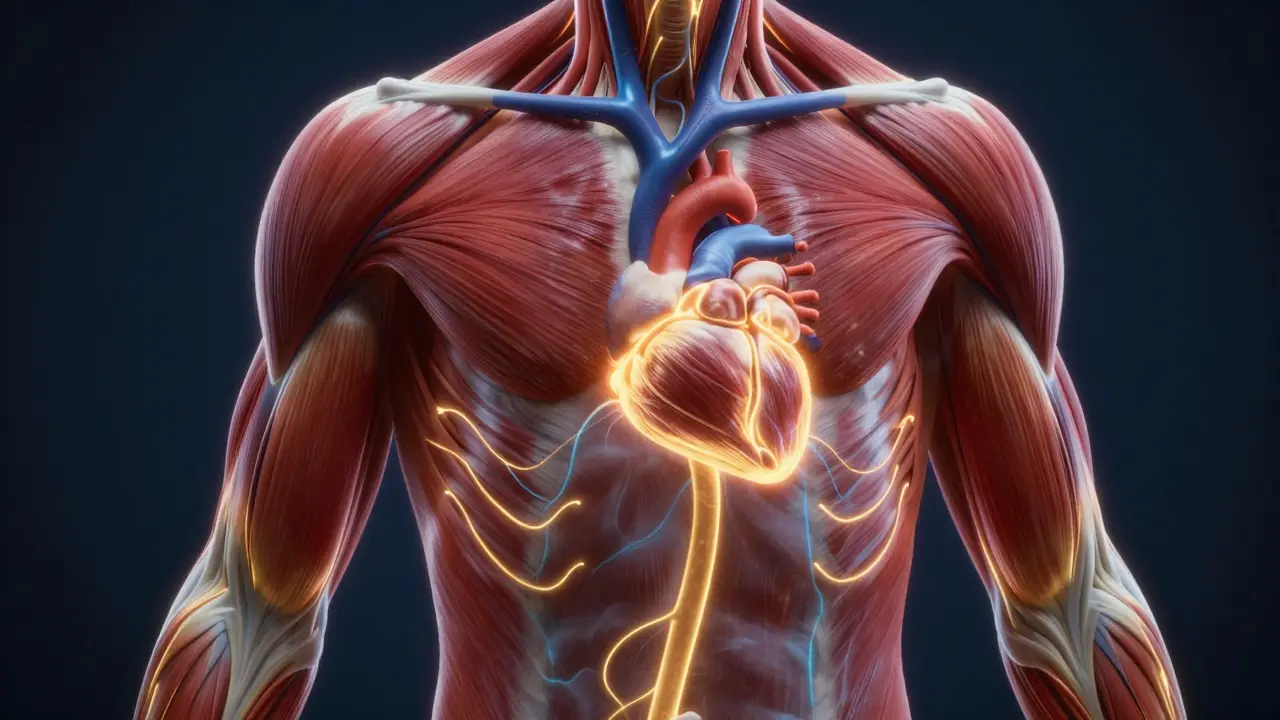
The therapist will grab a chunk of muscle-usually in the traps or calves-and lift it away from the bone. By squeezing the tissue, they are manually pushing blood out of the area. When they release, fresh, oxygenated blood rushes back in. This "pump" action is what gets rid of those stubborn knots. If you feel a slight ache during this phase, that's actually the tissue releasing a trigger point, which is a hyper-irritable spot in the muscle.
Friction and Vibration: The Detail Work
Sometimes, kneading isn't enough. Some spots are just too stubborn. That's when Friction is a deep, circular movement applied to a small area to break up scar tissue and adhesions. It's less about gliding and more about pushing. The therapist uses a thumb or a knuckle to move the skin across the underlying tissue. It's a bit more intense, but it's the only way to deal with those tiny, pinpoint areas of tension that feel like a grain of sand under the skin.
Then there's Vibration is a rapid shaking or trembling motion used to relax the nerves and soothe the muscles. Imagine a gentle tremor moving through the muscle. This is often used right before a therapist moves to a new body part to "settle" the nerves. It's a great way to transition and prevents the client from jumping when a new part of their body is touched.
Tapotement: The Wake-Up Call
You might notice some therapists using a chopping motion or a cupping technique. This is Tapotement is a percussive technique consisting of rapid, rhythmic tapping using the edges of the hands or cupped palms. Unlike the other techniques, this is stimulating. It's designed to wake up the muscles and increase the heart rate slightly.
You'll usually see this at the end of a session, especially on the back. It prevents that "zombie" feeling where you're too relaxed to walk to your car. By tapping the muscles, the therapist is essentially telling your nervous system, "Okay, we're done relaxing; time to get back to the real world." It's particularly useful for athletes who need to loosen up their muscles before a game rather than just falling asleep.
| Technique | Primary Action | Main Goal | Sensation |
|---|---|---|---|
| Effleurage | Long, gliding strokes | Warm-up / Lymph drainage | Soothing/Smooth |
| Petrissage | Kneading / Squeezing | Breaking knots / Circulation | Firm/Pressure |
| Friction | Circular rubbing | Breaking adhesions | Intense/Pointed |
| Tapotement | Rhythmic tapping | Stimulation / Nerve awakening | Percussive/Bouncy |
| Vibration | Rapid shaking | Nerve relaxation | Tingling/Light |
How to Get the Most Out of Your Session
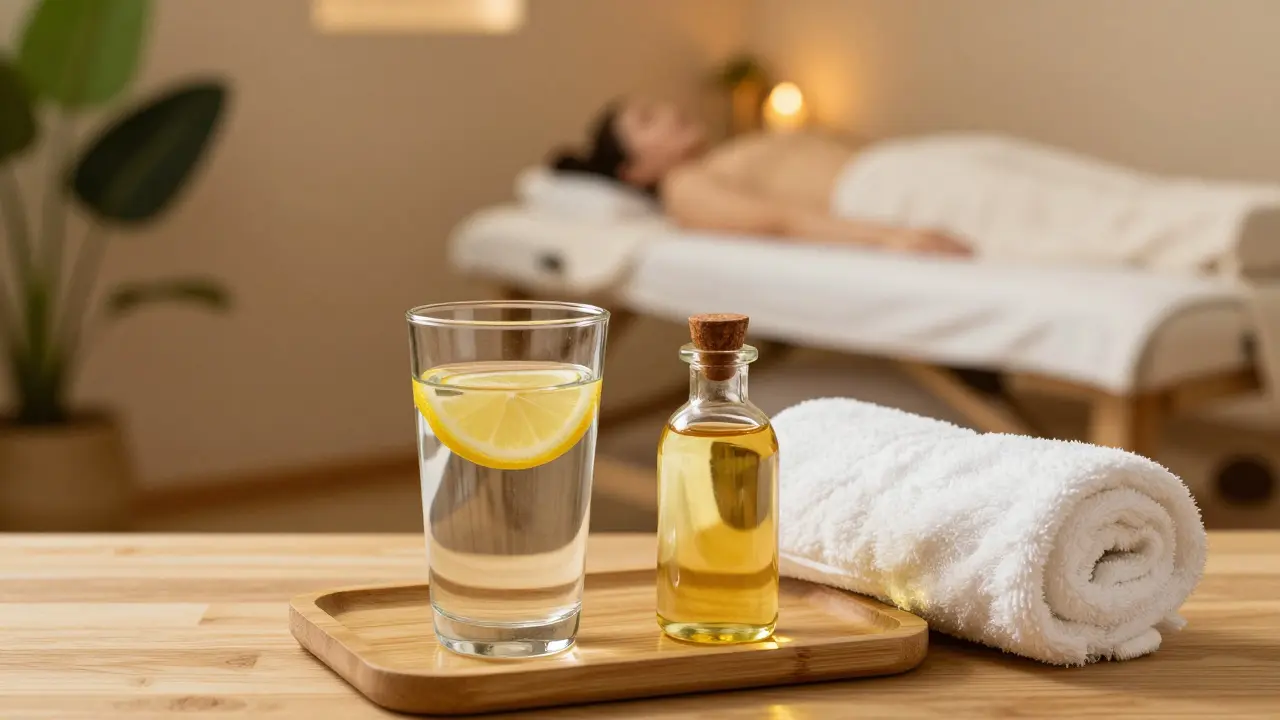
Whether you're booking a professional or trying a few moves on your partner, the environment matters. You can't achieve a deep state of relaxation if the room is freezing or the music sounds like a construction site. Warmth is key because it makes the muscles more pliable. This is why many therapists use heated tables or warm oils.
Communication is the other secret ingredient. Many people make the mistake of "toughing it out" when the pressure is too high. If you're clenching your jaw or holding your breath, you're actually fighting the massage. The muscles stay guarded, and the therapist can't get deep enough. If it hurts, speak up. The goal is a "good hurt," not actual pain.
Hydration is the final piece of the puzzle. After a session, your blood and lymph have been pushed around, and your muscles have released metabolic waste. Drinking a large glass of water helps your kidneys flush those toxins out of your system. If you don't hydrate, you might feel a bit sluggish or have a slight headache the next day-often called a "massage hangover."
When to Choose Swedish Over Other Styles
You might be wondering if you should get a Deep Tissue Massage instead. Deep tissue is great for chronic injuries or severe stiffness, but it can be painful. If you're feeling stressed, anxious, or just generally tired, a Swedish massage techniques approach is better because it lowers cortisol (the stress hormone) and boosts serotonin.
Think of it this way: Deep tissue is like a focused repair job on a specific engine part. Swedish massage is like a full-body tune-up and car wash. It addresses the whole system rather than just one problematic spot. It's ideal for first-timers who aren't sure what they like or for anyone who needs a mental break as much as a physical one.
Does a Swedish massage actually help with pain?
Yes, but it's more about managing tension than curing a medical injury. By increasing blood flow and relaxing the muscles, it reduces the pressure on joints and nerves, which lowers the overall perception of pain. It's excellent for tension headaches and general lower back stiffness.
How often should I get a Swedish massage?
For general wellness and stress relief, once a month is a common sweet spot. However, if you have a high-stress job or a demanding workout routine, once every two weeks can help prevent tension from building back up to a critical level.
Can I do these techniques at home?
Absolutely. Start with effleurage (gliding) to warm up the area, move into petrissage (kneading) for the knots, and finish with light gliding again. Just avoid putting heavy pressure on the spine or the sides of the neck unless you've been trained, as those areas are sensitive.
Is there a difference between a Swedish massage and a relaxation massage?
In most spas, they are used interchangeably. However, a strict Swedish massage follows the five specific techniques (effleurage, petrissage, etc.), whereas a general "relaxation massage" might just be light stroking without a specific clinical method.
What oil is best for these techniques?
You want an oil with a good "glide" that doesn't absorb too quickly. Sweet almond oil, fractionated coconut oil, or jojoba oil are popular choices. Avoid thick creams that require too much friction, as that can irritate the skin during the longer effleurage strokes.
Next Steps for Your Wellness Journey
If you've enjoyed the feeling of a Swedish massage, you might want to explore other modalities to keep your body in balance. If you're feeling more "stuck" and need deeper work, look into trigger point therapy. If you enjoy the rhythmic nature of Swedish work but want something more energetic, Thai massage is a great next step.
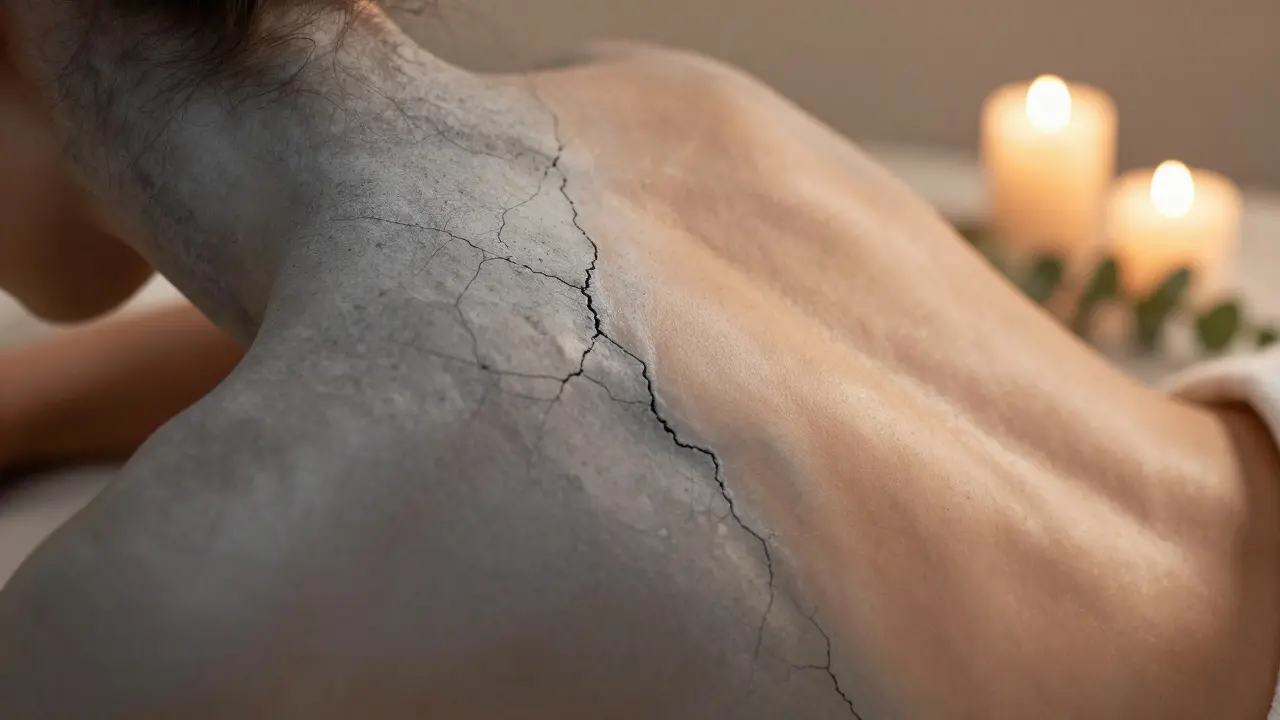
For those managing a busy lifestyle, try incorporating a five-minute self-massage on your neck and shoulders using the friction technique. Just a few circular rubs with your thumb on your traps can prevent the "concrete shoulder" feeling before it starts. Consistency is always better than intensity when it comes to your muscles.