
Lymphatic Drainage Massage: Benefits, Techniques, and Safety Guide
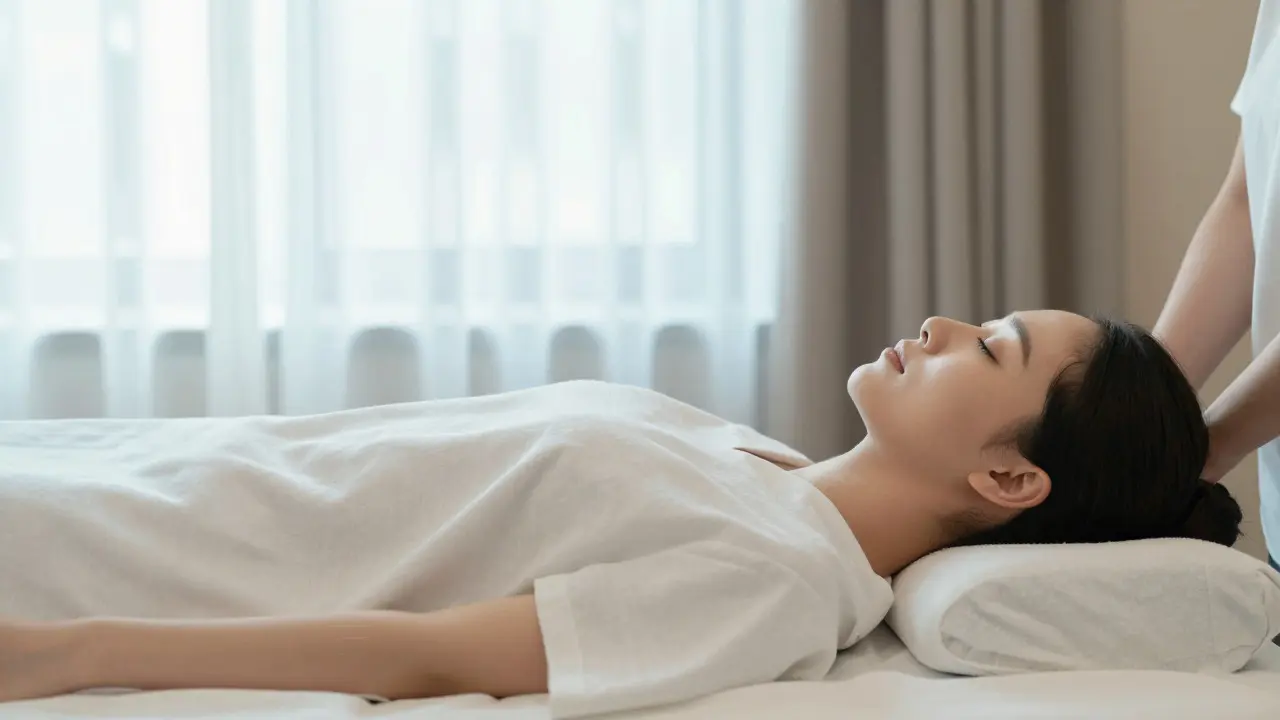
Have you ever felt like your body is holding onto water weight no matter how much you sweat or restrict salt? You aren't alone. While traditional deep-tissue massage works on muscles, lymphatic drainage massage targets a completely different system-one that most people ignore until it slows down. This gentle therapy doesn't just relax you; it actively helps your body move fluid and waste products out of tissues.
In Perth, where we spend a lot of time outdoors and dealing with seasonal allergies, many locals are turning to this technique not for pain relief, but for clarity and reduced puffiness. It’s less about kneading knots and more about guiding flow. If you’ve been curious about why your face looks swollen in the morning or why your legs feel heavy after travel, understanding how this massage works might change how you view recovery and wellness.
How the Lymphatic System Actually Works
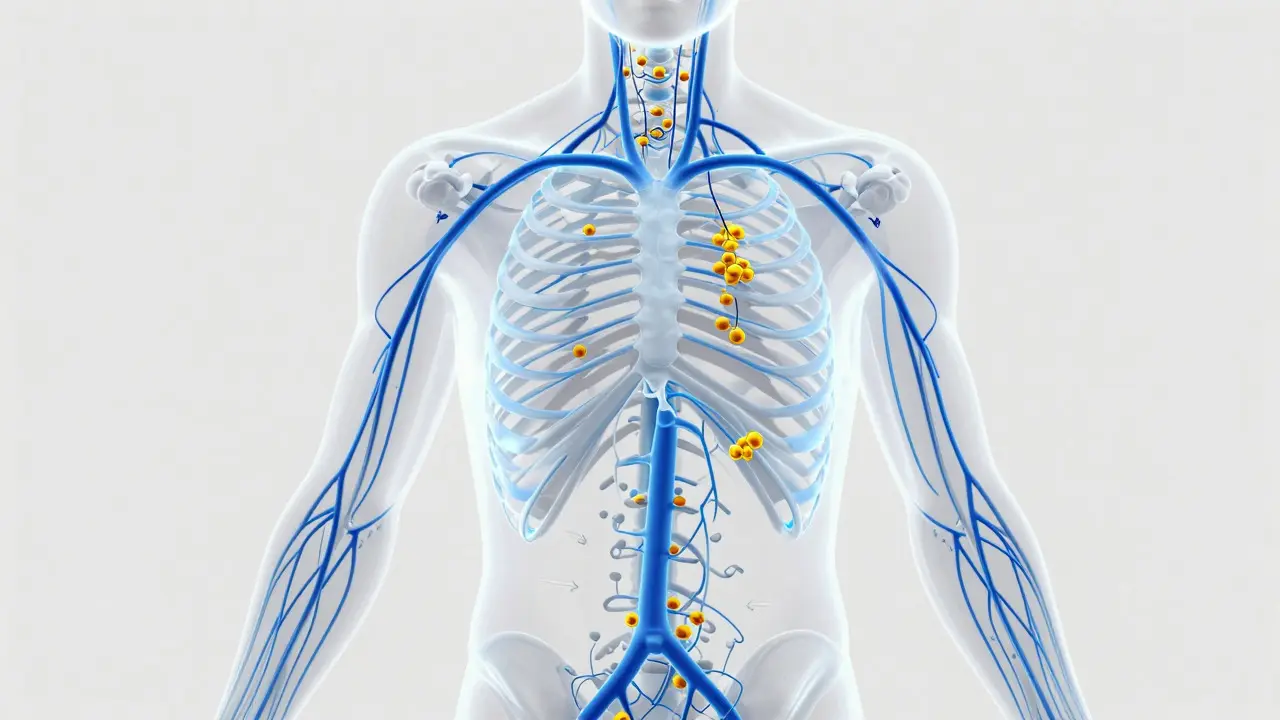
To understand why this massage is effective, you first need to know what it’s moving. Unlike your circulatory system, which has the heart as a pump to push blood around, your lymphatic system is passive. It relies on muscle movement, breathing, and external pressure to circulate lymph fluid.
This clear fluid picks up toxins, bacteria, dead cells, and excess proteins from your tissues. Think of it as your body’s underground sewer system. When it flows well, you feel light and alert. When it gets backed up-due to injury, surgery, or even sitting at a desk all day-you experience swelling, fatigue, and a compromised immune response.
The system consists of:
- Lymph vessels: Tiny tubes that carry fluid toward lymph nodes.
- Lymph nodes: Filters located in clusters (neck, armpits, groin) that trap pathogens.
- Lymph fluid: The liquid itself, rich in white blood cells.
Manual lymphatic drainage (MLD) uses specific rhythms to stretch these vessel walls slightly, opening valves that allow stagnant fluid to move forward. It’s precise, slow, and rhythmic-not random rubbing.
Who Really Needs Lymphatic Drainage?
You might assume this is only for post-surgery patients, but its applications have broadened significantly. Here are the primary groups who benefit most:
- Post-Surgical Recovery: After breast cancer surgery, liposuction, or joint replacements, scar tissue can block lymph pathways. MLD reduces edema (swelling) and speeds up healing by removing inflammatory fluids.
- Chronic Swelling (Lymphedema): For those with primary or secondary lymphedema, this massage is often part of a standard treatment plan alongside compression garments.
- Allergy Sufferers: Sinus congestion creates facial puffiness. Draining the lymph nodes in the neck and face can relieve pressure and improve breathing.
- Athletes: Intense exercise breaks down muscle fibers, releasing metabolic waste. A gentle lymphatic session 24 hours after a marathon or heavy lift can reduce soreness faster than aggressive foam rolling.
- Beauty and Skincare Enthusiasts: Many people use facial MLD to reduce under-eye bags and define jawlines by removing excess interstitial fluid.
If you fall into any of these categories, adding this to your routine isn’t just a luxury-it’s functional maintenance.
What Happens During a Session?
If you walk into a clinic expecting a vigorous Swedish massage, you’ll be surprised. MLD is incredibly light. The therapist applies pressure equivalent to lifting a sheet of paper off your skin-about 5 grams per square centimeter.
The session typically follows a strict order:
- Clear the Trunk First: Therapists always start with the central lymph nodes near the collarbones (supraclavicular nodes). If these are congested, draining the limbs will just push fluid back into the chest. It’s like clearing the drain before running the sink.
- Move Outward: Once the trunk is open, they work on the arms, legs, or face, always moving toward the nearest node cluster.
- Rhythmic Pumping: The hands move in a wave-like motion, stretching the skin gently. You shouldn’t feel pain. If it hurts, the pressure is too deep.
A typical session lasts 60 to 90 minutes. You’ll likely feel relaxed, possibly sleepy, and definitely lighter. Some people report feeling warm as circulation improves.
At-Home Techniques: Can You Do It Yourself?
Yes, you can perform basic self-massage, especially for facial de-puffing or mild leg swelling. However, precision matters. Here’s a simple routine for facial lymphatic drainage:
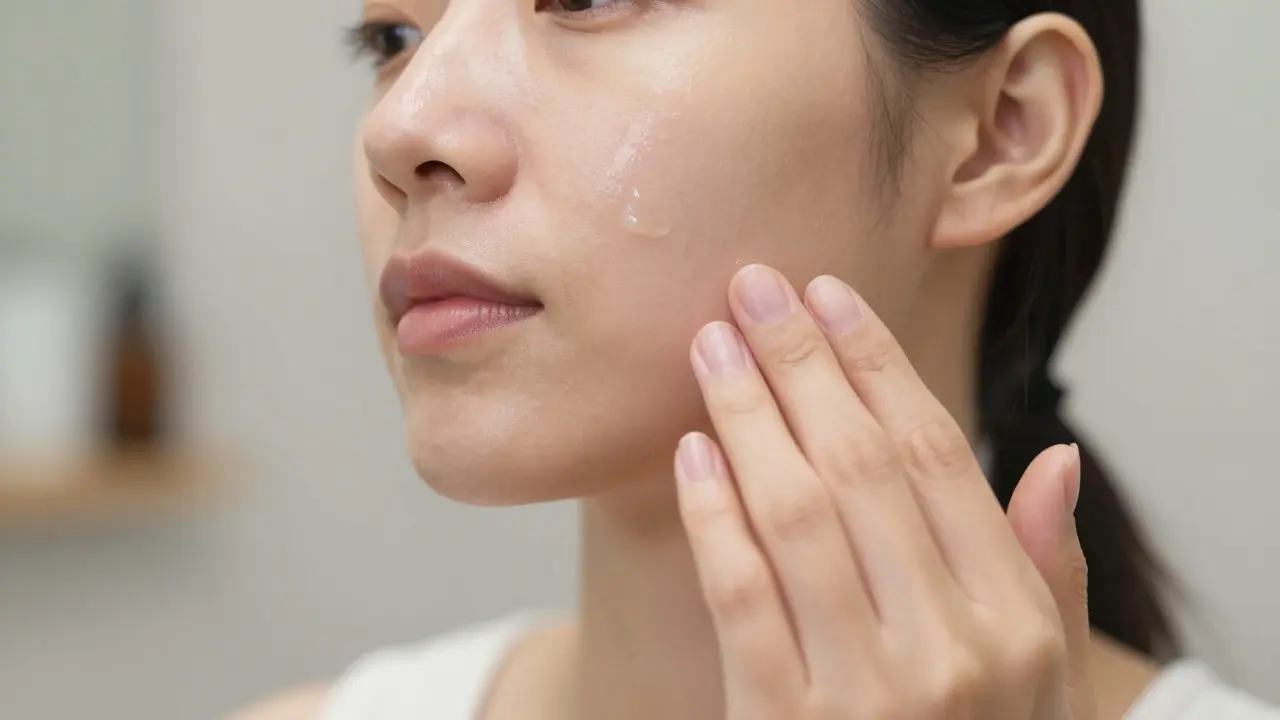
- Prep: Apply a slippery oil or serum. Dry skin causes friction, which irritates rather than drains.
- Clear the Neck: Use your knuckles to gently sweep from behind your ears down to your collarbones. Repeat five times. This opens the exit path.
- Face Sweep: Starting at the center of your forehead, use your fingertips to stroke outward toward your temples. Then, from the nose, stroke along the cheekbones toward the ears. Finally, from the chin, stroke along the jawline toward the ears.
- Drain Again: Finish by sweeping down the neck to the collarbones again.
Do this every morning for two weeks. You may notice a sharper facial contour and reduced puffiness around the eyes. For legs, lie flat with legs elevated against a wall, and gently pump from ankles to knees, then knees to groin.
| Feature | Manual Lymphatic Drainage (MLD) | Traditional Deep Tissue/Swedish |
|---|---|---|
| Pressure Level | Very Light (Surface) | Moderate to Heavy |
| Primary Target | Lymph Vessels & Nodes | Muscles & Fascia |
| Pain Level | Painless | Can be uncomfortable |
| Best For | Swelling, Immunity, Detox | Knots, Stress, Muscle Pain |
| Frequency | 1-3 times per week initially | As needed |
Safety and Contraindications
While gentle, MLD isn’t safe for everyone. Because it moves fluid and stimulates the immune system, it can worsen certain conditions. Avoid it if you have:
- Active Infection: Flu, fever, or localized infection (like cellulitis). Moving lymph could spread bacteria through the bloodstream.
- Heart Failure: The heart struggles to pump blood; adding fluid volume via lymph return can overload it.
- Blood Clots (DVT): Never massage a limb with a suspected deep vein thrombosis. It could dislodge the clot.
- Uncontrolled Cancer: Always consult an oncologist first. In some cases, stimulating lymph nodes is beneficial; in others, it’s risky.
Always disclose your medical history before booking. A qualified therapist will ask about these conditions during intake.
Finding a Qualified Practitioner
Not all massage therapists are trained in MLD. Look for certifications such as Vodder, Foldeniuz, or Casley-Smith methods. These are the gold standards taught in medical settings. In Australia, check if the therapist is registered with AMTA (Australian Massage Therapy Association) and specifically lists lymphology training.
A good practitioner will assess your swelling pattern, explain their plan, and adjust pressure based on your feedback. If they dig deep into your muscles, they’re doing the wrong type of massage.
Integrating MLD Into Your Wellness Routine
You don’t need weekly sessions to benefit. Combine professional treatments with daily habits:
- Hydrate: Lymph is mostly water. Dehydration thickens the fluid, making it harder to move.
- Move Daily: Walking contracts calf muscles, pumping lymph from the legs. Sedentary lifestyles cause stagnation.
- Breathe Deeply: Diaphragmatic breathing creates pressure changes in the chest that pull lymph upward.
- Dry Brushing: Using a natural bristle brush on dry skin before showering can stimulate surface lymph flow.
Think of MLD as a reset button for your internal cleaning crew. It’s subtle, but the cumulative effect on energy, immunity, and appearance is profound.
Does lymphatic drainage massage really detoxify the body?
Yes, but "detox" is a marketing term. Scientifically, it removes metabolic waste, excess proteins, and cellular debris from tissues. This reduces inflammation and supports the liver and kidneys, which do the actual chemical detoxification. It optimizes the transport system, not the filtration organs themselves.
How many sessions do I need to see results?
For acute swelling (post-surgery), you may need 3-5 sessions a week for several weeks. For general wellness or mild puffiness, one session every two weeks combined with self-care is often sufficient. Results vary by individual health status.
Is it painful?
No. Proper MLD should be painless. It feels like a very light, rhythmic stroking. If you feel pain, the therapist is pressing too hard, which can actually collapse the delicate lymph vessels instead of opening them.
Can I do lymphatic drainage on my own at home?
You can learn basic techniques for face and limbs, but complex cases require professional assessment. Self-massage is great for maintenance and minor puffiness, but incorrect direction can push fluid into blocked areas. Start with guided videos or a few professional sessions to learn the correct paths.
Does insurance cover lymphatic drainage massage?
In Australia, private health insurance often covers MLD if prescribed by a doctor for medical conditions like lymphedema or post-surgical recovery. General wellness massages are rarely covered. Check your policy’s "physiotherapy" or "allied health" extras.