Why You Should Incorporate Breema Into Your Wellness Routine
You know that feeling when you’ve been sitting at your desk for six hours straight, or maybe you just finished a long day on your feet, and your shoulders feel like they’re made of concrete? You try to stretch, but it doesn’t quite hit the spot. You go to a massage therapist, and while it feels good in the moment, the tension creeps back by Tuesday. What if there was a way to address that deep-seated tightness without the pain, the oils, or the awkward small talk? Enter Breema, a unique form of bodywork that combines physical touch with mindful presence. It’s not quite yoga, and it’s definitely not Swedish massage. But for many people struggling with chronic stress and disconnection from their bodies, it might be exactly what’s missing from their weekly rotation.
What Exactly Is Breema?
If you haven’t heard of it yet, don’t worry. Breema is a holistic practice founded by Sam Brugh in the late 1970s. The name itself is an acronym for "Being Relaxed, Energetic, Active." That sounds a bit abstract, right? Let’s break it down. Unlike traditional massage, which often focuses on manipulating muscles to fix specific injuries, Breema aims to restore balance to the entire system. It uses gentle, rhythmic movements, stretching, and sustained pressure to help the body release stored tension.
The core idea here is that we hold onto more than just physical stiffness. We hold onto emotions, stress, and old habits in our fascia-the connective tissue that wraps around every muscle and organ. When you receive a Breema session, the practitioner isn’t trying to "fix" you. They are creating a safe space where your nervous system can finally switch off its fight-or-flight mode. This shift allows your body to do what it does best: heal itself. It’s less about doing something to your body and more about allowing your body to return to its natural state of ease.
The Mind-Body Connection You’re Missing
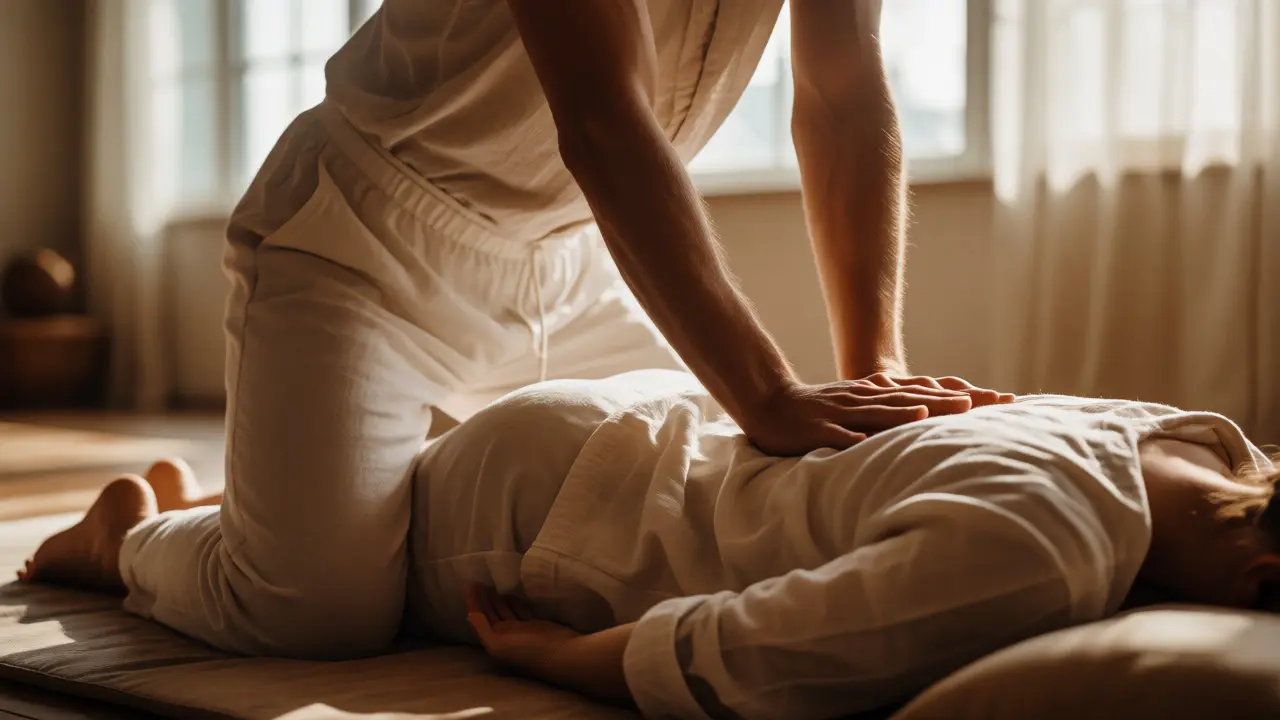
Most of us live in our heads. We plan, we worry, we analyze. But where is your breath? Where are your feet on the floor? One of the biggest reasons to add Breema to your routine is that it forces you into the present moment. During a session, you lie fully clothed on a mat on the floor. There are no tables, no undressing, and no distractions. This setup removes the clinical vibe of a doctor’s office and replaces it with a sense of groundedness.
Practitioners use specific techniques called "Nine Principles" to guide the interaction. These principles emphasize things like "no strain," "no force," and "full attention." If a practitioner pushes too hard, they aren’t following the method. If they get distracted by their phone or a conversation, they aren’t following the method. This strict adherence to mindfulness means that the quality of touch is incredibly high. You aren’t just getting rubbed; you are being witnessed. For people dealing with anxiety or burnout, this level of focused attention can be surprisingly therapeutic. It teaches your body that it is safe to let go, even if only for an hour.
Physical Benefits Beyond Just Relaxation
Let’s talk about the tangible stuff. Why should you care if your nervous system is calm? Because a calm nervous system changes how your body functions physically. When you are stressed, your muscles tighten up as a protective mechanism. Over time, this leads to restricted range of motion, poor posture, and chronic pain. Breema addresses these issues through gentle traction and elongation.
| Feature | Traditional Massage | Breema |
|---|---|---|
| Clothing | Nudity or partial nudity required | Fully clothed (comfortable layers) |
| Pressure | Variable, often deep tissue | Gentle, rhythmic, non-invasive |
| Focus | Muscle knots and injury repair | Nervous system regulation and whole-body balance |
| Environment | Massage table, dim lights | Floor mat, open space, natural light |
| Goal | Pain relief and relaxation | Restoring vitality and presence |
As shown in the comparison above, Breema differs significantly from standard spa treatments. Because you stay clothed, there’s no vulnerability barrier. This makes it accessible for people who might be uncomfortable with undressing for therapy. Furthermore, because the work is done on the floor, gravity becomes a partner rather than an enemy. The practitioner uses their own body weight to apply steady, consistent pressure. This helps lengthen the spine and decompress joints without the jarring sensation of deep tissue work. Many clients report feeling taller and lighter after a session, not because their bones changed, but because their posture corrected itself naturally.
Who Needs This in Their Life?
You might be thinking, "I’m not an athlete, so why would I need bodywork?" Actually, Breema is particularly beneficial for people who aren’t highly active. If you have a sedentary job, your hip flexors shorten, your chest collapses, and your breathing becomes shallow. Breema counteracts this by opening up the front body and encouraging deeper diaphragmatic breathing. It’s also great for those recovering from trauma. Since the approach is non-invasive and respectful of boundaries, survivors of physical or emotional trauma often find it easier to trust the process compared to more aggressive therapies.
Consider the tech worker staring at a screen all day. By 3 PM, their neck is stiff, and their eyes are strained. A Breema session doesn’t just loosen the neck muscles; it resets the entire alignment. Or think about the new parent carrying a baby on one hip constantly. The asymmetrical load creates imbalance. Breema helps redistribute that tension evenly across the body. It’s not about fixing a broken part; it’s about recalibrating the whole instrument.

How to Start: Finding a Practitioner
Ready to give it a shot? Here’s the tricky part: Breema isn’t as widespread as Thai massage or acupuncture. You won’t find it at every corner spa. However, the community is growing, especially in cities with strong alternative health scenes like Melbourne, San Francisco, and New York. When looking for a practitioner, check if they are certified by the International Breema Institute. Certification ensures they have undergone rigorous training in the Nine Principles.
- Ask about their experience: How long have they been practicing? Do they specialize in any areas?
- Check the environment: Is the studio clean and quiet? Do you feel welcome walking in?
- Discuss your goals: Tell them if you want deep relaxation or help with specific pain. A good practitioner will tailor the session.
Don’t be afraid to ask questions. Since Breema involves close contact, consent and comfort are paramount. You should always feel empowered to speak up if something doesn’t feel right. The beauty of this modality is that it meets you where you are. If you’re tense, the practitioner works gently. If you’re numb, they might use slightly more dynamic movement to wake up your senses.
Integrating Breema Into Your Weekly Routine
You don’t need to book a session every week to see benefits. Most people start with once a month or bi-weekly sessions. Between appointments, you can practice simple self-care techniques inspired by Breema. Try placing your hands on your lower belly and breathing deeply into your palms. Notice the warmth. This simple act grounds you and activates the parasympathetic nervous system.
Another tip: pay attention to your transitions. In Breema, everything flows smoothly from one position to another. Apply this to your day. Don’t jump from intense work to intense exercise immediately. Give yourself a buffer zone. Stand still for two minutes. Feel your feet. Breathe. This micro-practice brings the spirit of Breema into your daily life, helping you maintain that sense of ease between professional sessions.
Ultimately, adding Breema to your wellness routine is an investment in your ability to be present. In a world that constantly pulls your attention outward, this practice pulls it inward. It reminds you that you are a physical being, not just a brain attached to a body. And honestly, feeling connected to your own existence is a pretty solid reason to clear your calendar for an hour on the floor.
Do I need to take my clothes off for a Breema session?
No, you remain fully clothed during a Breema session. Practitioners recommend wearing comfortable, loose-fitting clothing such as sweatpants and a t-shirt. This allows for easy movement and keeps the experience accessible and non-intimate for most clients.
Is Breema painful?
Generally, no. Breema emphasizes "no strain" and "no force." While you may feel deep stretches or sustained pressure that releases tension, it should not hurt. If you feel pain, it’s important to communicate with your practitioner so they can adjust the intensity.
How often should I get Breema bodywork?
Frequency depends on your personal needs and budget. For general maintenance and stress reduction, once a month is common. If you are dealing with significant physical tension or emotional stress, starting with bi-weekly sessions for a few months can help establish a new baseline of relaxation.
Can Breema help with chronic pain?
Many people find relief from chronic pain through Breema, though it works differently than medical treatment. By addressing the nervous system and releasing fascial restrictions, it can reduce the perception of pain and improve mobility. It is often used alongside other therapies for comprehensive care.
What should I expect after a session?
After a Breema session, you might feel deeply relaxed, sleepy, or emotionally released. Some people experience a surge of energy. It’s recommended to drink water and avoid strenuous activity for the rest of the day to allow your body to integrate the changes.