Lava Stones Massage: Experience Total Relaxation and Deep Healing
You know that feeling when your shoulders are so tight they feel like concrete blocks? Or when you’ve been sitting at a desk for eight hours and your lower back starts to scream? We’ve all been there. But what if the solution wasn’t just another generic rub-down, but something that actually penetrates deep into the muscle tissue using heat? That’s where lava stones massage, also known as hot stone therapy, comes in. It’s not just a trend; it’s a legitimate therapeutic technique that uses heated basalt stones to melt away tension faster than traditional hands-on methods ever could.
Why Basalt Rocks Are Perfect for Your Body
Not just any rock will do here. The magic lies in the specific type of stone used. Practitioners use basalt, a type of volcanic rock formed from cooled lava. Why basalt? Because it has high iron content, which makes it dense and incredibly effective at retaining heat. Unlike granite or marble, which might cool down too quickly or crack under pressure, basalt holds a steady temperature for a long time. This allows the therapist to place stones on specific energy points and leave them there while working on other areas, creating a sustained thermal effect.
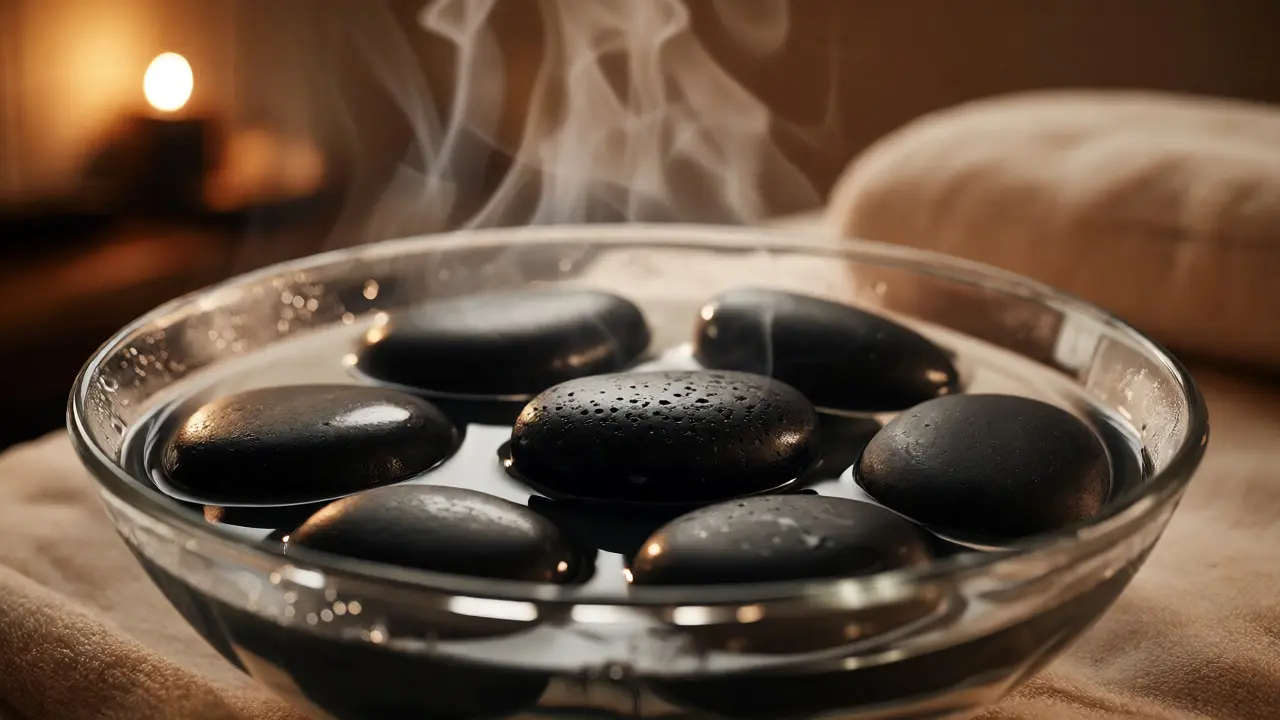
The process usually starts with the therapist heating the stones in a water bath to around 45-50 degrees Celsius (113-122 Fahrenheit). They check the temperature against their own wrist first-because nobody wants a burn on day one. Once ready, the smooth, oiled stones glide over your skin. The combination of heat and weight helps dilate blood vessels, increasing circulation and allowing oxygen-rich blood to reach tired muscles more efficiently. It’s physics meeting physiology, and it feels incredible.
The Science Behind the Heat
Is it just placebo? Hardly. When heat is applied to the body, it triggers vasodilation-the widening of blood vessels. This isn’t just about warmth; it’s about biology. Increased blood flow means better delivery of nutrients to tissues and faster removal of metabolic waste products like lactic acid. If you’re an athlete dealing with DOMS (Delayed Onset Muscle Soreness), this is gold.
Moreover, the heat helps reduce muscle spindle activity. In simple terms, your muscles stop fighting the touch. Normally, when someone presses hard on a tight knot, your body instinctively tenses up to protect itself. With lava stones, the heat bypasses that defensive reflex. Your muscles relax voluntarily, allowing the therapist to work deeper without causing pain. You get the benefits of deep tissue work without the "ouch" factor.
What Happens During a Session?
If you’ve never tried it, you might be wondering what to expect. Here’s the typical flow of a 60-minute session:
- Consultation: The therapist asks about your health history. Hot stone therapy isn’t suitable for everyone (more on that later).
- Preparation: You’ll undress to your comfort level (most people keep underwear on) and lie face down on a table covered with towels. The room is kept warm, usually around 24°C (75°F), so you don’t shiver.
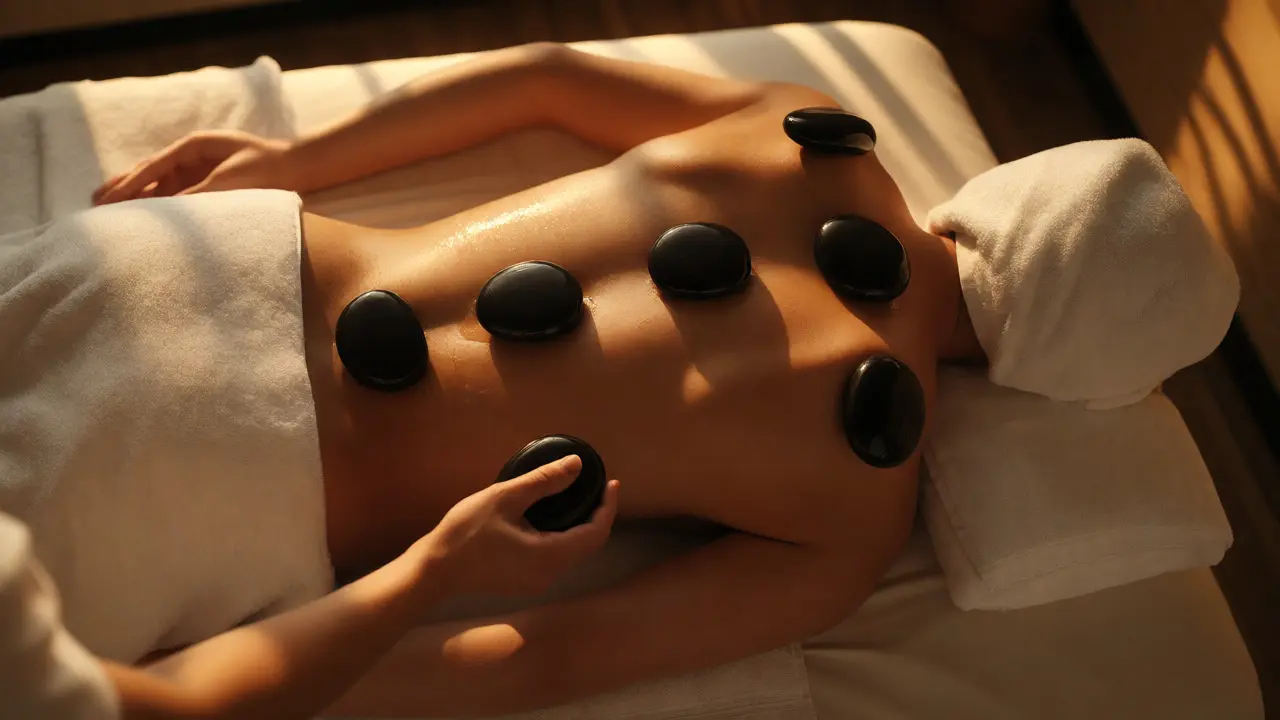
- Placement: The therapist places larger flat stones along your spine, on your palms, and sometimes between your toes. These act as anchors.
- Glide Work: Using smaller stones held in hand, the therapist performs sweeping strokes over your back, legs, and arms. The oil reduces friction, making the movement fluid.
- Focused Treatment: For particularly stubborn knots, the therapist might hold a hot stone directly on the spot for several minutes.
- Cool Down: The stones are removed, and you’re left to rest for a few minutes before getting up slowly.
It’s quiet. It’s warm. And honestly, most people fall asleep. That’s the goal. You aren’t trying to fix everything in one hour; you’re trying to reset your nervous system from "fight or flight" to "rest and digest."
Lava Stones vs. Swedish Massage: Which One Do You Need?
People often ask how this differs from a standard Swedish massage. Both are relaxing, both use oil, and both involve kneading. But the mechanisms are different. Let’s break it down.
| Feature | Lava Stones Massage | Swedish Massage |
|---|---|---|
| Primary Tool | Heated basalt stones + hands | Hands only |
| Heat Application | Continuous external heat source | Mild friction-generated heat |
| Depth of Penetration | Deep via thermal relaxation | Moderate via mechanical pressure |
| Pain Level | Low (heat masks discomfort) | Varies (can be painful if knots are severe) |
| Best For | Chronic tension, cold muscles, anxiety | General relaxation, circulation boost |
So, who should choose which? If you have chronic shoulder pain that won’t go away, or if you find yourself clenching your jaw during stress, go for the lava stones. The heat does half the work for you. If you just want a general refresh after a light week, Swedish might be enough. But if you’re carrying heavy physical stress, the stones win every time.
Health Benefits Beyond Relaxation
Sure, feeling good is nice. But regular sessions can offer tangible health improvements. First off, sleep quality. Many clients report sleeping through the night for the first time in weeks after a session. The drop in cortisol (the stress hormone) combined with the rise in serotonin creates a natural sedative effect.
Then there’s pain management. People with arthritis often find relief because the heat loosens stiff joints. While it doesn’t cure arthritis, it significantly reduces morning stiffness. Similarly, those with fibromyalgia-a condition characterized by widespread musculoskeletal pain-often tolerate hot stone therapy better than aggressive deep tissue massages. The gentle, consistent warmth soothes the hypersensitive nervous system associated with fibro.
Digestion gets a boost too. Placing stones on the abdomen stimulates peristalsis, the wave-like movements that move food through your gut. If you suffer from bloating or slow digestion due to stress, having stones placed on your stomach area can help things move along.
Who Should Avoid Lava Stone Therapy?
It’s powerful, but it’s not for everyone. If you have certain medical conditions, the heat can be risky. Always tell your therapist if you have:
- Diabetes: Reduced sensation in extremities means you might not feel if a stone is too hot, leading to burns.
- High Blood Pressure: The heat can temporarily raise blood pressure further. Consult your doctor first.
- Varicose Veins: Direct heat on varicose veins can cause swelling or damage. Therapists usually avoid placing stones directly on these areas.
- Pregnancy: Especially in the first trimester, excessive core heat is generally discouraged. Later stages require modified positioning and lighter pressure.
- Skin Conditions: Open wounds, rashes, or sunburns should be avoided. Oil and heat can irritate compromised skin.
Also, if you’re on blood thinners, talk to your provider. The increased circulation might interact with medication effects, though this is rare.
Tips for Getting the Most Out of Your Session
To maximize the benefits, follow these simple rules. Hydrate before and after. The massage releases toxins trapped in muscle tissue, and water helps flush them out. Don’t eat a heavy meal right before; a light snack two hours prior is fine. Wear loose clothing to change into afterward, as you’ll likely feel drowsy and relaxed.
Communicate with your therapist. If a stone feels too hot, say so immediately. There’s no hero complex needed here-you shouldn’t endure pain. Conversely, if you want more pressure, speak up. Lava stone therapists are trained to adjust, but they can’t read minds.
Finally, give yourself time to decompress afterward. Don’t jump straight into a high-stakes business meeting. Drive home slowly, listen to calming music, and let the relaxation settle in. Rushing breaks the spell.
DIY Options: Can You Do It At Home?
Yes, you can buy kits online. They usually come with six to twelve polished basalt stones and a warming tray. It’s cheaper in the long run, but let’s be real: giving yourself a full-body hot stone massage is tricky. You can easily handle your feet, neck, and maybe your lower back. But reaching your upper traps or glutes? Not happening without contortionist skills.
For home use, focus on targeted areas. Warm the stones in a pot of water (use a thermometer!) or in a microwave-safe bowl with water. Test the temperature carefully. Apply oil to your skin, then glide the stones over sore spots. Hold a stone on a trigger point for five minutes. It won’t replace a professional session, but it’s great for maintenance between appointments.
Frequently Asked Questions
How hot do the stones get?
Typically, stones are heated to between 45°C and 50°C (113°F-122°F). This is hot enough to penetrate muscle tissue but safe for short-term contact. Therapists always test the temperature on their inner wrist before applying it to you.
Will I burn my skin?
Burns are rare if the therapist is experienced. However, people with diabetes or neuropathy are at higher risk because they may not feel excessive heat. Always communicate if a stone feels uncomfortably hot.
How often should I get a lava stone massage?
For chronic issues, once every two weeks is ideal. For general maintenance and stress relief, once a month is sufficient. Listen to your body-if you’re still tense, book sooner.
Is it safe during pregnancy?
Generally yes, but with precautions. Avoid high heat on the abdomen, especially in the first trimester. Use side-lying positions after the second trimester. Always consult your OB-GYN and inform your massage therapist.
What should I wear?
Most spas provide disposable underwear or allow you to keep your own. You’ll be draped with towels throughout the session, so modesty is maintained. Just ensure you’re comfortable with being partially exposed.
Final Thoughts on Finding Relief
Lava stones massage isn’t magic, but it feels like it. It combines ancient wisdom with modern understanding of thermodynamics and human anatomy. If you’re stuck in a cycle of tension, pain, and poor sleep, this might be the reset button you need. Book a session, put your phone on silent, and let the warmth do the work. Your body will thank you.