How Kahuna is Shaping the Future of Wellness
You might think you know what a massage feels like. You’ve probably had the stiff-shoulder kneading after a desk job or the deep-tissue crunch that leaves you sore for two days. But there’s a style of bodywork that doesn’t just fix muscles-it rewires your nervous system. It’s called Kahuna massage, and it’s quietly becoming one of the most sought-after therapies in modern wellness circles.
Why the sudden interest? Because we’re exhausted. Not just physically, but mentally. Traditional medicine treats symptoms; Kahuna treats the whole person. If you’ve been feeling disconnected from your body, anxious, or just generally "off," this ancient Hawaiian practice might be the reset button you didn’t know you needed. Let’s break down how it works, why it’s different, and whether it’s right for you.
The Roots of Kahuna: More Than Just Massage
To understand Kahuna today, you have to look at where it came from. In traditional Hawaiian culture, the term Kahuna referred to experts-priests, healers, architects, or master practitioners. They weren’t just technicians; they were spiritual guides who understood the connection between physical health, emotional state, and spiritual alignment.
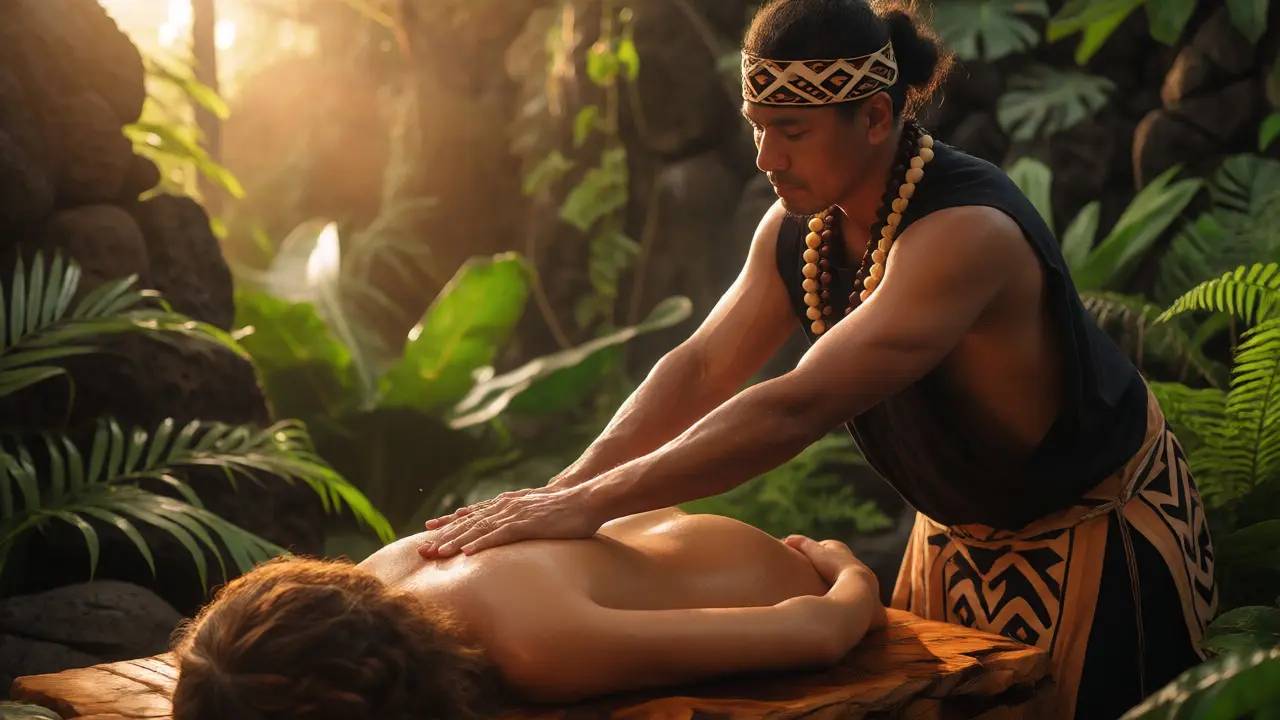
Lomi Lomi Nui is the specific type of healing massage often associated with Kahuna practices. The word "Lomi" means to press, rub, or soothe. "Nui" means big or great. So, Lomi Lomi Nui translates roughly to "big, long strokes." Unlike Swedish massage, which focuses on individual muscle groups, Lomi Lomi uses long, flowing strokes across the entire body. Practitioners use their forearms, hands, elbows, and even knees to deliver pressure. This isn’t about digging into a knot; it’s about moving energy (known as mana) through the body.
In recent years, therapists outside Hawaii have adapted these principles into what is now broadly marketed as "Kahuna massage." While purists argue about the authenticity of non-Hawaiian interpretations, the core philosophy remains intact: treat the client as a unified being, not a collection of parts.
How Kahuna Differs From Standard Bodywork
If you’ve only tried standard spa massages, Kahuna will feel surprisingly different. Here is why it stands out:
- Whole-Body Approach: Most massages start at the neck and end at the feet. Kahuna starts at the head and flows continuously down to the toes without lifting the hands. This creates a sense of fluidity and safety.
- Forearm Pressure: Instead of using thumbs to poke at trigger points, practitioners use broad forearms. This distributes weight evenly, allowing for deep relaxation without the sharp pain of deep tissue work.
- Breathwork Integration: Your therapist will likely guide you through breathing exercises. Deep, rhythmic breathing helps release tension faster than manual manipulation alone.
- Emotional Release: Many clients report crying or laughing during a session. Kahuna is known for unlocking stored emotions held in the fascia (connective tissue). It’s not uncommon to leave a session feeling emotionally lighter than when you arrived.
Think of it this way: A standard massage is like tuning a single string on a guitar. Kahuna is like strumming all the strings at once to ensure the whole instrument resonates correctly.
The Science Behind the Flow
Is it just woo-woo magic, or does it actually work? While "energy healing" sounds abstract, the physiological effects are measurable. Research into touch therapy suggests that slow, rhythmic pressure stimulates the vagus nerve, which controls the parasympathetic nervous system (your "rest and digest" mode).
When you engage this system, cortisol levels drop, heart rate slows, and blood pressure stabilizes. A study published in the Journal of Alternative and Complementary Medicine noted that recipients of Lomi-style massage experienced significant reductions in anxiety and depression scores compared to those who received standard Swedish massage. Why? Because the continuous contact prevents the brain from entering a state of hyper-vigilance. There’s no anticipation of pain, no shifting positions, and no interruption of flow. Your brain finally gets permission to shut up and relax.
Furthermore, the use of warm oils enhances circulation. The friction generates heat, which dilates blood vessels and improves lymphatic drainage. This helps flush out metabolic waste products that contribute to fatigue and brain fog.
What to Expect During a Session
Nervous about trying something new? Don’t be. Here’s a realistic breakdown of what happens when you book a Kahuna session.
- Consultation: Your therapist will ask about your current stress levels, injuries, and goals. Be honest. If you’re holding grief or anger, mention it. This helps them tailor the intention of the session.
- Preparation: You’ll lie on a massage table, usually draped with a large sheet or towel. Modesty is respected, but because the strokes are so long, full exposure isn’t always necessary. The room is typically warm to prevent chills during long periods of stillness.
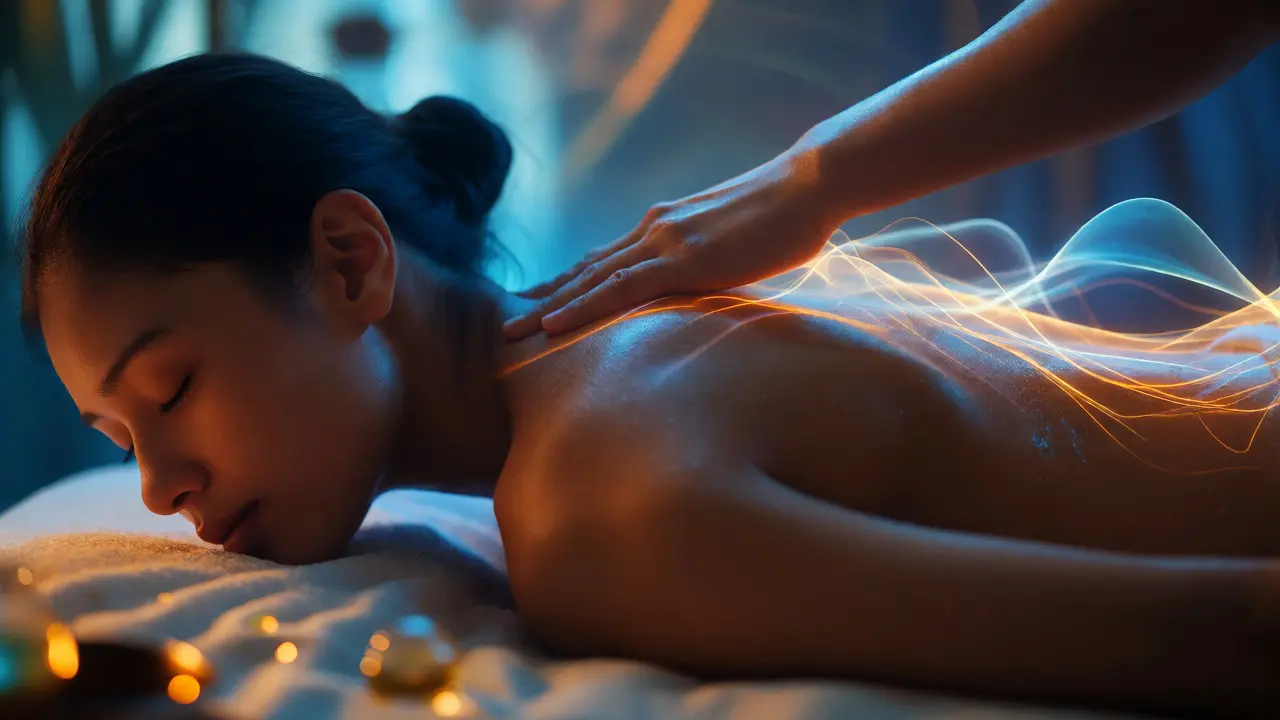
- The Start: The practitioner places their hands on your shoulders or back and begins with gentle, grounding strokes. They may ask you to breathe deeply in sync with their movements.
- The Flow: Using warmed oil, the therapist moves over your body in long, wave-like motions. They might use their forearms for deeper pressure along the spine and legs. The rhythm is hypnotic. Many people fall asleep.
- The Close: The session ends with light, feathering touches to integrate the experience. You’ll be given time to wake up slowly before sitting up.
| Feature | Kahuna / Lomi Lomi | Swedish Massage | Deep Tissue |
|---|---|---|---|
| Primary Goal | Energy flow & emotional release | General relaxation & circulation | Pain relief & muscle repair |
| Technique | Long, continuous forearm strokes | Effleurage, petrissage, tapotement | Focused pressure on knots |
| Pain Level | Low to Medium (Soothing) | Low (Relaxing) | High (Discomfort expected) |
| Best For | Anxiety, trauma, burnout | Mild stress, first-time massage | Chronic pain, sports injuries |
| Duration | 60-90 minutes | 60 minutes | 60-90 minutes |
Who Should Try Kahuna?
This isn’t a cure-all, but it shines in specific scenarios. You should consider booking a session if:
- You suffer from chronic anxiety or insomnia: The rhythmic nature of the massage acts as a natural sedative for an overactive mind.
- You feel "stuck" emotionally: If you’ve gone through a breakup, loss, or major life change, the physical release can sometimes unlock emotional blockages.
- You hate being poked and prodded: If you dislike the intense pressure of deep tissue work, Kahuna offers depth without the agony.
- You want a meditative experience: It’s less about fixing a specific muscle and more about entering a state of mindfulness.
Conversely, skip it if you have acute inflammation, open wounds, or severe osteoporosis. Always check with your doctor if you have specific medical conditions.
Finding a Qualified Practitioner
Not all "Hawaiian-inspired" massages are created equal. Since Kahuna has become a marketing buzzword, some spas slap the name on generic oil rubs. How do you find the real deal?
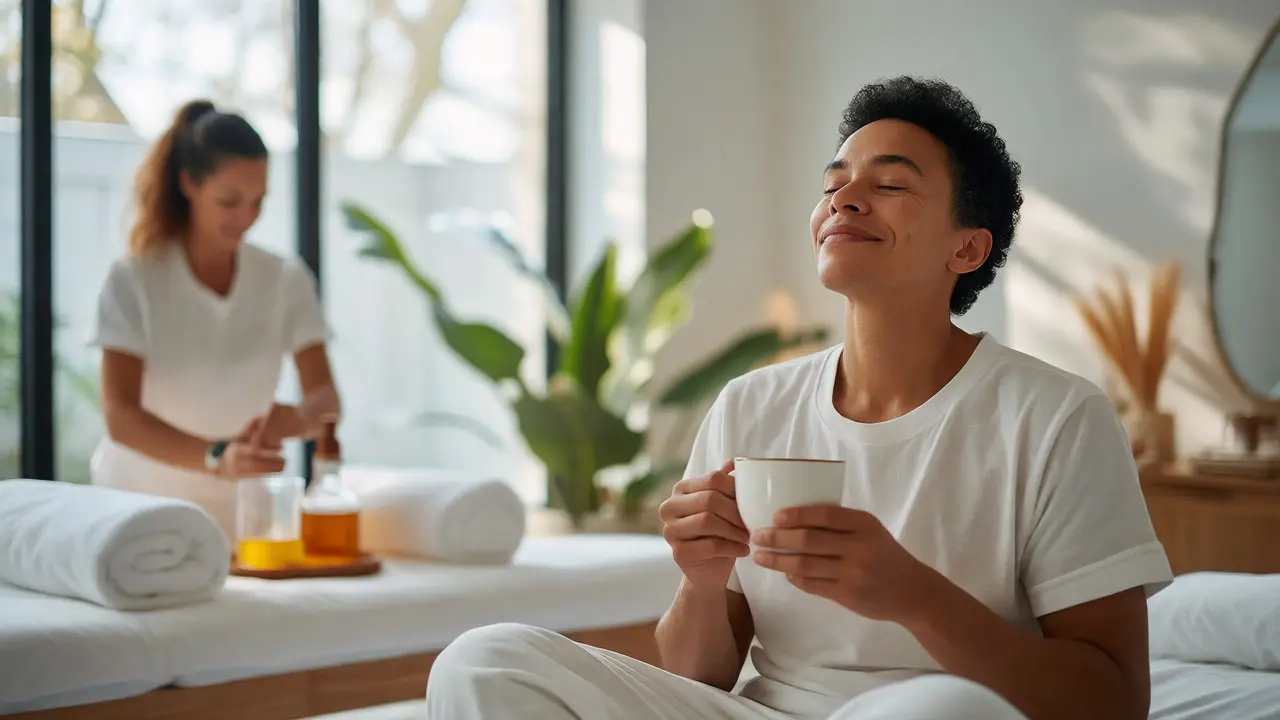
- Ask about training: Did they train specifically in Lomi Lomi or Kahuna techniques? Look for certifications from recognized schools like the Aloha International School of Massage or similar institutions.
- Observe the technique: Watch a demo or read reviews. Are they using long, flowing strokes? Or are they doing short, choppy movements? True Kahuna is fluid.
- Check the vibe: Authentic practitioners often incorporate intention-setting or breathwork. If the therapist rushes you through the intake and ignores your breathing, it might just be a standard massage with a fancy label.
The Future of Holistic Care
We are moving away from reactive healthcare toward proactive wellness. People aren’t just waiting for pain to strike; they’re seeking maintenance for their mental and physical health. Kahuna fits perfectly into this shift. It bridges the gap between clinical physiotherapy and spiritual counseling.
As more research validates the link between touch, stress reduction, and immune function, expect to see Kahuna integrated into corporate wellness programs and hospital recovery suites. It’s no longer just a vacation luxury; it’s becoming a tool for sustainable living in a high-stress world.
If you’ve been looking for a sign to prioritize yourself, this is it. Book a session. Turn off your phone. Breathe. Let the waves take you.
Is Kahuna massage painful?
Generally, no. Kahuna massage uses broad, sweeping strokes rather than focused, sharp pressure. While it can be deep, especially along the spine and legs, it is designed to be soothing rather than punishing. If you prefer very light touch, communicate this to your therapist beforehand, as they can adjust the pressure significantly.
Do I need to remove all my clothes?
This depends on the spa and your comfort level. Traditional Lomi Lomi often involves full-body draping where only the area being worked on is exposed. However, many modern adaptations allow you to keep underwear on. Discuss modesty preferences with your therapist before the session begins to ensure you feel relaxed and secure.
What should I wear to a Kahuna massage?
Wear comfortable, loose-fitting clothing that is easy to remove. Avoid tight jeans or complicated outfits. Once on the table, you will be draped with sheets or towels, so you won’t be cold. Bringing a hair tie is also a good idea if you have long hair, as it keeps it off your face and neck during the treatment.
How often should I get a Kahuna massage?
For general wellness, once a month is sufficient. If you are dealing with high stress, grief, or chronic tension, weekly sessions for four weeks can create a cumulative effect. Listen to your body-if you feel emotionally raw or physically tired after a session, give yourself extra rest before the next appointment.
Is Kahuna suitable for pregnant women?
Yes, but with precautions. Pregnancy massage requires specialized positioning (usually side-lying) and careful avoidance of certain acupressure points. Ensure your therapist is certified in prenatal massage and explicitly trained in adapting Kahuna techniques for pregnancy. Always consult your OB-GYN before starting any new bodywork routine.