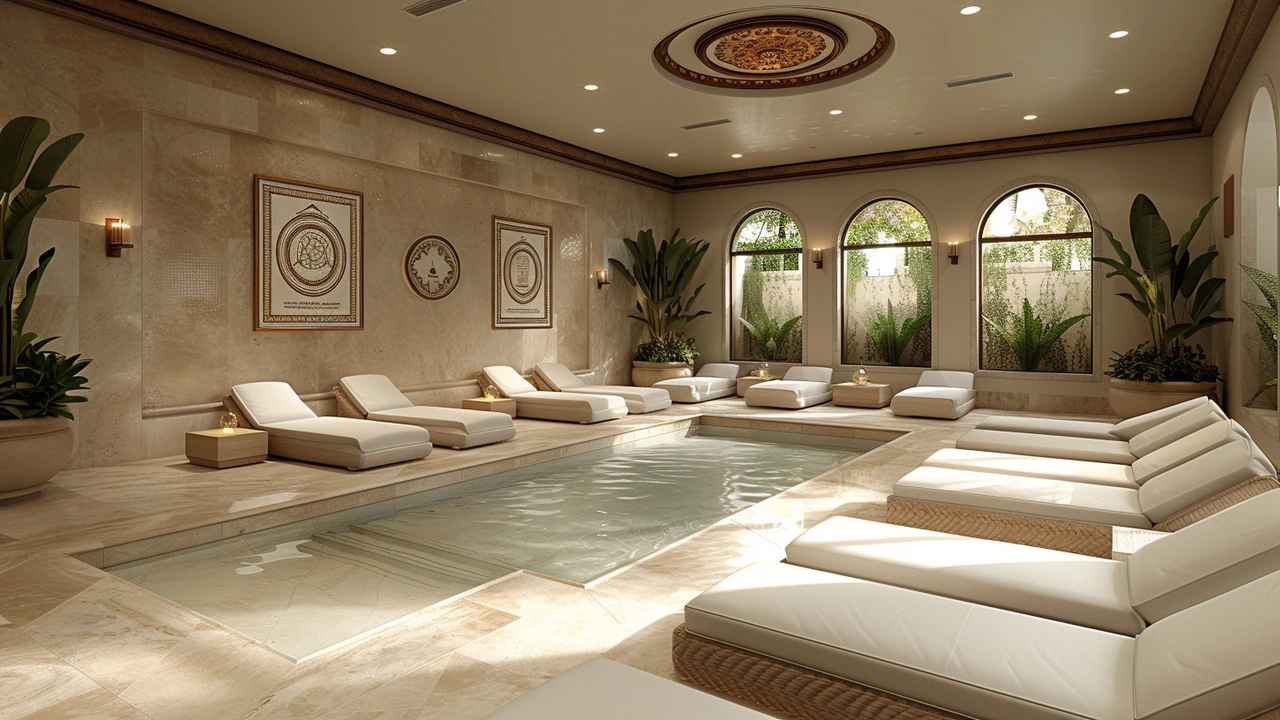
How Ayurvedic Massage Promotes Better Sleep: A Complete Guide to Abhyanga and Shirodhara

It’s 2 AM. You’re staring at the ceiling, your mind racing with tomorrow’s to-do list, while your body feels like it’s vibrating with static energy. You’ve tried the lavender sprays, the white noise apps, and even that expensive mattress topper, but sleep still feels like a distant memory. If this sounds familiar, you aren’t alone. Millions of people struggle with poor sleep quality, often turning to pharmaceuticals or temporary fixes that don’t address the root cause.
What if the solution wasn’t about forcing yourself to sleep, but rather resetting your nervous system? This is where Ayurvedic massage, an ancient healing practice rooted in Indian medicine, steps in. Unlike standard Swedish massage, which focuses on relaxation through light pressure, Ayurvedic therapy targets your body’s doshas-your unique energetic constitution-to restore balance. When your body is balanced, sleep follows naturally. Let’s look at exactly how these techniques work to quiet the mind and deepen rest.
The Science Behind Doshas and Sleep
To understand why Ayurvedic massage helps you sleep, you first need to grasp the concept of DoshasThe three biological energies in Ayurveda: Vata, Pitta, and Kapha. In Ayurveda, health isn’t just the absence of disease; it’s a state of equilibrium between Vata (air/space), Pitta (fire/water), and Kapha (earth/water). Most sleep issues stem from an imbalance in one of these, particularly Vata.
Vata governs movement and nerve impulses. When Vata is aggravated-which happens when you’re stressed, traveling, or overthinking-it becomes erratic. This manifests as anxiety, restlessness, and fragmented sleep. Think of Vata as the wind in your system; when it blows too hard, nothing settles down. Ayurvedic massage uses specific oils, rhythms, and pressures to ground this energy. By slowing down the nervous system, the massage signals your brain that it’s safe to shut off. It’s not magic; it’s physiology meeting tradition.
Abhyanga: The Oil Ritual That Calms the Nerves
If you only try one technique, make it AbhyangaA traditional Ayurvedic self-massage using warm herbal oils. Abhyanga is the daily practice of massaging the entire body with warm oil before bathing. It’s simple, inexpensive, and incredibly effective for inducing sleepiness.
The key here is the temperature and the type of oil. Cold oil shocks the system; warm oil penetrates deep into the tissues, carrying nutrients and calming signals to the nerves. For most people struggling with insomnia, sesame oil is the go-to choice because it’s heavy and grounding. If you run hot or have a fiery temperament (Pitta dominance), switch to coconut oil, which is cooling and soothing.
Here is how to do it right:
- Warm the oil: Place your bottle of organic cold-pressed sesame oil in a bowl of hot water for five minutes. It should feel comfortably warm, not hot, against your inner wrist.
- Start with the head: Pour a small amount onto your scalp and massage in circular motions. The head is a major center for nerve endings, and stimulating it releases tension immediately.
- Use long strokes: On your limbs, use long, sweeping strokes moving toward the heart. This encourages lymphatic drainage and circulation without overstimulating the muscles.
- Focus on joints: Use small circles around your knees, elbows, and wrists. These are common areas where Vata accumulates, leading to stiffness and mental chatter.
- Let it soak: Leave the oil on your skin for at least 15-20 minutes before taking a warm shower. This allows the oil to absorb fully, creating a protective barrier that retains moisture and calms the skin.
Many users report feeling a wave of drowsiness within minutes of starting this routine. The rhythmic motion combined with the sensory input of the warm oil acts as a powerful anchor for your wandering thoughts.
Shirodhara: Liquid Serenity for the Brain
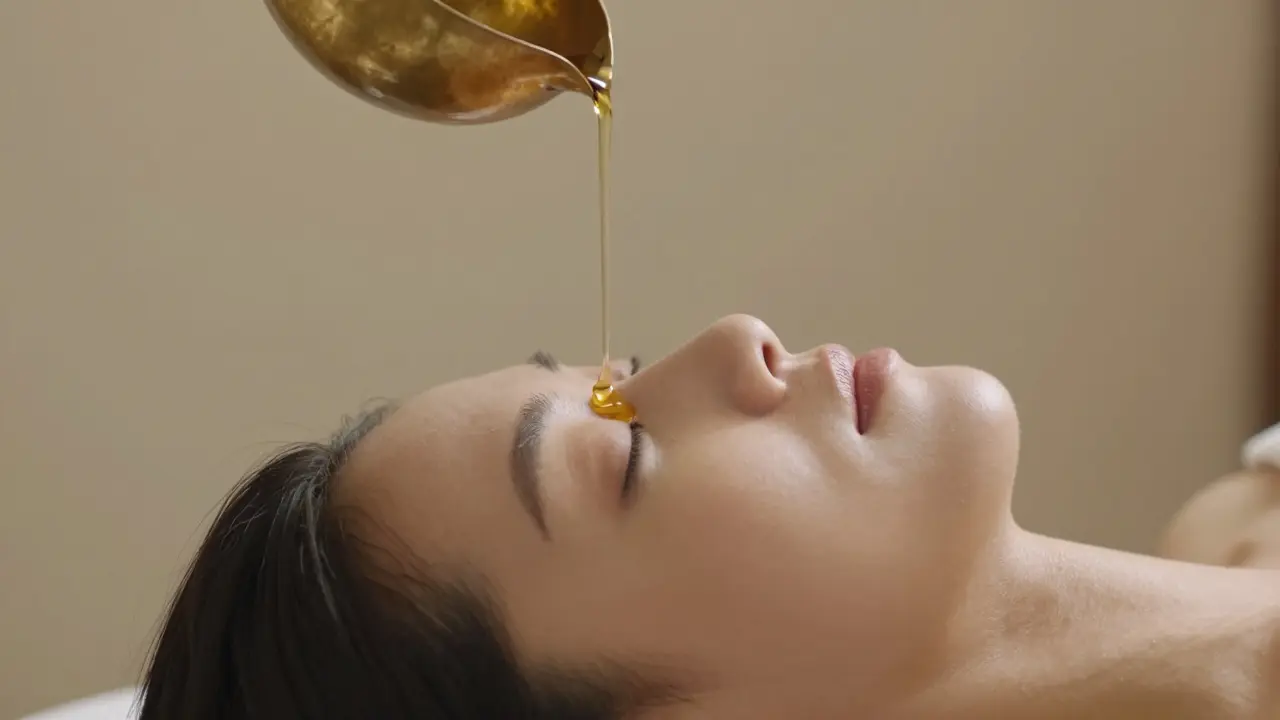
While Abhyanga works on the whole body, ShirodharaAn Ayurvedic treatment involving a steady stream of warm oil poured on the forehead targets the mind directly. Often called the "third eye" treatment, Shirodhara involves a therapist pouring a continuous, gentle stream of warm oil onto your forehead while you lie down. It’s a deeply meditative experience that forces your brain into a parasympathetic state-the "rest and digest" mode.
Why does this work so well for sleep? The forehead contains the Ajna chakra, which is linked to focus and mental clarity. When this area is congested with stress, you can’t switch off. The steady rhythm of the oil triggers a trance-like state, slowing down brainwave activity from beta (alertness) to alpha and theta (relaxation and deep sleep). Studies have shown that Shirodhara can significantly reduce cortisol levels, the hormone responsible for stress-induced insomnia.
You don’t need a professional spa to get some benefits. While a full Shirodhara requires equipment, you can mimic the effect by applying warm oil to your temples and the bridge of your nose every night. Combine this with slow, deep breathing, and you’ll likely find your eyelids growing heavy much faster than usual.

Choosing the Right Oil for Your Body Type
One size does not fit all in Ayurveda. Using the wrong oil can sometimes aggravate your condition rather than help it. Here is a quick guide to matching your dominant dosha with the right oil:
| Dosha | Characteristics | Best Oil | Why It Works |
|---|---|---|---|
| Vata | Anxious, restless, dry skin, cold hands/feet | Sesame Oil | Heavy, warming, and grounding; calms erratic nerve impulses. |
| Pitta | Irritable, overheated, sensitive skin, angry dreams | Coconut or Sunflower Oil | Cooling and soothing; reduces inflammation and heat in the body. |
| Kapha | Lethargic, heavy sleeper, oily skin, congestion | Mustard or Sesame Oil | Penetrating and stimulating; clears congestion and energizes sluggish systems. |
If you’re unsure of your dosha, start with sesame oil. It’s the most versatile and generally balancing for most people. Just ensure you buy high-quality, cold-pressed, organic oil to avoid pesticides and chemicals that could irritate your skin or disrupt your sleep further.
Integrating Massage Into Your Nightly Routine
Consistency is key. Doing an intense massage once a month won’t rewire your sleep patterns. Instead, aim for a shorter, daily ritual. Even five minutes of foot massage before bed can make a difference. The feet are far from the brain, so stimulating them draws energy downward, promoting a sense of stability and calm.
Create a sanctuary. Dim the lights, put your phone in another room, and play soft, ambient music. The environment matters just as much as the touch. Your brain associates these cues with safety and rest. Over time, simply stepping into this space will trigger a relaxation response, making it easier to drift off.
Also, consider timing. Try to perform your massage at the same time each night. This reinforces your circadian rhythm, telling your body when to produce melatonin. If you wake up in the middle of the night, resist the urge to check the clock. Instead, gently massage your palms together and place them over your eyes. This simple act can reset your nervous system enough to fall back asleep.
Common Mistakes to Avoid
Even with the best intentions, some pitfalls can undermine your efforts. First, don’t use oil that’s too hot. Burns on the skin create pain and alertness, the opposite of what you want. Second, avoid vigorous rubbing. Ayurvedic massage is about nourishment, not friction. Gentle, loving strokes are more effective than aggressive kneading.
Another mistake is neglecting hygiene. Always wash your hands before applying oil to prevent introducing bacteria into your pores. After your massage, take a warm-not hot-shower to remove excess oil. Hot showers can raise your core body temperature, making it harder to sleep afterward. Aim for lukewarm water to maintain that relaxed state.
When to Seek Professional Help
While self-massage is powerful, there are times when you need a trained practitioner. If you have chronic insomnia, severe anxiety, or physical pain, a professional Ayurvedic therapist can tailor the treatment to your specific needs. They can assess your pulse, tongue, and overall constitution to provide a personalized plan, including dietary changes and herbs like Ashwagandha or Brahmi, which complement the massage therapy.
Look for certified practitioners who specialize in Ayurveda. Not all massage therapists are trained in these specific techniques. A qualified therapist will explain the process, ask about your health history, and adjust the pressure and oil based on your feedback. This personalized approach ensures you get the maximum benefit without risking injury or discomfort.
Frequently Asked Questions
How long does it take for Ayurvedic massage to improve sleep?
Most people notice immediate relaxation after a single session, but lasting improvements in sleep quality typically require consistent practice for 2-4 weeks. Daily Abhyanga or weekly professional sessions help retrain your nervous system over time.
Can I do Ayurvedic massage on my face?
Yes, facial massage is highly beneficial. Use light, upward strokes with a few drops of oil to relieve tension in the jaw and forehead. This can reduce headaches and promote a sense of calm before bed.
Is Ayurvedic massage safe for everyone?
Generally, yes. However, avoid massage if you have open wounds, fever, or acute inflammation. Pregnant women should consult their healthcare provider before starting any new massage routine, especially abdominal or lower back treatments.
What is the best time of day for Ayurvedic massage?
Morning Abhyanga is traditionally recommended for boosting immunity and energy. However, for sleep issues, evening massage is ideal as it calms the nervous system and prepares the body for rest.
Do I need special tools for home Ayurvedic massage?
No, your hands are the best tools. You just need high-quality organic oil and a warm towel. Some people use wooden massage bowls or cups to warm the oil evenly, but they are optional.
How does Ayurvedic massage differ from Swedish massage?
Swedish massage focuses on muscle relaxation through gliding strokes. Ayurvedic massage focuses on balancing doshas using specific oils, rhythms, and directions to nourish tissues and calm the mind holistically.
Can children benefit from Ayurvedic massage?
Yes, gentle baby massage is a cornerstone of Ayurvedic care for infants. It promotes bonding, digestion, and sleep. Use mild oils like coconut or almond oil and keep sessions short and playful.
What should I eat before an Ayurvedic massage?
Avoid heavy meals two hours before your massage. Light snacks like fruit or yogurt are fine. Digestion requires blood flow, and massage redirects it to the skin and muscles, so a full stomach can cause discomfort.