Deep Tissue Massage for Stress Relief: A Practical Step-by-Step Guide

Feeling the weight of the world on your shoulders? You are not alone. For many people in high-pressure environments, chronic muscle tension is a daily companion that disrupts sleep and drains energy. While a standard relaxation massage feels nice, it often fails to reach the deeper layers where stubborn knots live. This is where deep tissue massage comes in. It is a specialized technique designed to break up adhesions in the fascia and release deep-seated stress. But you do not need to book an expensive appointment every week to feel the benefits. With the right knowledge, you can apply these principles at home or know exactly what to expect from a professional session.
This guide breaks down the mechanics of deep tissue work, explains how it differs from other modalities, and provides actionable steps for both self-care and professional treatments. Whether you are dealing with desk-job stiffness or post-workout soreness, understanding the 'why' and 'how' will help you get the most out of every minute spent on your body.
Understanding Deep Tissue Massage Mechanics
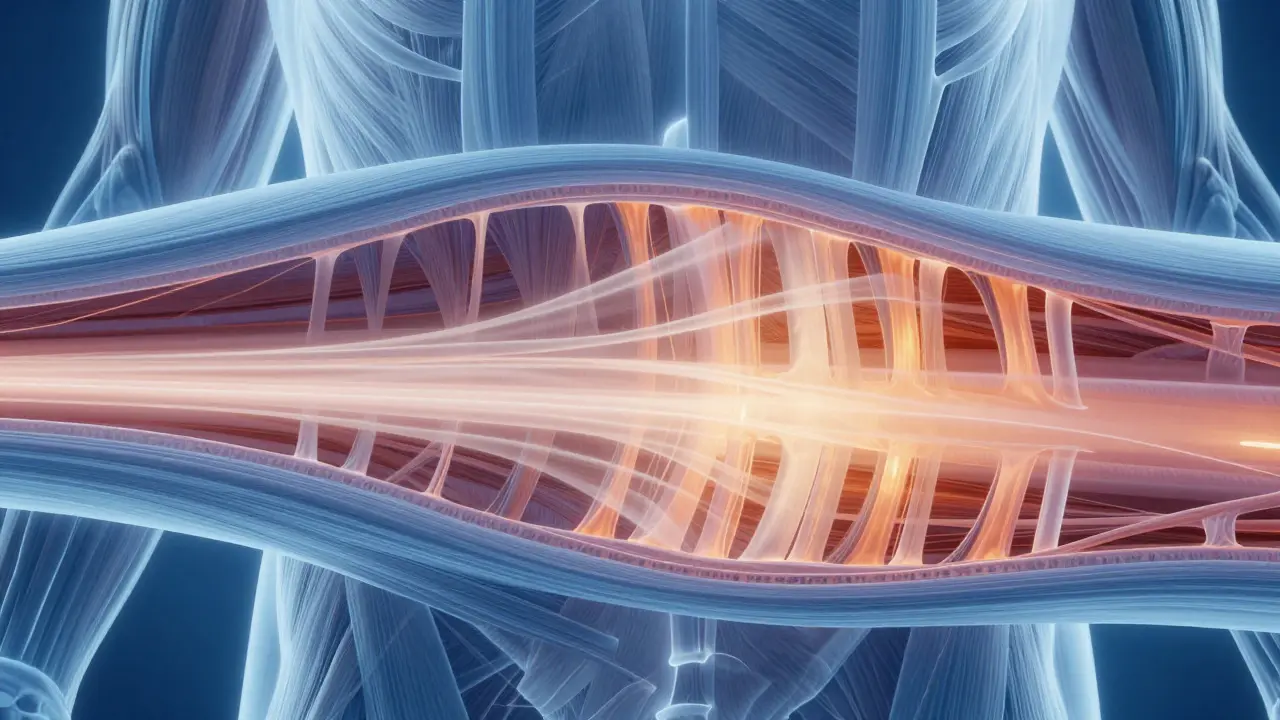
Deep tissue massage is a type of manual therapy that targets the deeper layers of muscles and connective tissue. Unlike Swedish massage, which focuses on superficial gliding strokes to promote general relaxation, deep tissue work uses slower strokes and more pressure to reach the underlying structures. The primary goal is to manipulate the fascia, the web-like network of connective tissue that surrounds muscles and organs. When this tissue becomes tight or adhered due to injury, poor posture, or chronic stress, it restricts movement and causes pain.
The effectiveness of this technique relies on sustained pressure rather than speed. A therapist or individual applying deep tissue methods must move slowly enough for the heat generated by friction to penetrate the tissue. This warmth helps increase blood flow, delivering oxygen and nutrients to damaged areas while flushing out metabolic waste. Research suggests that consistent deep tissue sessions can reduce markers of inflammation and improve range of motion significantly over time.
Key Differences: Deep Tissue vs. Other Modalities
Not all massages are created equal. Knowing the distinction between different styles helps you choose the right approach for your specific needs. Here is how deep tissue compares to common alternatives:
| Technique | Primary Focus | Pressure Level | Best For |
|---|---|---|---|
| Swedish Massage | General relaxation and circulation | Light to Medium | Mild stress, pre-sleep routine |
| Deep Tissue Massage | Breaking up adhesions and chronic tension | Medium to High | Chronic pain, sports injuries, desk job stiffness |
| Trigger Point Therapy | Releasing specific painful spots (knots) | High (localized) | Acute pain points, referred pain |
| Sports Massage | Pre/post-event recovery and performance | Variable | Athletes, active individuals |
Notice that Trigger Point Therapy is often used alongside deep tissue work. While deep tissue addresses broad areas of tightness, trigger point therapy isolates specific nodules within the muscle belly. Combining these approaches can yield faster relief for complex pain patterns.
Step-by-Step: Preparing for a Professional Session
If you are booking a professional deep tissue massage, preparation matters. The experience is not just about lying still; it involves communication and physical readiness. Follow these steps to maximize the benefits:
- Hydrate Beforehand: Drink plenty of water in the 24 hours leading up to your appointment. Deep tissue work moves fluids and toxins out of tissues. Staying hydrated helps your kidneys process these substances efficiently after the session.
- Communicate Your Goals: Tell your therapist exactly where it hurts. Use a scale of 1 to 10 for pain tolerance. Deep tissue should feel like 'good pain,' but if it feels sharp or stabbing, signal immediately. Miscommunication here is the most common cause of ineffective sessions.
- Wear Comfortable Clothing: Choose clothes that are easy to remove or adjust. You may need to expose large areas of your back, legs, or arms. Loose-fitting athletic wear is ideal.
- Arrive Early: Give yourself 15 minutes to settle. Anxiety increases muscle tension before the session even begins. Taking slow, deep breaths in the waiting area can lower your heart rate and prepare your body for deeper work.
At-Home Techniques for Targeted Relief
You cannot easily give yourself a full-body deep tissue massage, but you can target specific problem areas using tools and manual techniques. These methods are safe for most people but require patience.
Using a Lacrosse Ball for Trigger Points
A lacrosse ball is denser and smaller than a tennis ball, making it perfect for pinpointing knots in the glutes, calves, and upper back.
- Stand against a wall or lie on the floor.
- Place the ball under the tender spot (e.g., the piriformis muscle in the buttock).
- Apply gentle pressure until you feel a dull ache.
- Hold the position for 30 to 90 seconds. Breathe deeply.
- Roll slowly around the area to find adjacent tight spots.
Self-Massage for the Upper Back and Shoulders
Desk workers often develop tight trapezius muscles. Try this simple technique:
- Sit upright with your feet flat on the floor.
- Cross your arms over your chest and clasp your hands behind your neck.
- Gently pull your head forward and down, creating tension in the upper back.
- Use your elbows to press into the shoulder blades, moving slowly along the spine.
- Repeat for 2-3 minutes per side.
Common Mistakes to Avoid
Even with good intentions, people often make errors that reduce the effectiveness of deep tissue work or cause unnecessary discomfort.
- Going Too Fast: Speed generates surface heat but doesn't allow penetration into deep tissues. Slow is effective. Think of it as carving wood, not sanding it.
- Ignoring Pain Signals: There is a difference between productive discomfort and acute pain. If you hear a pop or feel electric shock, stop. That indicates nerve involvement, not muscle tension.
- Skipping Hydration Afterward: Post-session dehydration can lead to headaches and lingering soreness. Aim for 500ml of water within an hour of finishing.
- Expecting Immediate Cure: Deep tissue changes take time. One session might relieve acute symptoms, but resolving chronic patterns usually requires a series of treatments spaced one to two weeks apart.

Frequency and Maintenance Strategies
How often should you receive deep tissue massage? It depends on your baseline activity level and pain status. For athletes recovering from intense training, weekly sessions are common. For office workers managing chronic tension, bi-weekly or monthly maintenance is often sufficient. Listen to your body. If you notice tension building before your next scheduled appointment, consider adding a self-care routine or booking an extra session.
Integrating mobility exercises between sessions also extends the benefits. Simple stretches for the hamstrings, hip flexors, and thoracic spine keep the fascial lines supple. Consistency in these small habits prevents the re-adhesion of tissues, making each subsequent massage easier and less painful.
Frequently Asked Questions
Is deep tissue massage painful?
It should be uncomfortable but not agonizing. Most clients describe it as a 'good hurt.' If the pain is sharp, burning, or radiating, it is likely too intense. Communication with your therapist is key to finding the right pressure level.
Can I have deep tissue massage if I have high blood pressure?
Generally, yes, but consult your doctor first. Intense pressure can temporarily raise blood pressure. If your condition is well-managed, most therapists can adjust their technique to be safer. Always disclose any medical conditions during intake.
What should I eat before a deep tissue massage?
Avoid heavy meals 1-2 hours before your session. A light snack is fine. Eating a large meal can cause nausea when you lie face down for extended periods. Stay hydrated instead.
How long does it take to see results from deep tissue massage?
Is deep tissue massage better than regular massage for stress?
For mental stress, Swedish massage is often preferred because it activates the parasympathetic nervous system more gently. However, if your stress manifests as physical tension (tight jaw, stiff neck), deep tissue is more effective at releasing those physical blocks, which can indirectly reduce perceived stress levels.