
Compression Massage for Athletes: Benefits, Techniques, and Recovery Tips
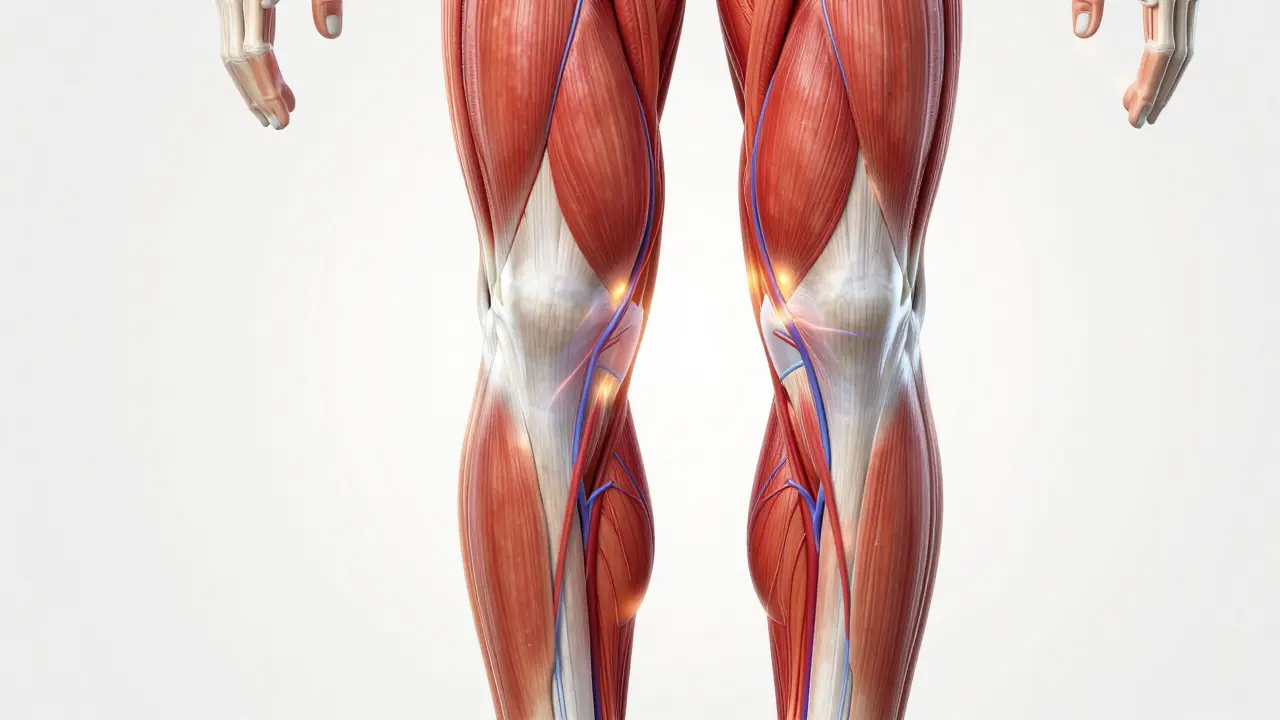
Picture this: You’ve just finished a grueling marathon training session or a high-intensity interval workout. Your legs feel like lead, your muscles are tight, and every step sends a dull ache through your quads. This is where compression massage is a targeted therapeutic technique that applies firm pressure to specific muscle groups to enhance circulation, reduce swelling, and accelerate recovery. It’s not just about feeling good; it’s a strategic tool used by elite athletes and weekend warriors alike to get back in the game faster.
If you’re an athlete looking to optimize your recovery routine, understanding how compression massage works can be a game-changer. Unlike a standard relaxation massage, this method focuses on physiological outcomes-flushing out metabolic waste, breaking down adhesions, and restoring range of motion. Let’s break down why this technique is gaining traction in sports medicine and how you can incorporate it into your own regimen.
How Compression Massage Works Physiologically
To appreciate the benefits, we first need to look at what happens inside your body during intense physical activity. When you exercise, your muscles undergo microscopic tears and accumulate metabolic byproducts like lactic acid. While lactic acid clears out relatively quickly, inflammation and fluid buildup (edema) can linger, leading to stiffness and delayed onset muscle soreness (DOMS).
Deep tissue massage is a specialized form of bodywork that targets the deeper layers of muscle and connective tissue to relieve chronic tension and pain. Compression massage operates on similar principles but with a distinct focus on pressure application. By applying sustained, firm pressure to specific areas, therapists manipulate the fascia-the connective tissue surrounding muscles. This action helps to:
- Increase blood flow to the affected area, delivering oxygen and nutrients essential for repair.
- Stimulate the lymphatic system, which helps drain excess fluid and toxins from the tissues.
- Reduce muscle spindle activity, effectively calming overactive nerves and reducing spasms.
The result? Less swelling, reduced pain perception, and a quicker return to baseline function. It’s not magic; it’s mechanics. Think of it as manually assisting your body’s natural healing processes rather than waiting for them to happen on their own timeline.
Key Benefits for Athletic Performance
Athletes don’t invest time in recovery unless they see tangible results. So, what exactly does compression massage offer that ice baths or foam rolling might not?
- Faster Recovery Times: Studies suggest that post-exercise massage can significantly reduce markers of muscle damage. By improving circulation, you help clear debris from the site of injury faster.
- Improved Flexibility and Range of Motion: Tight muscles restrict movement. Compression techniques help lengthen shortened muscle fibers and release restricted fascia, allowing for fuller, more efficient movements.
- Pain Management: The pressure stimulates mechanoreceptors in the skin and muscles, which can inhibit pain signals sent to the brain. This is known as the gate control theory of pain.
- Mental Relaxation: Physical tension often mirrors mental stress. Reducing physical tightness can lower cortisol levels, helping athletes sleep better and manage pre-competition anxiety.
Consider a runner dealing with persistent shin splints. A targeted compression massage on the tibialis anterior can alleviate the strain, allowing them to train consistently without fear of aggravating the condition. This proactive approach prevents minor issues from becoming major injuries.
Techniques Used in Compression Massage
Not all massages are created equal. Therapists use various tools and methods to deliver effective compression. Here are the most common techniques you’ll encounter:
| Technique | Method | Best For |
|---|---|---|
| Static Pressure | Sustained thumb or elbow pressure on a trigger point | Releasing deep knots and myofascial adhesions |
| Effleurage | Long, gliding strokes with moderate pressure | Warming up tissues and promoting general circulation |
| Petrissage | Kneading and squeezing muscle tissue | Improving elasticity and reducing stiffness |
| Instrument-Assisted Soft Tissue Mobilization (IASTM) | Using specialized tools to scrape along muscle fibers | Breaking down scar tissue and chronic inflammation |
Trigger point therapy is a method that applies focused pressure to hyperirritable spots in skeletal muscle to relieve pain and restore function. Many athletes find that combining these techniques yields the best results. For instance, starting with effleurage to warm up the tissue, followed by static pressure on specific knots, and finishing with petrissage to relax the area creates a comprehensive treatment plan.
When to Schedule a Compression Massage
Timing matters. Getting a massage at the wrong time can sometimes do more harm than good. Here’s a simple guide to when to seek out this therapy:
- Post-Event: Within 24-48 hours after a major competition or intense workout. This helps mitigate DOMS and reduces inflammation before it sets in deeply.
- Maintenance: Every 2-4 weeks during heavy training blocks. Regular sessions prevent adhesions from forming and keep muscles pliable.
- Injury Prevention: If you notice recurring tightness in specific areas (like IT bands or calves), address it immediately before it leads to strain.
Avoid getting a deep compression massage immediately before a competition. The intense pressure can temporarily fatigue the muscles, potentially impacting performance. Save the deep work for recovery days or off-seasons.
Self-Massage Tools for Home Use
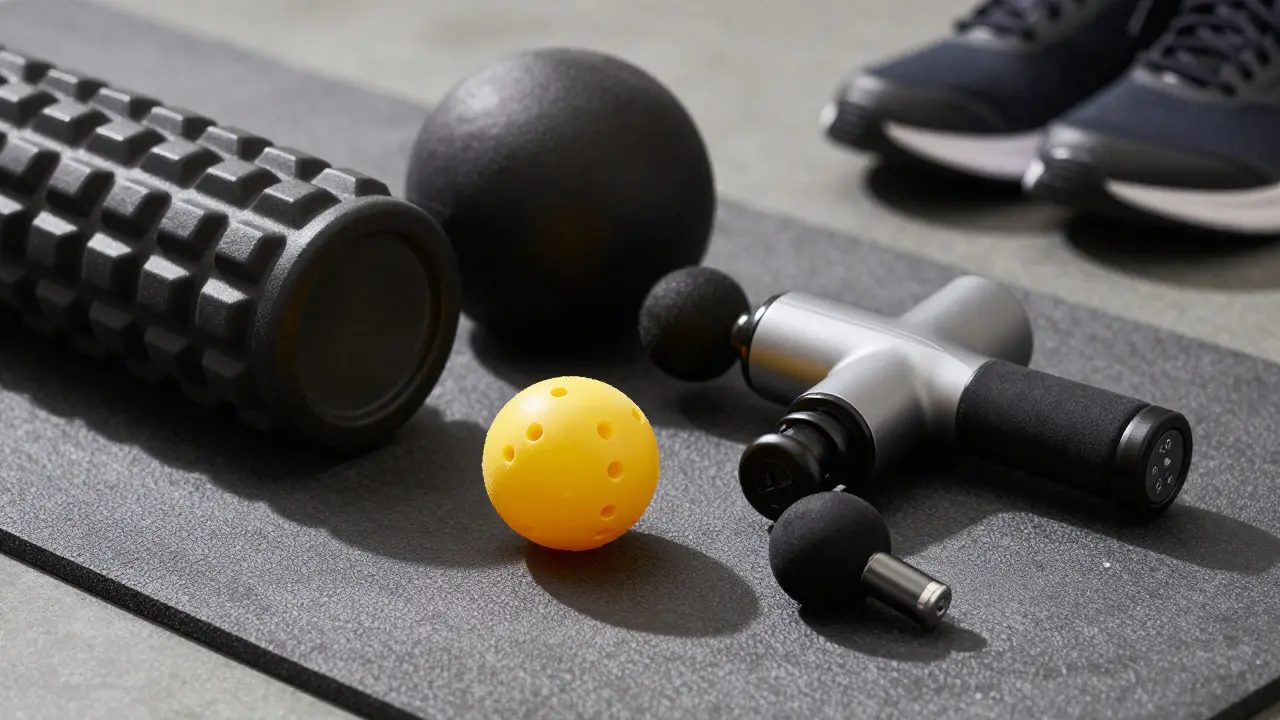
You don’t always need a therapist to benefit from compression techniques. Several tools allow you to perform self-myofascial release at home:
- Foam Rollers: Ideal for large muscle groups like quads, hamstrings, and back. Look for dense rollers for deeper pressure.
- Lacrosse Balls: Perfect for targeting small, hard-to-reach areas like the glutes, feet, and shoulders. Place the ball between your body and the wall or floor and apply pressure.
- Massage Guns: Percussive therapy devices that deliver rapid bursts of pressure. They’re excellent for warming up muscles and increasing blood flow quickly.
Remember, consistency is key. Spending 10 minutes daily on self-massage can yield better long-term results than one hour once a month. Listen to your body-if something hurts sharply, back off. Discomfort is normal; sharp pain is not.

Choosing the Right Therapist
Not all massage therapists specialize in sports or compression techniques. To get the most out of your session, look for someone with credentials in:
- Certified Sports Massage Therapist (CSMT)
- Myofascial Release Certification
- Experience working with athletes in your specific sport
During your initial consultation, communicate clearly about your goals, injuries, and current training load. A skilled therapist will tailor the pressure and techniques to your needs, ensuring you leave feeling refreshed rather than bruised.
Integrating Compression Massage into Your Routine
Think of compression massage as part of a holistic recovery strategy. Combine it with proper hydration, balanced nutrition, and adequate sleep. Hydration helps flush out toxins released during massage, while protein supports muscle repair. Sleep is when the majority of healing occurs, so prioritize quality rest nights following your sessions.
By making compression massage a regular part of your athletic journey, you’re not just treating symptoms-you’re investing in longevity. Whether you’re aiming for a personal best or simply want to stay active well into your later years, this powerful tool can help you achieve your goals safely and efficiently.
Is compression massage painful?
It can be uncomfortable, especially if you have significant muscle tension or adhesions. However, it shouldn’t cause sharp or unbearable pain. Communicate with your therapist to adjust the pressure level. A "good hurt" is acceptable, but screaming pain is not.
How often should athletes get compression massage?
Frequency depends on your training intensity. During peak seasons, weekly or bi-weekly sessions may be beneficial. For maintenance, every 3-4 weeks is usually sufficient. Listen to your body and increase frequency if you experience persistent tightness or pain.
Can compression massage help with old injuries?
Yes, it can help improve flexibility and reduce residual tension around old injuries. However, if you have acute inflammation or an open wound, avoid direct pressure on the area. Consult with a healthcare provider before starting treatment for chronic conditions.
What should I wear to a compression massage appointment?
Wear comfortable, loose-fitting clothing that allows easy access to the areas being treated. Most therapists provide sheets and draping for modesty. You may be asked to change into shorts or a tank top depending on the focus of the session.
Are there any risks associated with compression massage?
Generally safe, but risks include temporary soreness, bruising, or dizziness. People with blood clots, osteoporosis, or certain medical conditions should consult their doctor before undergoing deep tissue work. Always inform your therapist of any health concerns.