Thai Massage Benefits: A Comprehensive Review for Beginners and Pros
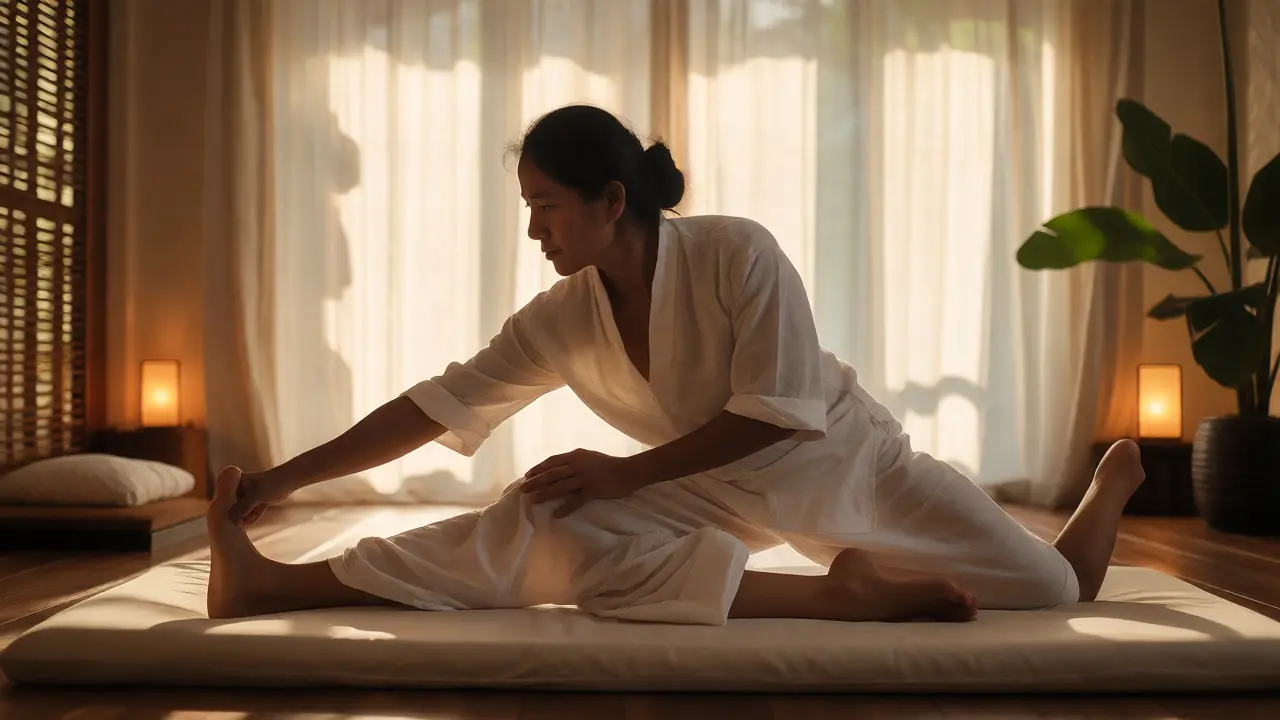
Imagine lying on a firm mat, not on a table, while someone uses their feet, knees, elbows, and hands to stretch your body into positions you didn't know you could hold. That’s Thai massage, a healing art that blends acupressure with assisted yoga stretches. It’s often called "lazy yoga" because the therapist does the moving for you. If you’ve ever felt stiff after sitting at a desk all day or just want something more dynamic than rubbing oil on your back, this might be exactly what your body is craving.
What Exactly Is Thai Massage?
Thai massage is a type of bodywork rooted in traditional Thai medicine and Ayurvedic principles. Unlike Swedish massage, which focuses on relaxing muscles through long strokes and kneading, Thai massage works on energy lines known as "Sen." The goal isn’t just relaxation; it’s to clear blockages in these energy pathways to improve circulation and flexibility.
You don’t take your clothes off for this. You wear loose, comfortable clothing provided by the spa or bring your own sweatpants and t-shirt. There’s no oil involved. This makes it a great option if you’re short on time and don’t want to shower afterward. The session usually takes place on a padded mat on the floor, giving the therapist leverage to use their whole body weight to apply pressure and stretch you.
The Core Techniques: How It Works
A typical session follows a specific sequence, but skilled therapists adapt it to your needs. Here’s what actually happens during those 60 to 90 minutes:
- Rhythmic Compression: The therapist starts by pressing along the Sen lines using their palms, thumbs, and sometimes fists. This warms up the muscles and prepares the body for deeper work.
- Assisted Stretching: This is the hallmark move. The therapist bends your legs, twists your torso, and extends your arms. Think of it as having someone help you do a deep hamstring stretch or a spinal twist without you having to balance yourself.
- Joint Mobilization: Gentle rocking movements are applied to joints like hips, shoulders, and ankles to improve range of motion.
- Acupressure Points: Specific points on the feet, hands, and back are pressed firmly to stimulate nerve endings and release tension.
The flow is continuous. One movement transitions into the next, creating a dance-like rhythm between you and the practitioner. It can feel intense, but it shouldn’t hurt. If you feel sharp pain, speak up. Good therapists adjust based on your feedback.
Physical Benefits: Why Your Body Loves It
People seek out Thai massage for tangible physical results. Because it combines pressure with stretching, it addresses issues that standard rubdowns miss.
First, let’s talk about flexibility. Most adults lose significant range of motion in their hips and spine due to sedentary lifestyles. Thai massage forces these areas open. Regular sessions can help you touch your toes again or turn your head fully without wincing. It’s particularly effective for people with tight hamstrings or lower back stiffness.
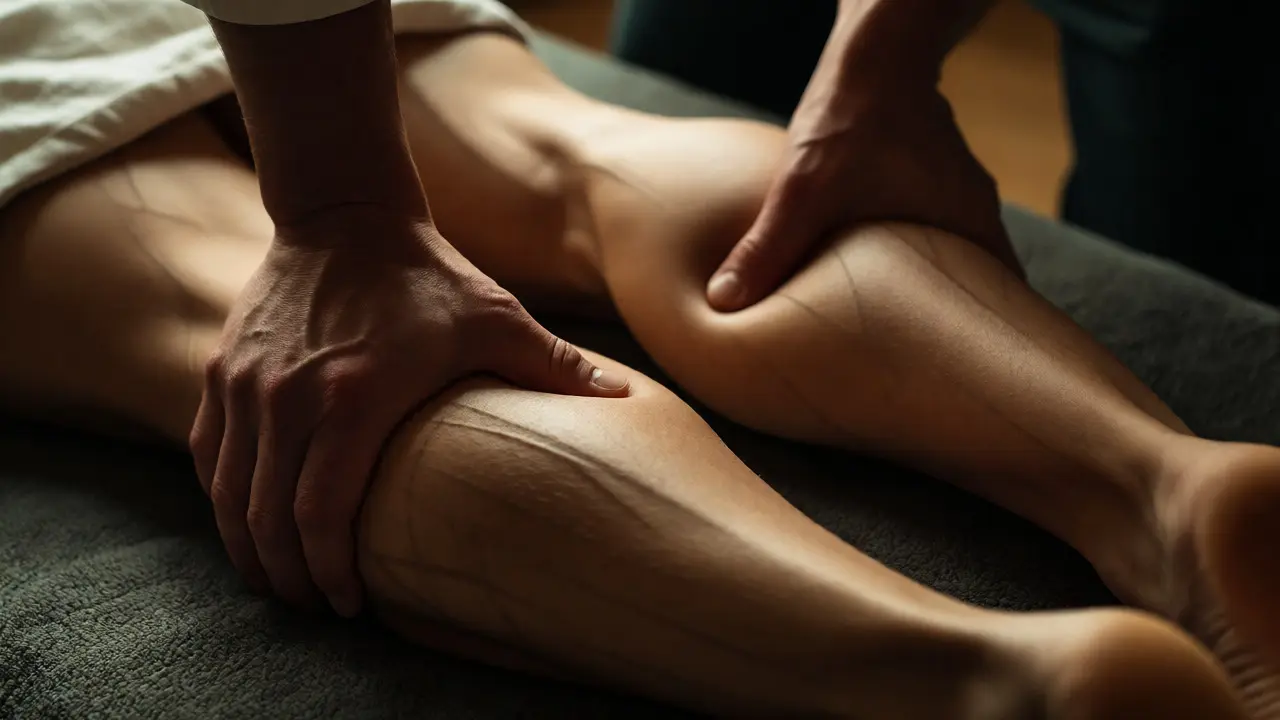
Second, it boosts circulation. The compression techniques push blood and lymph fluid through stagnant areas. This helps reduce swelling in legs and feet, which is common for people who stand or sit for hours. Improved blood flow also means faster recovery after workouts. Athletes often use it as part of their cooldown routine because it flushes out metabolic waste products like lactic acid.
Third, it aids in pain management. Studies suggest that manual therapies like this can reduce chronic pain intensity. By releasing trigger points and lengthening shortened muscles, it alleviates tension headaches, neck strain from computer work, and general muscular soreness.
Mental and Emotional Impact
It’s not just about muscles. The rhythmic nature of Thai massage triggers the parasympathetic nervous system-the "rest and digest" mode. This lowers cortisol levels, the stress hormone. Many clients report feeling mentally clearer and calmer immediately after a session.
There’s also a mindfulness aspect. Since you can’t scroll through your phone or read a book, you’re forced to focus on your breath and bodily sensations. This meditative state helps break the cycle of anxious thinking. For people dealing with mild anxiety or insomnia, the deep relaxation induced by the end-of-session rest period can significantly improve sleep quality that night.
Thai Massage vs. Other Popular Styles
If you’re new to bodywork, choosing the right type can be confusing. Here’s how Thai massage stacks up against other common options.
| Feature | Thai Massage | Swedish Massage | Deep Tissue Massage |
|---|---|---|---|
| Primary Focus | Energy lines & stretching | General relaxation | Chronic muscle tension |
| Clothing | Loose clothes worn | Undressed (draped) | Undressed (draped) |
| Oil Used? | No | Yes | Minimal/None |
| Intensity | Moderate to High (dynamic) | Low to Moderate | High (static pressure) |
| Best For | Flexibility, energy, active bodies | Stress relief, beginners | Injuries, stubborn knots |
As you can see, Thai massage sits in a unique niche. It’s more active than Swedish but less focused on isolated knots than Deep Tissue. It’s ideal if you want a full-body reset rather than targeting one specific spot.
What to Expect During Your First Session
Nerves are normal. Here’s a quick guide to navigating your first appointment smoothly.
- Consultation: Tell the therapist about any injuries, surgeries, or pregnancy. Mention if you have low blood pressure or heart conditions. This isn’t just formality; they need to adjust pressure accordingly.
- Preparation: Use the restroom beforehand. Wear loose pants that allow leg movement. Avoid heavy meals an hour before the session, as you’ll be bending and twisting.
- The Process: You start face-up. The therapist will work from feet to head, then flip you over. Don’t worry about awkward positions; they support your body carefully. Breathe deeply. Exhaling when pressure is applied helps you relax into the stretch.
- The Finish: Sessions end with a gentle head and shoulder massage. You’ll lie still for a few minutes. Take your time getting up. Drink water immediately to help flush toxins released from your muscles.
Potential Risks and Who Should Skip It
While generally safe, Thai massage isn’t for everyone. The vigorous stretching and pressure can aggravate certain conditions.
Avoid it if you have acute inflammation, fresh wounds, severe osteoporosis, or recent fractures. Pregnant women should only receive modified versions from certified practitioners, avoiding deep abdominal pressure. People with very low blood pressure might feel dizzy after standing up quickly due to improved circulation. Always communicate with your therapist. If a stretch feels too aggressive, say so. You are in control of your body.
Frequently Asked Questions
Does Thai massage hurt?
It can be intense, but it shouldn't be painful. You might feel discomfort if your muscles are very tight, similar to holding a deep yoga pose. Communicate with your therapist; they can adjust the pressure to make it comfortable. "Good pain" feels like a deep stretch, while bad pain is sharp or stabbing.
How often should I get Thai massage?
For general wellness, once a month is sufficient. If you're addressing specific issues like chronic back pain or training for a marathon, weekly or bi-weekly sessions may yield better results. Listen to your body; if you feel sore for more than two days, space out your sessions longer.
Do I need to be flexible to try it?
No. In fact, it's best for people who aren't flexible. The therapist assists the stretches, so you don't need to balance or force the position yourself. They will modify movements based on your current range of motion. Over time, your flexibility will naturally improve.
Is Thai massage suitable for pregnant women?
Generally yes, but with modifications. Avoid deep pressure on the abdomen and certain ankle points believed to induce labor. Always choose a therapist certified in prenatal care and inform them of your trimester. Some spas offer specialized side-lying variations for comfort.
What should I wear?
Most spas provide loose-fitting cotton pants and tops. If you bring your own, choose athletic wear that allows full range of motion. Avoid jeans or tight belts. Socks are usually optional, but some therapists prefer bare feet for grip.
Final Thoughts
Thai massage offers a powerful alternative to traditional relaxation techniques. It engages the whole body, improves mobility, and clears mental fog. If you’re tired of passive treatments and want something that actively works with your physiology, give it a try. Just remember to stay hydrated, breathe deeply, and trust the process. Your body will thank you for the movement.