Balinese Massage for Chronic Pain: Relief & Techniques
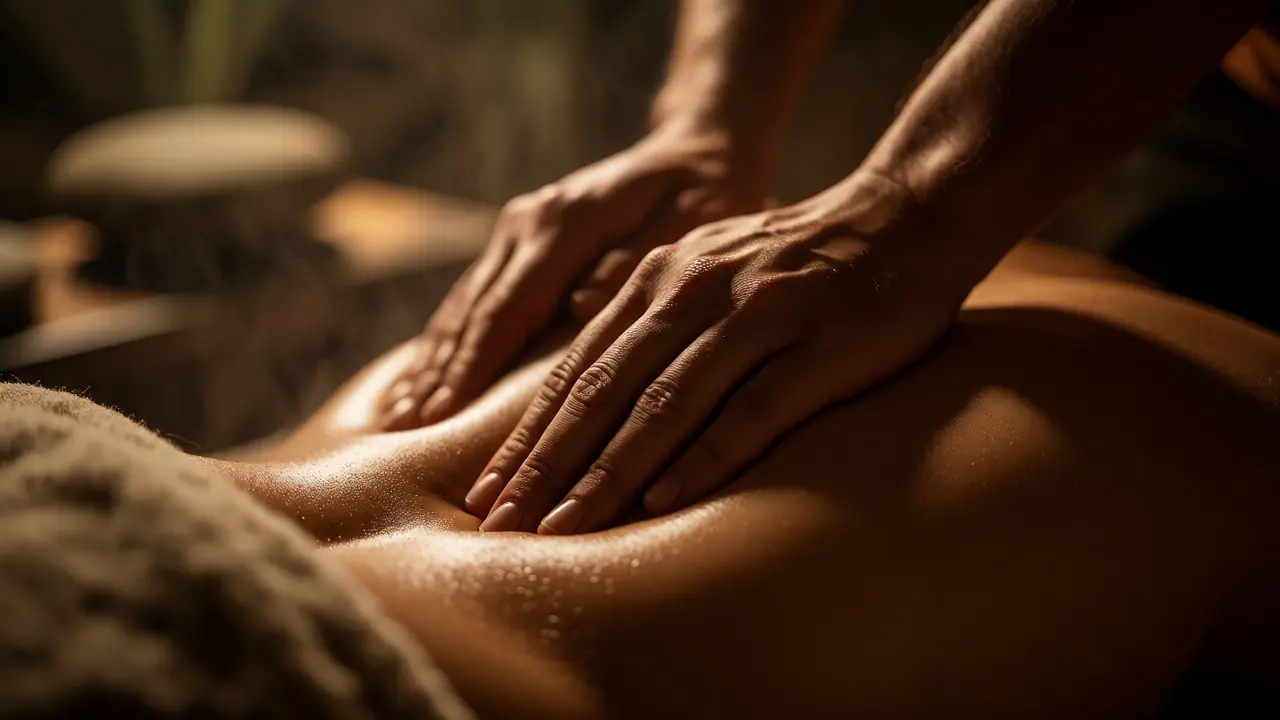
You’ve probably tried the standard Swedish rub-down. You lie there, listen to soft flute music, and walk out feeling… okay. But if you’re dealing with that nagging lower back ache or shoulders that feel like concrete blocks, "okay" doesn’t cut it. You need something that actually digs in. Enter Balinese massage. It’s not just a spa trend; it’s an ancient Indonesian practice designed specifically to break up stagnation in the body.
Here’s the thing about chronic pain: it’s rarely just one tight spot. It’s a web of compensation patterns your body has built over months or years. Balinese massage tackles this differently than most Western styles. It combines deep pressure, rhythmic kneading, and specific stretching techniques to reset those patterns. If you’ve been searching for a way to manage persistent discomfort without popping pills every day, understanding how this modality works might change your routine entirely.
What Makes Balinese Massage Different?
Most people confuse Balinese massage with general Asian massage. They aren’t the same. While Thai massage focuses heavily on passive yoga-like stretches and Shiatsu uses static finger pressure, Balinese massage is a hybrid beast. It blends elements from Indian Ayurveda, Chinese acupressure, and local Indonesian traditions. The result? A session that feels both relaxing and intensely therapeutic.
The core philosophy here is energy flow. Practitioners believe that pain stems from blocked energy channels, or meridians. When these channels get stuck, muscles tighten, circulation drops, and inflammation sets in. The goal isn’t just to make you feel good; it’s to unblock that flow. This makes it particularly effective for chronic conditions where circulation is poor and tissues are stiff.
| Feature | Balinese Massage | Swedish Massage | Deep Tissue |
|---|---|---|---|
| Primary Goal | Energy balance & deep release | General relaxation | Targeted muscle repair |
| Pressure Level | Medium to Deep (varies) | Light to Medium | Very Deep |
| Techniques | Kneading, tapping, stretching, acupressure | Long strokes, circular motions | Friction, slow strokes |
| Best For | Chronic tension, fatigue, stiffness | Stress, mild soreness | Injuries, severe knots |
The Toolkit: Techniques That Actually Work
If you book a session, don’t expect just long, gliding strokes. A qualified therapist will use a mix of methods. First, there’s effleurage, which sounds fancy but is basically long, warming strokes to prep the tissue. Then things get interesting.
- Petrissage: This is the kneading part. Think of it as wringing out a wet towel. The therapist lifts and squeezes muscle groups to flush out metabolic waste.
- Tapotement: Rapid percussion movements-like hacking or tapping-that stimulate nerves and wake up dormant muscle fibers.
- Acupressure: Specific points along meridians are pressed firmly. This isn’t random; it targets known trigger points associated with headaches, digestion, and back pain.
- Passive Stretching: Unlike Thai massage, where you might be twisted into pretzels, Balinese stretching is gentle. It helps restore range of motion without triggering a protective spasm response.
The combination is key. The tapping stimulates blood flow, the kneading breaks down adhesions, and the acupressure addresses the root cause of the tension. It’s a comprehensive approach to muscle recovery.
Why It Helps Chronic Pain Specifically
Chronic pain often creates a vicious cycle. Pain causes tension, tension restricts movement, restricted movement causes more pain. Balinese massage interrupts this loop by addressing three physiological factors at once.
First, it boosts circulation. Chronic pain areas are often ischemic-meaning they lack fresh blood supply. The vigorous techniques used in Balinese massage force oxygenated blood into these stagnant tissues. This speeds up the removal of lactic acid and other inflammatory markers.
Second, it calms the nervous system. Living with constant pain keeps your sympathetic nervous system (fight or flight) activated. The rhythmic nature of the massage shifts you into parasympathetic mode (rest and digest). This reduces cortisol levels, which directly lowers pain perception. You literally feel less pain because your brain stops screaming "danger."
Third, it releases fascia. Fascia is the connective tissue wrapping your muscles. In chronic cases, this tissue becomes sticky and rigid. The deep kneading and friction techniques help remodel this fascia, allowing muscles to slide freely again. This is crucial for conditions like plantar fasciitis or chronic neck strain.
Preparing for Your First Session
Don’t just show up hungry or after a heavy meal. Since this massage involves deep pressure and internal organ manipulation (yes, the abdomen is often included), eating a light snack an hour before is wise. Hydration is non-negotiable. Drink plenty of water before and after. Why? Because flushing toxins requires fluid. If you’re dehydrated, you’ll likely feel groggy or even nauseous afterward-a common reaction when releasing stored tension.
Communication is vital. Tell your therapist exactly where it hurts. Is it a sharp pain? A dull ache? Does it radiate? Balinese therapists are trained to adjust pressure, but they can’t read minds. If it hurts too much, speak up. There’s a difference between "good pain" (release) and bad pain (injury). Never endure sharp, stabbing sensations.

Frequency: How Often Should You Go?
For acute issues, weekly sessions might be needed initially. But for chronic pain management, consistency beats intensity. A monthly maintenance schedule often yields better long-term results than sporadic, intense sessions every six months. Your body needs time to integrate the changes. Think of it like exercise: you don’t lift weights once and expect permanent strength.
Some clients find bi-weekly sessions ideal during flare-ups, then spacing them out to once a month as stability returns. Listen to your body. If you feel worse two days after a session, you may have gone too deep. Next time, ask for lighter pressure.
Frequently Asked Questions
Is Balinese massage painful?
It can be, especially if you have significant tension. However, it shouldn't be agonizing. The pressure is firm but adjustable. Good pain feels like a deep stretch or release; bad pain is sharp or burning. Always communicate with your therapist to adjust the intensity.
How long does a typical session last?
Standard sessions range from 60 to 90 minutes. For chronic pain, 90 minutes is often recommended to allow enough time for full-body work and specific focus on problem areas without rushing.
Can I get a Balinese massage if I have arthritis?
Yes, many people with arthritis find relief through Balinese massage. The improved circulation and reduced muscle guarding around joints can alleviate stiffness. However, avoid direct pressure on inflamed joints. Inform your therapist so they can modify techniques accordingly.
What should I wear?
Typically, you remain in your underwear while draped with a sheet or towel. Some spas offer disposable shorts. The therapist will only expose the area being worked on, ensuring modesty and warmth throughout the session.
Are there any contraindications?
Avoid this massage if you have open wounds, recent fractures, severe osteoporosis, or active infections. Pregnant women should consult their doctor first and seek a therapist certified in prenatal massage, as certain positions and pressures may not be safe.