10 Reasons to Try Ayurvedic Massage Today for Deep Relaxation and Balance
Have you ever walked out of a spa feeling relaxed for exactly forty-five minutes before the stress rushed back in? That’s because most standard massages treat symptoms, not the root cause. They rub the knot, but they don’t ask why the knot is there. This is where Ayurvedic massage, also known as Abhyanga, changes the game. It isn’t just a luxury; it’s a thousands-year-old medical system from India that views your body as an interconnected ecosystem. If you’ve been sitting on the fence about trying this ancient practice, here are ten compelling reasons to book your first session today.
1. It Targets Your Unique Dosha Type
Most massage therapists use one oil and one pressure level for everyone. Ayurveda doesn’t work that way. In this system, every person has a unique constitution called a Dosha. There are three main types: Vata (air and space), Pitta (fire and water), and Kapha (earth and water). Your therapist will assess which dosha is dominant or imbalanced in your body right now.
If you have high Vata energy, you might feel anxious, cold, and dry. The therapist will use warm sesame oil and slow, rhythmic strokes to ground you. If you’re Pitta-dominant, prone to inflammation or anger, they’ll switch to cooling coconut oil and firmer, precise movements. This personalized approach means the treatment is designed specifically for your biology, not just a generic menu item.
2. Warm Oil Penetrates Deeper Than Lotion
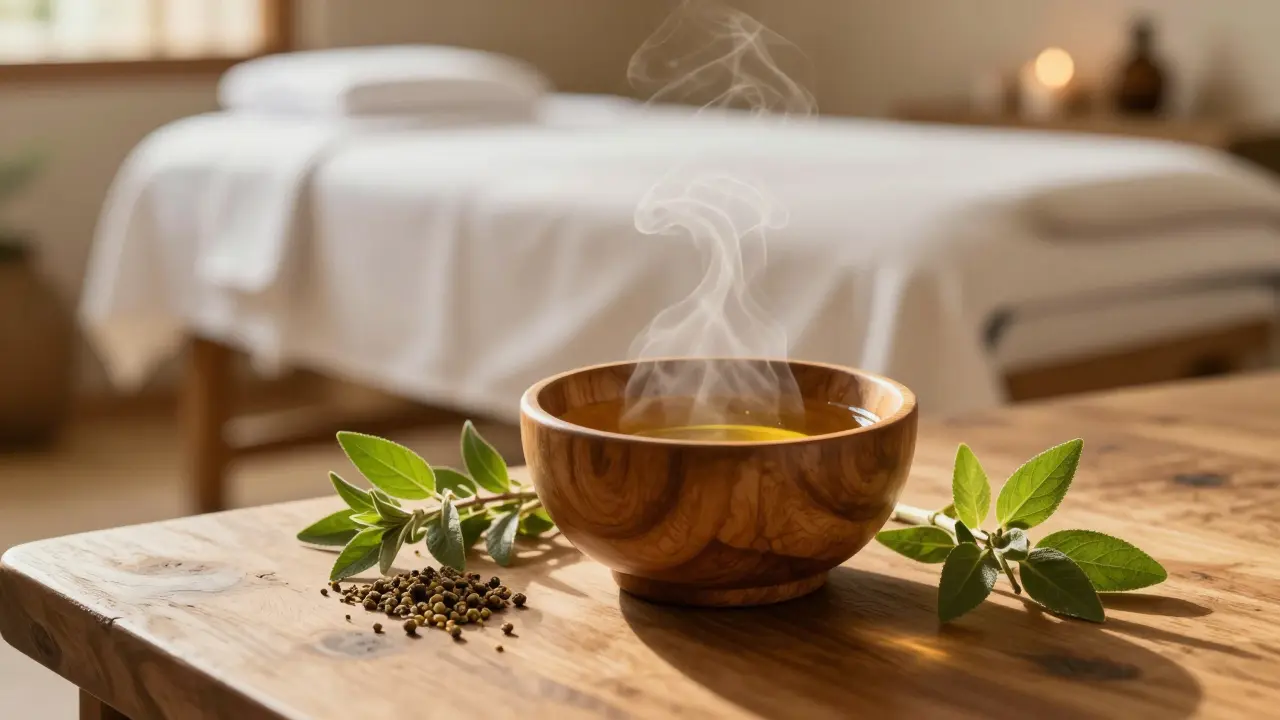
You’ve probably noticed how lotions sit on top of your skin, leaving a sticky residue. Ayurvedic massage uses medicated oils that are heated to body temperature before application. This warmth opens up the pores and allows the nutrients to penetrate deep into the muscle tissue and even the bones.
The oil used isn’t just carrier oil; it’s often infused with herbs like ashwagandha or brahmi. When the warm oil hits your skin, it triggers the parasympathetic nervous system immediately. You aren’t just getting a surface-level rubdown; you’re nourishing your tissues from the inside out. Many clients report their skin glowing for days after a session because the hydration happens at a cellular level.
3. It Detoxifies Through Lymphatic Stimulation
Your lymphatic system is your body’s drainage network. Unlike blood, which has the heart to pump it, lymph fluid moves only through muscle movement and external pressure. Modern life involves too much sitting and not enough movement, causing toxins to stagnate in the tissues.
An Ayurvedic massage uses long, sweeping strokes directed toward the heart. This manual pumping action forces stagnant lymph fluid to move, flushing out metabolic waste and reducing swelling. Think of it as unclogging a drain. After a session, you might notice clearer skin and less puffiness in your face and limbs. It’s a passive detox that works while you lie still.
4. Better Sleep Quality Without Pills
Insomnia is a epidemic in 2026. We scroll until our eyes burn, then stare at the ceiling wondering why we can’t shut off. Ayurvedic massage is particularly effective for calming the mind, especially for those with Vata imbalances who suffer from racing thoughts.
The combination of warm oil, rhythmic touch, and herbal aromatherapy signals to your brain that it is safe to rest. Studies suggest that regular Abhyanga can regulate cortisol levels, the stress hormone that keeps you awake. Instead of reaching for melatonin, many people find that a twenty-minute self-massage before bed or a professional session once a week restores their natural sleep cycle. You wake up feeling rested, not groggy.

5. It Relieves Chronic Joint Pain
If you deal with arthritis or stiff joints, standard deep-tissue massage might hurt more than help. Ayurvedic massage treats joints differently. It focuses on lubricating the synovial fluid within the joints using specific warming oils.
For example, if you have knee pain, the therapist will apply warm sesame oil mixed with anti-inflammatory herbs and perform circular motions around the joint. This increases circulation to the area without aggressive kneading. Over time, this reduces stiffness and improves range of motion. It’s gentle yet effective, making it ideal for older adults or anyone recovering from injury.
6. Enhanced Mental Clarity and Focus
We often think of massage as purely physical, but Ayurveda connects the body directly to the mind. The head and neck are mapped with numerous nerve endings that connect to the brain. A proper Ayurvedic session includes a Shiro Abhyanga, which is a focused massage of the scalp and forehead.
This specific technique calms the nerves and clears mental fog. Many students and professionals use this to combat burnout. By grounding the energy in the head, you reduce anxiety and improve concentration. It’s like defragmenting your hard drive. You leave the table not just physically loose, but mentally sharp and ready to tackle tasks.
7. Improved Digestion and Gut Health
In Ayurveda, digestion is the cornerstone of health. Weak digestion leads to toxin buildup, known as Ama, which causes fatigue and illness. An Ayurvedic massage often includes abdominal circles performed in the direction of the colon.
This mechanical stimulation helps move gas and stool through the intestines. It activates the digestive fire, or Agni, preparing your gut to process food better. If you struggle with bloating or constipation, this aspect of the massage provides immediate relief. It’s a simple, non-invasive way to support your microbiome and overall nutrient absorption.
8. Boosts Immune Function Naturally
Your immune system relies on healthy circulation and low stress levels. Since Ayurvedic massage does both, it acts as a powerful booster for your defenses. The increased blood flow delivers oxygen and white blood cells to tissues faster.
Additionally, the reduction in stress hormones prevents the suppression of immune activity. During flu season or times of high stress, regular sessions can help you stay resilient. It’s not a cure-all, but it creates an internal environment where your body can fight off pathogens more effectively. You’re investing in prevention rather than just treating sickness.

9. Promotes Long-Term Skin Health
As we age, our skin loses elasticity and moisture. Expensive creams often fail because they don’t address the underlying lack of circulation. Ayurvedic massage stimulates blood flow to the dermis, bringing nutrients to skin cells.
The oils used contain antioxidants and vitamins that protect against free radical damage. Regular sessions can reduce the appearance of fine lines and improve skin tone. It’s a natural anti-aging treatment that looks good and feels good. Plus, unlike chemical peels, there’s no downtime. You can go straight back to your day with radiant skin.
10. It Teaches You Self-Care Rituals
The best part about Ayurvedic massage is that you can do parts of it at home. Therapists often teach clients how to perform a basic self-massage using warm oil. This turns wellness into a daily habit rather than a monthly expense.
Spend five minutes massaging your feet or scalp each night. This small ritual grounds you, improves sleep, and maintains the benefits of professional treatments. It empowers you to take control of your health. You become active in your own healing process, which leads to better long-term outcomes.
| Feature | Swedish Massage | Ayurvedic Massage |
|---|---|---|
| Oil Temperature | Room temperature | Heated to body temp |
| Personalization | General relaxation | Based on Dosha type |
| Primary Goal | Muscle tension release | Holistic balance & detox |
| Technique | Kneading, friction | Rhythmic, long strokes |
| Aftercare | Drink water | Steam bath, rest, warm shower |
What to Expect During Your First Session
Walking into an Ayurvedic clinic feels different. The air smells of sandalwood or eucalyptus, not synthetic lavender. Before you get on the table, the therapist will ask questions about your diet, sleep, and stress levels. This consultation is crucial for determining your dosha.
Once you’re undressed and covered with a sheet, the therapist warms the oil in a bowl. They start with your feet, working upward. The strokes are slow and deliberate. You won’t feel intense pressure; instead, you’ll feel a soothing warmth spreading through your body. The session usually lasts 60 to 90 minutes.
Afterward, you’ll be asked to wait for 15 to 20 minutes. This allows the oil to absorb fully. Then, you take a warm shower to wash off the excess oil. Many clinics offer a steam room or sauna to enhance detoxification. You’ll leave feeling lighter, softer, and deeply calm.
How to Choose the Right Practitioner
Not all spas offer authentic Ayurvedic massage. Look for practitioners certified by recognized Ayurvedic institutions. Ask them about their training and how they determine dosha types. A genuine practitioner will spend time consulting with you, not just rushing you onto the table.
Check reviews for mentions of "personalized" or "holistic" care. Avoid places that treat Ayurveda as just another exotic flavor of massage. Authenticity matters because the benefits come from the correct application of principles, not just the use of oil.
Is Ayurvedic massage safe for everyone?
Generally, yes. However, if you have acute fever, open wounds, or severe varicose veins, you should consult a doctor first. Pregnant women should avoid certain oils and abdominal massage. Always inform your therapist about any medical conditions.
How often should I get an Ayurvedic massage?
For maintenance, once a month is sufficient. If you are dealing with chronic stress or pain, weekly sessions may be recommended initially. Daily self-massage with oil is also encouraged for ongoing benefits.
Can I do Ayurvedic massage at home?
Yes. Buy high-quality organic sesame or coconut oil. Warm it slightly. Spend 10-15 minutes massaging your scalp, feet, or abdomen before bed. Use long, gentle strokes. This simple routine can significantly reduce stress and improve sleep.
Does Ayurvedic massage help with weight loss?
Indirectly, yes. By improving digestion, reducing stress-related eating, and boosting metabolism through lymphatic stimulation, it supports weight management. However, it is not a standalone solution; diet and exercise remain essential.
What should I wear after an Ayurvedic massage?
Wear loose, comfortable clothing made of natural fibers like cotton. Avoid tight waistbands or restrictive fabrics that might trap heat or irritate the skin. Allow your body to breathe and continue absorbing the oil’s benefits.