The Essential Role of Massage Oils and Candles in Self-Care
Think about the last time you truly relaxed. Not just sat down, but felt your shoulders drop, your breath slow, and your mind go quiet. For many people, that moment didn’t come from a vacation or a long nap. It came from the simple combination of warm massage oil gliding over skin and the soft flicker of a candle nearby. These aren’t luxury add-ons-they’re foundational tools in real, everyday self-care.
Why Massage Oils Matter More Than You Think
Massage oil isn’t just something you pour on your hands before a rubdown. It’s a bridge between touch and sensation. When you use the right oil, your skin doesn’t just glide-it absorbs. High-quality massage oils like sweet almond, jojoba, or fractionated coconut oil aren’t just slippery. They’re packed with fatty acids that nourish skin, reduce inflammation, and even help with dryness from stress or cold weather.
One study from the University of Miami found that people who received regular massage with natural oils reported a 30% greater reduction in cortisol levels compared to those who used water-based lubricants. That’s not magic. It’s biology. Your skin is your largest organ. When you apply warm oil and massage it in, you’re not just relaxing muscles-you’re signaling your nervous system that it’s safe to unwind.
Not all oils are created equal. Avoid synthetic fragrances or mineral oil. They clog pores and can trigger irritation. Look for cold-pressed, unrefined oils. A drop of lavender oil mixed into your base oil doesn’t just smell nice-it activates the limbic system, the part of your brain tied to emotion and memory. That’s why a scent you haven’t smelled in years can suddenly make you feel calm.
Candles Aren’t Just for Ambiance
People buy candles for dates, holidays, or Instagram photos. But the real power of a candle in self-care isn’t about looks-it’s about rhythm. The steady, quiet glow of a candle creates a visual anchor. Your eyes don’t have to focus on screens, emails, or chores. They settle on the flame. And when your gaze softens, so does your mind.
Research from the Journal of Environmental Psychology shows that exposure to flickering candlelight for just 15 minutes lowers heart rate and increases alpha brain waves-those associated with deep relaxation. That’s why therapists use candles in trauma-informed sessions. It’s not about romance. It’s about safety.
Choose soy or beeswax candles. They burn clean. Paraffin candles, the kind most stores sell, release toxic chemicals when lit. You don’t need to smell like a candle shop. A single, unscented candle works better than five scented ones. Let your skin and your breath do the work. The flame is enough.
The Synergy Between Oil and Flame
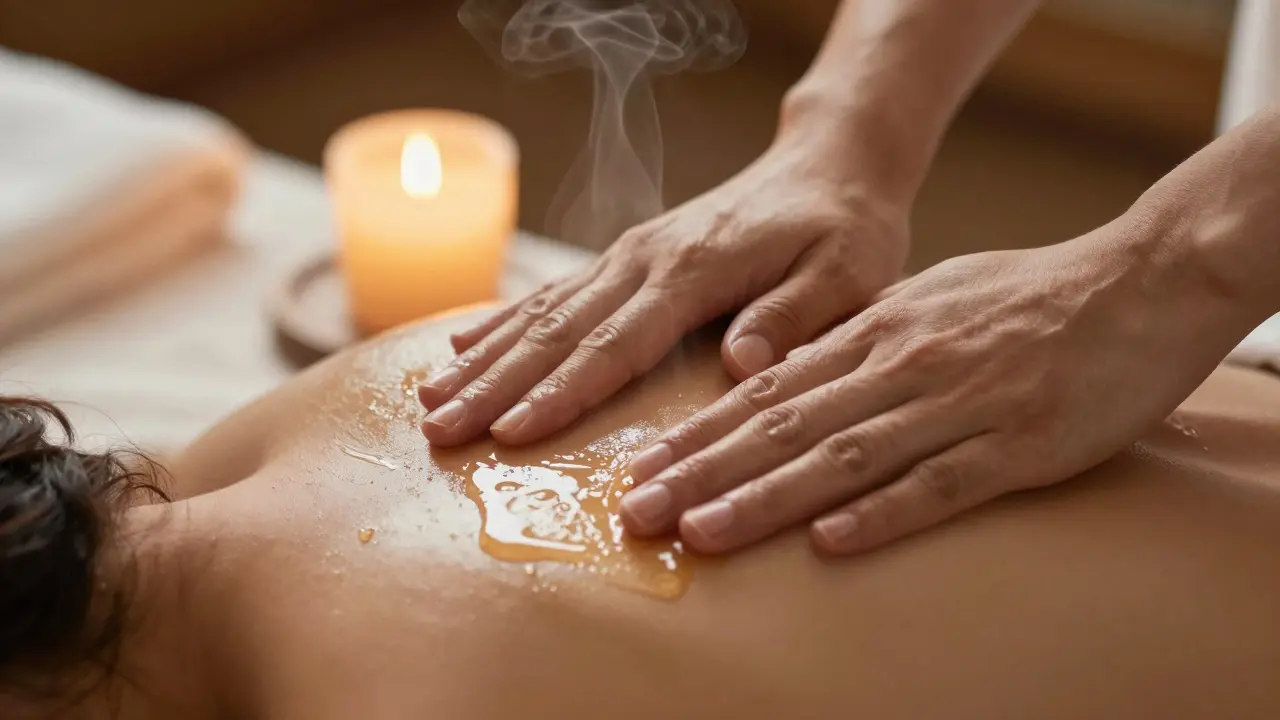
Used together, massage oil and a candle don’t just add up-they multiply. The warmth of the oil, gently heated in your palms, matches the warmth of the candlelight. The scent of the oil blends with the subtle aroma of beeswax or soy. Your hands move slowly. Your breath follows. Your thoughts stop racing.
This isn’t just a spa trick. It’s a neurological reset. When you combine tactile input (the oil), visual input (the flame), and olfactory input (the scent), you’re activating three sensory pathways at once. That’s called multisensory integration. And when all three are calm, your brain stops scanning for threats. It stops thinking about tomorrow’s meeting, the unpaid bill, the argument you had.
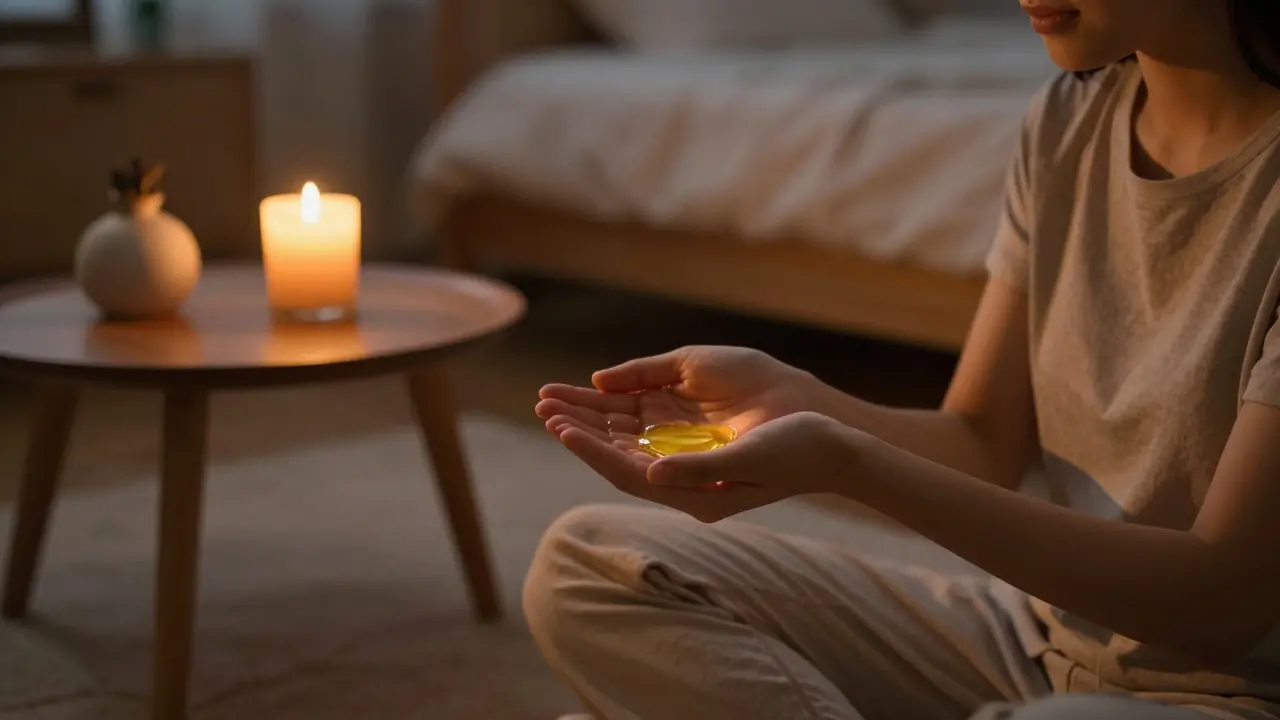
Try this: Light a candle. Warm two tablespoons of jojoba oil between your hands. Rub your palms together slowly. Then, place them over your closed eyes. Just breathe. Hold for 60 seconds. You’ll feel the difference. Not because you did something hard. But because you did something simple-and let yourself feel it.
Building a Ritual, Not Just a Routine
Self-care isn’t about checking boxes. It’s not about doing a 20-minute massage once a month. It’s about creating a ritual that tells your body: you are safe here.
Start small. Pick one night a week. Turn off the lights. Light one candle. Warm a small amount of oil. Don’t even massage yet. Just hold the oil in your hands. Feel its texture. Smell its scent. Let your mind wander. Then, slowly, begin to rub your arms, your neck, your feet. No pressure. No goal. Just presence.
Some people do this before bed. Others do it in the morning, before checking their phone. One woman I spoke to in Perth lights her candle while making tea, then spends five minutes massaging her hands before sipping. She says it’s the only time her mind doesn’t feel like a browser with 17 tabs open.
What to Avoid
Don’t let this become another chore. Don’t buy ten different oils because you think you need variety. One good oil, used consistently, works better than ten fancy ones you never use.
Don’t use essential oils undiluted. They’re powerful. A drop or two in a carrier oil is enough. Too much can irritate skin or even trigger headaches.
Don’t leave candles unattended. Safety isn’t optional. Use a stable holder. Keep it away from curtains or towels. A candle’s job is to create calm, not cause fire.
And don’t wait for a special occasion. You don’t need to be stressed to deserve this. You don’t need to be tired. You don’t need to have paid for a massage. You just need to be human.
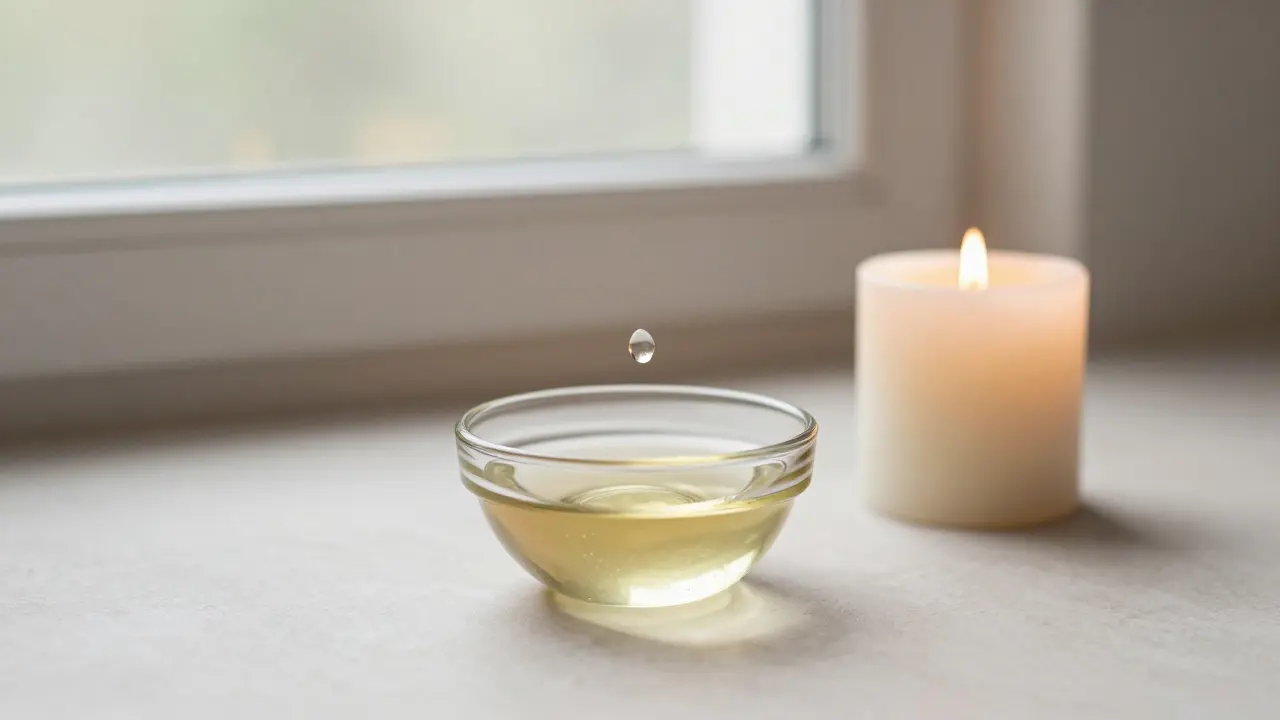
Simple Starter Kit
- Base oil: Jojoba or sweet almond oil (about $15 for 250ml)
- Candle: Unscented soy or beeswax (one 8oz candle lasts 40+ hours)
- Container: A small glass bowl to warm oil in (microwave-safe or use a double boiler)
- Optional: One drop of lavender or chamomile essential oil per tablespoon of base oil
You can build this for under $30. And it lasts months.
Why This Works When Other Self-Care Doesn’t
Most self-care advice tells you to meditate, journal, or take a bath. Those are great. But they’re mental. Massage oil and candlelight? They’re physical. They pull you out of your head and into your body. That’s the key.
Stress lives in your thoughts. But relaxation lives in your skin. When you touch yourself with care-warmth, scent, slow motion-you remind your nervous system that you’re not under attack. You’re held. You’re safe. You’re here.
It’s not about being perfect. It’s about being present. One breath. One touch. One flicker of light.
Can I use any oil for massage?
Not all oils are safe or effective. Avoid mineral oil, vegetable oil, or anything with added chemicals. Stick with cold-pressed, unrefined oils like jojoba, sweet almond, or fractionated coconut. These absorb well, don’t clog pores, and nourish skin. If you’re sensitive, test a small amount on your inner wrist first.
Do I need scented candles for relaxation?
No. In fact, unscented candles often work better. Scented candles can overwhelm or trigger allergies. The flickering light alone lowers stress hormones. If you do use scent, choose natural essential oils like lavender or chamomile, and only one drop per tablespoon of oil. Less is more.
How often should I use massage oil and candles?
There’s no rule. Some people use them daily. Others once a week. The goal isn’t frequency-it’s consistency. Even five minutes, three times a week, builds a habit that rewires your stress response over time. Start with one night a week and see how you feel after a month.
Can I use this if I have sensitive skin?
Yes, but be careful. Test any oil on a small patch of skin before full use. Jojoba oil is closest to skin’s natural sebum, so it’s often the gentlest. Avoid citrus oils if you have sensitive skin-they can cause photosensitivity. Always dilute essential oils. If you react, stop and try a different base oil.
Is this only for romantic settings?
No. This practice has nothing to do with romance. It’s about self-touch. You don’t need a partner. You don’t need a date night. This is for anyone who needs to feel grounded. It’s for the single parent, the overworked nurse, the student pulling all-nighters. It’s for you, alone, in your own space, with your own rhythm.