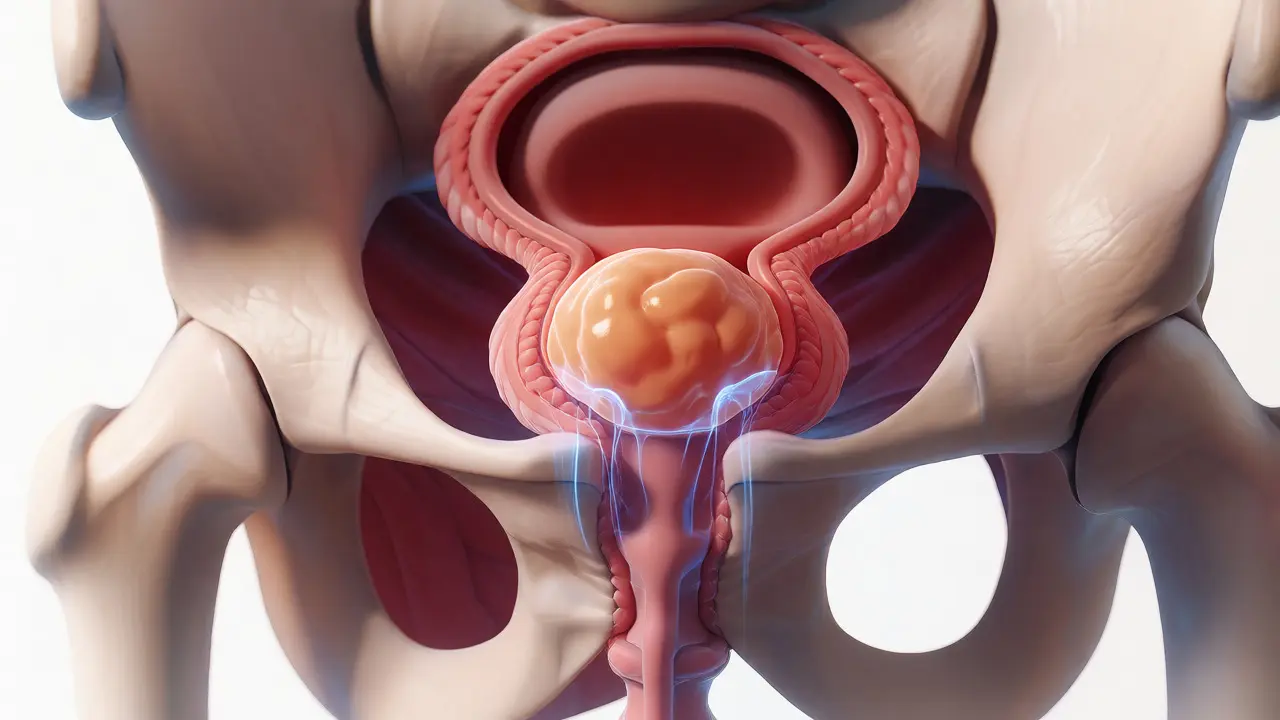
Prenatal Massage: Your Ultimate Stress-Buster During Pregnancy
Pregnancy is a beautiful journey, but let’s be honest-it can also be physically exhausting and emotionally draining. Between the swelling ankles, the constant backaches, and the hormonal rollercoaster, finding moments of genuine peace feels impossible. That’s where prenatal massage comes in. It isn’t just a luxury; for many expecting mothers, it becomes a vital tool for managing discomfort and keeping stress levels in check. But is it actually safe? What should you expect during your first session? And how do you find a therapist who truly understands the unique needs of a pregnant body?
Why Your Body Craves Touch Right Now
When you’re carrying a baby, your body undergoes massive structural changes. Your center of gravity shifts, pulling on your lower back and hips. Your ligaments loosen thanks to a hormone called relaxin, which prepares your pelvis for birth but often leaves joints feeling unstable and achy. Meanwhile, blood volume increases by up to 50%, putting extra strain on your heart and circulatory system.
This physical toll triggers a stress response. Elevated cortisol levels-the primary stress hormone-can impact both your mood and your baby’s development. Here is where touch therapy steps in. Research suggests that regular massage can lower cortisol while boosting serotonin and dopamine, the brain chemicals responsible for happiness and relaxation. It’s not magic; it’s physiology. By manually manipulating soft tissues, a therapist helps reduce muscle tension, improve circulation, and signal to your nervous system that it’s time to downshift from "fight or flight" to "rest and digest."
Is Prenatal Massage Actually Safe?
The short answer is yes, provided you follow specific guidelines. However, timing matters significantly. Most healthcare providers recommend waiting until after the first trimester (12 weeks) before booking a professional session. Why? The first twelve weeks are a critical period for fetal development, and the risk of miscarriage is highest during this window. While there is no definitive evidence that massage causes miscarriage, erring on the side of caution gives you and your partner peace of mind.
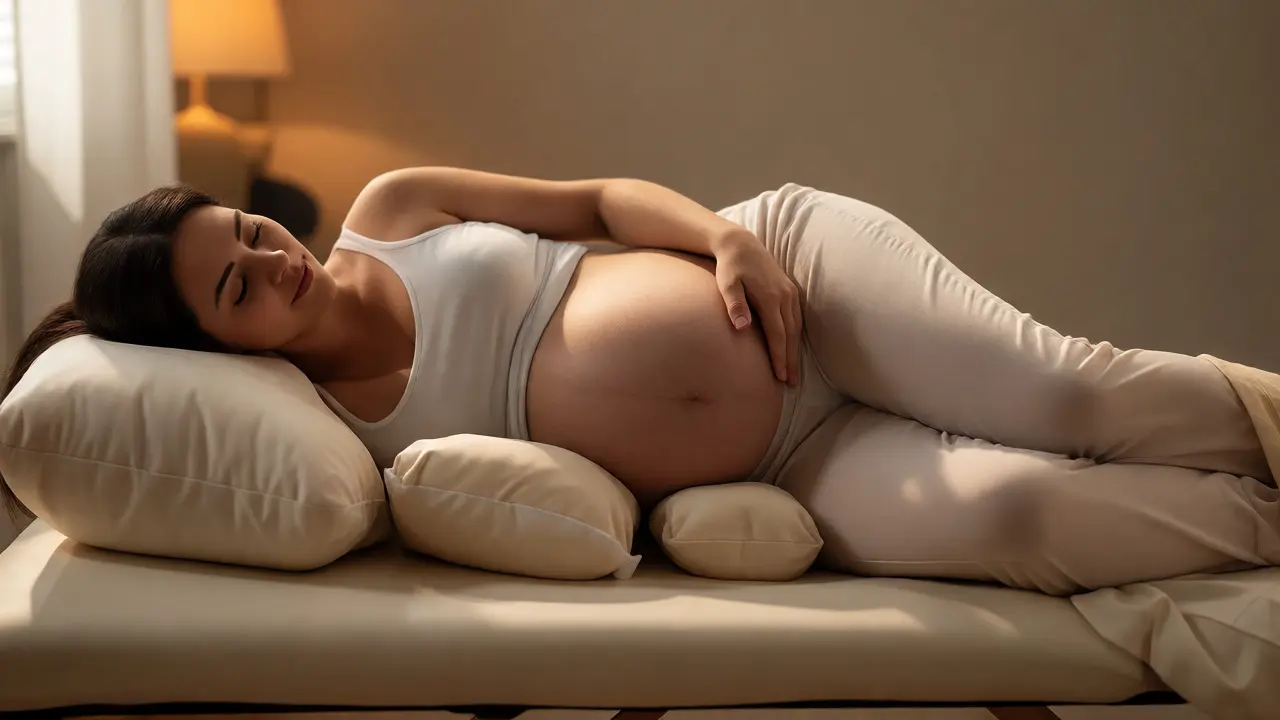
Once you pass that 12-week mark, safety protocols change as your belly grows. The biggest concern for therapists is avoiding deep pressure on certain points that might stimulate uterine contractions. For example, some acupressure points around the ankles and wrists are traditionally avoided in Western practice, though evidence varies. More importantly, positioning is key. Lying flat on your back (supine position) becomes dangerous after 20 weeks because the weight of the uterus can compress the inferior vena cava, a major vein that returns blood to your heart. This can cause dizziness and reduced blood flow to the baby. A qualified prenatal therapist will use specialized bolster pillows to support you in a side-lying position, ensuring you remain comfortable and safe throughout the hour.
| Trimester | Key Physical Changes | Massage Focus | Positioning Notes |
|---|---|---|---|
| First (Weeks 1-12) | Nausea, fatigue, breast tenderness | Gentle relaxation; avoid deep tissue | Side-lying recommended if nausea occurs; wait until week 13 for pro sessions |
| Second (Weeks 13-27) | Energy return, growing belly, round ligament pain | Back pain relief, leg cramps, general stress | Side-lying with bolsters; avoid prone (face down) |
| Third (Weeks 28-40+) | Swelling, hip pain, difficulty sleeping | Lymphatic drainage for edema, pelvic alignment | Strictly side-lying; frequent repositioning needed |
What Happens During a Session?
If you’ve never had one, you might picture a spa setting with scented candles and hot oil. While many clinics offer that vibe, clinical prenatal massage can look quite different. You won’t necessarily be fully undressed. Most therapists ask you to wear loose clothing or provide draping sheets so you feel modest and secure.
The session usually begins with a consultation. Be ready to discuss your medical history. Do you have high blood pressure (preeclampsia)? Are you carrying twins? Have you experienced any bleeding? These details dictate the pressure and techniques used. Once you’re settled on the table-usually supported by U-shaped cushions or multiple firm pillows-the therapist focuses on areas of tension.
You’ll likely notice they spend significant time on your lower back, glutes, and shoulders. These areas bear the brunt of your shifting weight. They may also work on your legs to help with circulation and reduce the risk of varicose veins or swelling (edema). Unlike standard Swedish massage, which might include vigorous kneading, prenatal work is generally slower and more rhythmic. The goal is relaxation and fluid movement, not breaking up deep knots aggressively, which could trigger inflammation.
Benefits Beyond Just Feeling Good
It’s easy to dismiss massage as purely indulgent, but the physiological benefits are well-documented. Let’s break down what you actually gain from regular sessions:
- Reduced Anxiety and Depression: A study published in the *Journal of Clinical Psychology* found that women who received regular massages reported significantly lower levels of anxiety and depression compared to those who didn’t. Better mental health leads to better sleep, which is crucial when you’re waking up every two hours to pee.
- Pain Management: Sciatica and lower back pain affect nearly 70% of pregnant women. Massage helps release tight muscles that pull on the spine, providing immediate, non-pharmaceutical relief.
- Improved Circulation: Enhanced blood flow means better oxygen and nutrient delivery to the placenta. This supports fetal growth and helps clear metabolic waste products from your own system.
- Better Sleep Quality: Many women struggle with insomnia due to discomfort. The relaxation response triggered by massage can help reset your circadian rhythm, making it easier to fall asleep and stay asleep.
Finding the Right Therapist
Not all massage therapists are created equal when it comes to pregnancy. You need someone certified specifically in prenatal care. In Australia, look for practitioners registered with reputable bodies like the Australian Association of Massage Therapists (AAMT) who list "pregnancy" as a specialty. Don’t hesitate to ask questions before booking. Ask them: "How do you handle clients past 30 weeks?" or "Are you trained in lymphatic drainage for swelling?"
A good therapist will listen to your feedback. If something feels too intense, speak up. Your comfort is paramount. Also, consider the environment. Is the room warm enough? Pregnant women often run hotter than usual, but drafts can make you shiver once you stop moving. A dedicated prenatal clinic will have adjustable tables and plenty of padding. Avoid spas that try to squeeze you into a face-down cradle unless you are very early in your second trimester and explicitly comfortable with it.

DIY Techniques for Home Relief
You don’t always need a professional appointment to get relief. Simple home adjustments can mimic some benefits. Partner massages are great for bonding and helping with lower back tension. Use a tennis ball against a wall to gently roll out tight shoulder blades. Warm baths with Epsom salts can soothe sore muscles, but keep the water temperature moderate-avoid hot tubs or extremely hot baths, as raising your core body temperature too high can be risky, especially in the first trimester.
Stretching is another powerful tool. Gentle cat-cow stretches on hands and knees can relieve spinal pressure. Pelvic tilts help strengthen the core without straining the abdominal muscles. Remember, the goal at home is maintenance, not deep therapeutic work. Save the intensive manipulation for your certified professional.
When to Skip the Appointment
While beneficial for most, prenatal massage isn’t suitable for everyone. You should postpone your session if you experience any of the following red flags:
- High Risk Pregnancy: If you have preeclampsia, severe hypertension, or a history of preterm labor, consult your obstetrician first.
- Placenta Previa: If the placenta covers the cervix, deep pressure or certain positions might be contraindicated.
- Active Bleeding or Cramping: Any sign of distress requires rest and medical evaluation, not a massage table.
- Infection or Fever: Your body needs energy to fight illness; adding physical stimulation might overtax your system.
Always prioritize your doctor’s advice over general wellness trends. If your OB-GYN says no, then no it is.
Can prenatal massage induce labor?
There is anecdotal evidence suggesting that massage, particularly near the end of pregnancy, might help prepare the body for labor by relaxing muscles and reducing stress hormones. However, scientific studies are mixed. Some small trials show a link between regular massage and shorter labors, but it is not a guaranteed method to start contractions immediately. It is best viewed as a preparation tool rather than an induction technique.
How often should I get a prenatal massage?
Frequency depends on your budget and physical needs. Many women benefit from monthly sessions during the second trimester and bi-weekly sessions in the third trimester when discomfort peaks. Consistency is more effective than sporadic, long sessions. Even one session per month can provide cumulative benefits for stress and pain management.
Is it safe to have a foot massage while pregnant?
Yes, foot massage is generally safe and highly beneficial for reducing swelling and improving circulation. However, avoid deep pressure on specific reflexology points believed to stimulate the uterus (such as SP6 on the inner ankle) unless your therapist is trained in prenatal precautions. Gentle stroking and light kneading are perfectly fine and soothing.
What oils are safe for pregnancy massage?
Stick to neutral, unscented carrier oils like jojoba, coconut, or almond oil. Essential oils require caution. Peppermint, rosemary, and clary sage are often debated; some sources say they are safe in low concentrations, while others advise avoiding them entirely, especially in the first trimester. Always patch-test new products and inform your therapist of any allergies or sensitivities.
Can my partner give me a massage instead of a professional?
Absolutely. Partner massages are excellent for bonding and addressing specific pain points like the lower back or feet. Just ensure your partner uses gentle pressure and avoids lying you flat on your back after 20 weeks. They don’t need technical certification, but they should listen to your cues about comfort and intensity.