Percussion Massage Benefits: Recovery, Pain Relief & Muscle Health
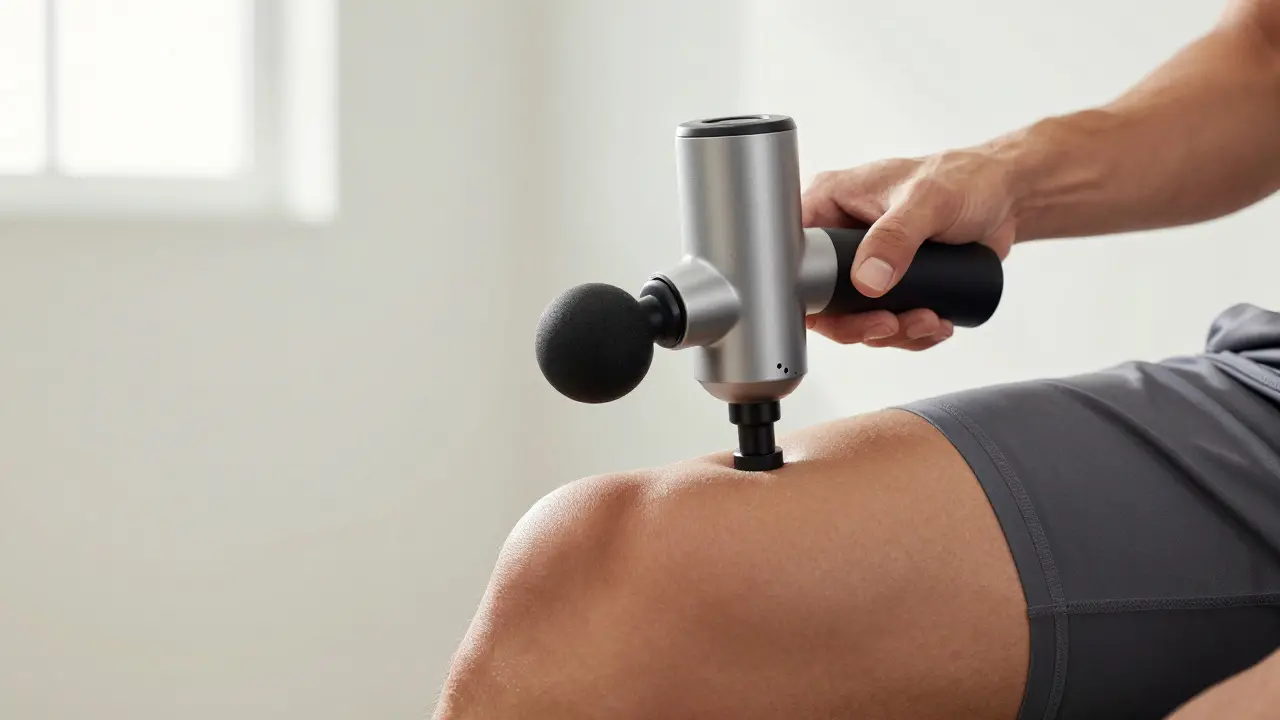
Imagine finishing a grueling leg day at the gym. Your quadriceps are screaming, your hamstrings feel like concrete, and every step sends a jolt of discomfort up your spine. You could ice them, stretch until you’re cramped, or reach for that handheld device buzzing on your desk-the percussion massage is a therapeutic technique using rapid, targeted bursts of pressure to stimulate soft tissue. Known also as percussive therapy, it has moved from elite locker rooms to everyday homes in just five years. But does it actually work, or is it just another wellness trend? The answer lies in how these rapid pulses interact with your nervous system and muscle fibers.
What Is Percussion Massage?
Percussion massage isn’t new. Traditional therapists have used their fists or specialized tools for decades to deliver rhythmic strikes to muscles. What’s changed is the technology. Modern devices, often called massage guns are battery-powered handheld devices that deliver automated percussive therapy. These machines use an internal motor to drive a plunger back and forth at speeds ranging from 1,600 to 3,200 strokes per minute. That’s faster than any human hand can manage.
The mechanism is simple but effective. The device applies direct pressure to specific areas while delivering rapid impacts. This combination helps break up adhesions-those sticky bands of tissue that form after injury or overuse. Unlike deep tissue massage, which relies on slow, sustained pressure, percussion uses speed and frequency to create change. Think of it like shaking loose dirt from a garden hose versus pulling it out strand by strand.
| Feature | Percussion Massage | Deep Tissue Massage | Foam Rolling |
|---|---|---|---|
| Pressure Type | Rapid, repetitive impact | Sustained, slow pressure | Static body weight |
| Speed | 1,600-3,200 strokes/min | Manual pace | User-controlled |
| Target Depth | Up to 8mm into tissue | Variable | Surface to mid-layer |
| Best For | Quick recovery, localized pain | Chronic tension, structural release | Self-myofascial release, warm-up |
How It Works: The Science Behind the Buzz
Your muscles aren’t just bundles of fiber; they’re wrapped in fascia, a connective tissue that can tighten and restrict movement when stressed. When you sit all day or train intensely, this fascia becomes stiff. Percussion massage addresses this through three main pathways.
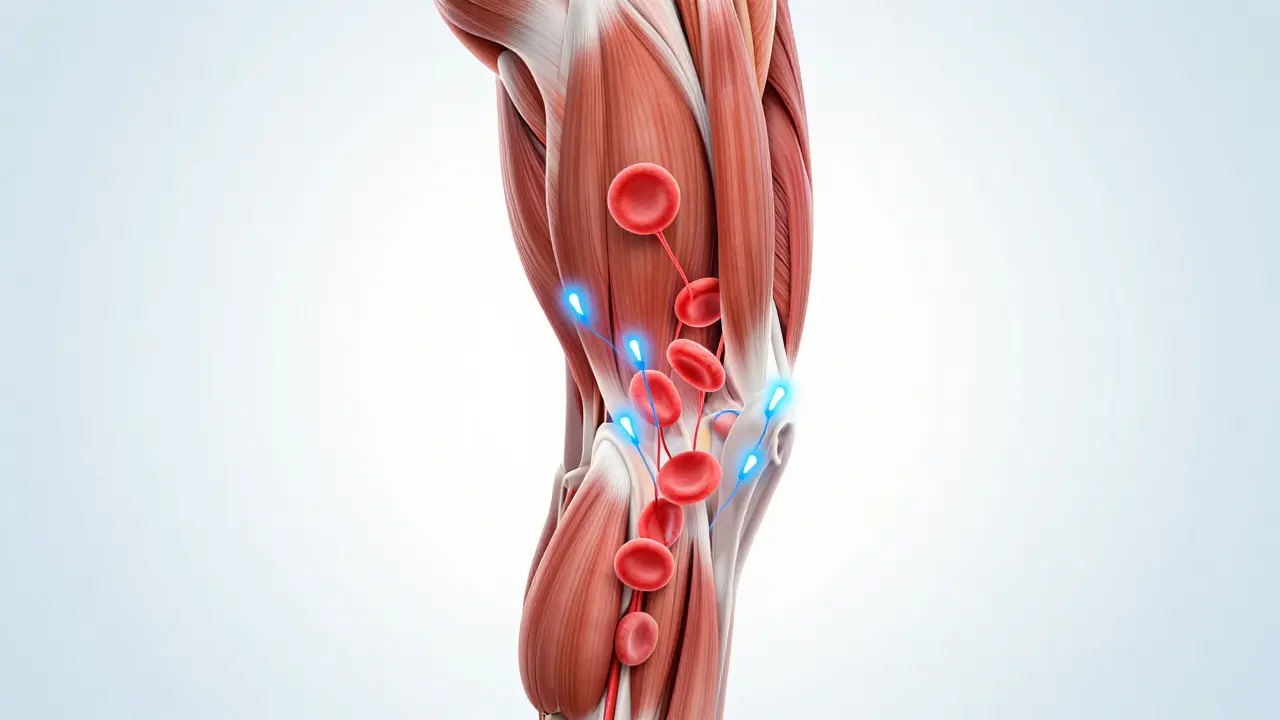
First, it increases blood flow. The rapid contractions act like a pump, pushing oxygen-rich blood into tired tissues. This brings nutrients needed for repair and flushes out metabolic waste products like lactic acid. Second, it stimulates mechanoreceptors-nerve endings that sense touch and pressure. By activating these receptors, you trigger the gate control theory of pain, where non-painful input blocks painful signals from reaching your brain. Finally, it reduces muscle spindle activity. These tiny sensors detect stretch and tension. When overly sensitive, they cause muscles to stay contracted. Percussion calms them down, allowing relaxation.
A study published in the Journal of Sports Medicine found that athletes using percussive devices reported 25% less soreness within 48 hours post-exercise compared to those who rested alone. Another trial showed improved range of motion in shoulders after just ten minutes of daily use. These aren’t magic results-they’re physiological responses to consistent stimulation.
Top Health Benefits You Can Expect
If you’re considering adding percussion massage to your routine, here’s what you’ll likely experience:
- Faster Muscle Recovery: After intense workouts, your muscles need time to rebuild. Percussion accelerates this process by enhancing circulation and reducing inflammation markers. Many runners swear by it before long-distance events to prevent stiffness.
- Pain Reduction: Whether it’s lower back ache from sitting too much or shoulder tightness from lifting kids, targeted percussion can provide immediate relief. The key is focusing on trigger points-those hyperirritable spots in muscle tissue.
- Improved Flexibility: Stiff joints limit performance and increase injury risk. Regular use loosens restricted areas, making stretches more effective. Try it before yoga sessions to notice a difference in depth.
- Better Sleep Quality: Chronic pain disrupts sleep cycles. By easing physical discomfort, many users fall asleep faster and wake feeling refreshed. One survey found 70% of regular users reported better rest patterns.
- Mental Relaxation: The rhythmic vibration triggers parasympathetic nervous system activation-the “rest and digest” mode. It’s not just about muscles; it’s about calming your mind too.
Who Should Use Percussion Massage?
This tool isn’t one-size-fits-all. Some people benefit greatly; others should avoid it entirely. Here’s who falls into each group:
Ideal Users: Athletes, fitness enthusiasts, office workers with sedentary jobs, chronic pain sufferers (with medical clearance), and anyone looking for self-care options between professional treatments. If you lift weights, run marathons, or spend eight hours hunched over a keyboard, percussion massage fits well into your lifestyle.
Use With Caution: People with osteoporosis, blood clotting disorders, open wounds, or recent surgeries should consult a doctor first. Also, avoid bony areas like knees, elbows, and spine directly. Focus on large muscle groups instead-quads, glutes, calves, upper back.
Not Recommended: Pregnant women, individuals with uncontrolled hypertension, or those experiencing acute injuries without diagnosis. In these cases, traditional therapies may be safer and more appropriate.
Choosing the Right Device
With dozens of brands flooding the market, picking the right percussion massager is a decision based on power, battery life, noise level, and attachment variety. Look for these features:
- Amplitude: This measures how deep the head travels into tissue. Aim for at least 10mm for true deep-tissue effect. Lower amplitudes only scratch the surface.
- Stall Force: How much pressure the motor resists before stopping. Higher stall force means better penetration into dense muscle. Test it yourself-if it shuts off under light pressure, skip it.
- Battery Life: At least 60 minutes of continuous use ensures you won’t run out mid-session. Rechargeable lithium-ion batteries last longer than older models.
- Noise Level: Quiet operation matters if you live with roommates or want to relax without distraction. Devices under 50 decibels are nearly silent.
- Attachments: Different heads serve different purposes. A bullet tip targets small knots; a flat head covers broad areas; a fork-shaped head works along the spine safely.
Popular choices include Theragun, Hypervolt, and Bob and Brad. Each offers unique strengths. Theragun leads in amplitude and durability. Hypervolt excels in quiet operation and sleek design. Budget-friendly alternatives like Ekrin or Renpho still deliver solid performance for casual users.
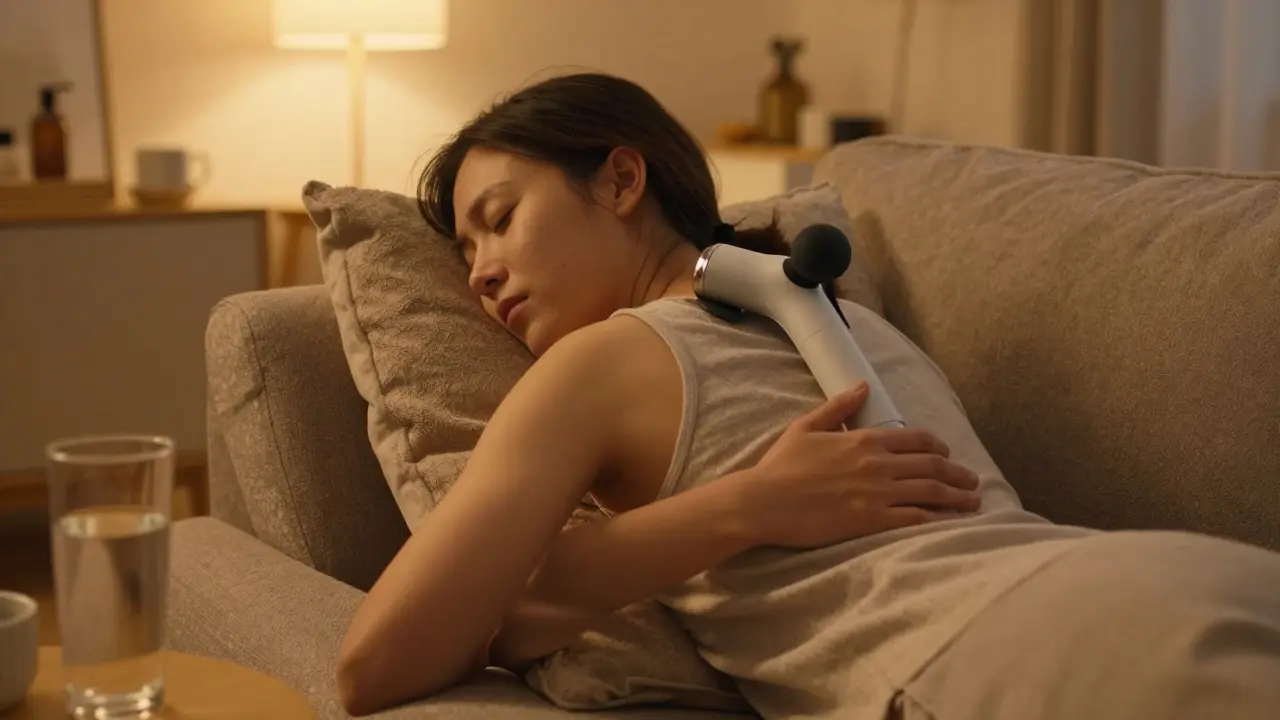
Pro Tips for Safe and Effective Use
Even the best device won’t help if used incorrectly. Follow these guidelines to maximize benefits and minimize risks:
- Start Slow: Begin on low settings for 30 seconds per area. Gradually increase intensity as your body adapts. Don’t rush into high power immediately.
- Move Constantly: Never hold the device in one spot for more than two seconds. Keep it moving slowly across the muscle to prevent bruising or nerve irritation.
- Apply Firm Pressure: Let the device do the work-but press firmly enough to feel resistance. Too little pressure yields no benefit; too much causes damage.
- Avoid Sensitive Areas: Stay away from joints, bones, neck front, abdomen, and face. Stick to fleshy parts like thighs, arms, and back.
- Hydrate First: Dehydrated muscles respond poorly to stimulation. Drink water before and after sessions to support tissue elasticity and toxin removal.
Common Mistakes to Avoid
Many beginners make errors that reduce effectiveness or cause harm. Watch out for these pitfalls:
Overusing the Device: More isn’t always better. Limit sessions to 10-15 minutes per muscle group daily. Overstimulation leads to fatigue rather than recovery.
Ignoring Pain Signals: Discomfort during treatment is normal. Sharp pain, tingling, or numbness means stop immediately. You’re likely hitting a nerve or bone.
Neglecting Warm-Up: Cold muscles don’t respond well to percussion. Always perform gentle dynamic stretches beforehand to prepare tissues.
Expecting Instant Results: While some relief comes quickly, lasting changes require consistency. Use it regularly-not just when something hurts-to build resilience.
Integrating Into Your Routine
To get the most value, weave percussion massage into existing habits. Before workouts, use it to activate muscles and improve mobility. Post-workout, target fatigued zones to speed recovery. During breaks at work, relieve shoulder and neck tension caused by poor posture. Even evenings before bed can enhance sleep quality through relaxation.
Create a schedule. Monday: legs and hips. Wednesday: upper body. Friday: full-body review. Rotate weekly to cover all major groups evenly. Pair it with hydration, nutrition, and adequate rest for optimal outcomes.
Is percussion massage safe for everyone?
No. People with certain conditions like osteoporosis, blood clots, or recent surgery should avoid it unless cleared by a physician. Always check with your healthcare provider if unsure.
Can I use percussion massage on my back?
Yes, but never directly on the spine. Target the muscles beside it-like the erector spinae-with a fork-shaped attachment designed for spinal safety.
How long should each session last?
Limit each muscle group to 10-15 minutes total. Spend no more than 30 seconds on any single point to avoid tissue irritation or bruising.
Does percussion massage replace stretching?
No. They complement each other. Use percussion first to loosen tight tissue, then follow with static stretches for deeper flexibility gains.
Will it hurt when I start?
Mild discomfort is common initially, especially in very tense areas. However, sharp pain indicates improper placement or excessive pressure. Adjust accordingly.