How to Master the Art of Throwing a Rungu: A Complete Guide
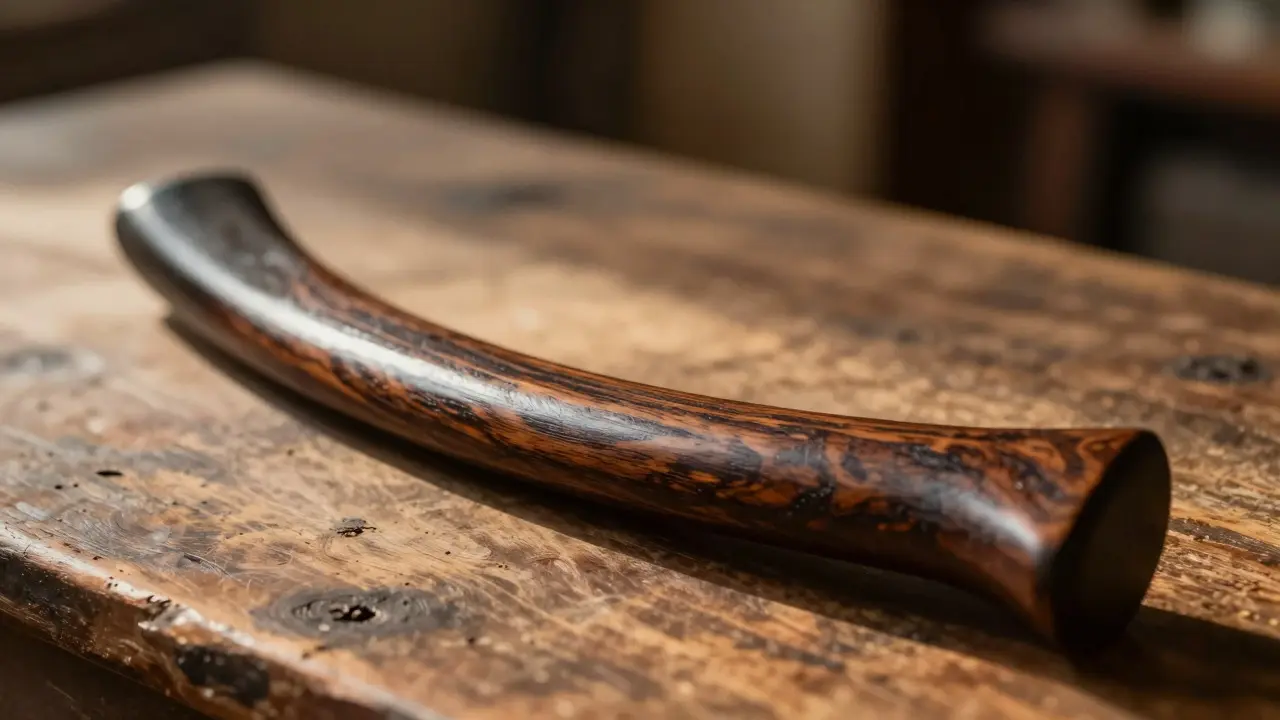
Picture this: you’re holding a short, curved wooden staff. It feels balanced in your hand, almost like an extension of your arm. You spin it once, twice, and then-snap-it flies through the air with precision. This isn’t just a trick; it’s centuries of tradition wrapped into one fluid motion. Welcome to the world of runggu, also known as the Kenyan club or Maasai whip.
If you’ve ever wondered how warriors from East Africa mastered such a deadly yet elegant weapon, you’re not alone. The rungu is more than just a tool for combat-it’s a symbol of culture, discipline, and skill. In this guide, we’ll break down everything you need to know about mastering the art of throwing a rungu. From understanding its history to perfecting your technique, let’s get started.
What Is a Rungu?
A runggu is a traditional African weapon used by various ethnic groups, particularly the Kikuyu people of Kenya. It consists of two parts: a handle and a shorter striking arm connected at a right angle. Unlike swords or spears, the rungu relies on momentum and leverage rather than brute force. Its design makes it versatile-it can be swung like a club, thrown like a boomerang, or even used defensively against larger opponents.
The origins of the rungu date back hundreds of years. Historically, it was used during tribal conflicts and rituals. Today, however, it has found new life as part of modern martial arts practices around the world. Whether you’re interested in learning self-defense, exploring cultural heritage, or simply adding something unique to your fitness routine, the rungu offers endless possibilities.
Why Learn to Throw a Rungu?
You might be asking yourself, “Why bother with such an obscure skill?” Here are some compelling reasons:
- Cultural Connection: Learning the rungu gives you insight into African traditions and their significance.
- Physical Benefits: Practicing throws improves coordination, balance, and upper-body strength.
- Mental Focus: Mastering any martial art requires patience and concentration-qualities that translate well into everyday life.
- Unique Skill Set: Few people know how to use a rungu effectively, making it a standout ability whether for performance or practical purposes.
Plus, there’s nothing quite like the satisfaction of watching your rungu return to your hand after being thrown accurately. Trust me-it’s addictive!
Getting Started: Choosing Your First Rungu
Before diving into techniques, you’ll need the right equipment. Not all rungus are created equal, so here’s what to look for:
- Material: Opt for hardwoods like hickory, oak, or bamboo. These materials provide durability while remaining lightweight enough for easy handling.
- Size: Beginners should start with smaller models (around 18-24 inches). Larger rungus require more experience to control properly.
- Weight Distribution: Ensure the weight is evenly distributed between the handle and striking arm. An unbalanced rungu will feel awkward when spinning or throwing.
Once you have your rungu, take time to familiarize yourself with its shape and grip. Hold it firmly but comfortably-you don’t want tension interfering with your movements later on.
Basic Techniques Every Beginner Should Know
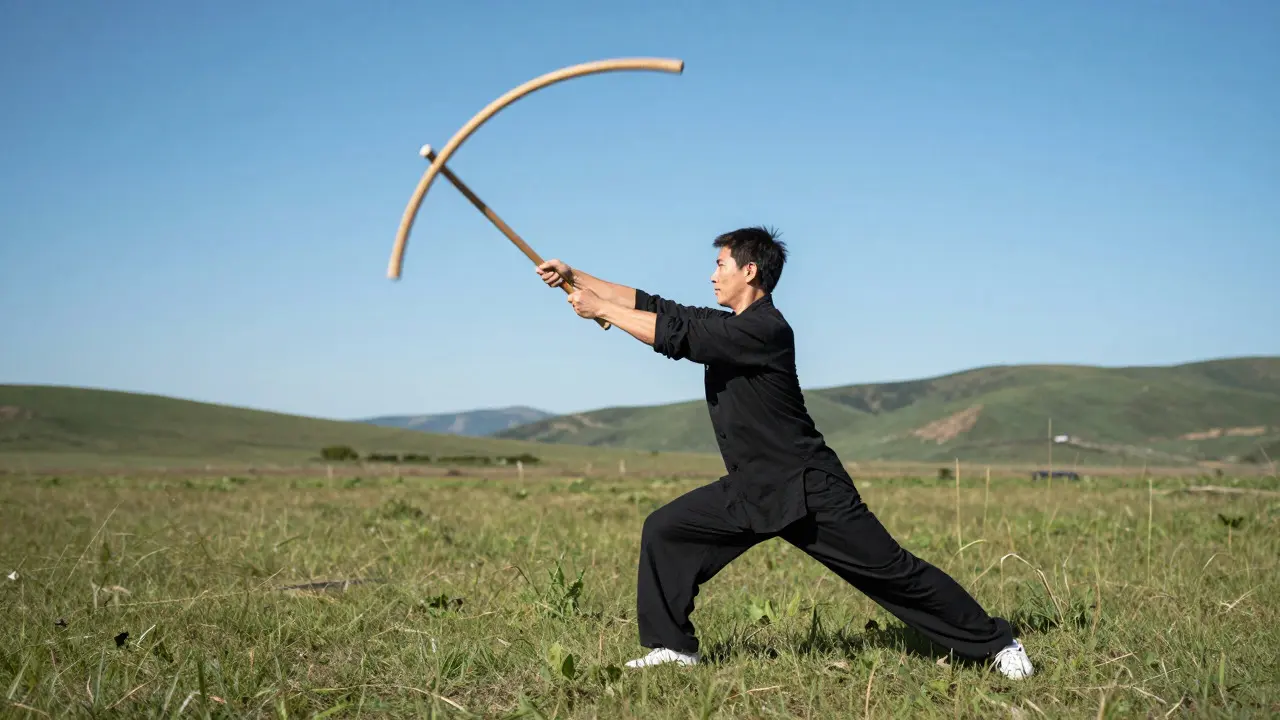
Mastering the art of throwing a rungu starts with mastering the basics. Let’s walk through three fundamental skills:
1. Proper Grip
Your grip determines how smoothly you can manipulate the rungu. Place your dominant hand near the base of the handle, wrapping your fingers securely around it. Keep your thumb aligned along the top edge for added stability. Avoid gripping too tightly; flexibility allows better control during spins and throws.
2. Spinning Motion
Spinning builds muscle memory and helps you understand the physics behind the rungu’s movement. Start slow: rotate the rungu clockwise using small circular motions. Gradually increase speed until you achieve consistent rotations without dropping it. Practice both clockwise and counterclockwise directions to develop ambidexterity.
3. Basic Throw
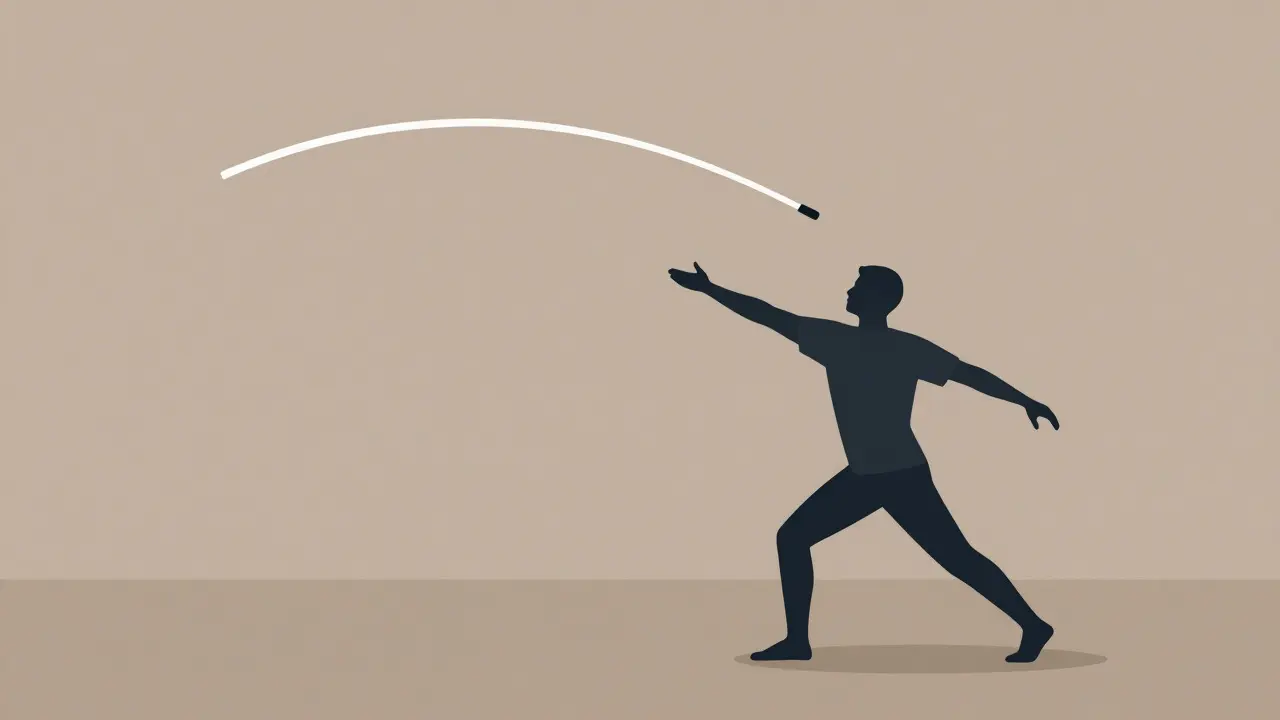
To throw a rungu successfully, focus on timing and release point. Stand sideways relative to your target, hold the rungu horizontally, and swing it forward in an arc. Release slightly before reaching full extension to allow the rungu to stabilize mid-air. Aim low initially to build confidence before attempting higher trajectories.
Advanced Tips for Precision Throws
Once you’ve mastered the fundamentals, it’s time to refine your technique. Here are some advanced tips to elevate your game:
- Eye Contact: Maintain visual contact with your target throughout the entire motion. Losing sight of where you’re aiming reduces accuracy significantly.
- Footwork Matters: Position your feet shoulder-width apart for balance. Shift your weight subtly as you prepare to throw, ensuring maximum power transfer.
- Follow Through: After releasing the rungu, continue moving your arm naturally instead of stopping abruptly. This ensures smoother energy distribution.
- Practice Consistently: Dedicate at least 15 minutes daily to practice. Repetition breeds mastery, especially with complex weapons like the rungu.
Pro tip: Record videos of your sessions to analyze areas for improvement. Watching yourself in action reveals mistakes you might otherwise miss.
Safety Precautions When Handling a Rungu
While the rungu may seem harmless compared to firearms or knives, improper handling can still lead to injuries. Follow these safety guidelines:
- Always practice in open spaces free of obstacles.
- Wear protective gear if necessary, such as gloves or helmets.
- Keep bystanders at a safe distance during drills.
- Inspect your rungu regularly for cracks or wear-and-tear signs.
Remember, respect goes hand-in-hand with proficiency. Treat the rungu responsibly, and it will reward you with countless hours of enjoyment.
Common Mistakes to Avoid
Even seasoned practitioners make errors occasionally. Be aware of these common pitfalls:
- Gripping too tightly, which restricts fluid motion.
- Throwing prematurely without proper alignment.
- Neglecting foot positioning, leading to instability.
- Overthinking each step instead of trusting instinctual responses.
If you notice recurring issues, consider seeking guidance from experienced instructors online or locally. Feedback accelerates progress exponentially.
Incorporating Rungu Training Into Daily Life
Integrating rungu exercises into your daily routine doesn’t mean dedicating hours every day. Short bursts of focused practice yield significant results over time. For instance:
- Use breaks between work tasks to perform quick spinning drills.
- Challenge friends or family members to friendly competitions involving basic throws.
- Combine rungu workouts with other forms of exercise, such as yoga or cardio, for holistic development.
Consistency trumps intensity when building long-term expertise. Small efforts compound beautifully!
Exploring Further Resources
Want to deepen your knowledge beyond this article? Consider exploring additional resources tailored specifically to rungu enthusiasts:
- Online tutorials featuring step-by-step demonstrations.
- Books detailing historical contexts and advanced strategies.
- Local clubs offering hands-on classes led by certified trainers.
Engaging with communities passionate about similar interests enriches your journey immensely. Share experiences, exchange advice, and celebrate achievements together!
Is the rungu difficult to learn?
Not necessarily! While initial attempts may feel clumsy, persistence pays off quickly. Most beginners see noticeable improvements within weeks of regular practice.
Can anyone use a rungu regardless of age or gender?
Absolutely! Age and gender play minimal roles in determining success. What matters most is dedication and willingness to adapt techniques according to individual capabilities.
Where can I buy a quality rungu?
Specialty stores catering to martial artists often carry authentic rungus made from premium woods. Online marketplaces also offer affordable options suitable for beginners.
Are there competitions dedicated to rungu throwing?
Yes! Several international events showcase talent across categories ranging from accuracy challenges to freestyle performances. Participating boosts motivation and connects you with fellow enthusiasts globally.
How does the rungu compare to other traditional weapons?
Unlike straight-edged blades, the rungu emphasizes rotational dynamics and surprise attacks. Its compact size makes it ideal for close-quarters scenarios where stealth matters greatly.