How Ortho-Bionomy Can Improve Your Well-being: A Complete Guide
Have you ever noticed that when you’re stressed, your shoulders creep up toward your ears? Or maybe your jaw clenches so hard it aches by the end of the day? We often think of pain as something that happens *to* us-an injury, a bad posture habit, or just getting older. But what if your body is actually trying to tell you something? What if those physical sensations are signals from a system that’s out of sync?
This is where Ortho-Bionomy comes in. It isn’t a massage in the traditional sense, and it certainly isn’t about cracking bones or forcing muscles to relax through pressure. Instead, it’s a gentle, hands-on approach that works with your body’s natural intelligence to restore balance. Developed in Australia during the 1980s by Gerald Easson, this method relies on simple principles of anatomy and physiology to help you feel better, move easier, and live more comfortably.
What Exactly Is Ortho-Bionomy?
To understand how this practice improves well-being, we first need to strip away the mysticism. Ortho-Bionomy is not magic; it’s biology. At its core, it is a system of gentle touch and movement designed to enhance body awareness. The word itself breaks down into two parts: “ortho,” meaning correct or straight, and “bionomy,” which refers to the laws of life. Put together, it suggests a way of living that aligns with the natural design of the human body.
The technique was created by Gerald Easson, an Australian teacher and researcher who studied under various masters of bodywork, including Rolfing and Feldenkrais. He combined these influences with his own observations about how people hold tension. Unlike deep tissue massage, which applies force to break up knots, Ortho-Bionomy uses minimal pressure-often just the weight of a hand-to invite the body to release unnecessary effort. Think of it less like fixing a broken machine and more like tuning a piano string until it rings true.
The central philosophy here is that the body has an innate ability to heal and organize itself. When we experience stress, trauma, or repetitive strain, we develop habitual patterns of holding ourselves in ways that create imbalance. Over time, these imbalances lead to pain, restricted movement, and fatigue. Ortho-Bionomy helps interrupt these patterns by providing feedback to the nervous system, allowing the body to find a new, more efficient state of ease.
The Core Principles: How Gentle Touch Creates Change
You might wonder how such light touch can make any difference at all. After all, if you have a tight hamstring, wouldn’t you want someone to stretch it forcefully? Surprisingly, no. Forceful stretching often triggers the stretch reflex, causing the muscle to contract even harder to protect itself. This is known as the myotatic reflex, and it’s why aggressive manipulation can sometimes make pain worse rather than better.
Ortho-Bionomy avoids this trap by using three key principles:
- Reciprocal Inhibition: This is a neurological principle where contracting one muscle causes its opposing muscle to relax. For example, if you gently flex your knee (contracting the hamstrings), the quadriceps naturally relax. Therapists use this to guide the body into relaxation without fighting against resistance.
- Proprioceptive Input: Our bodies are full of sensors called proprioceptors that tell our brain where our limbs are in space. By applying gentle, specific touches, therapists send clear signals to the brain, helping it recalibrate its map of the body. This improved "body map" allows for smoother, more coordinated movement.
- Gravity and Support: Much of the work involves positioning the body so that gravity supports rather than pulls against it. Lying on a treatment table, you might be guided into positions that unload joints and allow tissues to settle into their most neutral alignment.
These principles work together to reduce the workload on your muscles and joints. Instead of exerting energy to hold yourself upright against gravity or stress, your body learns to rest efficiently. The result is a profound sense of relief that often feels surprisingly deep despite the gentleness of the touch.
Benefits Beyond Pain Relief
While many people seek out Ortho-Bionomy for back pain, neck stiffness, or joint issues, the benefits extend far beyond symptom management. Because the practice focuses on restoring overall balance and awareness, it impacts several areas of well-being:
| Benefit Area | How It Helps | Long-Term Impact |
|---|---|---|
| Musculoskeletal Health | Reduces tension in muscles and ligaments; improves joint mobility. | Fewer chronic injuries; greater ease in daily activities like walking or lifting. |
| Nervous System Regulation | Activates the parasympathetic nervous system (rest-and-digest mode). | Lower baseline stress levels; improved sleep quality and emotional resilience. |
| Body Awareness | Enhances proprioception and kinesthetic sense. | Better posture habits; earlier detection of discomfort before it becomes pain. |
| Emotional Release | Physical tension often holds emotional stress; releasing it can trigger catharsis. | Greater emotional clarity; reduced feelings of anxiety or overwhelm. |
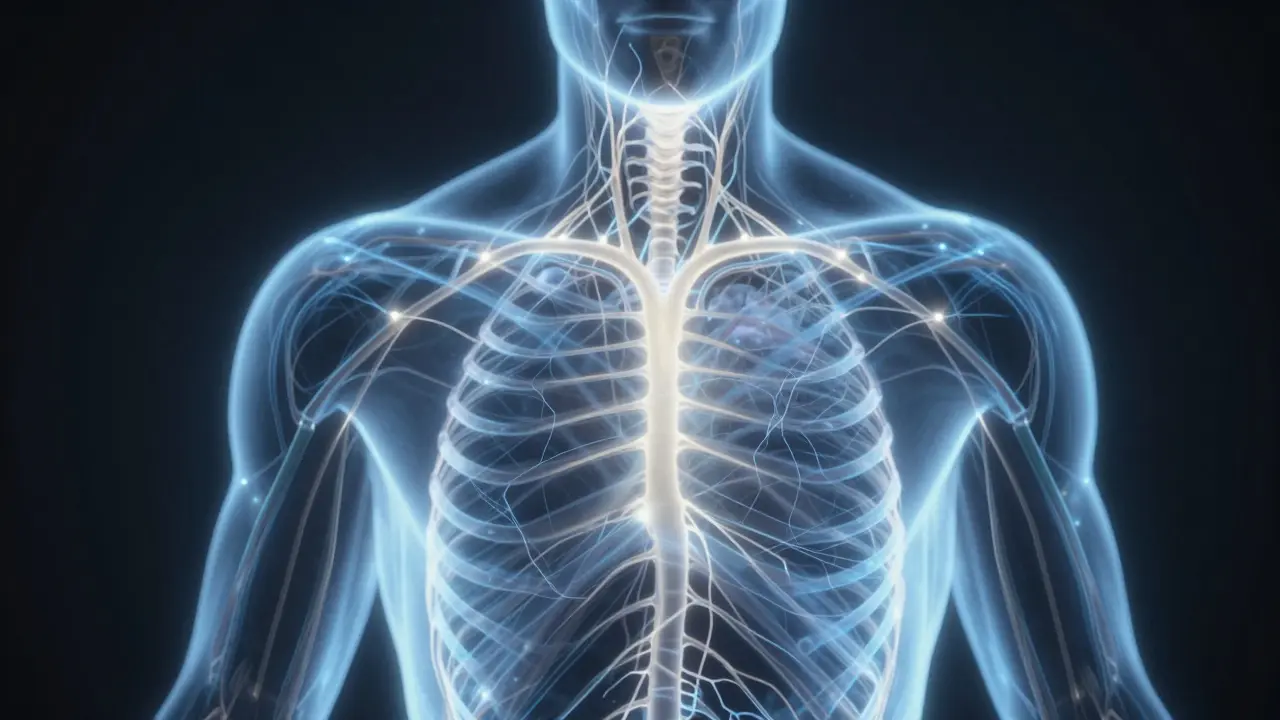
One of the most powerful aspects of Ortho-Bionomy is its effect on the nervous system. Modern life keeps many of us in a constant state of low-grade fight-or-flight activation. Our muscles stay braced, our breathing stays shallow, and our minds race. The gentle, rhythmic nature of an Ortho-Bionomy session sends a clear signal to the brain that you are safe. This shifts the body into the parasympathetic state, where healing and restoration occur. Many clients report falling asleep during sessions, not because they are tired, but because their nervous system finally allows them to let go.
Self-Ortho-Bionomy: Taking Control of Your Own Care
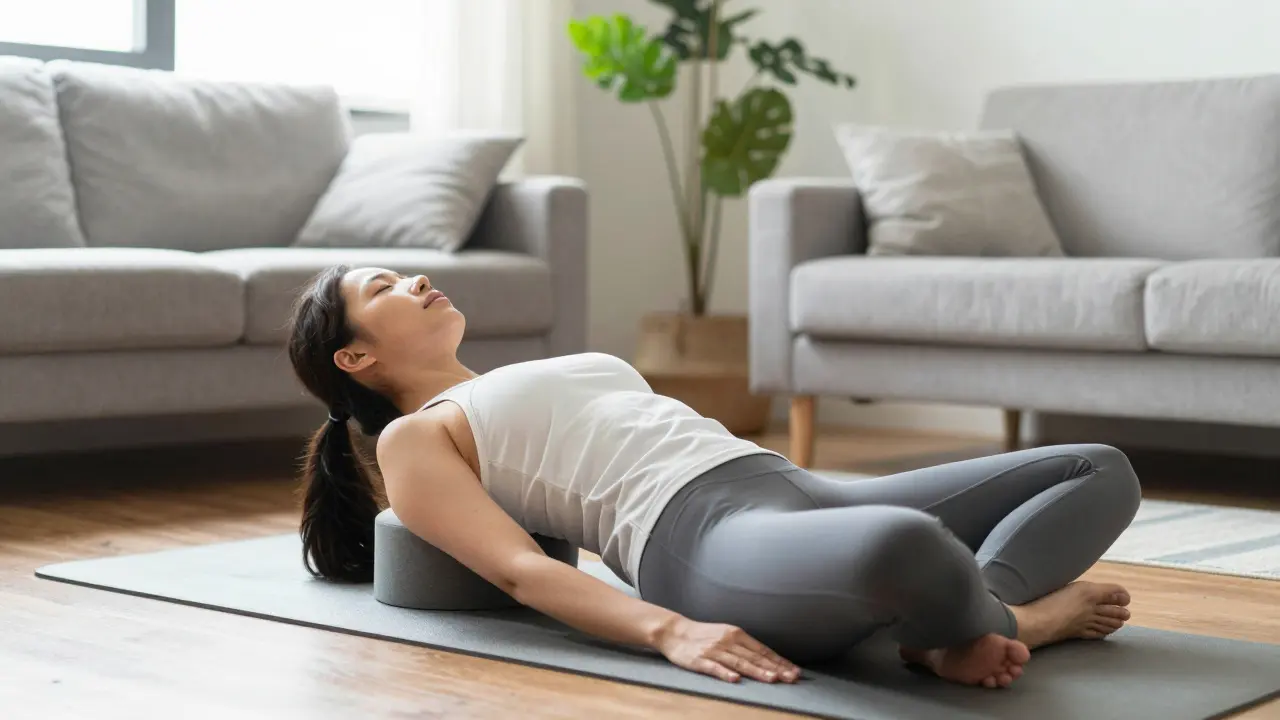
Perhaps the most empowering aspect of this discipline is that you don’t need a therapist to benefit from it. Gerald Easson designed the system to be easily learned and applied by individuals. This branch, known as Self-Ortho-Bionomy, gives you tools to manage your own well-being throughout the day.
Imagine you’ve been sitting at a desk for six hours. Your lower back is stiff, and your neck feels locked. Instead of reaching for painkillers or waiting for a weekly massage, you can use a few simple Ortho-Bionomy techniques:
- The Pelvic Tilt: Lie on your back with knees bent. Gently rock your pelvis forward and backward, feeling the curve of your lower spine change. Notice where the movement feels easiest and hardest. Then, simply rest in the position that feels most supported. This small action releases tension in the psoas and lumbar spine.
- Shoulder Rolls with Awareness: Instead of rolling your shoulders mechanically, bring attention to the sensation of your shoulder blades moving along your ribcage. Imagine your arms are heavy ropes hanging from your shoulders. Let gravity do the work, and notice how much lighter your upper back feels.
- Jaw Relaxation: Place a finger gently on your jaw hinge. Open and close your mouth slowly, noticing any clicking or resistance. Then, imagine your tongue resting lightly on the roof of your mouth, allowing the jaw to drop open slightly. This subtle cue can relieve significant tension in the temporomandibular joint (TMJ).
These exercises aren’t about achieving a perfect form; they’re about cultivating curiosity. By asking your body questions-“Where does this feel tight?” “What happens if I breathe here?”-you begin to listen to its answers. Over time, this heightened awareness prevents minor discomforts from becoming major problems.
Who Should Consider Ortho-Bionomy?
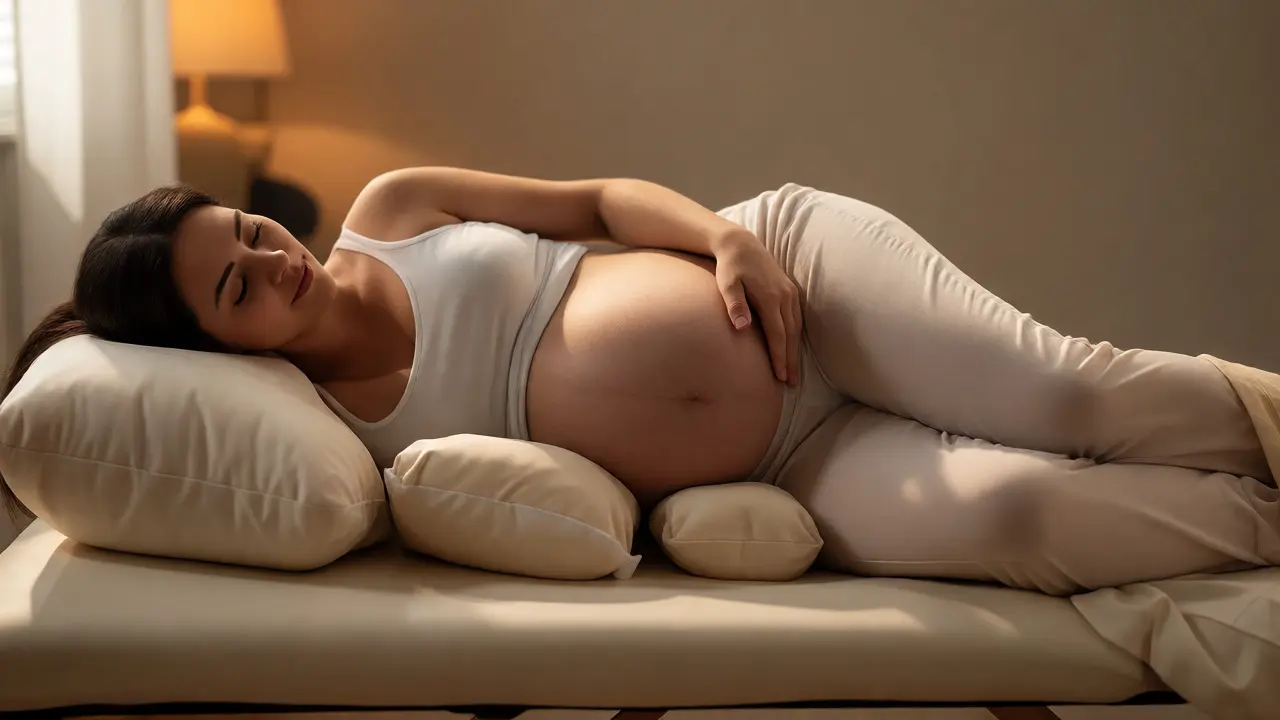
Ortho-Bionomy is remarkably versatile. It’s suitable for almost anyone, regardless of age or fitness level. Because it uses such gentle pressure, it’s ideal for people who find deep tissue massage too painful or intimidating. Elderly individuals, pregnant women, and those recovering from surgery often find it particularly comforting.
It’s also excellent for high-performers. Athletes, musicians, and dancers use Ortho-Bionomy to maintain peak performance without overworking their bodies. By improving efficiency of movement, they can train harder while reducing the risk of injury. For instance, a pianist might use self-techniques to release tension in the wrists and forearms, allowing for smoother playing and longer practice sessions.
However, it’s important to note that Ortho-Bionomy is complementary, not a replacement for medical care. If you have acute trauma, fractures, or serious underlying conditions, consult a healthcare provider first. That said, for chronic pain, stress-related tension, and general maintenance, it offers a safe and effective option.
Finding a Qualified Practitioner
If you decide to try professional sessions, look for certified practitioners. In Australia, the primary organization is the Australian Association of Ortho-Bionomy (AAOB). They maintain standards for training and ethical practice. Internationally, check for certifications from recognized bodies like the International Ortho-Bionomy Federation.
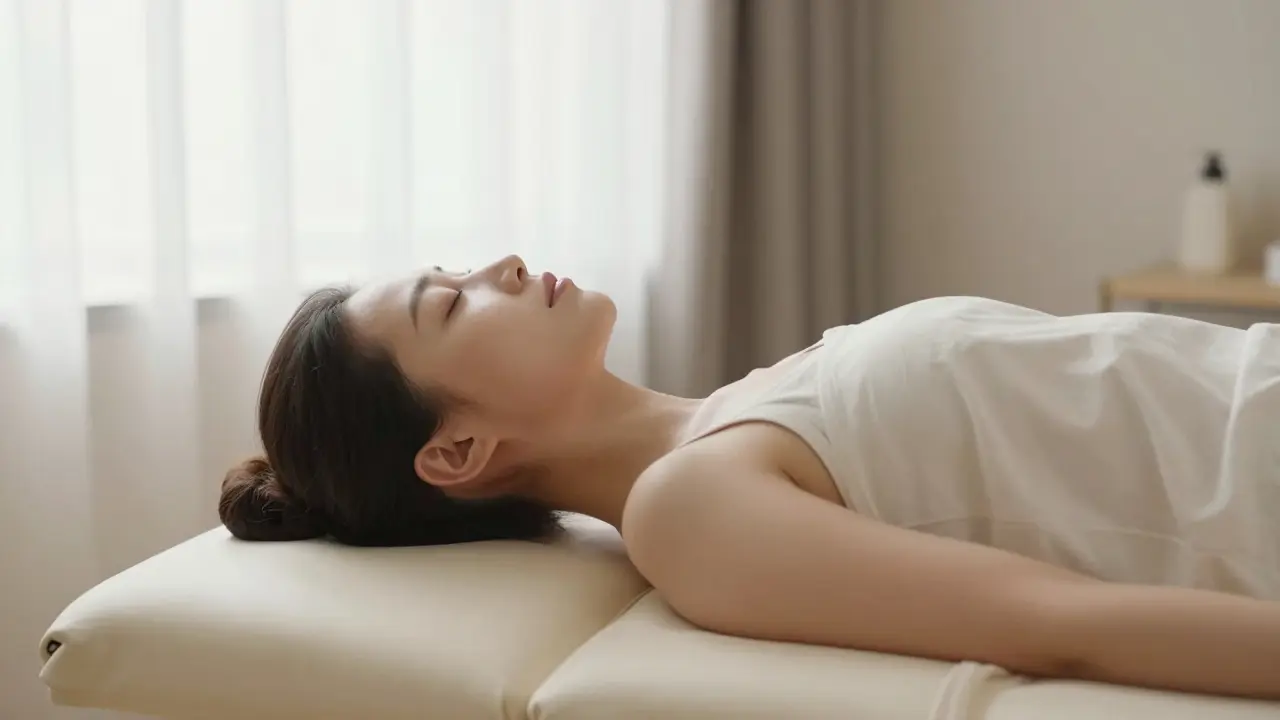
A good session typically lasts 60 to 90 minutes. You’ll lie fully clothed on a comfortable table. The therapist will guide you through a series of movements and positions, talking you through each step. There’s no rubbing, kneading, or oil involved. Instead, expect quiet conversation, gentle guidance, and plenty of time for integration. Many people find the silence and stillness of the session as therapeutic as the physical work itself.
Integrating Ortho-Bionomy Into Daily Life
The real transformation happens between sessions. How you carry yourself after learning these principles matters more than the hour spent on the table. Start by incorporating micro-pauses into your day. Every time you stand up from your chair, take three conscious breaths. Feel your feet on the floor. Notice if your shoulders are hunched. Gently lower them. These tiny moments of awareness accumulate, creating a cumulative effect on your health.
You can also combine Ortho-Bionomy with other practices. Yoga students often find that Ortho-Bionomy enhances their practice by opening up restrictions they couldn’t reach through poses alone. Meditation benefits from the increased body awareness, making it easier to anchor attention in the present moment. Even simple activities like walking become richer experiences when you pay attention to the rhythm of your steps and the swing of your arms.
Ultimately, Ortho-Bionomy teaches us that well-being isn’t something we achieve once and then forget. It’s a continuous process of listening, adjusting, and caring for the vessel that carries us through life. By embracing its gentle wisdom, you give yourself permission to slow down, to feel deeply, and to move with grace. And in a world that constantly demands more, that permission might be the greatest gift you can give yourself.
Is Ortho-Bionomy safe for everyone?
Yes, Ortho-Bionomy is generally very safe due to its gentle nature. It uses minimal pressure and avoids forceful manipulation. However, individuals with acute injuries, fractures, severe osteoporosis, or certain medical conditions should consult their doctor before starting. Pregnant women often find it beneficial but should inform their practitioner of their pregnancy status.
How many sessions do I need to see results?
Many people feel immediate relief after just one session, especially regarding stress and tension. For chronic issues, a series of 3-6 sessions spaced a week apart is common. Long-term benefits depend heavily on practicing Self-Ortho-Bionomy techniques regularly at home.
Do I need to remove my clothes for a session?
No, you remain fully clothed during an Ortho-Bionomy session. Comfortable, loose-fitting clothing is recommended to allow free movement. No oils or lotions are used, distinguishing it from traditional massage therapies.
Can Ortho-Bionomy help with emotional stress?
Absolutely. Physical tension and emotional stress are closely linked. By releasing physical holding patterns, Ortho-Bionomy can facilitate emotional release. Clients often report feeling calmer, clearer, and more emotionally balanced after sessions.
Where can I learn Self-Ortho-Bionomy?
You can learn through workshops offered by certified practitioners or via online courses. The Australian Association of Ortho-Bionomy provides directories of teachers. Books written by Gerald Easson and other experts also offer detailed guides for self-practice.