Head and Scalp Massage: Relieve Tension Headaches Naturally
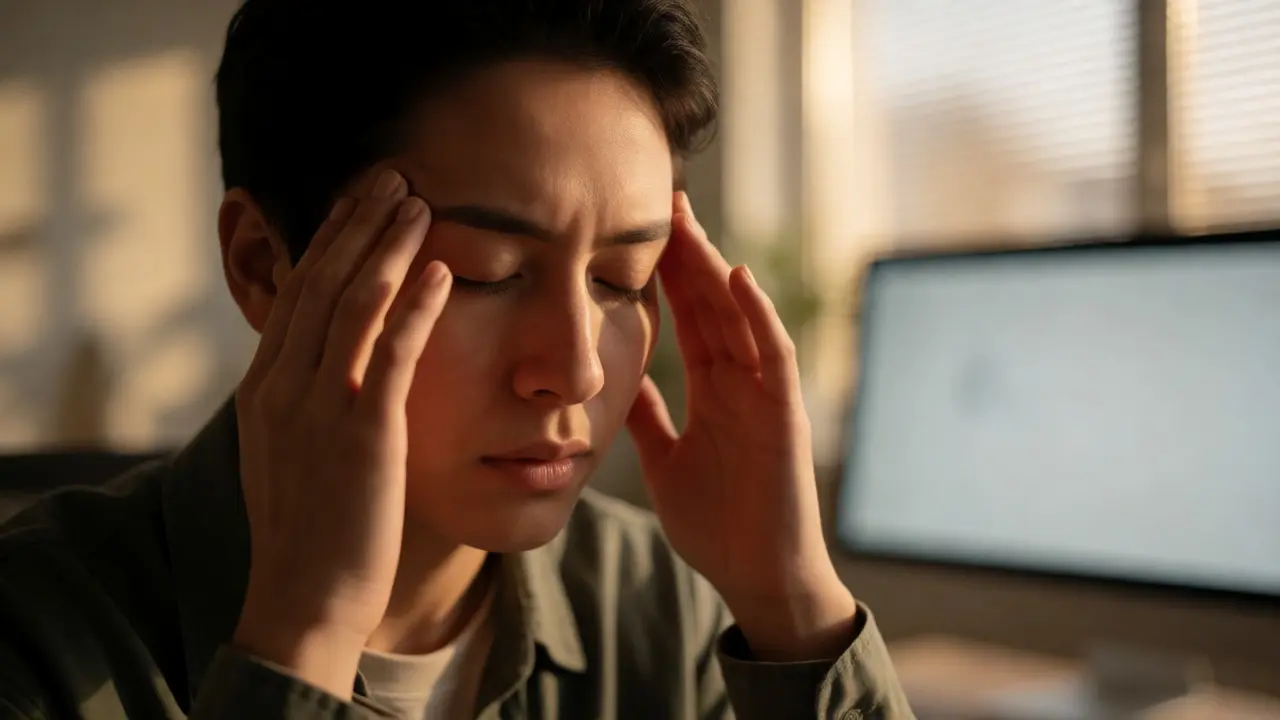
You know that feeling. It’s 3 PM on a Tuesday, you’ve been staring at a spreadsheet for four hours, and suddenly your temples start to throb. It feels like someone is tightening a vice around your skull. You pop two painkillers, but they barely take the edge off. Sound familiar? Most of us treat tension headaches as an inevitable part of modern life, something we just have to endure until the weekend. But what if the solution wasn’t in a pharmacy aisle, but right under your fingertips?
A head and scalp massage isn't just a luxury spa treatment; it's a targeted physiological intervention. When done correctly, it addresses the root cause of many common headaches: muscle tension in the neck, shoulders, and jaw, combined with restricted blood flow to the brain. This guide breaks down exactly how to use self-massage to stop a headache before it ruins your day, or to ease one that’s already started.
Why Your Scalp Hurts (And Why Massaging It Helps)
To fix the problem, you need to understand the mechanism. A tension headache isn't usually caused by a problem inside your brain. It’s mechanical. The muscles connecting your skull to your spine-specifically the trapezius, sternocleidomastoid, and the tiny muscles covering your scalp (like the occipitofrontalis)-get locked in a state of contraction. This happens from poor posture, stress, or clenching your jaw.
When these muscles stay tight, they restrict blood circulation and irritate nerves. The result? That band-like pressure around your head. Massaging the scalp does three specific things:
- Releases Muscle Knots: Physical manipulation breaks up adhesions in the fascia (the connective tissue covering muscles).
- Boosts Circulation: Friction generates heat and increases blood flow, flushing out metabolic waste products like lactic acid that contribute to pain.
- Activates the Parasympathetic Nervous System: Gentle rhythmic touch signals your brain to switch from "fight or flight" (stress) to "rest and digest" (relaxation), lowering cortisol levels.
It’s not magic. It’s anatomy. And unlike medication, which masks symptoms, massage works on the source of the discomfort.
The Golden Rules of Self-Massage
Before you start digging your fingers into your hair, you need to set the stage. Doing this wrong can actually make a migraine worse. Here are the non-negotiables:
- Use Oil or Cream: Never drag dry skin across your scalp. Use a lightweight carrier oil like jojoba, almond, or even a bit of conditioner. Dry friction pulls on hair follicles and creates more irritation than relief.
- Warm Your Hands: Cold hands trigger muscle guarding. Rub your palms together vigorously for ten seconds before touching your head.
- Start Slow: If you’re in acute pain, aggressive rubbing will hurt. Start with light, circular strokes and gradually increase pressure only if it feels good.
- Breathe: This sounds obvious, but most people hold their breath when concentrating on a painful area. Deep, slow exhales help relax the nervous system.
Step-by-Step: The 5-Minute Relief Routine
You don’t need an hour. Five minutes of focused attention is often enough to break a tension cycle. Follow this sequence:
1. The Temple Release
Your temporalis muscle fans out over your temples. When it’s tight, it causes throbbing pain behind the eyes. Place your fingertips on your temples. Apply moderate pressure and move in small, clockwise circles. Do this for 60 seconds. You’ll likely feel tender spots-that’s normal. Keep moving gently over them.
2. The Forehead Sweep
Tension often starts here from furrowing your brow at screens. Place your thumbs at the center of your eyebrows. Press firmly and sweep outward toward your ears. Repeat this five times. Imagine you’re smoothing out the creases between your eyes.
3. The Scalp Scrub
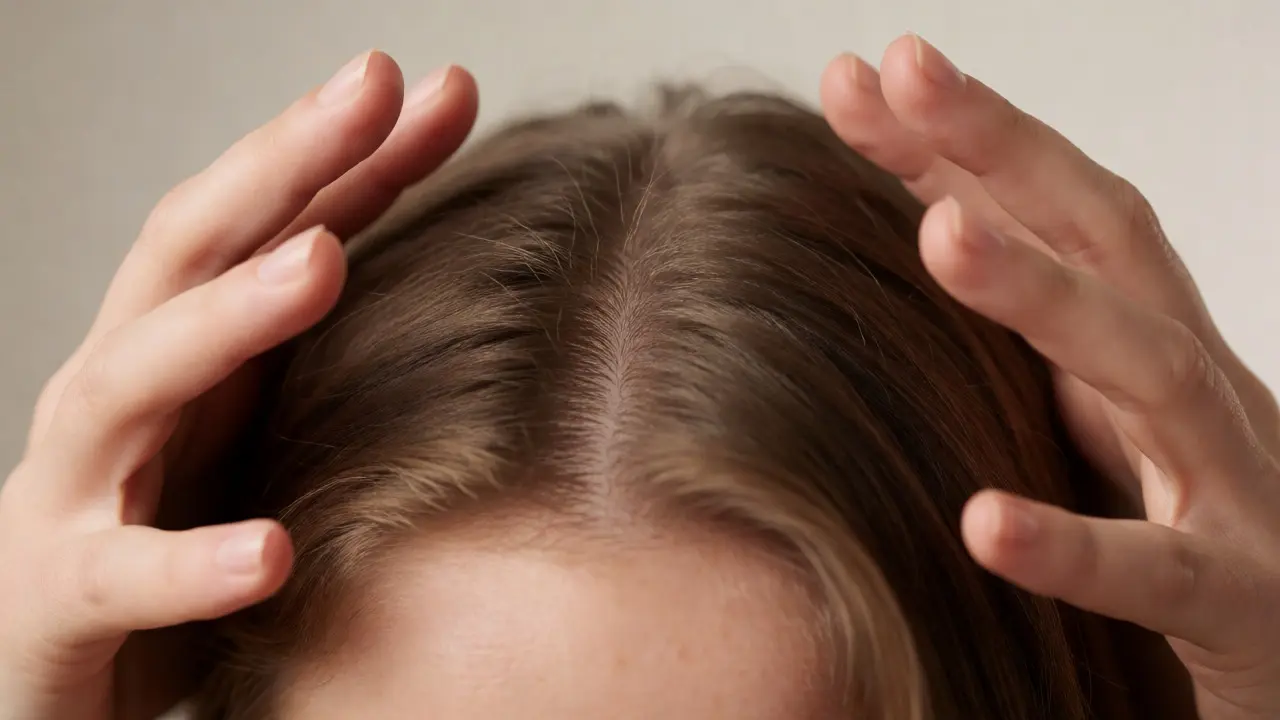
This is where the real work happens. Spread your fingers wide, like claws. Place them at the front hairline. Don’t rub the skin; instead, grip the scalp itself and move it back and forth against the skull. Move your hands progressively backward toward the crown of your head, then down to the base of the skull. This mobilizes the entire galea aponeurotica (the tough sheet of tissue covering the top of your skull).
4. The Occipital Crunch
The suboccipital muscles at the base of your skull are notorious headache triggers. Interlace your fingers behind your head, letting your thumbs rest on the bony bumps at the base of your skull (the mastoid processes). Press your thumbs upward into the hollows just below those bumps. Tilt your chin slightly down and apply steady pressure for 30 seconds. You might hear a small release or feel a sudden warmth spread down your neck.
5. The Neck Drain
Finish by draining the lymphatic fluid away from the head. Using flat palms, stroke down the sides of your neck from behind your ears to your collarbones. Repeat ten times. This helps reduce any inflammation buildup.
| Method | Onset Time | Side Effects | Best For |
|---|---|---|---|
| Self-Massage | Immediate (1-5 mins) | None (if gentle) | Tension headaches, stress relief |
| Painkillers (Ibuprofen) | 20-45 mins | Stomach upset, rebound headaches | Moderate to severe pain |
| Cold Compress | 10-15 mins | Numbness, skin irritation | Migraines, inflammatory pain |
| Hydration | Variable | Frequent urination | Dehydration-induced headaches |
Common Mistakes That Worsen Headaches
I’ve seen plenty of people try self-massage and end up with a worse headache. Usually, it’s because of one of these errors:
- Massaging Too Hard: Pain is not gain. If you’re grimacing, you’re pressing too hard. This triggers muscle spasms, adding to the tension.
- Ignoring the Jaw: Many tension headaches originate from TMJ (temporomandibular joint) dysfunction. If you grind your teeth, massaging your scalp won’t fully help unless you also release your masseter muscles (the big chewing muscles on your cheeks).
- Sitting Slumped: Doing this while hunched over your laptop defeats the purpose. Sit upright, drop your shoulders, and keep your neck neutral.
Pro Tips for Long-Term Prevention
If you get headaches weekly, you need a preventive strategy, not just a cure. Incorporate these habits:
Use a Gua Sha Tool: These smooth stone tools are fantastic for scraping along the scalp and neck. They provide consistent pressure without tiring your hand muscles. Look for jade or rose quartz options, but stainless steel works well too.
Check Your Pillow: If you wake up with a stiff neck and a headache, your pillow might be the culprit. Side sleepers need thicker support to keep the spine aligned; back sleepers need thinner pillows. Replace pillows every 18-24 months.
Screen Hygiene: Every 20 minutes, look at something 20 feet away for 20 seconds. This relaxes the ciliary muscles in your eyes, which are connected to the tension in your forehead.
Hydrate Before You Headache: Dehydration shrinks brain tissue slightly, pulling on pain-sensitive membranes. Drink water consistently throughout the day, not just when you feel thirsty.

When to See a Doctor
While massage is safe for most, it’s not a cure-all. Skip the massage and call a professional if:
- The headache came on suddenly like a thunderclap.
- You have a fever, stiff neck, or confusion.
- The pain follows a head injury.
- Massage makes the pain significantly worse rather than better.
For chronic migraines, consult a physiotherapist or osteopath who specializes in craniosacral therapy. They can identify deeper structural issues that self-care can’t reach.
Final Thoughts
Your body talks to you through tension. A headache is often just a loud signal saying, "Hey, I’m stressed, my muscles are tight, and I need some care." Instead of reaching for another pill, give yourself five minutes. Find a quiet spot, warm up your hands, and start massaging. You might find that the vice loosens, the fog clears, and you regain control of your day.
How long should I massage my scalp for headache relief?
Five to ten minutes is typically sufficient for immediate relief. Focus on quality of movement rather than duration. Consistency matters more than length; doing a short session daily prevents buildup better than one long session once a week.
Can scalp massage trigger a migraine?
Yes, if done too aggressively during an active migraine phase. Migraine brains are hypersensitive to sensory input. During a migraine, stick to very light, soothing strokes on the neck and shoulders rather than direct scalp pressure. Save deep tissue work for tension headaches or prevention.
What oil is best for scalp massage?
Jojoba oil is excellent because it mimics natural sebum and absorbs quickly without greasiness. Peppermint essential oil diluted in a carrier oil can add a cooling sensation that distracts from pain, but avoid it if you have sensitive skin or open cuts.
Is it okay to massage my scalp every day?
Absolutely. Daily gentle massage improves circulation and promotes hair health. Just ensure you aren't using excessive force that could damage hair follicles or irritate the scalp skin.
Does scalp massage help with hair growth?
Some studies suggest that regular scalp massage increases hair thickness by stretching the cells of hair follicles and improving blood supply. While it won't cure genetic baldness, it supports a healthier environment for existing hair.