Head and Scalp Massage: Benefits, Techniques, and How to Do It Right
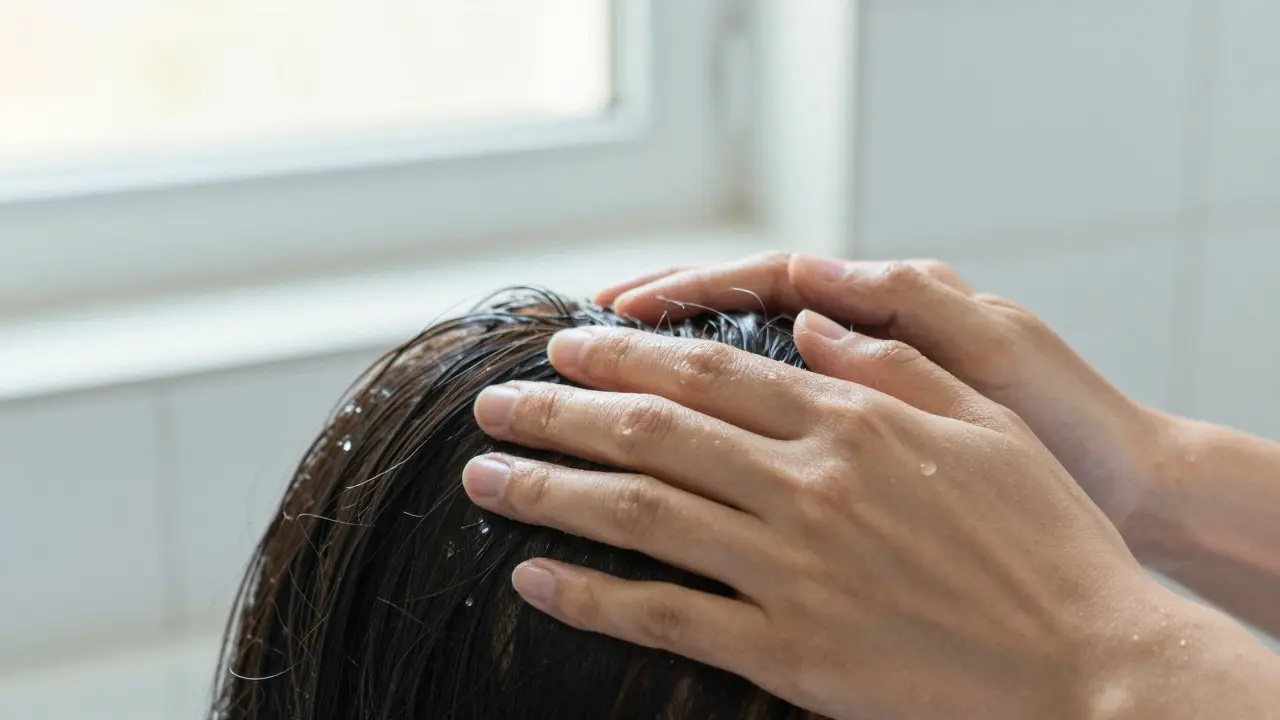
Have you ever noticed that tension seems to pool at the top of your head after a long day? That tightness isn't just in your mind. Your scalp is packed with nerve endings-thousands of them-and when those nerves get stuck in a loop of stress, it can lead to headaches, poor sleep, and even sluggish hair follicles. A simple head and scalp massage can break that cycle. It’s not just about feeling good for five minutes; it’s a practical tool for better circulation, reduced anxiety, and healthier hair.
We often focus on our shoulders or backs when we think about relaxation, but the scalp deserves equal attention. In this guide, I’ll walk you through why this practice works, how to do it yourself without buying expensive gadgets, and what science actually says about its effects on hair and health.
The Anatomy of Relaxation: Why Your Scalp Matters
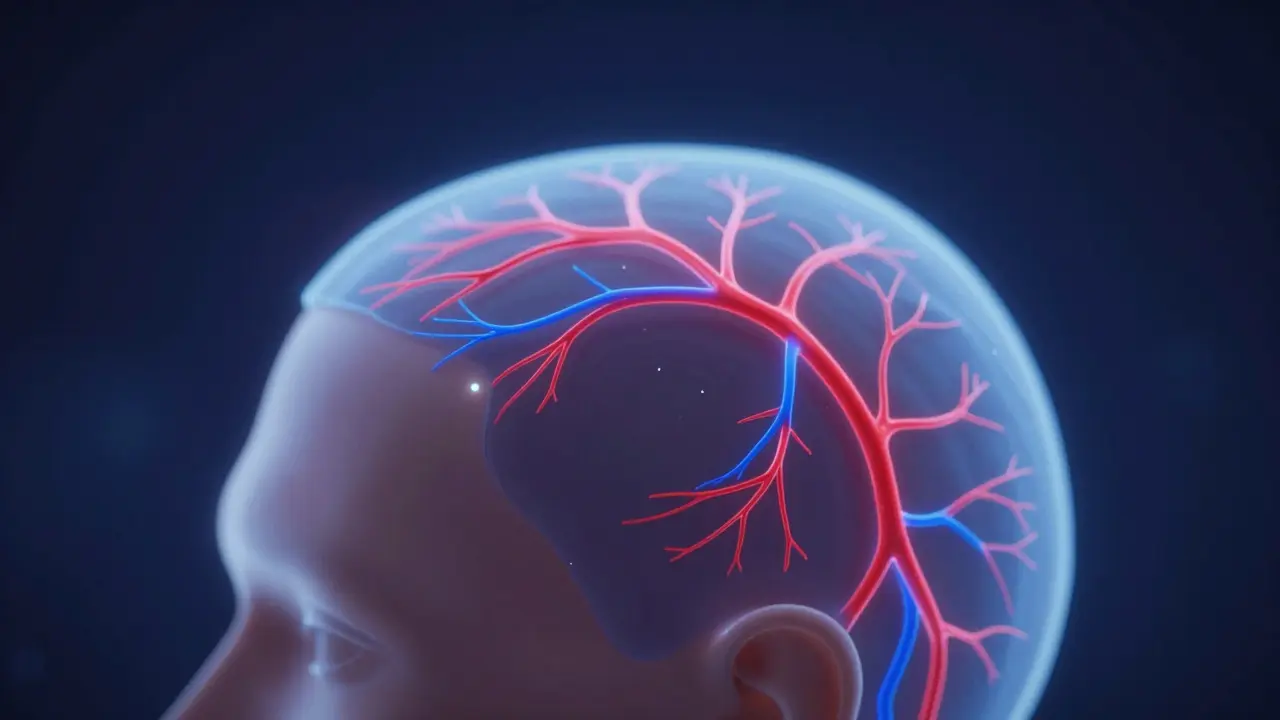
To understand why massaging your head helps, you have to look at what’s happening under the skin. The scalp is one of the most vascular areas of the body. This means it has a dense network of blood vessels that deliver oxygen and nutrients to your hair follicles. When you’re stressed, your body constricts these vessels to save energy for vital organs. Massaging the scalp reverses this constriction.
Research from Keio University in Japan found that regular scalp massage increased blood flow by up to 50% in some participants. More blood flow means more nutrients reaching the roots of your hair. But it’s not just about hair. The scalp connects directly to the trigeminal nerve, which plays a huge role in how we process pain and sensation. Stimulating this area can send calming signals to the brain, lowering cortisol levels-the primary stress hormone.
Think of your scalp like soil. If the soil is compacted and dry, plants struggle to grow. If it’s loose, moist, and nutrient-rich, they thrive. Massage loosens the "soil" of your scalp, allowing everything above ground to flourish.
Key Benefits Beyond Just Feeling Good
Most people start massaging their heads because it feels nice. But sticking with it reveals deeper benefits. Here are the main reasons to make this a habit:
- Hair Growth Support: While massage won’t cure genetic baldness, it can help with telogen effluvium (stress-related shedding). By reducing physical tension on the follicles and improving circulation, you create an environment where hair can stay in the growth phase longer.
- Migraine and Headache Relief: Tension headaches often start at the base of the skull and move up. Massaging the occipital ridge (the bony bump at the back of your head) can release trapped muscles before they trigger a full-blown headache.
- Better Sleep Quality: Doing a gentle scalp massage for 10 minutes before bed activates the parasympathetic nervous system-the "rest and digest" mode. This lowers heart rate and prepares your body for deep sleep.
- Reduced Dandruff and Dryness: Massage stimulates the sebaceous glands to produce natural oils. This helps balance moisture levels, preventing both greasy buildup and flaky dryness.
I’ve seen clients who struggled with insomnia find relief simply by incorporating a nightly routine. It’s low-cost, drug-free, and entirely under your control.
How to Perform a Self-Scalp Massage
You don’t need a partner or a professional therapist to get results. You can do this anywhere-in the shower, at your desk, or in bed. The key is consistency and technique.
- Start Clean or Oiled: You can massage dry scalp, but using a light oil (like jojoba, argan, or coconut) reduces friction and adds hydration. Apply a few drops to your fingertips.
- Use Your Fingertips, Not Nails: This is the most common mistake. Digging in with nails scratches the skin and causes inflammation. Use the pads of your fingers to apply pressure.
- The Circular Motion Technique: Place your fingertips on your forehead. Move them backward toward the crown in small circles. Keep your knuckles flat against the skull so you’re moving the skin, not sliding over it.
- Cover All Zones: Don’t just focus on the top. Work on the temples, the back of the neck, and behind the ears. These areas hold significant tension.
- Duration Matters: Aim for 4-10 minutes. Studies show that 4 minutes daily can yield visible improvements in hair thickness over time. Longer sessions are fine for relaxation.
If you have long hair, you might want to brush it out first to avoid tugging. For short hair, you can work directly on the scalp. The goal is to feel the skin moving against the bone, not just rubbing the hair shafts.
Tools vs. Hands: What Works Best?
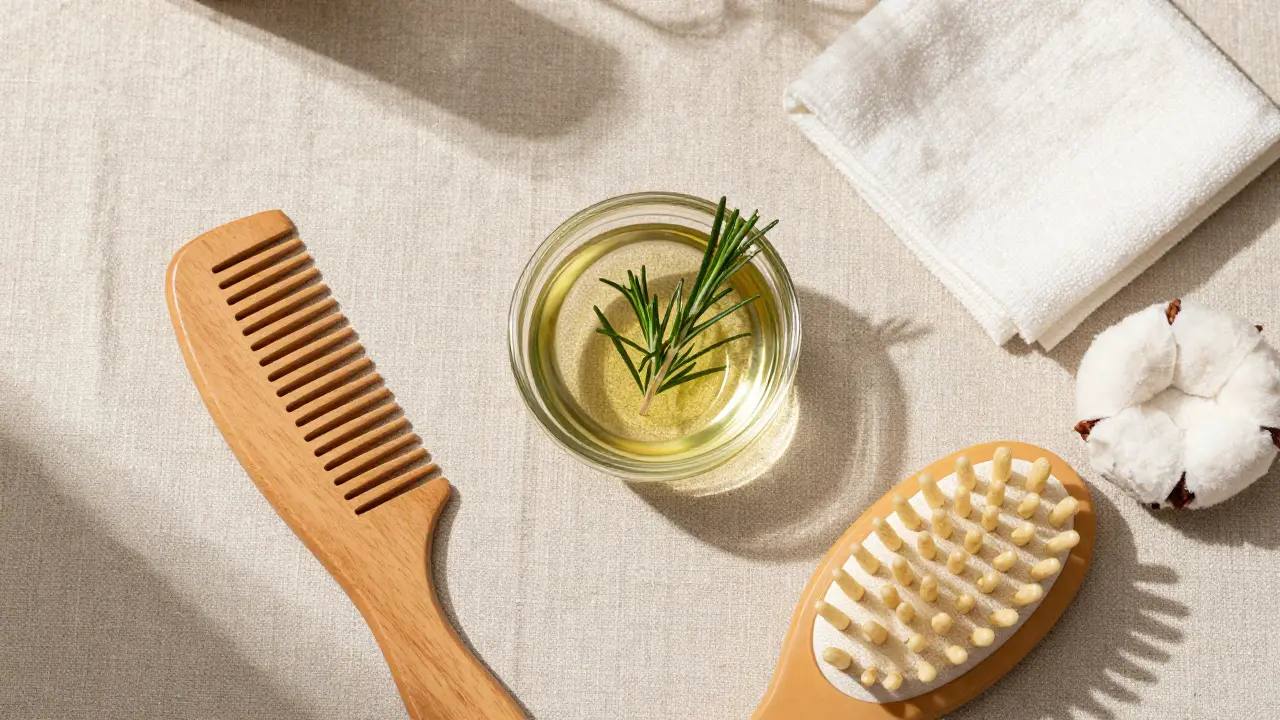
The market is flooded with silicone scalp massagers, electric brushes, and wooden combs. Do you need them? Not necessarily. Your hands provide tactile feedback-you can feel knots and tension points immediately. Tools, however, can offer a different type of stimulation.
| Method | Pros | Cons | Best For |
|---|---|---|---|
| Hands Only | Free, immediate feedback, customizable pressure | Requires learning proper technique | Daily maintenance, tension relief |
| Silicone Brush | Exfoliates dead skin, distributes shampoo evenly | Can be too harsh if pressed hard | Shower use, dandruff management |
| Electric Massager | Deep vibration, consistent rhythm | Noisy, battery-dependent, less precise | Relaxation, sensory stimulation |
| Wooden Comb | Gentle, static-free, traditional | Limited reach, slower coverage | Pre-wash oil distribution |
If you choose a tool, start gently. Silicone brushes are great for exfoliation during washing, but they shouldn’t replace manual massage for tension relief. Hands allow you to adjust pressure instantly based on what you feel.
Common Mistakes to Avoid
Even simple practices can go wrong if done incorrectly. Here’s what to watch out for:
- Too Much Pressure: You’re trying to relax, not bruise. If you see red marks left on your skin afterward, you were too hard. Gentle, firm pressure is ideal.
- Ignoring the Neck: Tension in the scalp often originates from tight trapezius muscles in the neck. Always finish your massage by working down the back of the neck to release the root cause.
- Inconsistency: One massage won’t change your hair growth or stress levels significantly. Like exercise, it requires repetition. Try to do it daily or at least three times a week.
- Using Heavy Oils Daily: While oils are beneficial, heavy ones like castor oil can clog pores if used every day without thorough cleansing. Rotate between lighter oils and dry massage.
Also, be mindful of your hair type. If you have curly or coily hair, aggressive rubbing can cause breakage. Use a wider spacing between fingers and focus on the skin beneath rather than manipulating the curls themselves.
When to See a Professional
Self-massage is powerful, but there are times when you need expert help. If you experience chronic migraines, severe hair loss, or scalp conditions like psoriasis or eczema, consult a dermatologist or a licensed massage therapist specializing in cranial therapy.
Professional therapists can identify trigger points you can’t reach and use techniques like myofascial release to address deeper tissue restrictions. They can also recommend specific oils or treatments tailored to your scalp’s pH balance and sensitivity.
In Adelaide, many holistic health centers now offer scalp-focused sessions as part of broader wellness packages. Look for practitioners certified in craniosacral therapy or reflexology, as these modalities emphasize the connection between the head and overall body balance.
Integrating Scalp Massage into Your Routine
The best time to massage your scalp is when it fits naturally into your life. Here are a few ideas:
- Morning Wake-Up: Spend 3 minutes massaging your scalp after brushing your teeth. It boosts circulation and wakes up your nervous system.
- During Shampooing: Use your fingertips to lather and massage for 2-3 minutes before rinsing. This cleanses deeply and relieves tension from the day.
- Pre-Bed Ritual: Combine scalp massage with deep breathing. Inhale for 4 seconds, exhale for 6. This dual approach calms both body and mind.
- Work Breaks: If you sit at a desk all day, take a 2-minute break to rub your temples and the back of your head. It reduces eye strain and mental fatigue.
Consistency beats intensity. Ten minutes once a week is less effective than two minutes every day. Make it a habit, not a chore.
Does scalp massage really help hair grow?
Yes, but with caveats. Massage improves blood flow to hair follicles, which can support thicker hair and reduce shedding caused by stress. However, it cannot reverse genetic male or female pattern baldness. It works best as a complementary practice alongside healthy diet and medical treatment if needed.
How often should I massage my scalp?
Daily is ideal for stress relief and circulation. For hair growth studies, researchers used 4 minutes daily. If daily isn’t possible, aim for 3-4 times a week. Consistency matters more than duration.
Can I use essential oils during scalp massage?
Yes, but always dilute them. Pure essential oils can irritate the scalp. Mix 2-3 drops of rosemary, lavender, or peppermint oil into a tablespoon of carrier oil like jojoba or almond oil. Rosemary oil, in particular, has shown promise in promoting hair density in clinical trials.
Is scalp massage safe for everyone?
Generally, yes. However, avoid direct pressure on open wounds, active infections, or inflamed skin conditions like severe eczema. If you have recent head surgery or trauma, consult your doctor first. Pregnant women should avoid strong essential oils like clary sage or jasmine.
Why does my scalp itch after massage?
Itching can result from increased blood flow, which stimulates nerve endings. It may also indicate dryness or sensitivity to oils used. If itching persists, switch to a lighter oil or try dry massage. Excessive scratching can damage the skin barrier, so keep nails short and use gentle motions.