
The Rungu: History, Symbolism, and Uses in African Societies
When you picture a rungu, do you see a weapon? A walking stick? Or perhaps a symbol of law and order?
The truth is that the rungus serves all these roles-and more. Across various African societies, particularly among Bantu-speaking peoples like the Kikuyu, Meru, and Embaa communities in East Africa, this carved wooden staff has been far more than just a tool. It represents authority, tradition, identity, and even spiritual connection.
In this article, we’ll explore how the rungus functioned historically as instruments of justice, symbols of leadership, tools for daily life, and markers of cultural heritage. We’ll also look at its evolving role today-where it remains relevant in ceremonies, education, and artistic expression.
What Is a Rungu?
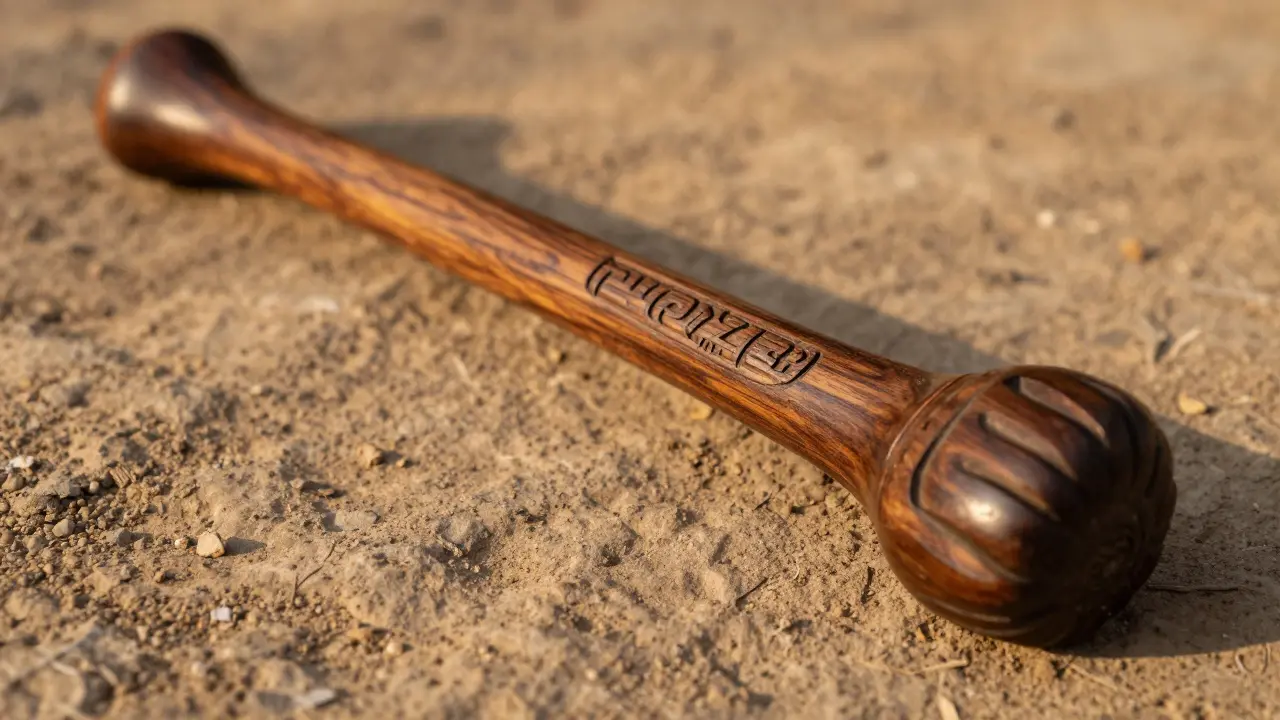
A rungu (also spelled runju or rungu) is a short, heavy wooden club or staff traditionally used by several ethnic groups in Kenya and Tanzania. Unlike a simple walking stick, the rungus typically features a thick handle and a distinct head-often rounded, flared, or shaped to resemble an animal’s paw or other symbolic form.
Traditionally made from hardwoods such as mukau, mvule, or mitubaine, each rungus was hand-carved by skilled artisans who passed down techniques through generations. The craftsmanship wasn’t just about durability-it carried meaning.
- Handle shape: Designed for firm grip during combat or ceremonial use
- Head design: Varied by region and purpose-some were blunt, others slightly pointed
- Carvings: Often included clan symbols, proverbs, or ancestral motifs
Today, while many rungus are still crafted using traditional methods, some are produced commercially for tourists or collectors. Still, the original intent behind their creation remains deeply rooted in cultural practice.
Rungu as a Symbol of Authority and Leadership
In pre-colonial African societies, power wasn't always displayed through crowns or scepters. For many communities, the rungus served as a visible sign of leadership and moral responsibility.
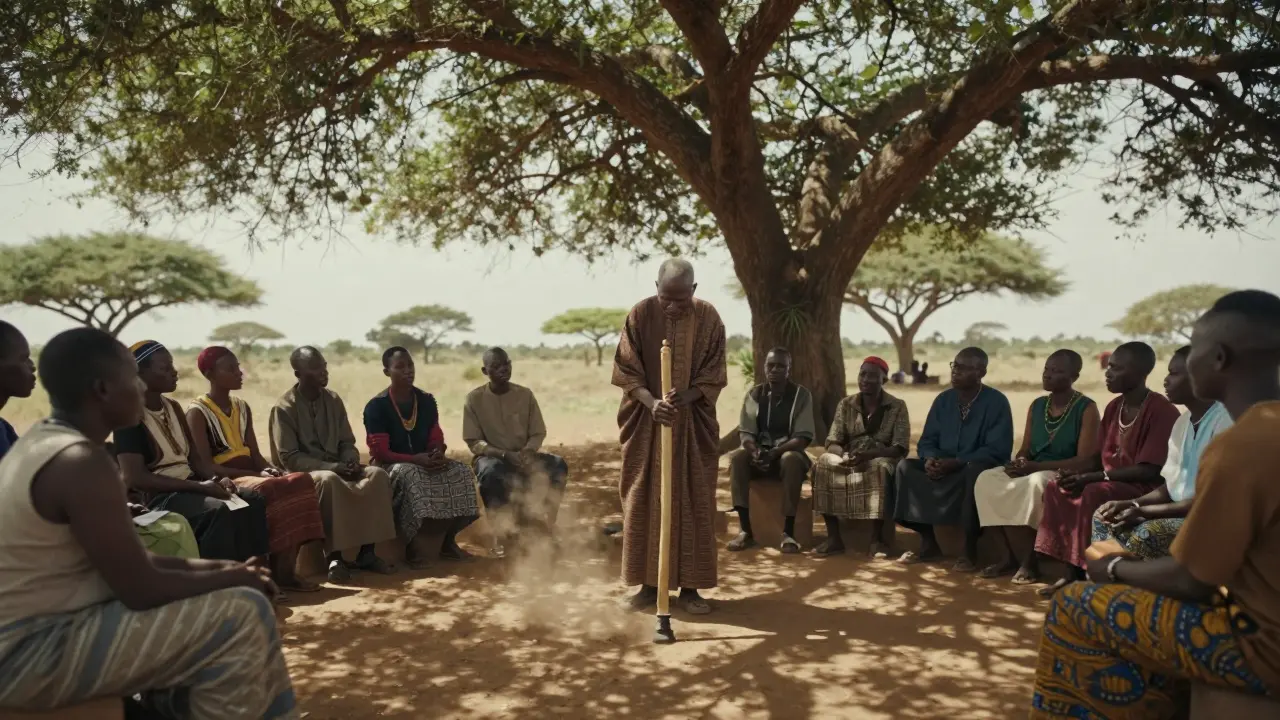
Elders and chiefs carried the rungus not only for protection but also to signify their role as mediators and decision-makers. In disputes over land, marriage, or theft, the presence of the rungus reminded everyone that justice would be served according to custom-not vengeance.
"The one who carries the rungus speaks with the voice of the ancestors." - Proverb from the Kikuyu people
This proverb highlights the deep respect associated with the object. Holding the rungus meant carrying the weight of community expectations and historical wisdom.
Even today, during formal gatherings or dispute resolution sessions, elders may carry a rungus to reinforce their legitimacy and remind participants of shared values.
Rungu in Traditional Justice Systems
One of the most important functions of the rungus was within traditional justice systems. Before colonial courts replaced local customs, many African communities relied on councils of elders to settle conflicts.
Here's how the rungus played into that process:
- Symbolic enforcement: Elders could strike the ground or a nearby tree with the rungus to emphasize rulings or warn against wrongdoing.
- Physical correction: In minor cases, offenders might receive light strikes as punishment-meant to teach rather than harm.
- Oath-taking device: Some rituals involved swearing oaths while holding the rungus, believing it would bring bad luck if lies were told.
These practices weren’t arbitrary-they reflected a system where accountability, restitution, and social harmony mattered more than retribution.
Interestingly, modern legal scholars have studied these systems for insights into restorative justice models. The rungus, in this context, becomes part of a broader conversation about alternative approaches to conflict resolution.
Rungu in Daily Life and Practical Use
Beyond its symbolic roles, the rungus had practical applications in everyday life.
For farmers, herders, and travelers, it doubled as:
- Walking aid: Especially useful on rough terrain or during long journeys
- Defense tool: Against wild animals or human threats
- Work implement: Used to clear brush, dig roots, or break open hard soil
Its compact size made it easy to carry everywhere-from fields to markets to village meetings. And because it was often personalized with carvings or paint, it became a reflection of individual identity.
Children sometimes received smaller versions as gifts, teaching them early on about responsibility and cultural pride.
Rungu in Ceremonies and Rituals
Ceremonial uses of the rungus varied widely depending on the occasion-but they always carried significance.
During rites of passage, such as initiation into adulthood, young men might receive their first rungus as a mark of maturity. This gesture signaled that they were now expected to uphold community standards and protect those around them.
In weddings, elders would present the groom with a rungus to symbolize his new responsibilities as a husband and future father.
Funerals also featured the rungus prominently. Family members would place it near the deceased as a final tribute, acknowledging the person’s contributions to society.
Even in music and dance performances, dancers sometimes mimicked swinging the rungus to reenact stories of bravery or leadership.
Rungu in Art and Cultural Expression
As globalization changed material culture, the rungus found new life in art and craft industries.
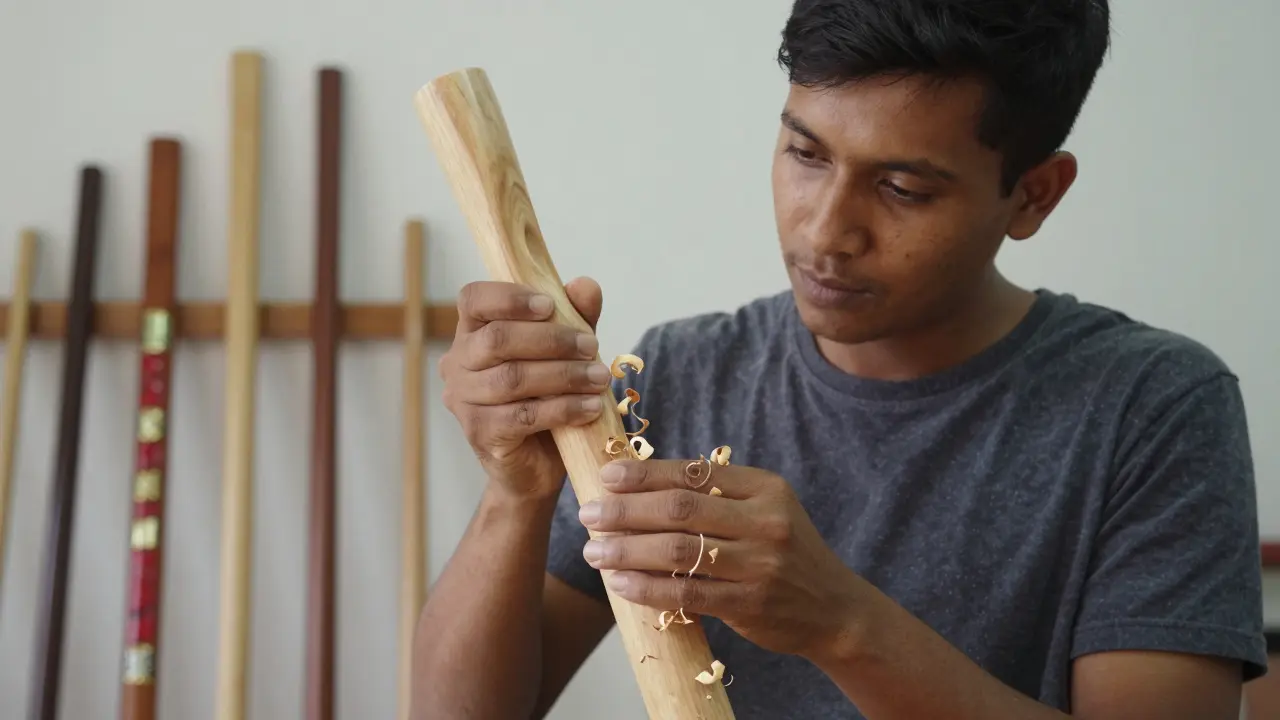
Artisans began producing decorative rungus for sale to tourists and museums. These pieces often featured intricate designs inspired by traditional patterns but adapted for aesthetic appeal.
Museums across Europe and North America now display rungus alongside other artifacts, helping educate global audiences about African heritage.
Local artists continue to experiment with materials-using recycled wood, metal accents, or mixed media-to create contemporary interpretations of the classic form.
Schools and cultural centers sometimes incorporate rungus-making into curricula, ensuring younger generations learn both the skill and the story behind it.
Modern Relevance and Preservation Efforts
Despite changes brought by urbanization and digital communication, efforts to preserve the rungus remain strong.
Cultural organizations host workshops where elders teach youth how to carve and use the rungus properly. These events help bridge generational gaps and keep traditions alive.
Governments in Kenya and Tanzania support intangible cultural heritage programs that recognize the rungus as part of national identity. UNESCO has also acknowledged similar objects under broader categories of traditional knowledge.
At the same time, debates continue about authenticity versus commercialization. Some worry that mass-produced rungus lose their deeper meanings when sold without context.
Still, there’s hope. New platforms allow storytellers, historians, and makers to share accurate information online-ensuring the rungus isn’t reduced to a souvenir but understood as a living piece of history.
| Context | Primary Function | Symbolic Meaning |
|---|---|---|
| Leadership | Signifies authority and governance | Ancestral endorsement |
| Justice | Enforces rulings and deters crime | Moral accountability |
| Daily Life | Tool for work and travel | Personal identity |
| Ceremony | Marking transitions and honors | Community belonging |
| Art | Craftsmanship and creativity | Cultural continuity |
How You Can Learn More About the Rungu
If you're interested in exploring the rungus further, here are a few ways to engage with its legacy:
- Visit cultural festivals: Many Kenyan and Tanzanian towns host annual celebrations featuring demonstrations of traditional crafts, including rungus carving.
- Support artisan cooperatives: Buying directly from makers helps sustain livelihoods and encourages authentic production.
- Read oral histories: Books and documentaries recording elder testimonies offer rich insight into the rungus’ historical role.
- Engage with educational institutions: Universities and research centers often publish studies on traditional justice systems and cultural objects.
Whether you’re a student, traveler, or curious learner, understanding the rungus opens a window into centuries-old ways of thinking about power, justice, and community.
Is the rungus still used in modern African societies?
Yes, though less frequently than before. While formal legal systems dominate today, the rungus retains symbolic importance in ceremonies, education, and cultural preservation efforts.
Who originally created the rungus?
Several Bantu-speaking groups developed the rungus independently, including the Kikuyu, Meru, Embaa, and others in what is now Kenya and Tanzania.
Can anyone own a rungus today?
Absolutely. Today, rungus are available to anyone interested in acquiring one-for personal use, decoration, or study. However, respecting its cultural background adds depth to ownership.
Are there different types of rungus?
Yes. Variations exist based on regional styles, intended use (ceremonial vs. practical), and level of ornamentation. Some feature detailed carvings, while others prioritize simplicity and strength.
Why is the rungus considered sacred?
Because it embodies ancestral wisdom, moral responsibility, and communal unity. Its use in oaths, rituals, and leadership reinforces its spiritual dimension.